2026 Best Fix for Electrical Panel Burning Smell?

Time:2026-10-21 Author:Isabella
0%

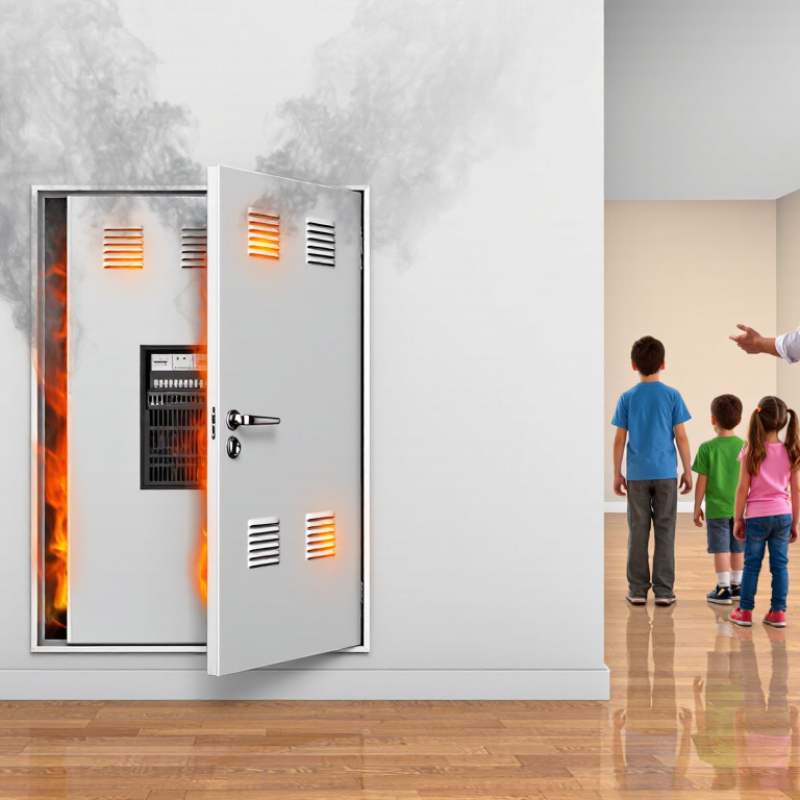
A burning-plastic odor near an electrical panel is not a minor household nuisance. It can signal overheated wiring, a loose connection, damaged insulation, or a failing breaker. If you are asking, “what should I do if my electrical panel smells like burning plastic,” treat the smell as an urgent warning. Keep children away, avoid touching the panel, and switch off the main breaker only if it is safe. If you see smoke, sparks, or flames, leave immediately and call emergency services.

The National Fire Protection Association reports that electrical distribution and lighting equipment caused about 21% of reported home fires between 2016 and 2020. These fires also produced significant deaths, injuries, and property losses. The U.S. Consumer Product Safety Commission has repeatedly warned that overheating electrical components can ignite nearby materials. A warm plastic smell may disappear after a breaker reset. The underlying defect may remain.

NFPA public-education expert Lorraine Carli states, “If you have a fire, get out, stay out, and call for help.” Her advice applies before a small electrical fault becomes a visible fire. Do not open the panel cover or tighten terminals yourself. A qualified electrician should inspect the panel, conductors, breakers, and service connections. This guide examines the safest 2026 response, practical warning signs, and repair decisions. It also acknowledges an uncomfortable point: odor alone cannot identify the failed component. Guessing can delay the right repair.
2026 Best Fix for Electrical Panel Burning Smell?

What a Burning Smell from an Electrical Panel Means

A burning smell from an electrical panel usually signals excessive heat, damaged insulation, or a loose connection. The odor may resemble melting plastic, scorched dust, or sharp ozone. You might also notice a warm panel cover, brown marks, flickering lights, buzzing, or crackling sounds. These details matter because heat can develop inside the panel before visible smoke appears.

Turn off nearby appliances and keep people away from the panel. If the smell is strong, smoke appears, or the panel feels hot, leave the building and contact emergency services. Do not remove the panel cover or touch loose wires. Even when a circuit breaker remains on, an internal connection may still overheat. That surprises many homeowners.

A licensed electrician should inspect the panel, wiring connections, circuit loading, and signs of arcing. They can test for abnormal heat and determine whether repair or replacement is necessary. Avoid spraying anything into the panel. Do not assume the odor will disappear after switching off one appliance. That shortcut can miss a damaged connection. I would also avoid resetting a tripped breaker repeatedly, because it may worsen a hidden fault. Clear photos of discoloration, if taken from a safe distance, can help the electrician understand what happened. Certain smells may come from harmless dust, but burning insulation should never be treated casually.

Immediate Safety Steps Before Inspecting the Panel

A burning smell near an electrical panel requires immediate caution, not quick troubleshooting. Move people and pets away from the area. Do not touch the panel, remove its cover, or reset a tripped breaker. If you see smoke, sparks, melted plastic, or flames, leave immediately and call emergency services from outside.

If no visible danger exists, switch off the main disconnect only when it is clearly safe to reach. Never touch it with wet hands. Do not use water. Avoid operating nearby appliances until a qualified electrician inspects the system. Keep the panel area clear, especially of cardboard, cleaning products, and stored materials.

The smell may come from overheated insulation, a loose connection, or an overloaded circuit. It can also be mistaken for ordinary dust. That mistake can be costly.

The National Fire Protection Association’s Home Structure Fires report found that electrical distribution and lighting equipment appeared in 55% of home fires involving electrical failure or malfunction from 2016 to 2020. Its Fire Loss in the United States report also recorded more than 350,000 home structure fires in 2022.

These figures do not prove every odor signals an emergency, but they justify a conservative response.

My practical rule is simple: distance first, diagnosis later.

Even a faint odor deserves professional inspection, because hidden heat can continue after a breaker appears normal. Photographing the panel from a safe distance may help the electrician, but opening it yourself is not worth the risk.

Common Causes of Electrical Panel Burning Odors

2026 Best Fix for Electrical Panel Burning Smell?

A burning smell near an electrical panel should never be treated as normal. Experienced electricians often find loose terminals behind the odor. Poor connections create resistance, heat, and sometimes visible discoloration. An overloaded circuit can also warm breakers, wires, and insulation beyond safe limits.

The smell may resemble hot plastic, scorched rubber, or burnt dust. Look for flickering lights, buzzing sounds, warm panel covers, or brown marks. Moisture intrusion and aging insulation can worsen the problem. Dust alone may smell briefly, but assuming it is harmless can be a costly mistake.

Turn off affected equipment and keep people away from the panel. Do not remove the cover or repeatedly reset a tripped breaker. If smoke, sparks, or crackling appears, leave the area and contact emergency services. Otherwise, arrange an inspection by a licensed electrician promptly. They can test connections, measure circuit loads, inspect breaker terminals, and identify heat damage with appropriate tools. A practical detail is often missed: record when the odor appears and which appliances operate then. That pattern can reveal an overloaded branch circuit. Still, observations cannot replace professional testing. Even a panel that feels cool may contain a dangerously loose connection.

2026 Best Fix for Electrical Panel Burning Smell? - Common Causes of Electrical Panel Burning Odors

Likely Cause Typical Odor or Sign Risk Level Recommended First Action Professional Repair Usually Involves Prevention or Monitoring
Loose or overheated connection Hot plastic, burnt insulation, discoloration, buzzing, or flickering lights High Turn off affected circuits if it can be done safely. Keep away from the panel if it is hot, smoking, or arcing. De-energizing the panel, inspecting terminations, replacing damaged conductors or breakers, and correcting torque or connection problems. Have electrical connections inspected after any overheating event; do not retighten live electrical equipment.
Overloaded circuit Warm panel, repeated breaker trips, warm outlets, or a persistent electrical odor High Unplug nonessential loads and stop using the affected circuit until it is evaluated. Load calculation, circuit inspection, and possible installation of a properly sized dedicated circuit. Avoid using multiple high-wattage appliances on one circuit; never replace a breaker with a higher rating without a wiring assessment.
Aged or failing circuit breaker Burnt smell near one breaker, heat, visible damage, or nuisance tripping High Switch off the affected circuit if safe and do not repeatedly reset it. Testing for overloads, short circuits, and poor connections before installing a correctly rated replacement breaker. Investigate the reason for repeated trips instead of repeatedly resetting the breaker.
Damaged wire insulation Sharp burnt-plastic odor, melted insulation, exposed copper, or scorch marks Critical Shut off power only if the disconnect can be operated without approaching smoke, flames, or exposed energized parts. Evacuate and call emergency services for fire or active arcing. Replacement of damaged wiring and components, verification of conductor protection, and testing before re-energizing. Keep panel covers closed and have damaged wiring repaired promptly; do not use electrical tape as a permanent repair.
Moisture, corrosion, or water intrusion Musty or burnt odor, rust, corrosion, dampness, or unexplained breaker trips High Do not touch wet equipment. Keep people away and arrange an electrical inspection. Finding and stopping the water source, replacing corroded components, and checking the enclosure and grounding system. Maintain a dry area around the panel and correct roof, plumbing, condensation, or drainage problems.
Dust, debris, or pest damage Intermittent odor, unusual sounds, contamination, or signs of nesting near the enclosure Moderate to High Avoid opening the panel or disturbing debris; arrange inspection if the smell persists. Safe cleaning, pest exclusion, inspection for chewed insulation, and replacement of compromised parts. Keep the surrounding area clean and dry, and seal suitable building openings without blocking required ventilation.
Recent electrical work or modification Odor begins after a new circuit, appliance, repair, or panel change High Stop using the new or modified circuit and request a prompt inspection. Verification of conductor sizing, breaker compatibility, terminations, grounding, and required protective devices. Use qualified electrical professionals and obtain required permits or inspections where applicable.
Normal odor from a new component Mild, short-lived manufacturing or installation odor without heat, smoke, noise, or discoloration Monitor Carefully Reduce the load and arrange an inspection if the odor continues, increases, or is accompanied by any warning sign. Confirmation that the component is correctly installed, rated, and operating within normal temperature limits. Treat any persistent burning smell as abnormal; odor alone cannot confirm that equipment is safe.

Safety note: A burning smell from an electrical panel should not be ignored. Do not remove the panel cover, touch damaged parts, or work inside the panel unless you are a qualified professional. If there is smoke, flame, sparking, or rapidly increasing heat, leave the area and contact emergency services.

How Electricians Diagnose and Repair the Problem

A burning smell near an electrical panel needs prompt attention, not air freshener. The odor may come from overheated insulation, a loose termination, or a failing breaker. NFPA reported about 35,150 U.S. home fires annually involving electrical distribution and lighting equipment from 2015 to 2019. These fires caused roughly 470 deaths and $1.3 billion in property damage. Source: NFPA, Home Fires Involving Electrical Distribution and Lighting Equipment.

A qualified electrician begins by asking when the smell appears. Constant odor suggests heat damage, while odor during heavy appliance use may indicate overloading. They inspect the panel cover, breakers, bus connections, and cable insulation for discoloration or melted plastic. Infrared scanning can reveal abnormal heat without immediately disturbing energized parts. Power may need to be isolated before removing the dead-front cover.

The smell can mislead.

A breaker that looks normal may still have a loose connection behind it. The electrician checks torque, conductor size, circuit loading, and signs of arcing. The Electrical Safety Foundation International identifies loose connections and damaged wiring as common contributors to electrical fires. Repair may require replacing damaged conductors, correcting terminations, or upgrading an unsuitable panel section. A quick breaker replacement is not always the right fix. My own caution is simple: diagnosis should come before parts. If smoke, crackling, or visible melting appears, leave the area and contact emergency services.

These are nominal reference readings for a North American 120/240 V split-phase residential panel. An electrician compares the measured values with these references, then checks for loose connections, overloaded circuits, damaged insulation, discoloration, and abnormal heat before repairing or replacing the affected components. Never open or test an energized panel unless you are a qualified professional.

When to Replace the Panel and Prevent Future Hazards

2026 Best Fix for Electrical Panel Burning Smell?

When to Replace the Panel and Prevent Future Hazards

A burning smell near an electrical panel needs prompt attention. Do not ignore it as dust or warm plastic. Turn off nearby loads, keep clear of the panel, and contact a qualified electrician. If you see smoke, sparks, or flames, leave the property and call emergency services.

Panel replacement may be necessary when breakers trip repeatedly, wiring insulation looks melted, or the enclosure shows brown marks. Buzzing sounds, corrosion, loose connections, and excessive heat also deserve professional testing. An electrician can measure load demand, inspect connections, and check whether the panel meets current electrical codes. A larger panel is not always the correct fix. The wiring system may need upgrades too.

Prevention starts with an inspection, not guesswork. A professional can use thermal imaging to identify hot connections before they fail. They should also verify conductor sizes, tighten terminals to manufacturer specifications, and confirm proper circuit balance. Keep paint, boxes, and storage away from the panel. Never cover warning signs with fresh paint.

A rushed repair can look fine for a week. That is the uncomfortable part. Replacing only a damaged breaker may miss overheated bus connections or aging insulation. Ask for written findings, documented repairs, and a clear replacement recommendation. Annual checks are sensible after major renovations, repeated trips, water exposure, or unusual heat.

FAQS

What can a burning smell from an electrical panel mean?

It usually indicates excessive heat, damaged insulation, or a loose connection. The odor may resemble melting plastic or scorched dust. A warm cover, brown marks, flickering lights, buzzing, or crackling can also appear.

Is it safe to keep using the electrical system?

No. Turn off nearby appliances and keep everyone away from the panel. If smoke, sparks, flames, or strong heat appear, leave the building and contact emergency services.

Can a panel smell dangerous even when the breaker stays on?

Yes. An internal connection may overheat while the breaker remains on. That surprises many homeowners. Have a qualified electrician inspect it promptly.

Should I remove the panel cover or touch loose wires?

No. Do not remove the cover, touch wires, or spray anything inside. Electrical parts can remain dangerous, even after one appliance is switched off.

Should I reset a tripped breaker repeatedly?

No. Repeated resetting can worsen a hidden fault. Guessing feels convenient, but it may allow damaged wiring to overheat further.

When might the electrical panel need replacement?

Replacement may be needed after repeated trips, melted insulation, brown marks, corrosion, buzzing, or excessive heat. A larger panel is not always the correct solution. Wiring upgrades may also be necessary.

What will an electrician inspect?

They may check circuit loading, conductor sizes, terminals, wiring insulation, circuit balance, and arcing signs. Thermal imaging can reveal hot connections before visible damage appears.

What can I safely do before help arrives?

Keep paint, boxes, and storage away from the panel. From a safe distance, photograph discoloration if possible. Do not cover warning signs with fresh paint.

How can future panel problems be prevented?

Arrange professional checks after renovations, water exposure, unusual heat, or repeated breaker trips. Annual inspections may help. A rushed repair can look fine for a week. Ask for written findings and documented repairs.

Conclusion

A burning smell from an electrical panel is a serious warning that may indicate overheating wires, loose connections, damaged breakers, overloaded circuits, or failing insulation. If you are asking, “what should I do if my electrical panel smells like burning plastic,” turn off and unplug nearby appliances if it is safe, keep away from smoke or sparks, and avoid opening or touching the panel. If there is visible smoke, heat, crackling, or an active fire, leave the building and contact emergency services.

A qualified electrician should inspect the panel, test circuits, check terminals and wiring, and identify the source of the odor before making repairs. Depending on the damage, the solution may involve tightening connections, replacing faulty components, correcting overloads, or installing a new panel. Regular electrical inspections, properly rated circuits, clear space around the panel, and prompt attention to unusual smells can help prevent future hazards.

Isabella

Isabella

Isabella is a dedicated marketing professional with a sharp focus on driving brand growth and engagement through strategic content creation. With an extensive background in digital marketing, she combines her passion for storytelling with her keen understanding of industry trends to deliver......