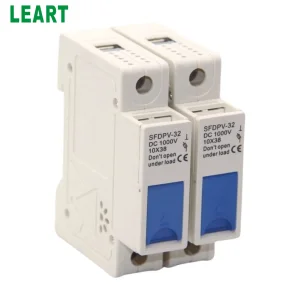
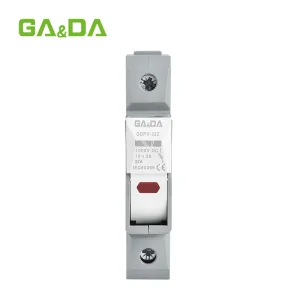
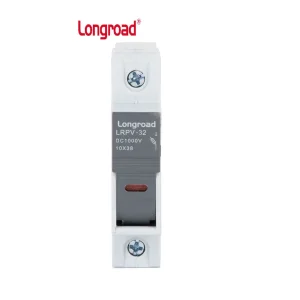
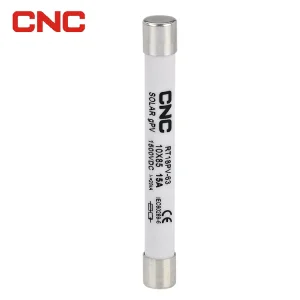
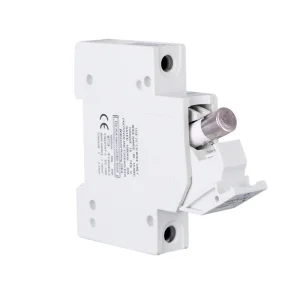
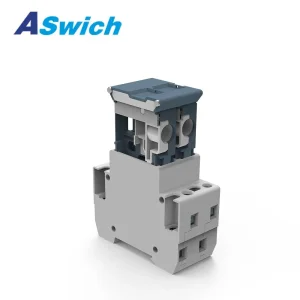
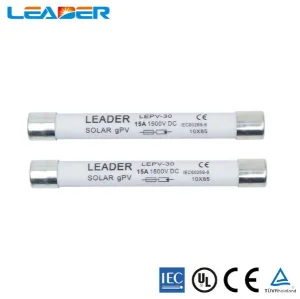
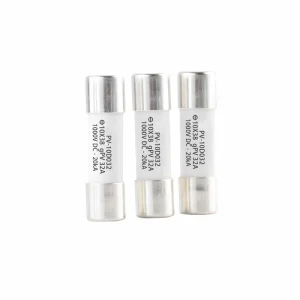
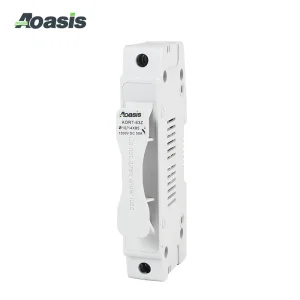
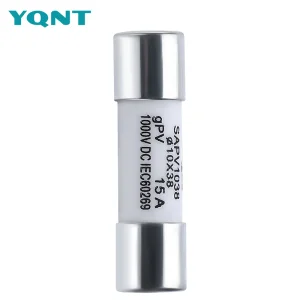
Specifically designed for PV protection to prevent faults under low-overcurrent and high-voltage scenarios. Certified to withstand harsh environmental conditions.
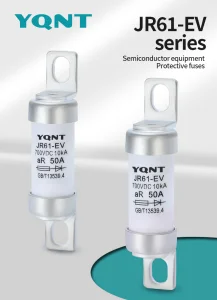
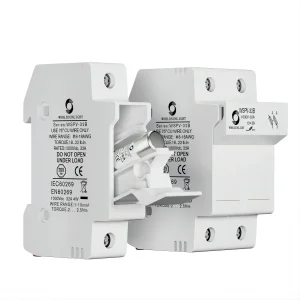
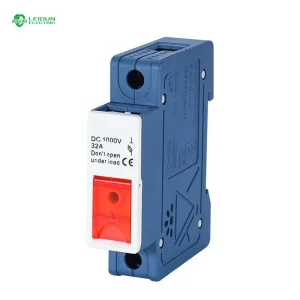
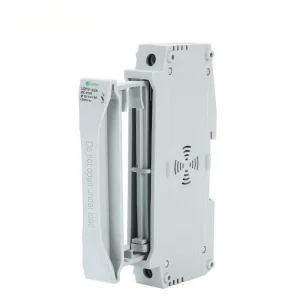
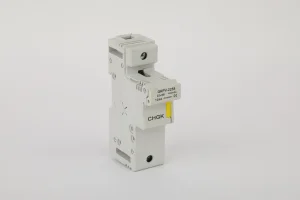
Understanding the transition to 1500VDC architectures and the physical necessity of specialized gPV protection.
In modern utility-scale and commercial & industrial (C&I) solar photovoltaic (PV) systems, the standard system voltage has transitioned from 1000VDC to 1500VDC. This strategic migration allows engineers to design longer series strings, reducing the total amount of combiner boxes, copper wiring, and associated installation labor. However, higher voltages introduce strict security challenges, specifically relating to overcurrent clearing capabilities under low fault current conditions.
This is where specialized gPV (general-purpose Photovoltaic) protection fuses become mandatory. According to international standards like IEC 60269-6 and UL 248-19, gPV fuses must be capable of interrupting fault currents as low as 1.35 times their nominal current rating up to their rated breaking capacity. The design of our DC solar fuses utilizes a high-grade ceramic body packed with high-purity quartz sand and a pure silver element with restricted neck sections. This combination ensures extremely fast clearing times, minimizing thermal and mechanical stress on the PV modules, wiring, and junction boxes.
Isolates individual faulty strings from parallel combinations, preventing reverse current flows from healthy strings from damaging faulted panels.
Perfect for sub-array and array-level protection in combiner boxes. Compact footprints optimize spatial management inside tight enclosures.
Minimizes operational expenditures (Opex) by preventing catastrophic electrical fire outbreaks and reducing downtime to isolated string repairs.
How localized regulations and challenging environmental contexts drive the selection of high-capacity DC protection systems.
Across North America, Europe, and the Asia-Pacific region, utility-scale developers are scaling installations to multi-megawatt capacities. In these projects, the integration of central and string inverters depends on reliable circuit protection. Environmental conditions play a significant role in component longevity. Extreme thermal fluctuations in desert environments (e.g., Middle East, Southwest US) and high humidity or marine salt-sprays (coastal solar farms) alter the operational thresholds of protective devices.
Our DC PV fuses undergo strict thermal endurance testing to withstand the continuous cycling characteristic of daily solar cycles. By optimizing the silver element's geometry and utilizing specialized ceramic bodies, we ensure our fuses operate reliably without premature aging. The table below represents typical system planning limits and derating factors that design engineers must consider:
| Application Standard | Voltage Class | Required Rated Current (In) | Minimum Breaking Capacity | Typical Ambient Temp. Range |
|---|---|---|---|---|
| UL 248-19 (North America) | 1000V / 1500V DC | 1.56 × Isc (Short Circuit Current) | 10kA to 50kA | -40°C to +70°C |
| IEC 60269-6 (Europe & APAC) | 1000V / 1500V DC | 1.35 × Isc to 1.5 × Isc | 30kA to 50kA | -40°C to +85°C |
| Utility BESS Protection | Up to 1500V DC | Based on battery short-circuit levels | 100kA to 250kA | -20°C to +60°C |
Furthermore, localized code compliance such as the National Electrical Code (NEC) Section 690 in the US, or the CE directives in the European Union, mandates that only officially certified components are used. Wenzhou Phlox Energy ensures that all products are backed by certified testing reports from independent testing houses like TUV, CE, and IEC to assure complete project bankability for global EPC developers.
Your dedicated global partner in solar photovoltaic protection and electrical connection systems.
Wenzhou Phlox Energy Co., Ltd. is a professional manufacturer and supplier specializing in solar photovoltaic protection and electrical connection solutions. With more than 10 years of industry experience, we are dedicated to the research, development, production, and innovation of high-quality solar accessories and low-voltage electrical products for global renewable energy markets.
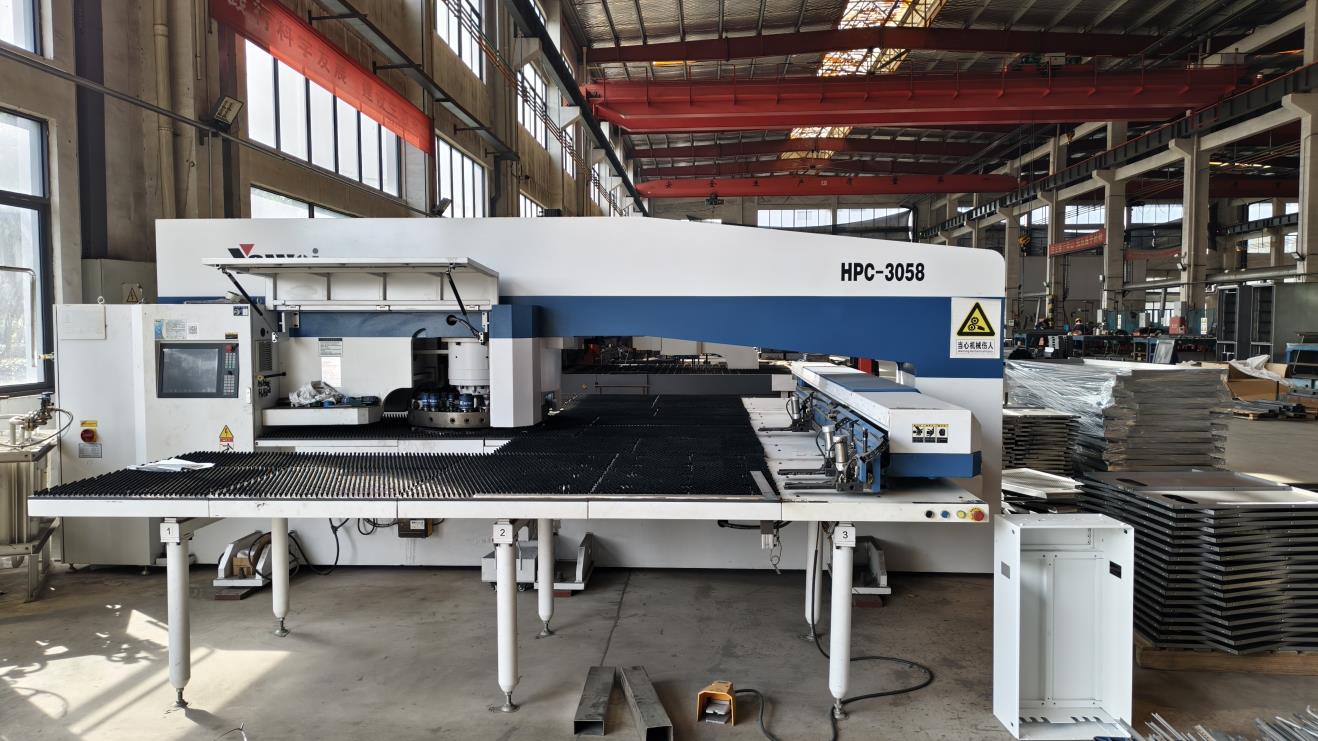
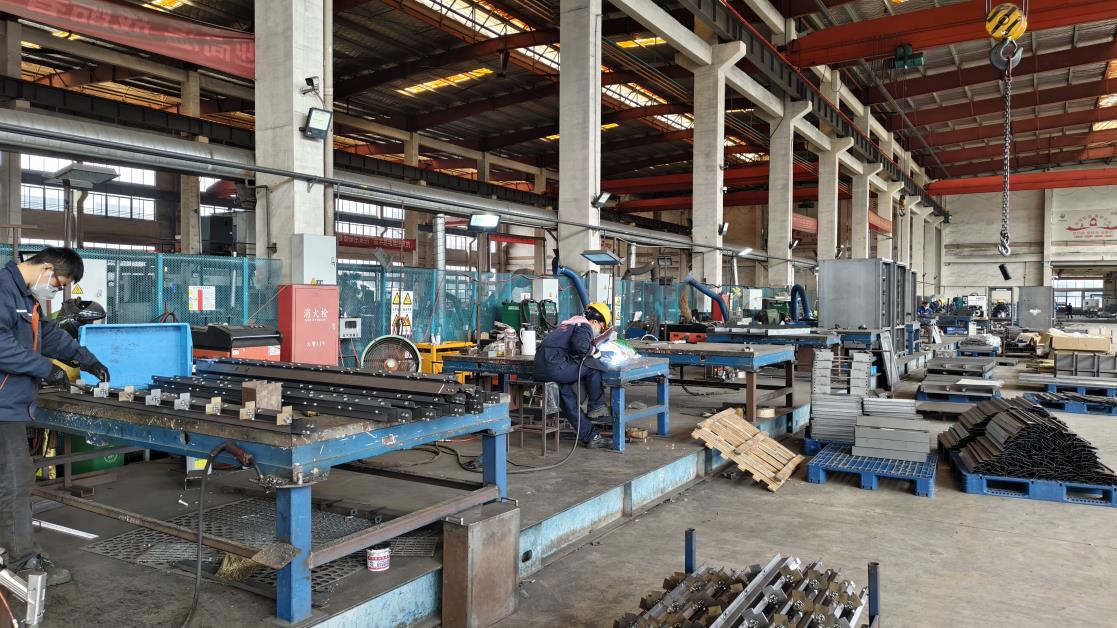
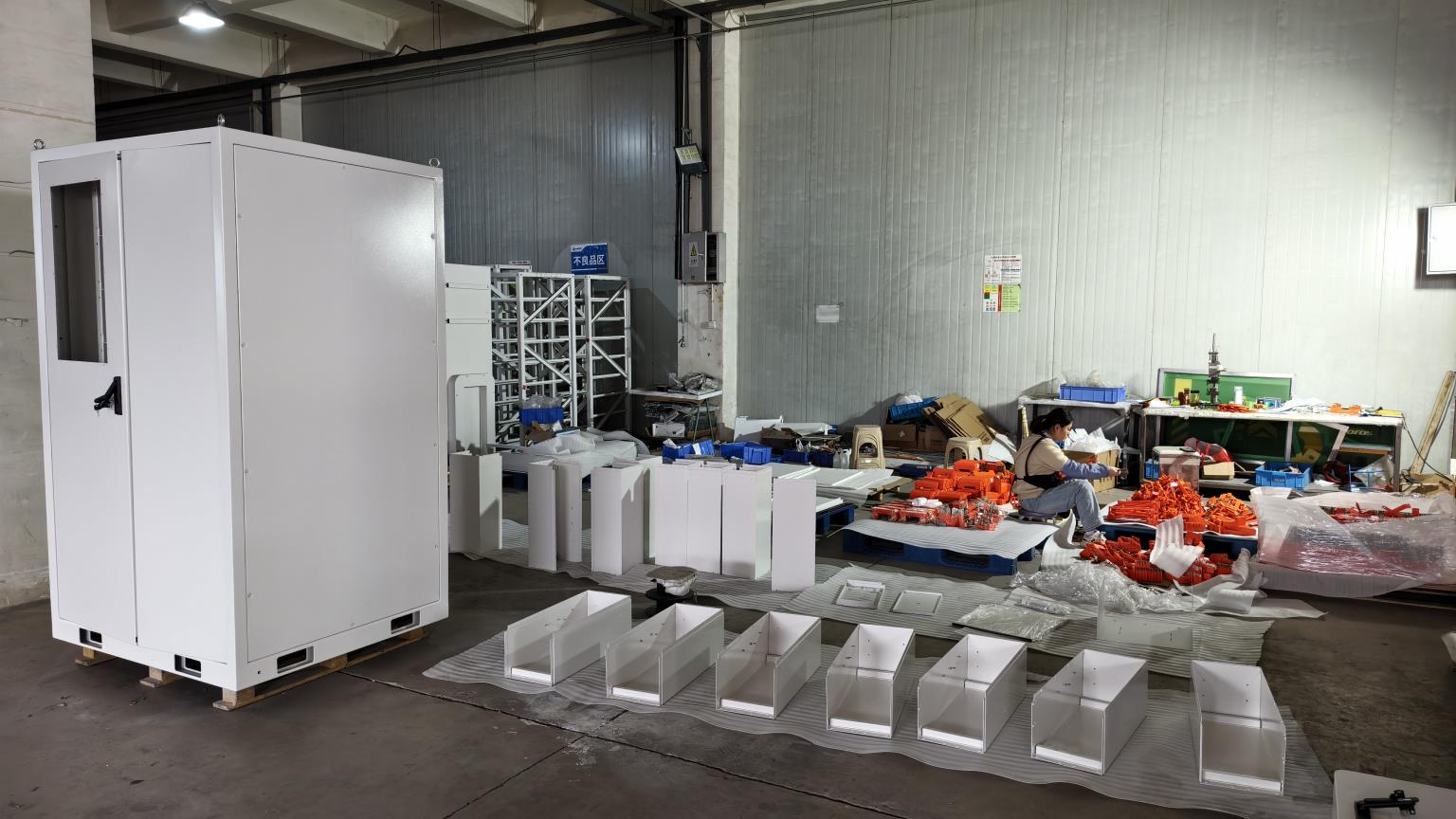
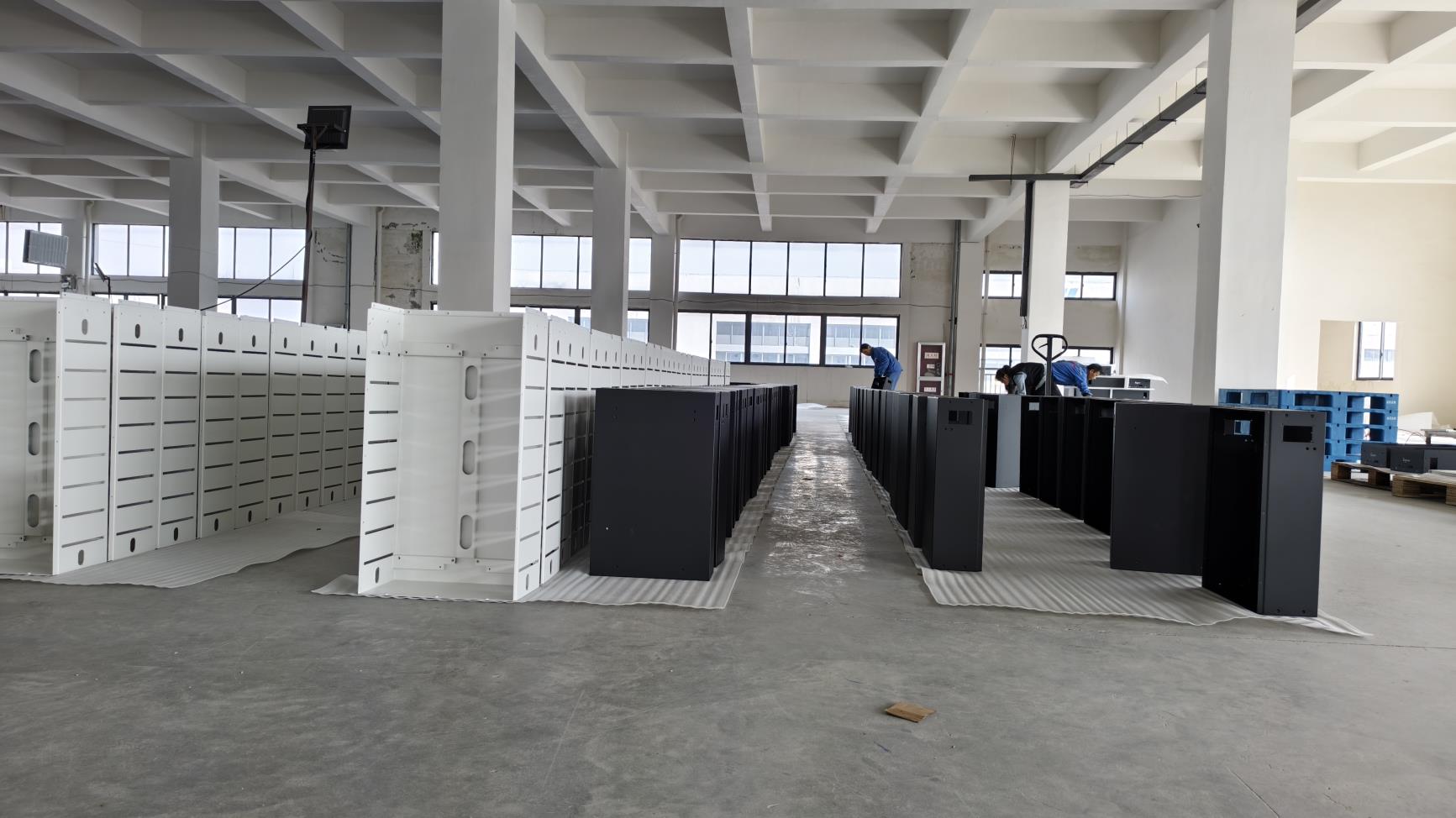
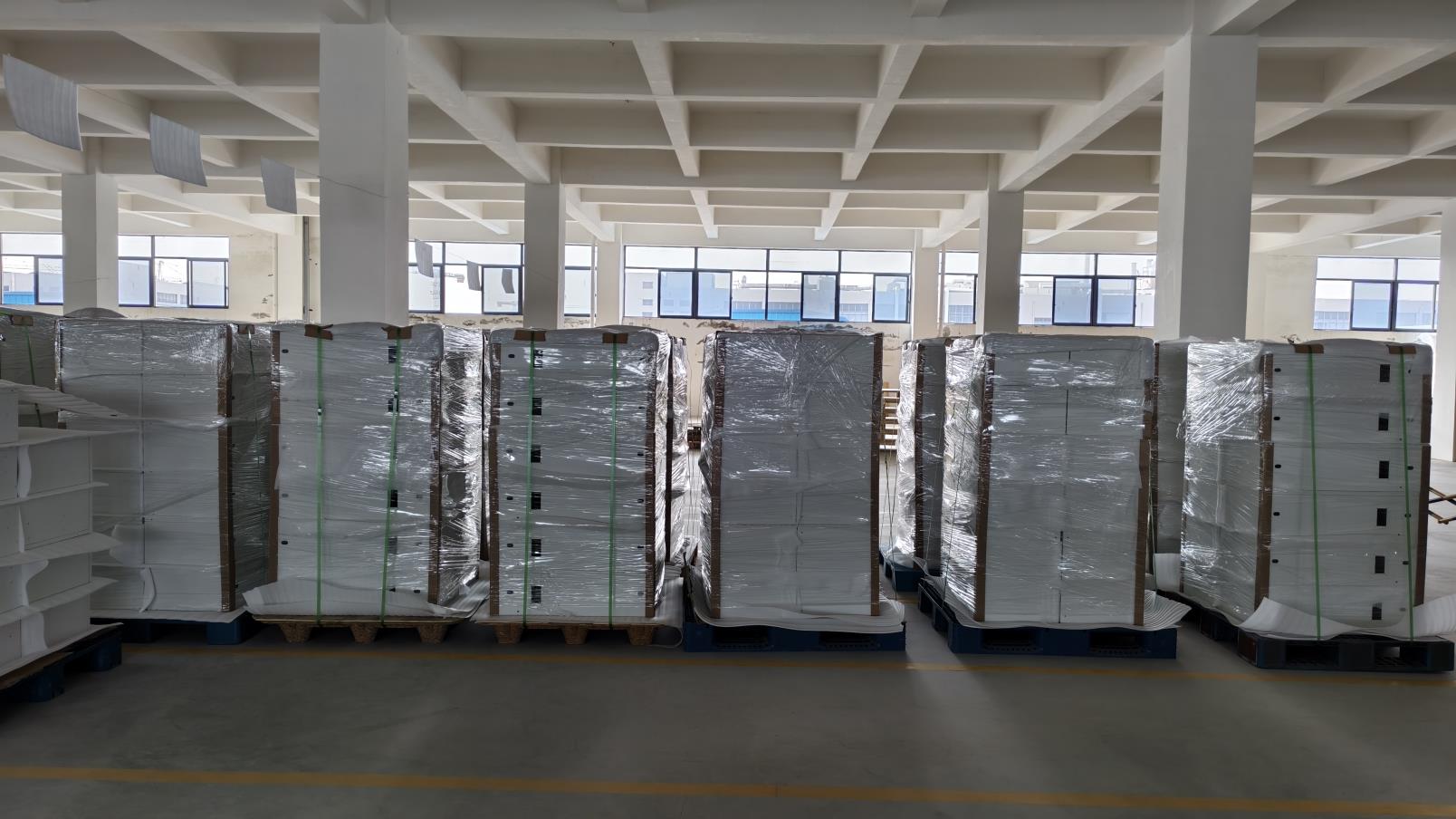
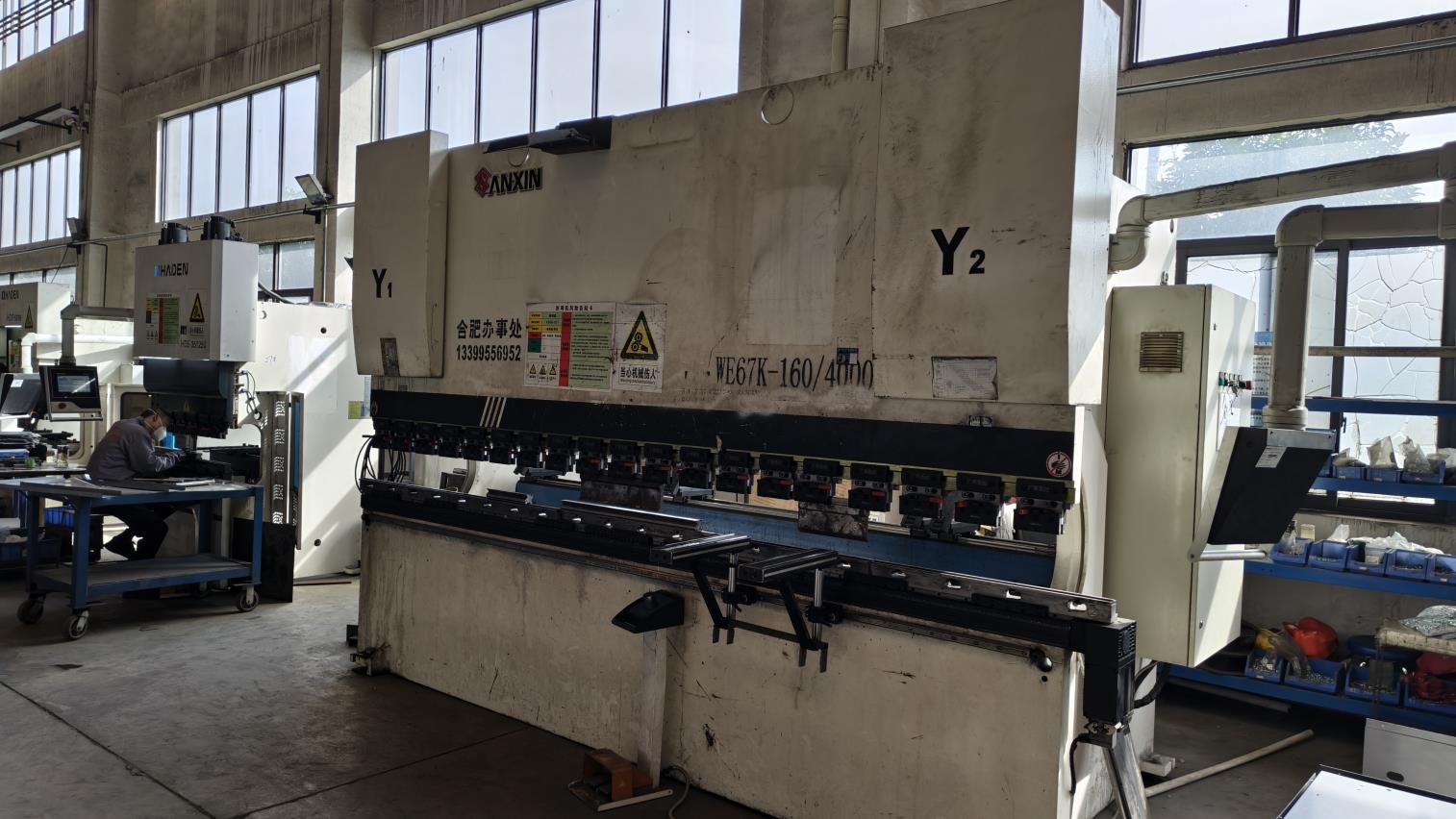
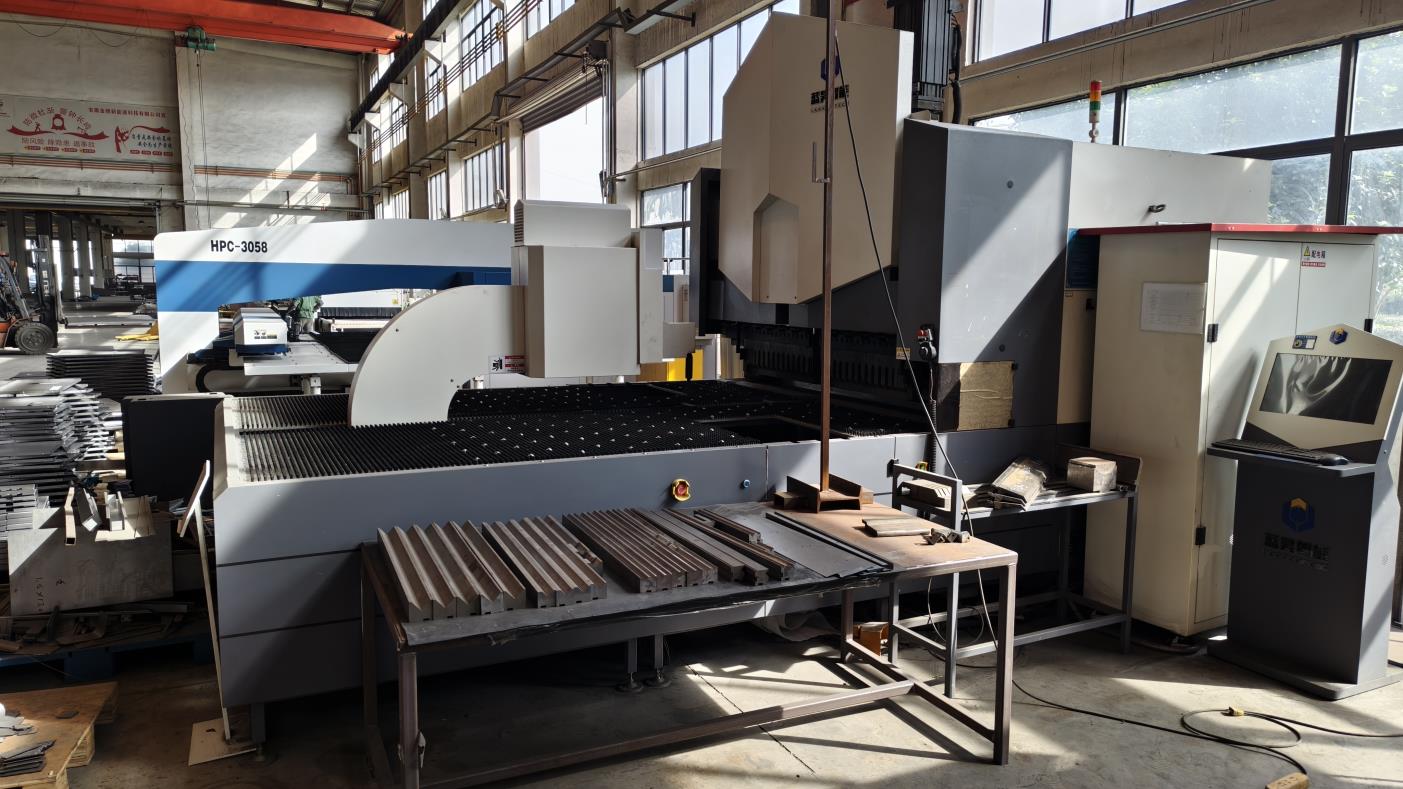
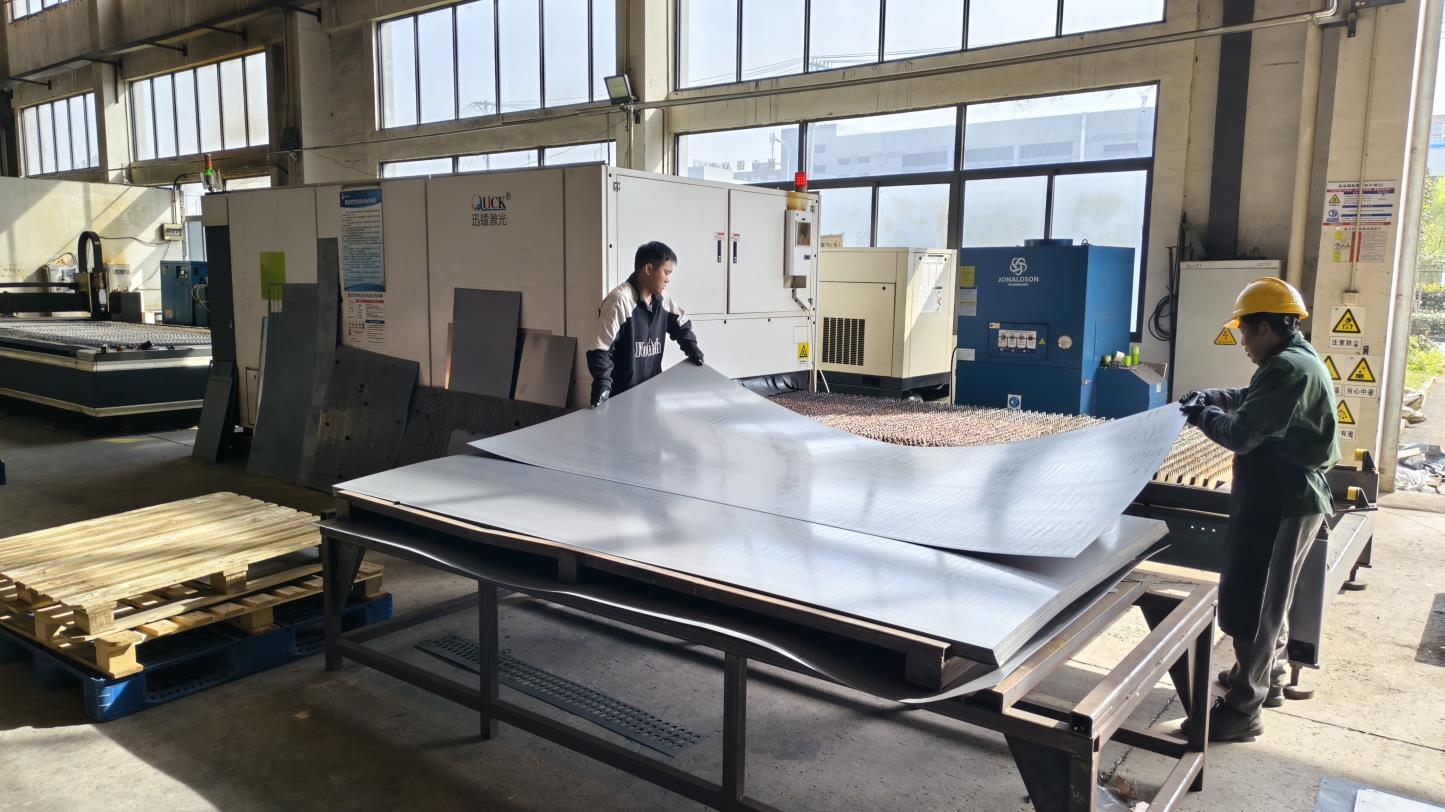
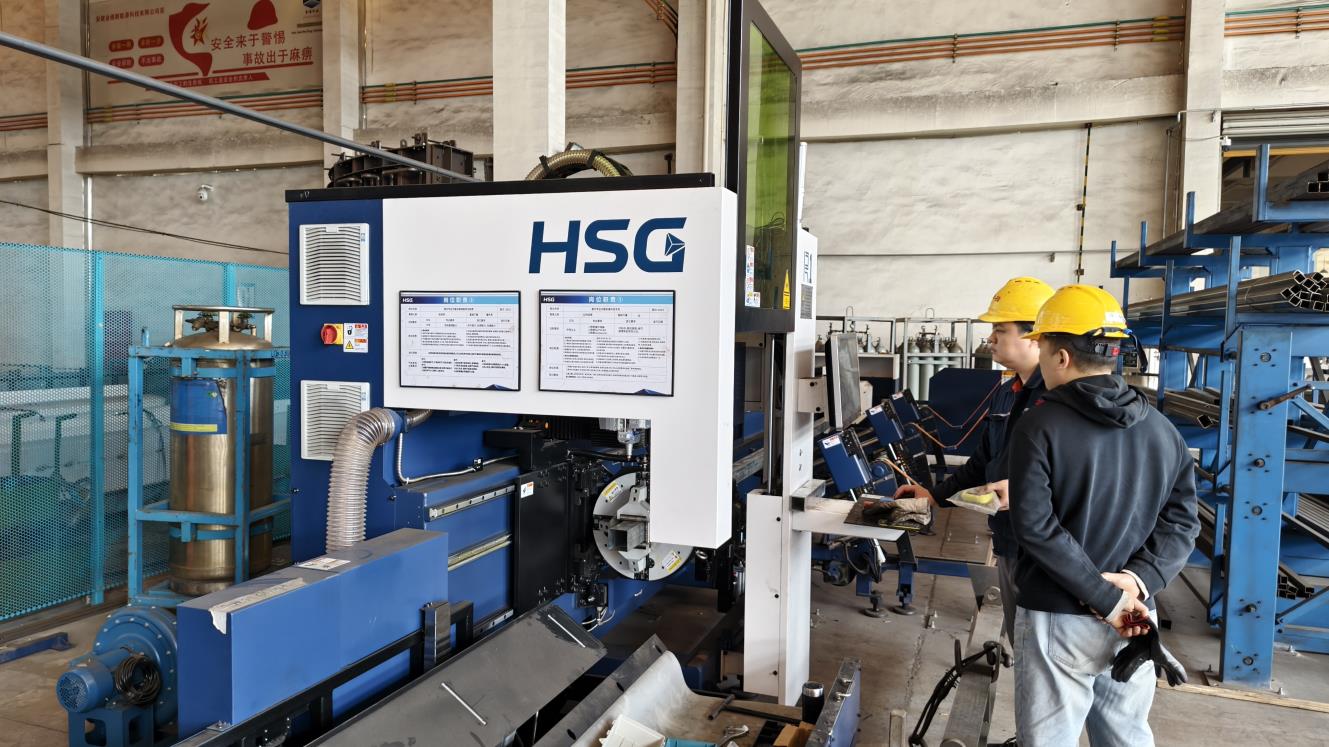
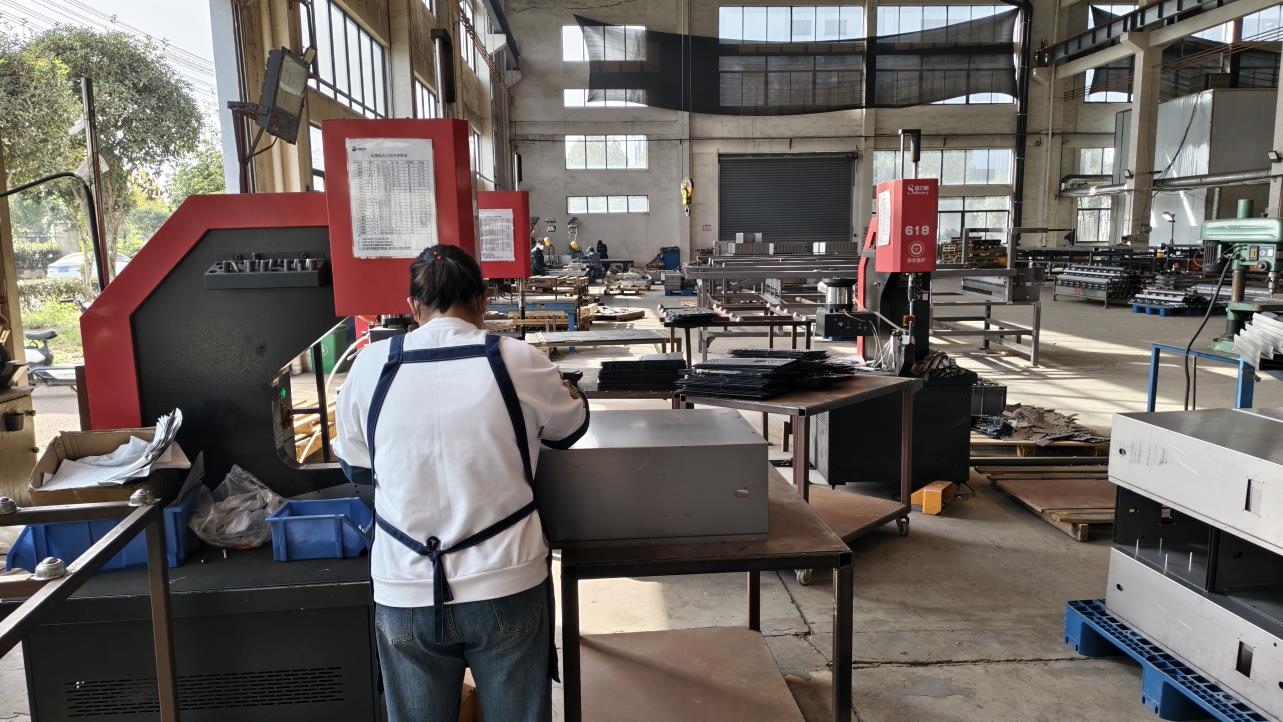
Our manufacturing facility covers an area of over 11,500 square meters and is equipped with 7 advanced production lines, more than 100 automated production machines, and a skilled workforce of over 150 employees. With strong production capacity and efficient management systems, our annual output value exceeds USD 20 million.
Phlox Energy specializes in the production of DC miniature circuit breakers (MCBs), surge protective devices (SPDs), photovoltaic fuses, solar connectors, DC isolator switches, distribution boxes, combiner boxes, and other solar power system components. Our products are widely used in residential, commercial, and industrial photovoltaic installations around the world.
Quality is at the core of everything we do. Our products are manufactured in strict accordance with international standards and have obtained certifications including CE, TUV, IEC, CB, and ISO 9001. Every product undergoes comprehensive quality inspections and rigorous testing procedures to ensure safety, reliability, and long-term performance in demanding environments.
Driven by continuous innovation, our experienced R&D team works closely with customers to develop customized solutions that meet evolving market requirements. We also provide OEM and ODM services, helping partners build competitive product portfolios and strengthen their market presence.
Having successfully participated in more than 3,900 solar energy projects worldwide, Phlox Energy has earned a strong reputation for premium product quality, competitive pricing, reliable delivery, and professional after-sales support. Our commitment to customer satisfaction and long-term cooperation has made us a trusted partner for distributors, installers, EPC contractors, and solar energy companies across the globe.
A visual tour of our production facility, showcasing CNC precision machinery, automated assembly, and strict testing stages.
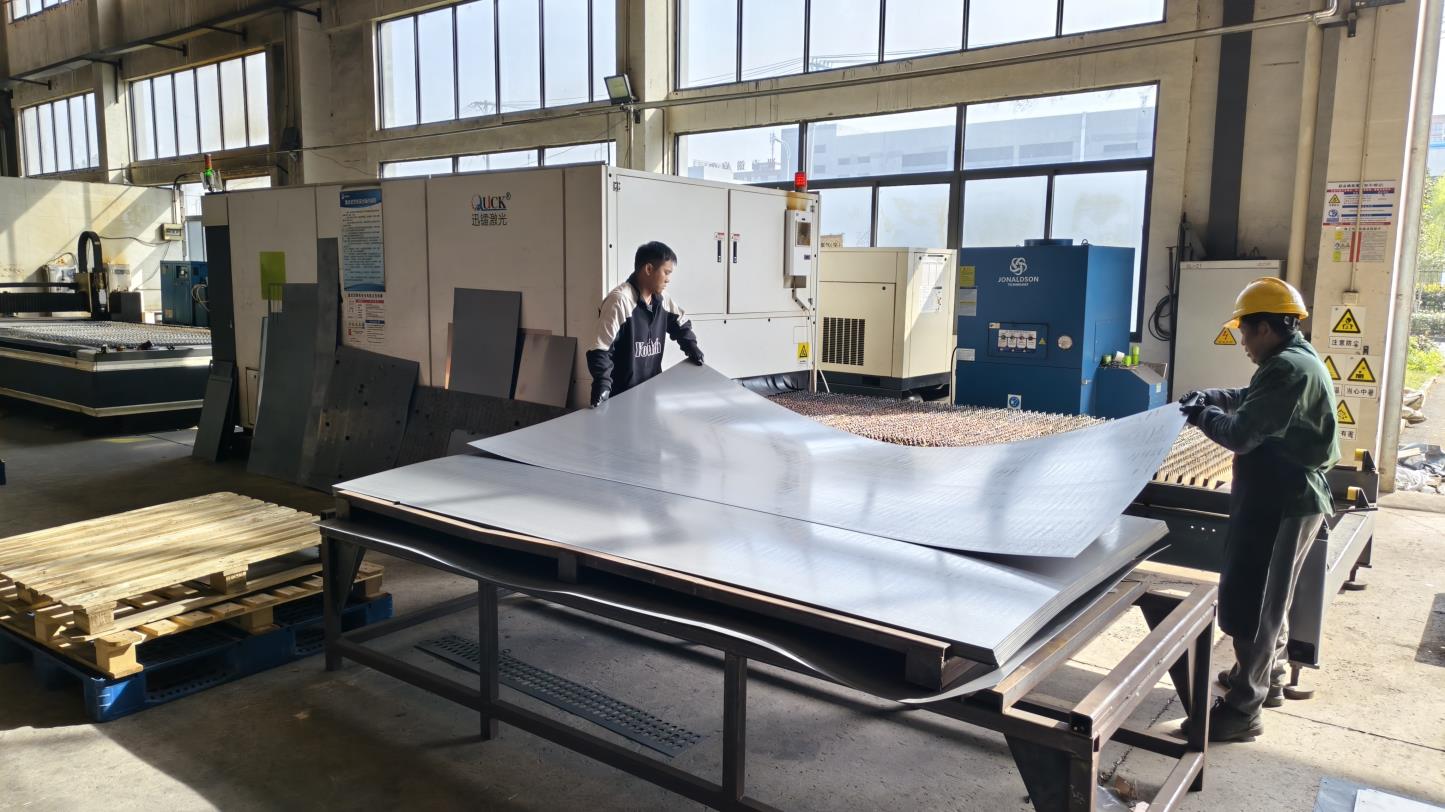
Optimizing protection schemes across various operational architectures and environmental zones.
Depending on the geographical footprint of your PV asset, different localized challenges will influence circuit-protection specifications:
Our engineering team works with EPC partners to conduct detailed protection coordination studies. Using time-current curves (I-t curves) and thermal profiling, we guarantee that our DC fuses selectively clear faulted strings without triggering nuisance trips on adjoining healthy circuits.
How we are driving innovation to match the future of utility-scale energy infrastructure.
As the solar energy market evolves towards higher integration densities and digitized monitoring, traditional passive protection systems are also transforming. Phlox Energy is currently developing the next generation of DC PV protection devices, focused on three core technological trends:
Development of fuse bases integrated with wireless micro-transmitters that monitor real-time leakage currents and thermal parameters, providing early warning alerts before a trip occurs.
Innovations in silver-copper composite element alloys to reduce internal resistance by up to 15%, lowering operational temperatures and expanding typical operational lifetimes beyond 25 years.
Transitioning to halogen-free, recyclable ceramic and polymer materials in compliance with global RoHS and REACH directives, ensuring sustainable lifecycle management.
Deep dive into specifications, sizing calculations, and installation best practices.
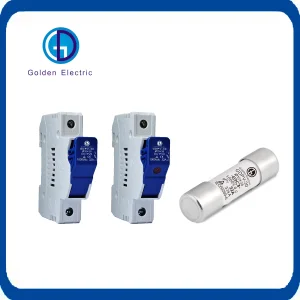
Select from our range of 1000V and 1500V cylindrical and cartridge fuses for residential, commercial, and utility-scale solar arrays.
 Phlox Energy