GFCI/AFCI Breakers: The Ultimate Technical Whitepaper for Global Infrastructure Protection

Decoupling Industrial Arc Fault Signature Analysis, Leakage Protection Standards, and Global Grid Compliance Roadmaps

1. Global Industrial & Commercial Landscape of Advanced Circuit Protection

The transition toward sustainable energy grids, combined with the exponential rise in residential electrification, commercial data processing hubs, and electric vehicle service equipment (EVSE), has elevated circuit safety requirements globally. Ground Fault Circuit Interrupters (GFCI) and Arc Fault Circuit Interrupters (AFCI) are no longer just optional protective add-ons. Instead, they constitute the baseline defense against high-impedance arc faults and low-threshold electrical currents that compromise human safety and capital assets.

In the contemporary industrial and commercial landscape, structural fires originating from low-voltage electrical faults account for billions of dollars in annual asset losses. GFCIs monitor vector current imbalances on line and neutral paths to shut down circuits before lethal current pathways pass through a human path. AFCI devices mitigate slow-developing parallel or series arcs, which generate intense localized thermal energy (often exceeding 5,000°C) without tripping standard overcurrent circuit breakers.

From a supply chain perspective, procurement departments and electrical engineers face shifting regional compliance norms. In North America, the National Electrical Code (NEC) continuously expands its mandates, forcing the convergence of GFCI and AFCI technologies into single dual-function breakers. Meanwhile, European markets focus heavily on Arc Fault Detection Devices (AFDDs), governed by the strict standards of IEC 62606. This divergent landscape demands that suppliers and manufacturers maintain highly adaptive production matrices capable of delivering DIN-rail, plug-in, and bolt-on designs for distinct grid topologies.

2. Comparative Technical Dynamics: GFCI vs. AFCI vs. AFDD

Developing reliable circuit protection requires clear mechanical and digital segregation between the sensing architectures of Ground Fault and Arc Fault protection. Understanding these differences prevents installation errors and ensures optimal product selection:

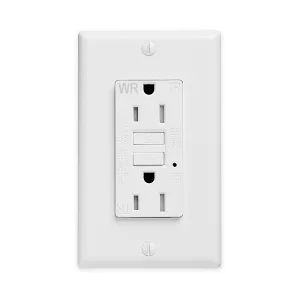
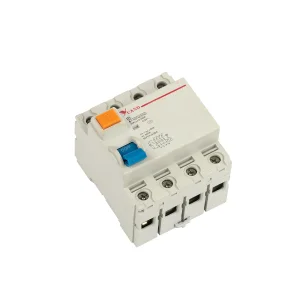
  • Ground Fault Circuit Interrupters (GFCI): These devices operate primarily via differential current sensing. Inside the breaker or receptacle, a toroidal differential current transformer monitors the current balance between the hot (active) and neutral conductors. Under normal operation, the vector sum of currents equals zero. If current leaks to ground (e.g., through damaged insulation or human contact), a sensor winding detects the residual current. GFCIs typically trip within 25 milliseconds when leakage levels hit 4mA to 6mA (Class A devices under UL 943).
  • Arc Fault Circuit Interrupters (AFCI): Unlike GFCIs, which react to current magnitude leakage, AFCIs detect complex high-frequency wave distortions. When an arc occurs (either parallel between two conductors or series along a single broken wire), it displays specific electrical signatures. Standard thermal-magnetic breakers ignore these low-current arcs because they do not exceed the circuit's rated current capacity. AFCIs use a microcontroller-driven digital signal processor (DSP) to analyze high-frequency current patterns and voltage drops. They identify the "flat-topping" signature of arc waveforms and immediately trip, mitigating fire risks.
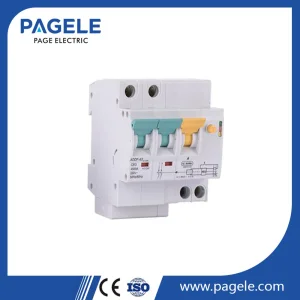
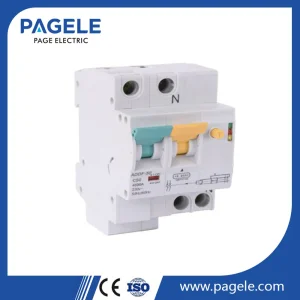
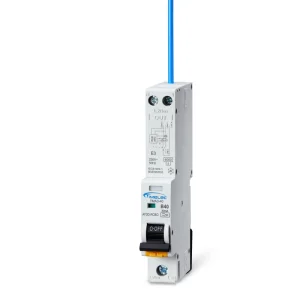
  • Arc Fault Detection Devices (AFDD): Primarily utilized in IEC-compliant systems, AFDDs combine arc fault detection algorithms with MCB (miniature circuit breaker) and RCBO (residual current breaker with overcurrent protection) technologies. This multi-layered approach satisfies the stringent requirements of standard IEC/EN 62606.

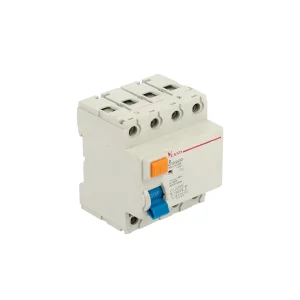
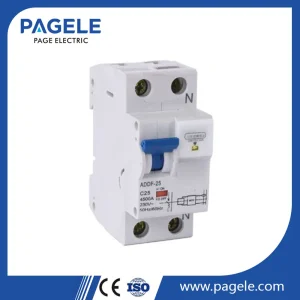
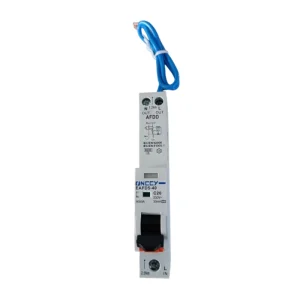
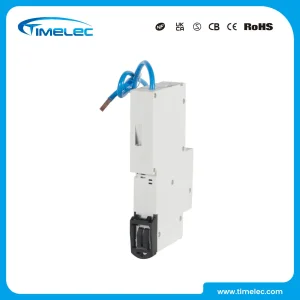
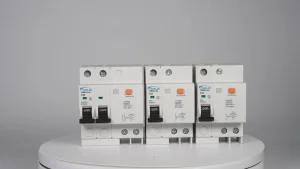
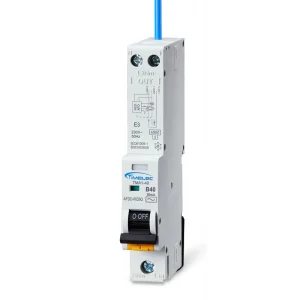
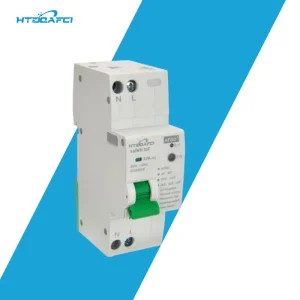
Integrating these detection methods into dual-function breakers (such as the Yd 20A AFCI/GFCI) requires advanced PCB miniaturization and noise filtering. These enhancements prevent false trips caused by common household appliances (like vacuum cleaners, brush motors, and switching power supplies).

Empirical Metrics

Industrial Supply & Engineering Scale

Quantifiable production capabilities and global engineering footprints backing our circuit protection portfolio.

11,500+
Mfg Facility (Sq. Meters)
3,900+
Completed Global Projects
$20M+
Annual Industrial Output Value
7 Lines
Advanced Assembly Arrays

3. Regional Regulatory Compliance: NEC vs. IEC Frameworks

Navigating international safety certifications is a critical requirement for EPC contractors and industrial distributors. The safety criteria for GFCI/AFCI devices differ significantly depending on the target region:

  • North American Standards (UL 943 & UL 1699): Under the NEC, GFCI requirements cover single-phase and three-phase circuits in damp or wet locations, commercial kitchens, and outdoor environments. In contrast, AFCI is mandated under NEC Section 210.12 for almost all residential branch circuits. UL 943 defines Class A GFCIs, requiring them to trip within 25ms at a 4-6mA ground fault threshold. UL 1699 governs AFCI safety, defining rules for series, parallel, and branch/feeder detection.
  • European & International Standards (IEC/EN 62606 & IEC 61009-1): The European Committee for Electrotechnical Standardization mandates AFDDs under EN 62606. This standard applies to circuits in bedrooms, care facilities, and high-value storage areas. Meanwhile, ground fault protection is managed by RCBOs (governed by IEC 61009-1), with typical leakage trip levels set at 30mA for general life safety.

Phlox Energy designs customizable MCBs, RCBOs, and AFDDs with flexible tripping characteristics (B, C, and D curves). This versatility ensures compliance with various local grid rules, whether targeting residential developments in North America or commercial spaces across the EU.

4. Technological Roadmap: IoT-AFDD, AI Signature Models & Next-Gen Solid State Switching

Traditional electrical mechanical relays are approaching their physical limits. Future technology roadmaps focus on integrating IoT, cloud data management, and solid-state silicon components to create faster, smarter devices:

  • IoT-Enabled Telemetry & Diagnostics: Modern smart breakers, such as the Safeh IoT-AFDD series, feature integrated communication chips (Wi-Fi, Zigbee, or Modbus). These networks allow remote monitoring of circuit status, real-time leakage levels, and load profiling. This data enables predictive maintenance, helping plant operators identify deteriorating insulation before a critical failure occurs.
  • AI-Assisted Arc Discrimination: Nuisance tripping has historically plagued AFCI performance. Modern designs solve this issue by using integrated neural networks. Microprocessors run continuous Fast Fourier Transform (FFT) analysis on waveforms. By comparing real-time profiles with databases of known arc patterns, the breaker can distinguish between a harmless brush motor spark and a dangerous, slow-burning parallel arc.
  • Solid-State Silicon Breakers: Incorporating high-power MOSFETs and Wide Bandgap semiconductors (SiC/GaN) allows circuit interruption times to drop from milliseconds to microseconds. This rapid response virtually eliminates physical arc flash hazards, redefining circuit safety metrics.

5. Macro-Industry Solutions: Photovoltaic Protection, EV Chargers, and Utility Infrastructures

The global shift toward renewable energy requires specialized protective devices that can handle harsh outdoor operating conditions:

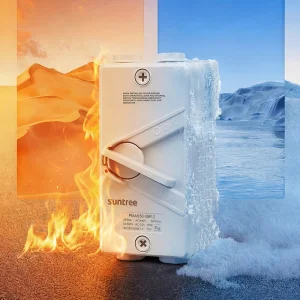
  • Utility-Scale PV Solar Installations: Solar energy installations generate high-voltage DC electricity. These systems are prone to DC arc faults caused by degraded solar panels, rodent damage, or loose connections. Meeting these demands requires robust PV fuses (rated up to 1000V DC) and specialized DC isolator switches. These devices must be housed in IP66-rated enclosures to withstand harsh, high-ambient environments.
  • EV Charging Infrastructure (EVSE): Charging points require Type B RCCBs or dedicated leakage detection modules. These sensors must detect smooth DC fault currents (typically above 6mA) and standard AC leakage, preventing blind spots on upstream safety devices.
  • Smart Commercial Buildings: Incorporating DIN-rail multi-channel AFDD/RCBO units helps developers meet local building codes, secure safety certifications, and reduce insurance premiums.
Manufacturing Excellence

Inside Wenzhou Phlox Energy Co., Ltd.

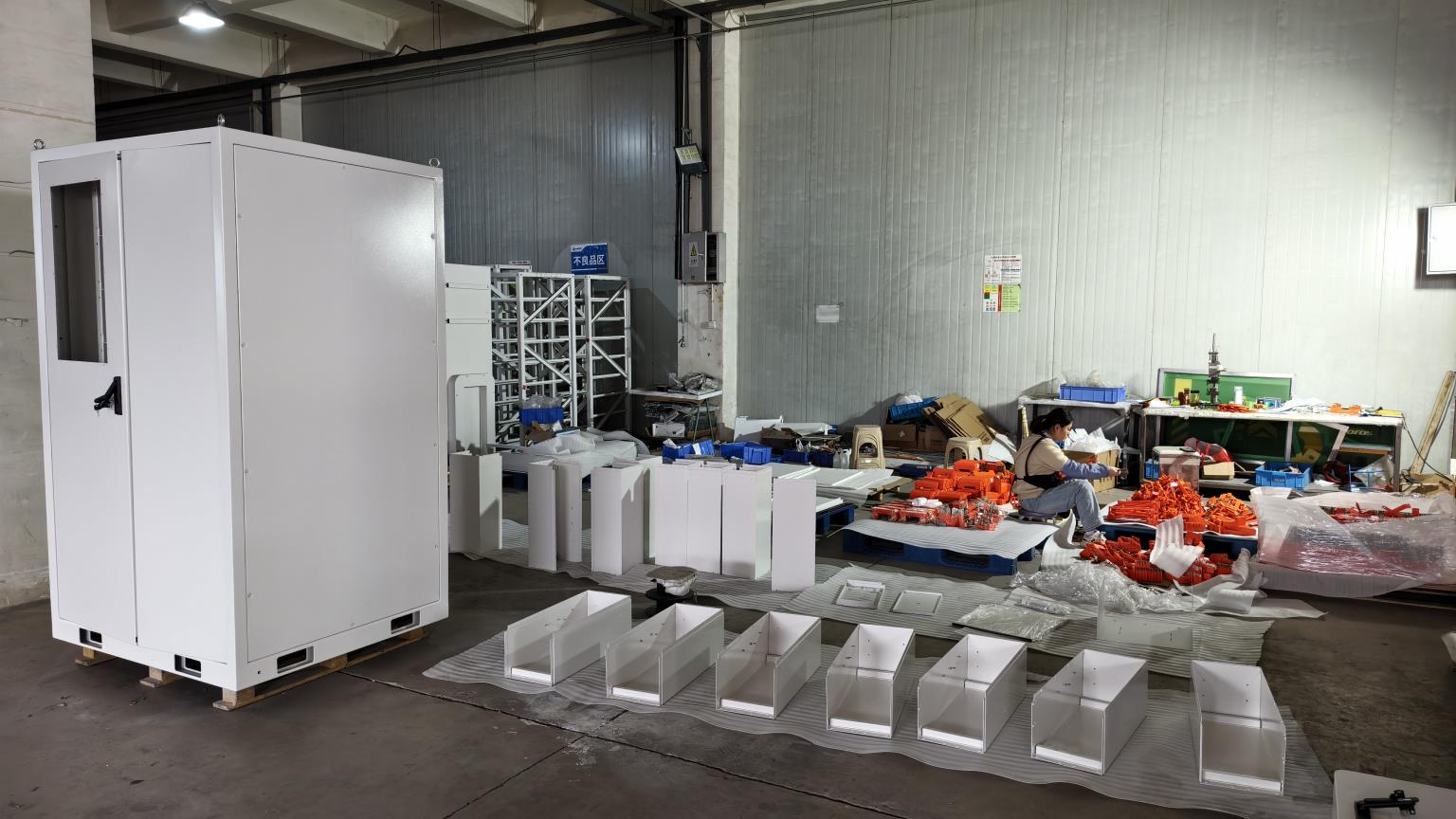
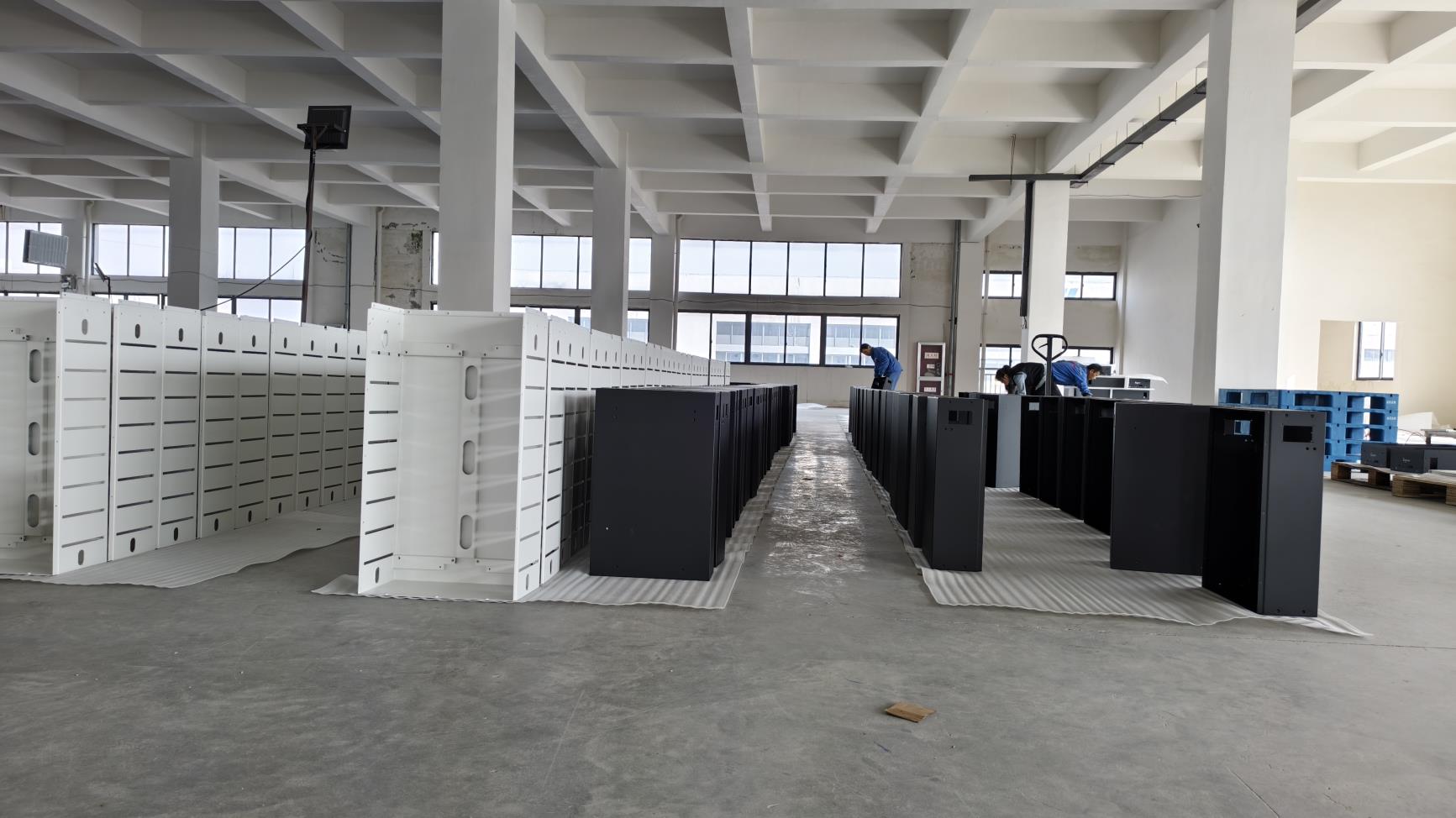
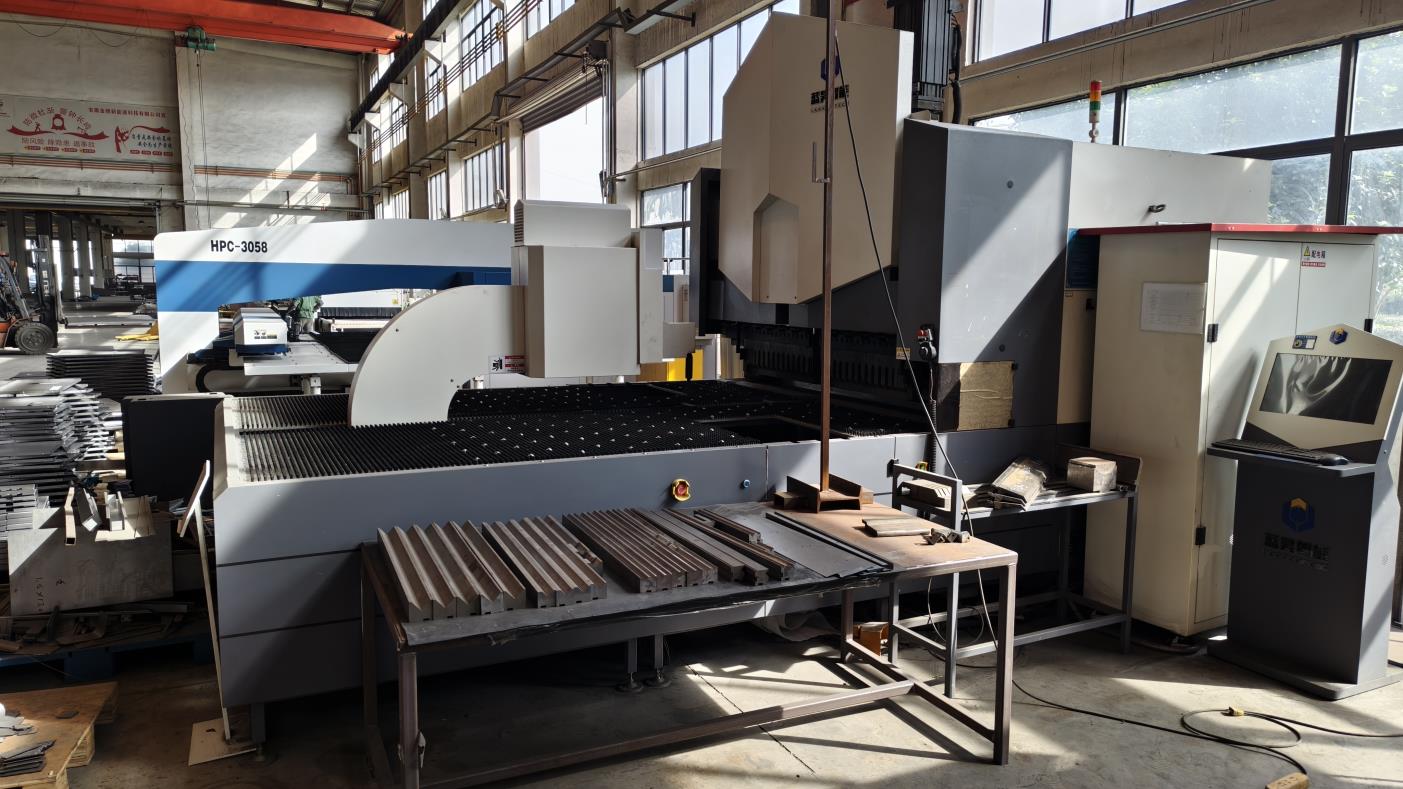
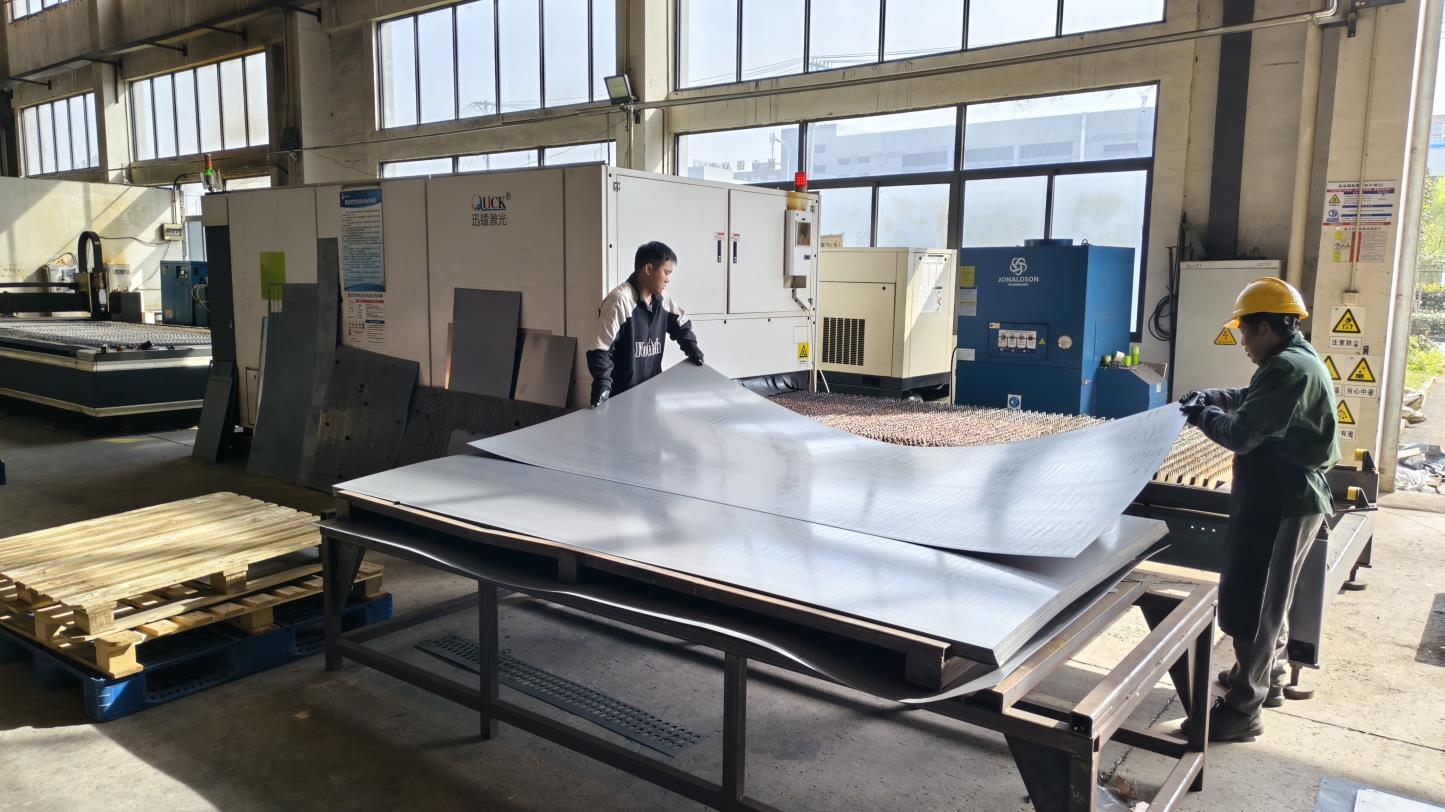
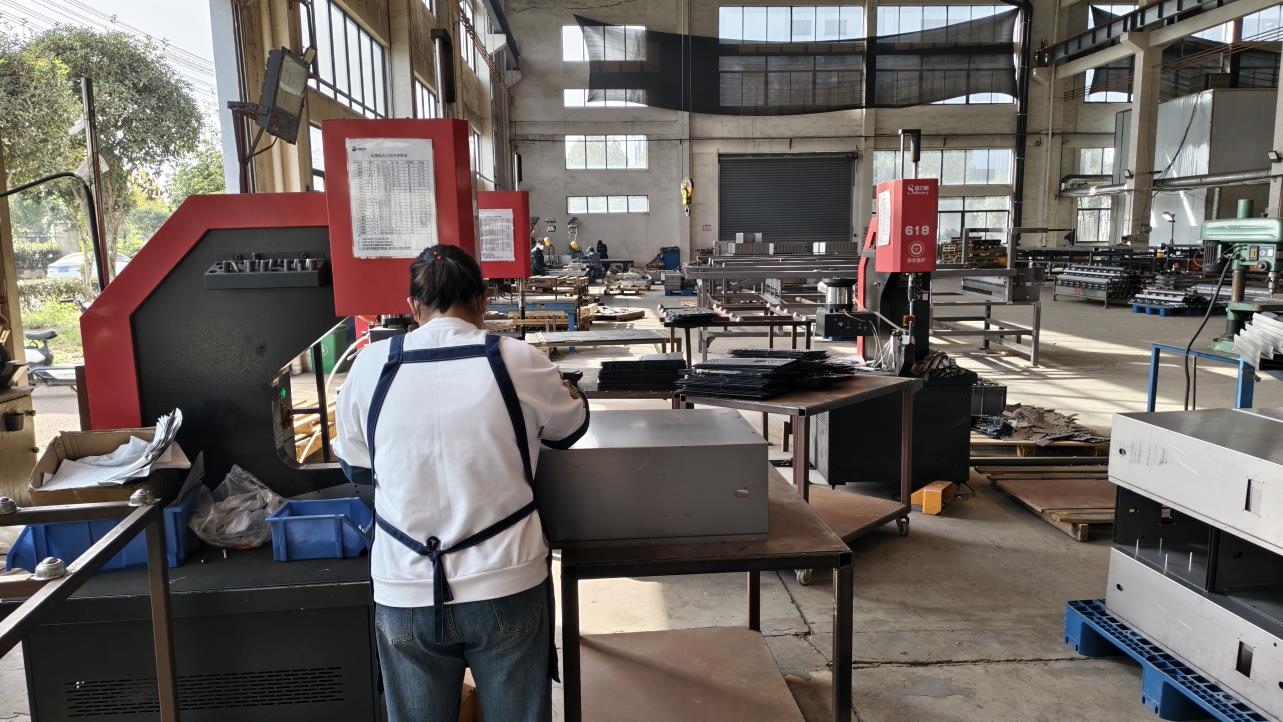
State-of-the-art facility featuring 7 automated lines, precision metal fabrication, and comprehensive quality control processes.

Wenzhou Phlox Energy Co., Ltd. is a professional manufacturer and supplier specializing in solar photovoltaic protection and electrical connection solutions. With more than 10 years of industry experience, we are dedicated to the research, development, production, and innovation of high-quality solar accessories and low-voltage electrical products for global renewable energy markets.

Our manufacturing facility covers an area of over 11,500 square meters and is equipped with 7 advanced production lines, more than 100 automated production machines, and a skilled workforce of over 150 employees. With strong production capacity and efficient management systems, our annual output value exceeds USD 20 million.

Phlox Energy specializes in the production of DC miniature circuit breakers (MCBs), surge protective devices (SPDs), photovoltaic fuses, solar connectors, DC isolator switches, distribution boxes, combiner boxes, and other solar power system components. Our products are widely used in residential, commercial, and industrial photovoltaic installations around the world.

Quality is at the core of everything we do. Our products are manufactured in strict accordance with international standards and have obtained certifications including CE, TUV, IEC, CB, and ISO 9001. Every product undergoes comprehensive quality inspections and rigorous testing procedures to ensure safety, reliability, and long-term performance in demanding environments.
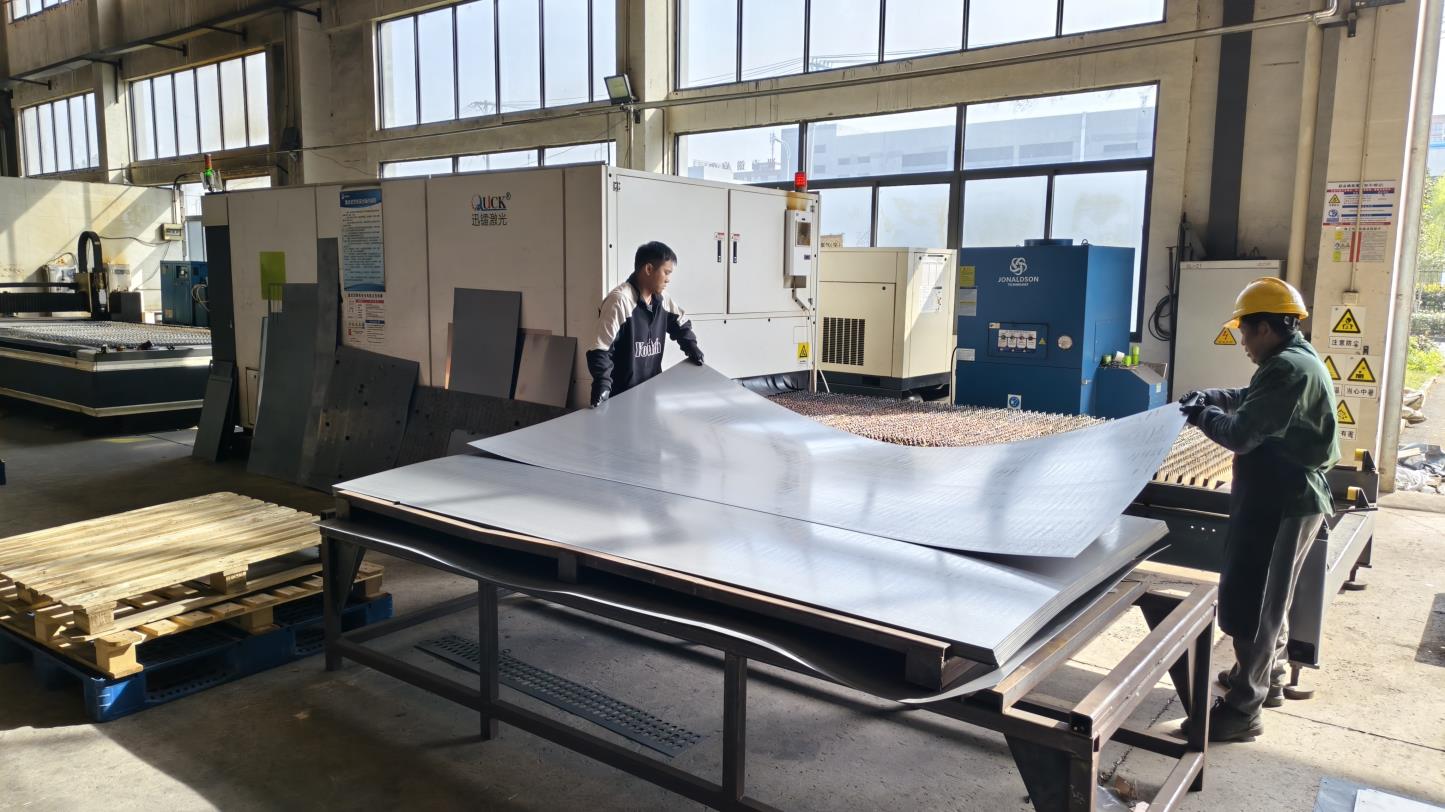
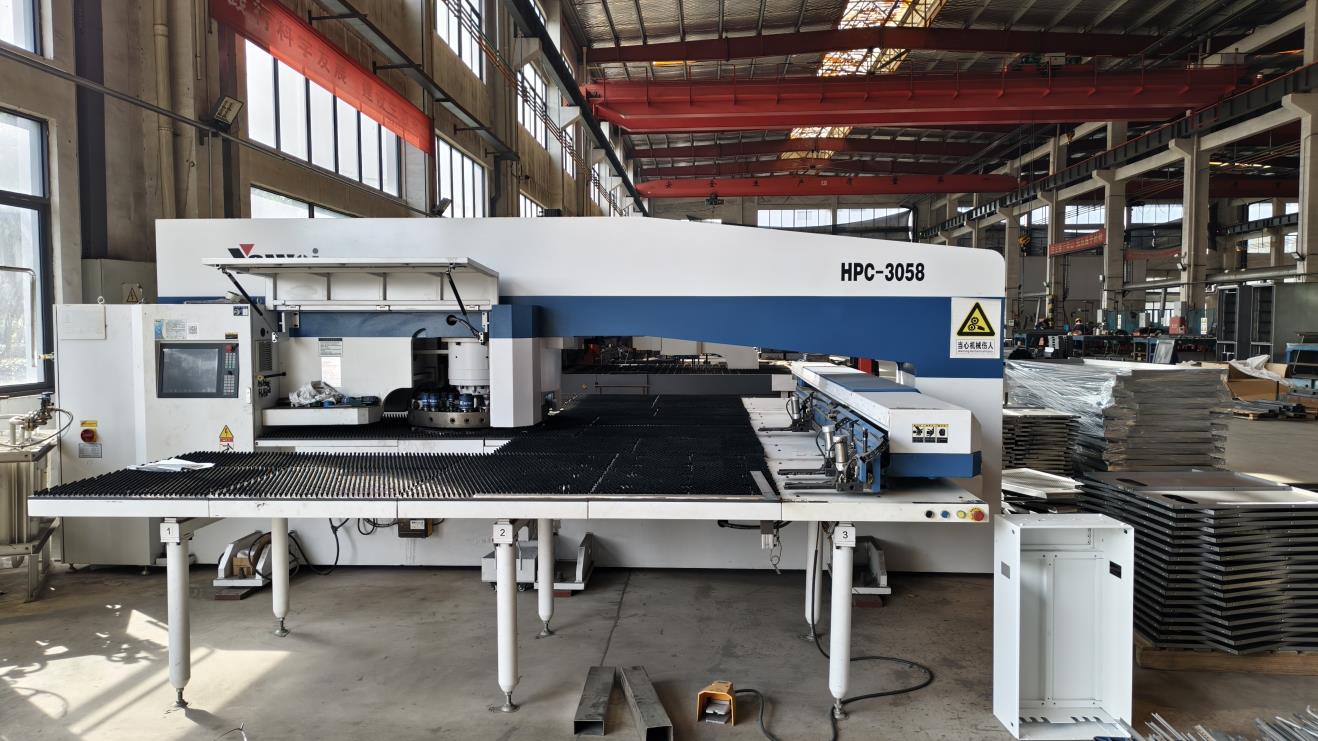
Laser Cutting Production Line
Laser Cutting
Metal Bending Operations
Bending
Robotic and Manual Welding
Welding
Device Assembly Station
Assembling
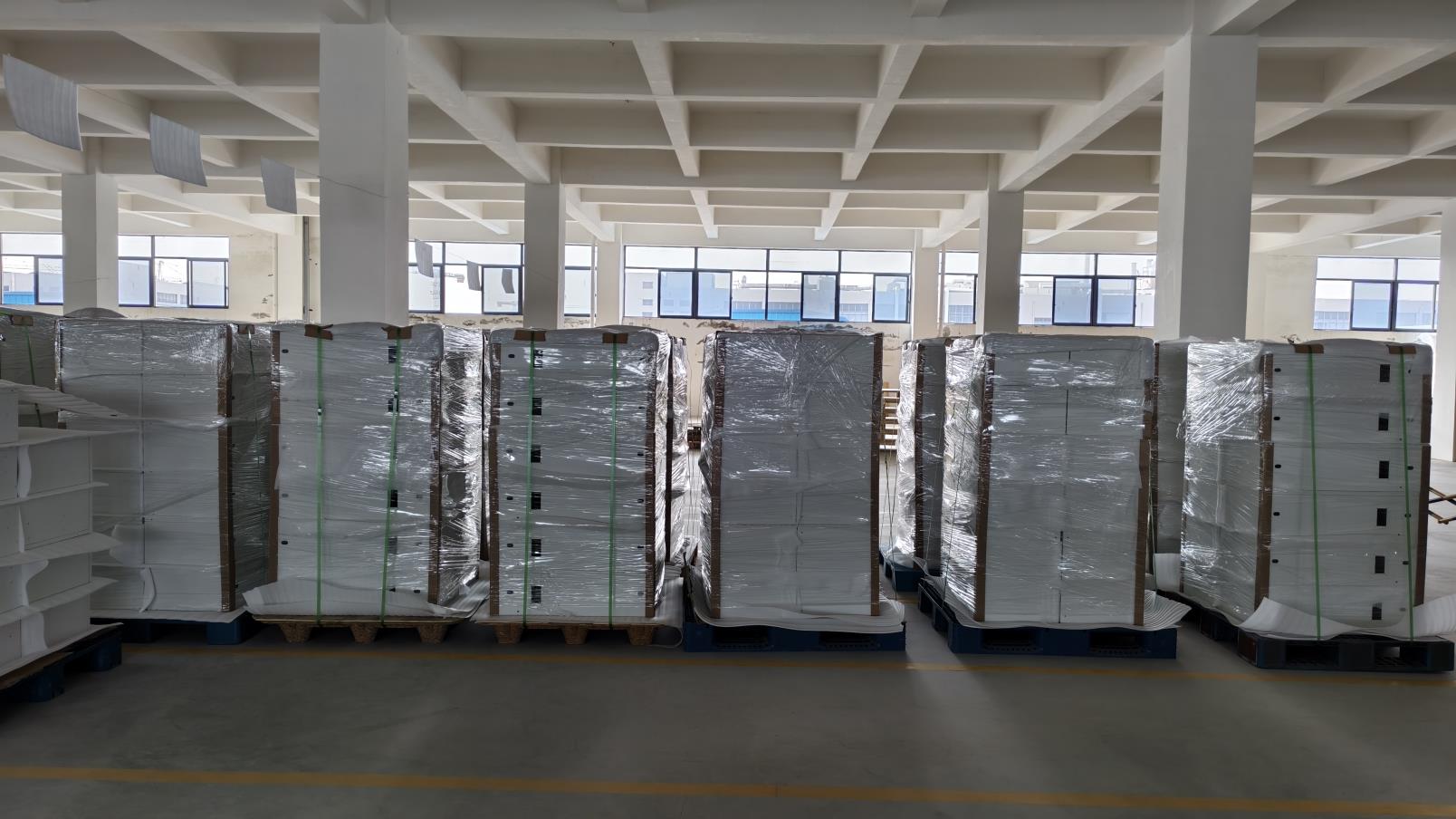
Safe Packaging Department
Packing
Finished Product Warehouse
Warehouse
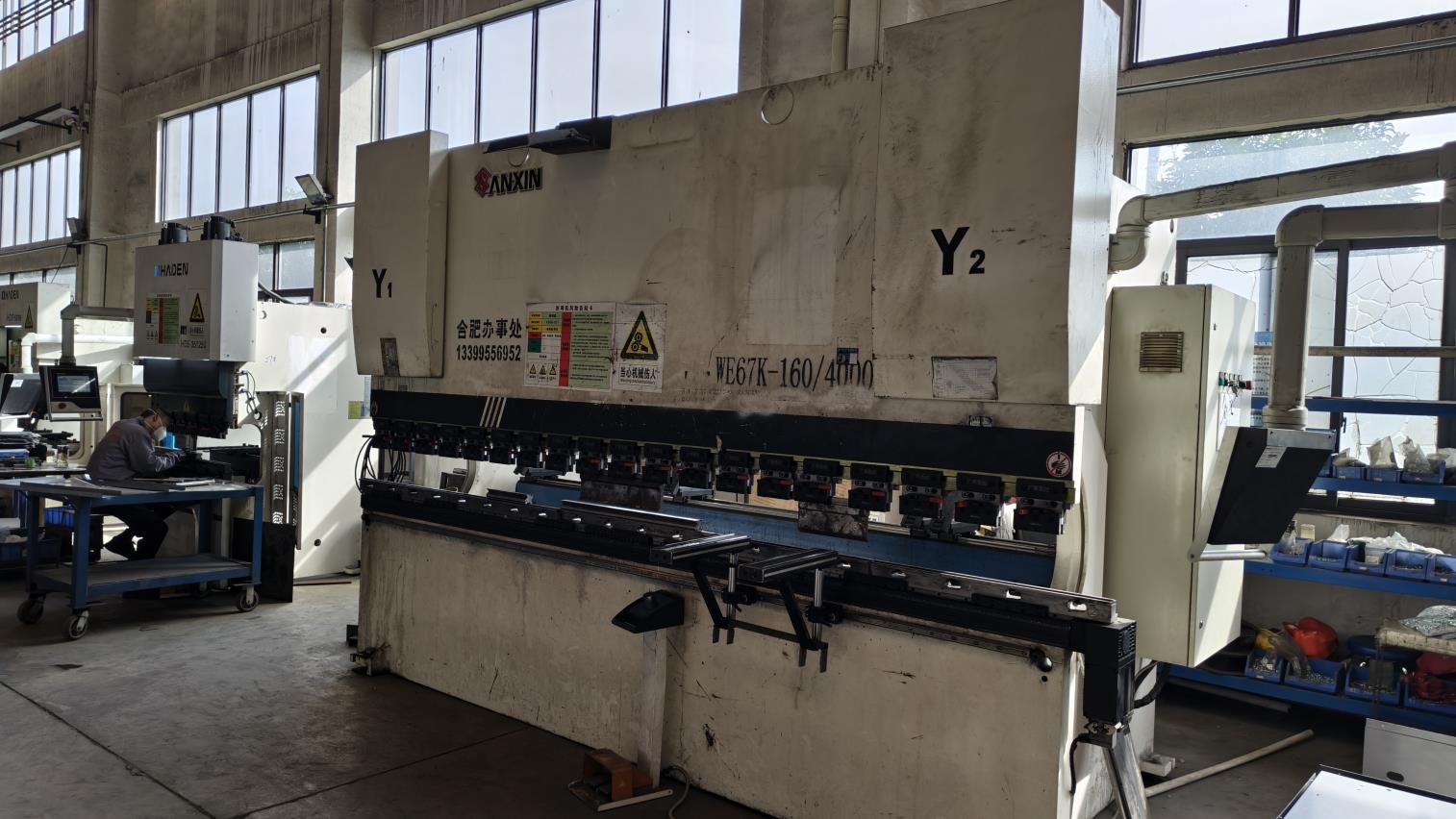
High Precision Bending Machine
Bending Machine
CNC Bending Station
CNC Bending Machine
Laser Cutting Machine
Laser Tube Cutting System
Laser Tube Cutting Machine
Riveting Production Machine
Riveting Machine
Knowledge Base

Engineering Reference & Q&A

Technical answers resolving common industry, regulatory, and mechanical integration queries.

Q1: What are the main causes of nuisance tripping in AFCI devices, and how do modern algorithms prevent it?
Nuisance tripping in AFCI systems is typically caused by high-frequency noise generated by brush motors (e.g., in vacuum cleaners) or voltage/current fluctuations from switching power supplies. Phlox Energy resolves this issue by integrating neural-network-based microprocessors into our breakers. These microcontrollers run continuous wave analysis, comparing transient signals against a signature database to distinguish between safe appliance operations and dangerous series or parallel arc faults.
Q2: How do compliance requirements differ between UL 943 (North America) and IEC 62606 (Europe)?
UL 943 governs Class A GFCI devices in North America, requiring them to trip within 25ms at a 4-6mA ground fault threshold. In contrast, European IEC 62606 standards focus on Arc Fault Detection Devices (AFDDs) paired with RCBOs (IEC 61009-1). These European configurations typically set leakage tripping thresholds at 30mA for general life safety, prioritizing system stability while still protecting personnel.
Q3: Can AFCI and GFCI protections be integrated into a single device?
Yes. Dual-Function Circuit Breakers (such as the Yd 20A model) combine both protective technologies into a single housing. These devices use a differential current transformer to monitor ground leakage, while an onboard digital signal processor (DSP) continuously analyzes circuit waveforms to detect high-frequency arc fault signatures.
Q4: Why are standard thermal-magnetic breakers unable to protect against series and parallel arc faults?
Standard thermal-magnetic breakers trip when current draw exceeds their rated limits (e.g., during short circuits or overloads). However, series and parallel arc faults are high-impedance events that restrict current flow, keeping it well below the breaker's trip threshold. These faults still generate intense heat (up to 5,000°C), creating significant fire hazards. Only AFCI devices, with their electronic waveform analysis, can detect and interrupt these low-current faults.
Q5: What are the key installation requirements for IP66 waterproof DC isolator switches in utility-scale PV systems?
Outdoor PV installations must endure extreme temperatures and moisture. Isolator switches require an IP66 rating to prevent water ingress. They must also be rated to handle high DC voltages (up to 1000V DC) and feature UV-resistant enclosures to ensure long-term reliability and safety.
Q6: Does Wenzhou Phlox Energy provide custom solutions (OEM/ODM) for global distributors?
Yes. Supported by our 11,500-square-meter manufacturing facility, advanced CNC machinery, and dedicated R&D team, we offer comprehensive OEM and ODM services. We customize tripping characteristics, label designs, and enclosure sizes to meet the specific grid standards of your target market.
All GFCI/AFCI Breakers Products