Explore our highly certified product range designed for rigorous overcurrent protection in automotive, solar, and marine applications.
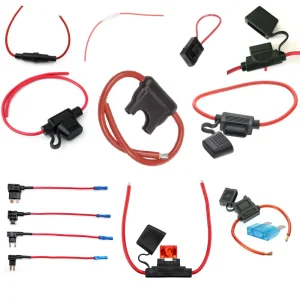
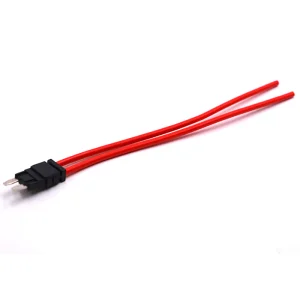
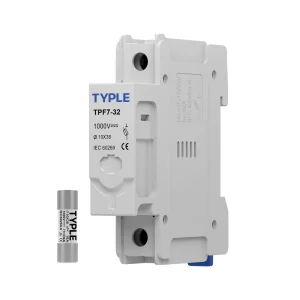
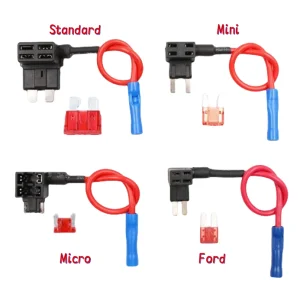
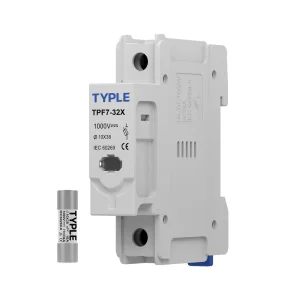
Unveiling the critical demands of circuit protection in the era of renewable energy transformation and electronic system complexity.
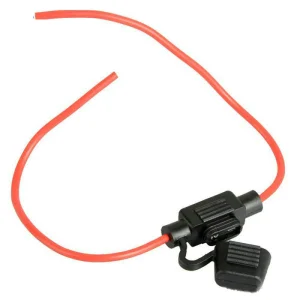
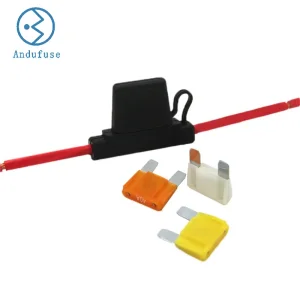
In the modern electrical and electronics paradigm, circuit protection is not merely a safety mechanism; it is the cornerstone of system reliability, operation continuity, and safety lifecycle management. As industrial networks evolve toward higher voltages, smart grids, electrification of transport, and utility-scale solar installations, the **inline fuse holder** stands out as a critical, space-saving protection component. Unlike traditional panel-mounted options or DIN rail boxes, inline fuse holders offer target-specific protection, direct electrical isolation within wire runs, and localized fault isolation to protect expensive downstream electronics.
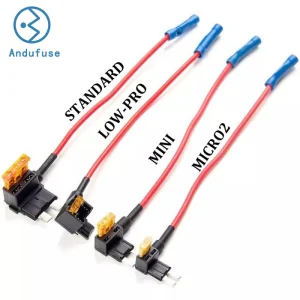
Globally, the market for circuit protection has witnessed unprecedented shifts. Standard configurations like ATC/ATO, mini, micro, and maxi automotive blade fuses are transitioning from low-voltage automotive setups to complex, multi-layered renewable arrays, telecom power bases, and off-grid electrical units. The demands of modern commercial and industrial clients focus extensively on environmental resilience (IP67/IP68 rating), thermal capability (retaining elasticity under continuous load), mechanical longevity, and standard global compliance (UL, TUV, CE, IEC). High-current and high-voltage DC configurations, particularly those operating at 1000V DC and 1500V DC, have seen massive growth to support localized string protection in utility-scale solar PV sites.
A deep look into the structural design, raw materials, and high-frequency electrical parameters of inline fuse holders.
An inline fuse holder's capability to protect circuits effectively under intense ambient and current loads depends entirely on its engineering blueprint. From a metallurgical and polymer perspective, the selection of raw materials determines the unit's longevity.
We utilize PA66 Nylon, Polycarbonate (PC), and specialized Thermoplastic Vulcanizates (TPVs). These materials are chosen for their high-temperature stability, UL94 V-0 flame-retardant capability, and UV resistance, preventing cracking and degradation under solar exposure or high engine-bay heat.
Our terminals feature premium copper alloys plated with tin, nickel, or gold. This maximizes conductivity, minimizes contact resistance (under 5mΩ), and prevents oxidation over decades of operation. This is crucial for preventing localized hot spots that lead to holder warping.
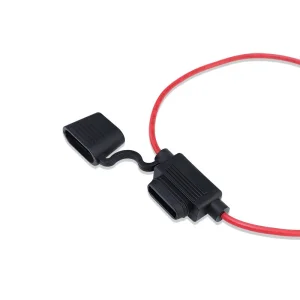
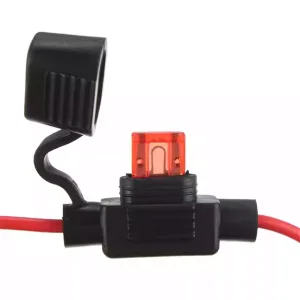
Environmental sealing is achieved using compression-fit silicone O-rings and integrated overmolding. Our products range from IP65 to IP68 waterproof ratings, ensuring absolute seal integrity against heavy rain, dust, mud, and complete immersion under pressure.
When implementing inline fuse holders, engineers must calculate the thermal derating factor. Standard inline fuses operate at a baseline of 25°C. In real-world environments like engine bays (up to 85°C) or solar combiner boxes (exceeding 60°C inside the enclosure), current carrying capability drops. We assist engineering design teams with accurate derating charts to determine correct wire sizing (such as upgrading from 16 AWG to 8 AWG) to prevent nuisance tripping and contact degradation.
How inline fuse holders adapt to distinct regional standards, extreme climates, and critical industry applications.
With string voltages escalating to 1000V DC and 1500V DC, inline solar fuse holders are integrated directly within the PV wire runs. This bypasses the need for large combiner boxes on simple structures, reducing wiring layouts, minimizing material footprints, and ensuring reliable overcurrent protection under harsh outdoor UV exposure and high-temperature fluctuations.
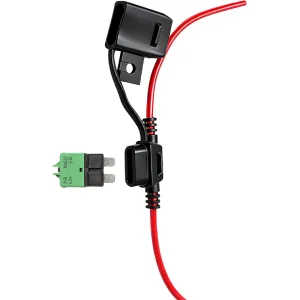
Aftermarket components such as subwoofers, auxiliary lights, Winches, and complete RV off-grid power banks require high-integrity inline protection. Incorporating heavy-duty 8 AWG to 12 AWG waterproof inline blade fuse holders protects the main battery system from localized wiring faults caused by off-road vibrations, moisture, and road salt.
Bilge pumps, marine radar, navigation lights, and trolling motors require IP68 ingress protection. Marine wiring must withstand constant salt spray and high humidity. We supply specialized marine-grade tinned copper wire inline holders to prevent capillary-action corrosion inside the copper wire strands, securing power delivery in critical marine environments.
Developing tomorrow's intelligent, eco-friendly, and high-voltage circuit safety solutions.
Integrating high-efficiency micro-LED indicators directly into the waterproof housing. This gives field maintenance crews an immediate visual alert for blown fuse states without opening protective covers or using multimeters.
Developing next-generation inline protection capable of handling solar utility systems operating up to 2000V DC. This includes special mineral-filled polymers and ceramic linings to manage higher electric arcs safely during disconnects.
Developing high-performance, bio-sourced polymers that match the heat and electrical specifications of PA66 and PC. This effort aligns with circular economy goals without compromising fire protection or environmental resistance.
Wenzhou Phlox Energy Co., Ltd.: Seamlessly combining massive production scale, rapid delivery times, and strict quality control.
Located in the heart of China’s electrical manufacturing ecosystem, Wenzhou Phlox Energy Co., Ltd. utilizes Wenzhou’s robust supply chain. This location provides access to high-purity copper, refined plastic resins, and specialized tool-making facilities. This concentration of resources minimizes transportation times, secures component availability, and keeps material costs stable even during global supply chain disruptions.
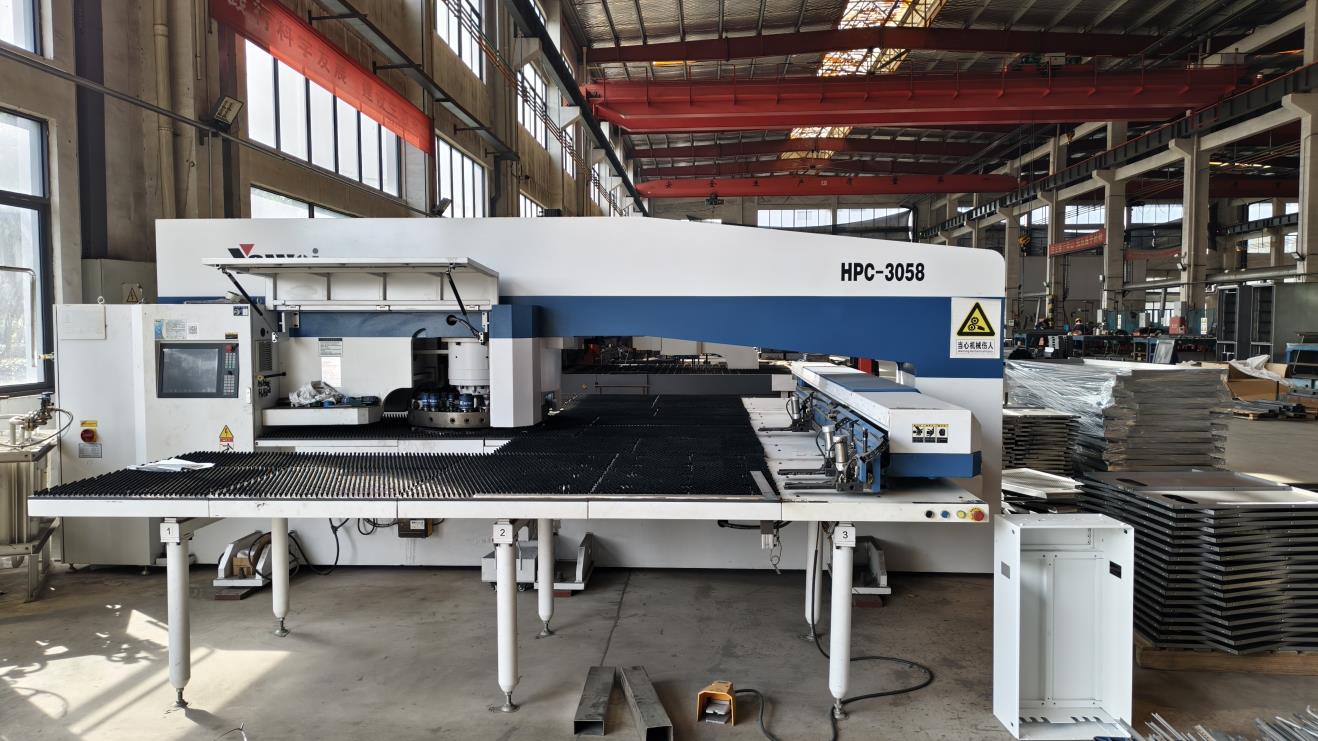
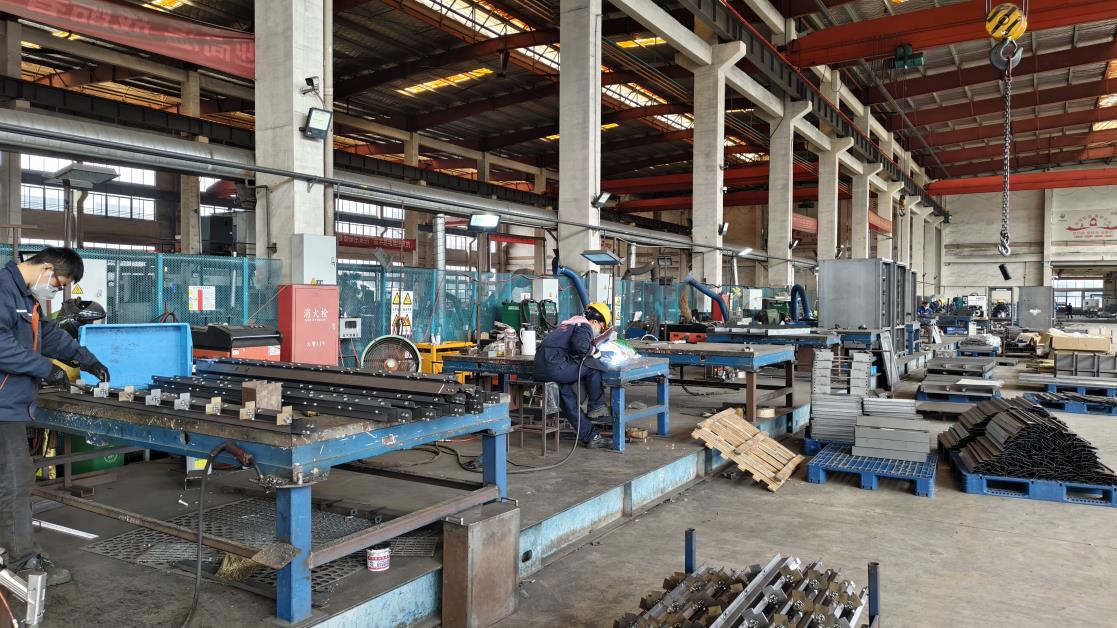
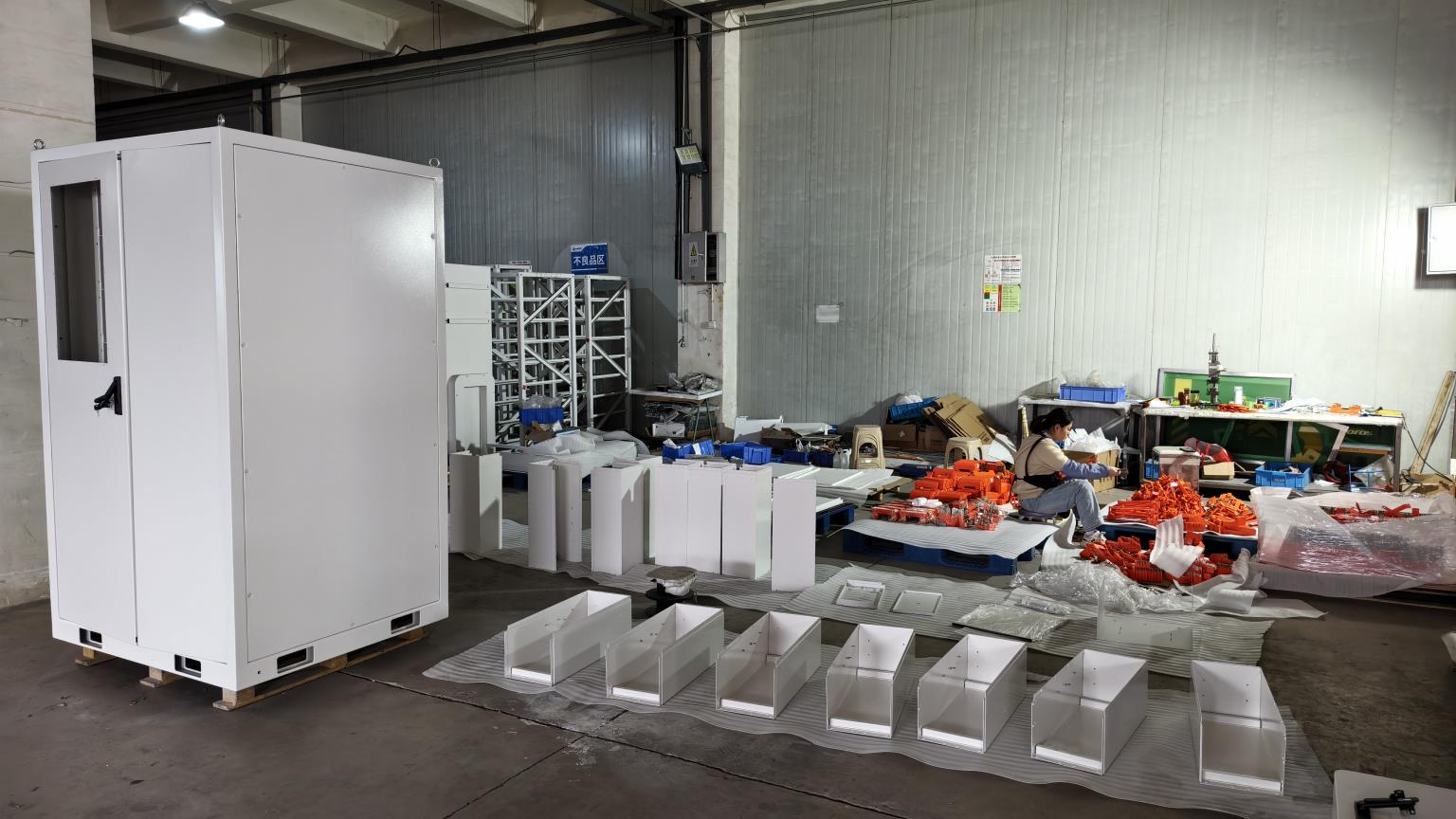
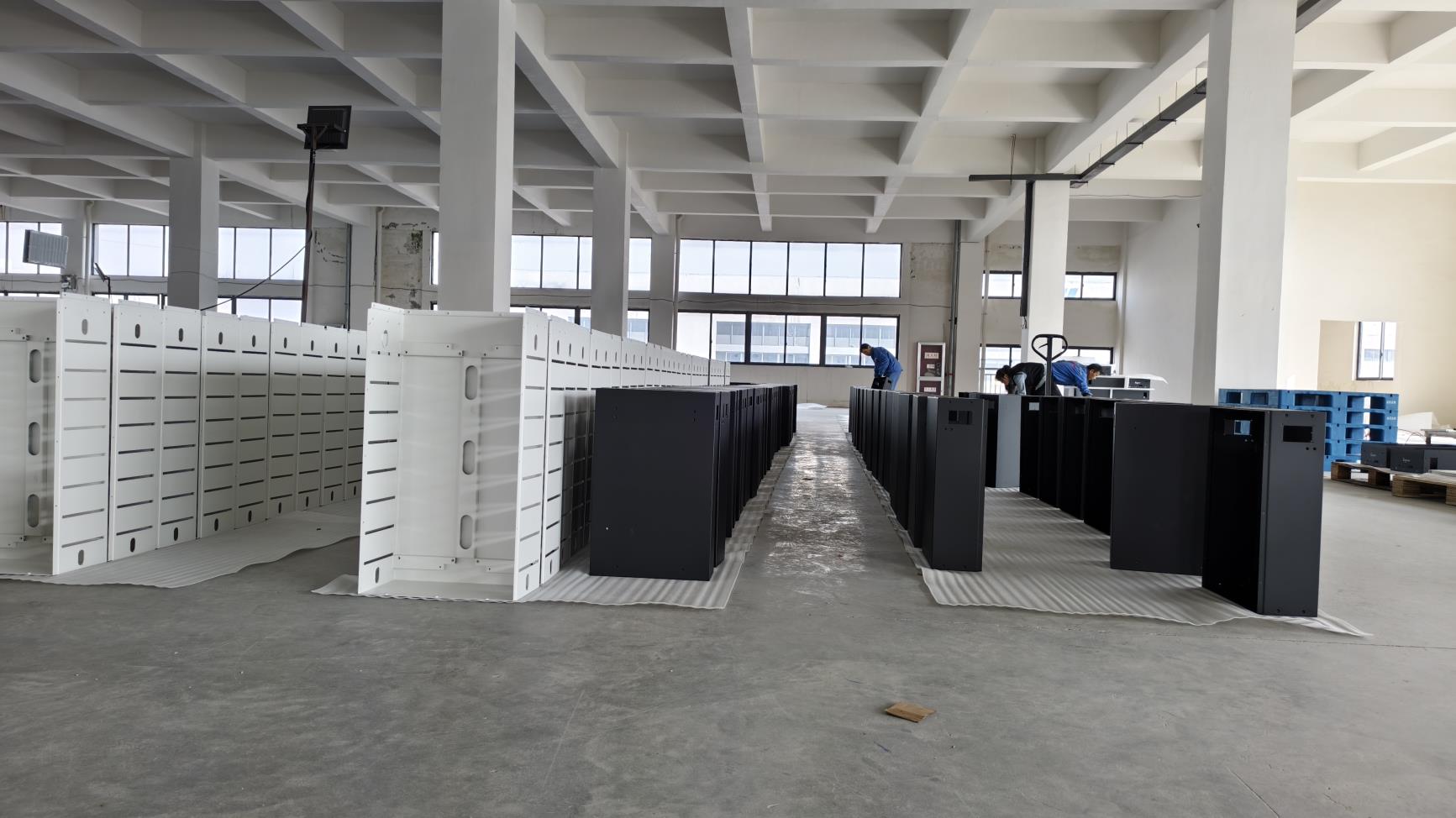
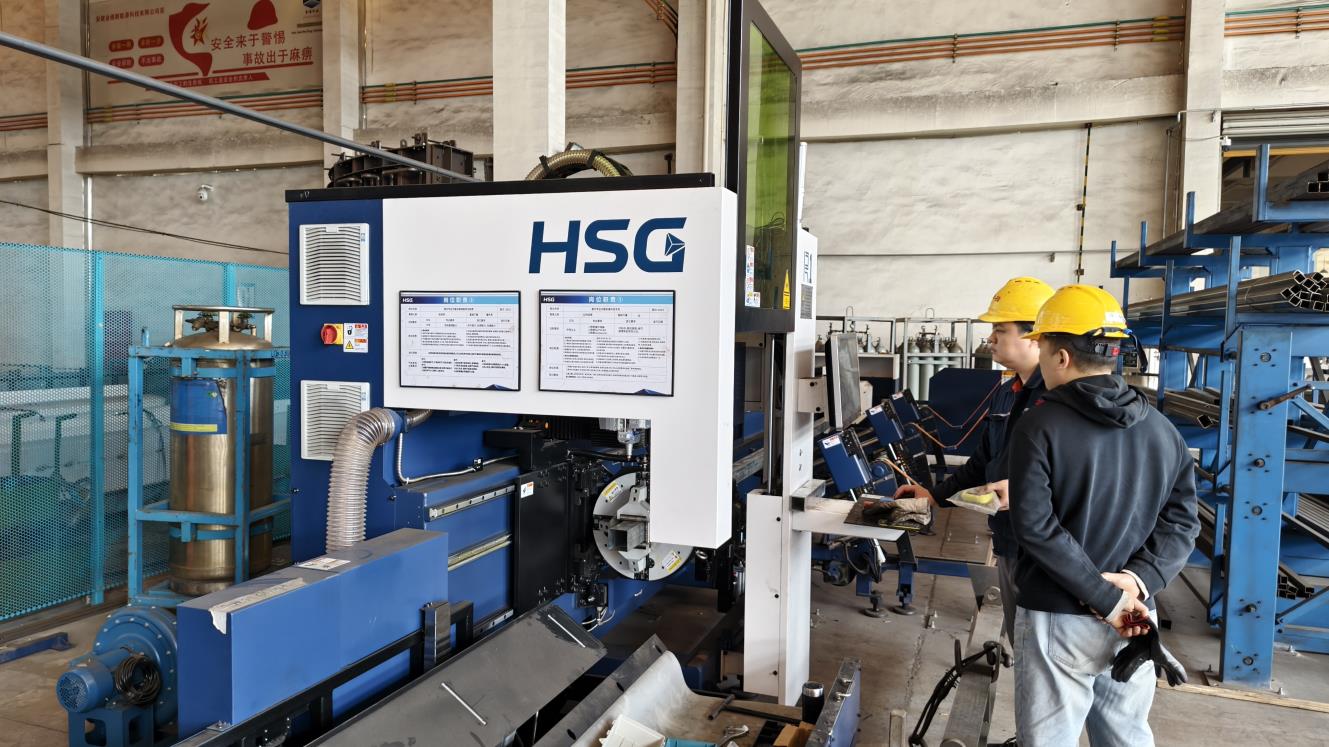
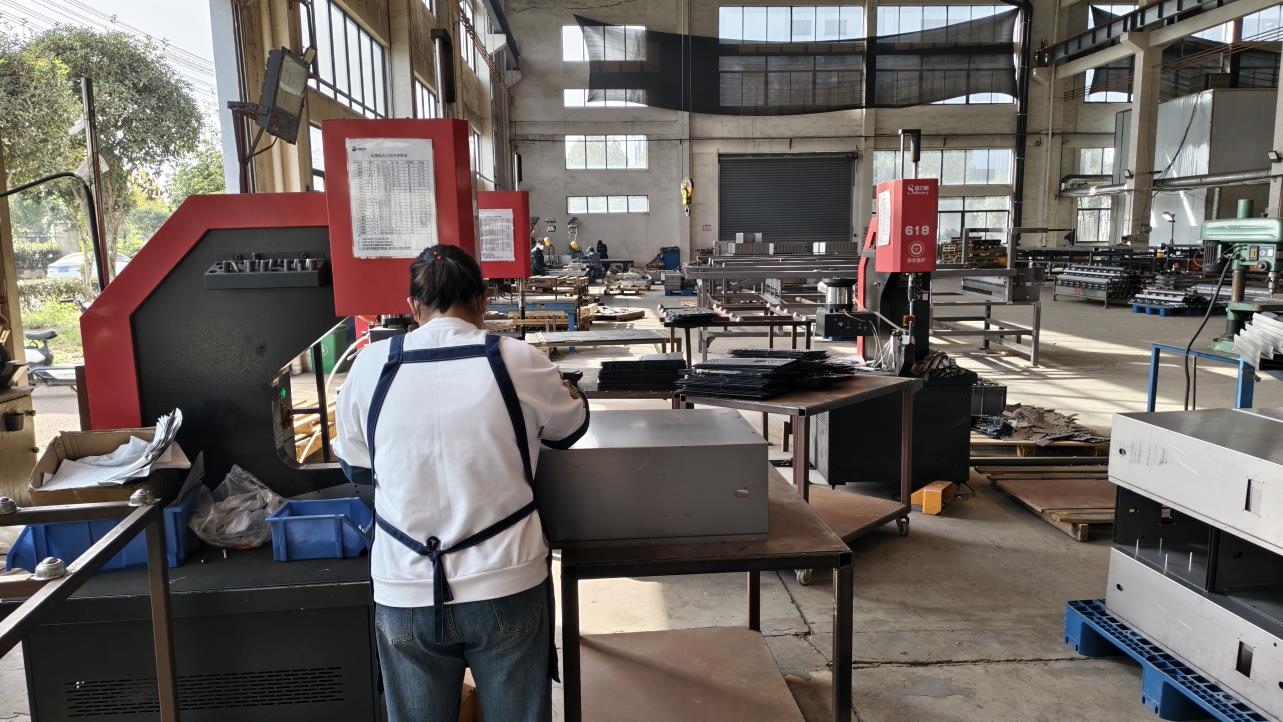
Spanning an area of over **11,500 square meters**, our production facility operates **7 advanced, semi-automated and fully automated production lines** run by a skilled team of over 150 employees. We have deployed more than **100 automated machines**, including high-precision laser cutting tools, CNC bending centers, automated welding setups, and high-capacity assembly systems. This high degree of automation ensures our annual output exceeds **USD 20 million**, maintaining quick turnaround times for bulk orders from distributors, EPC contractors, and global OEMs.
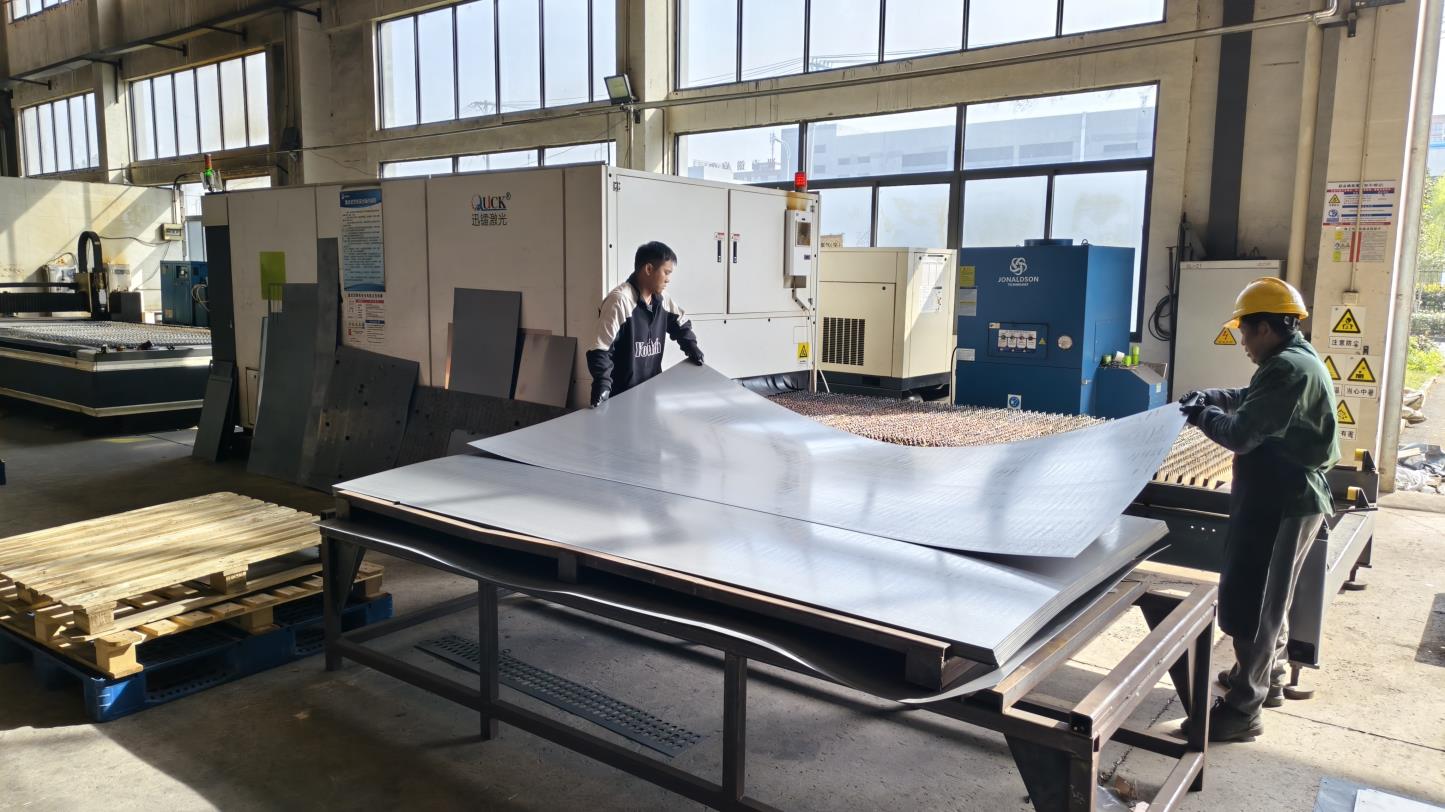
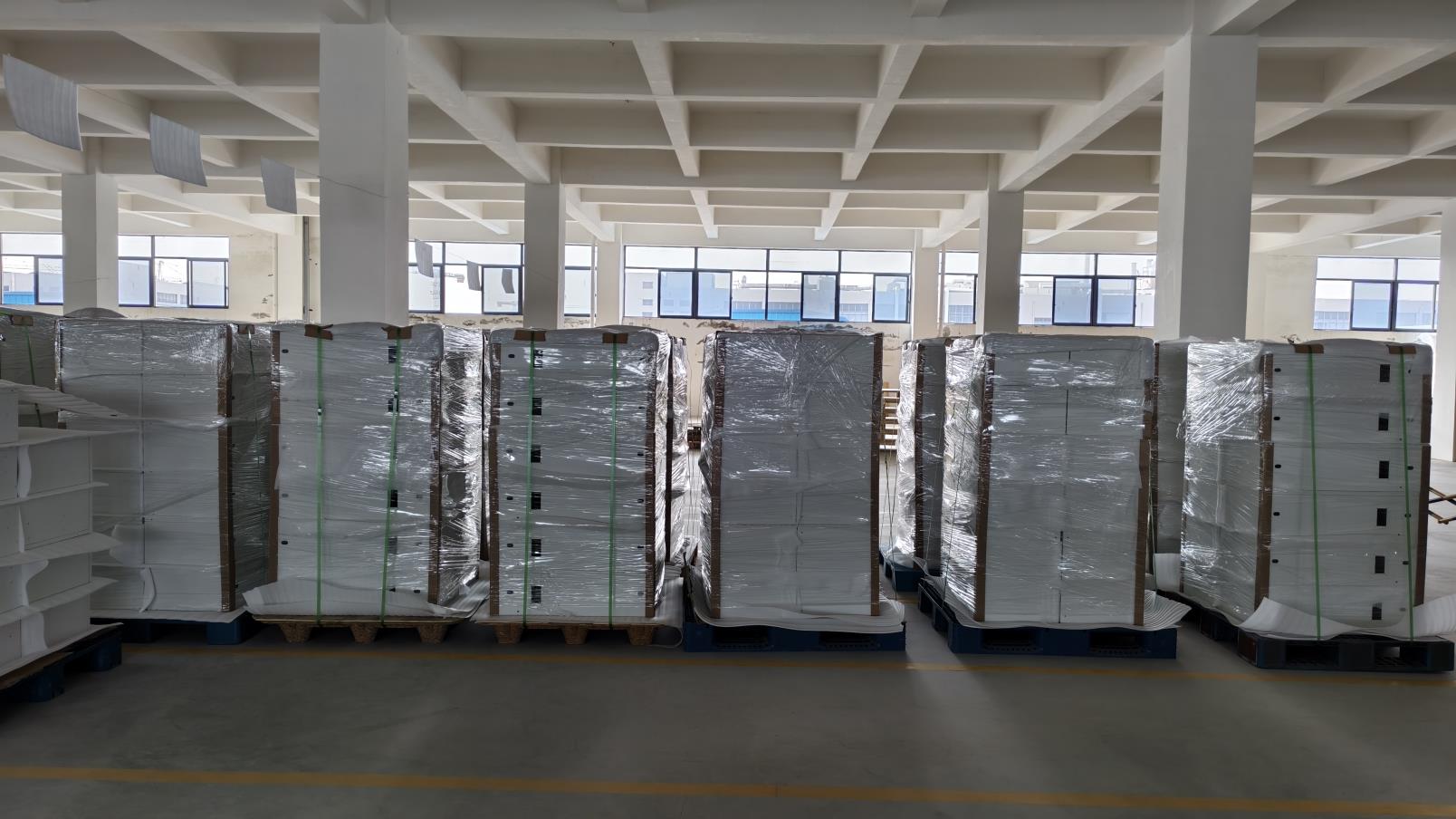
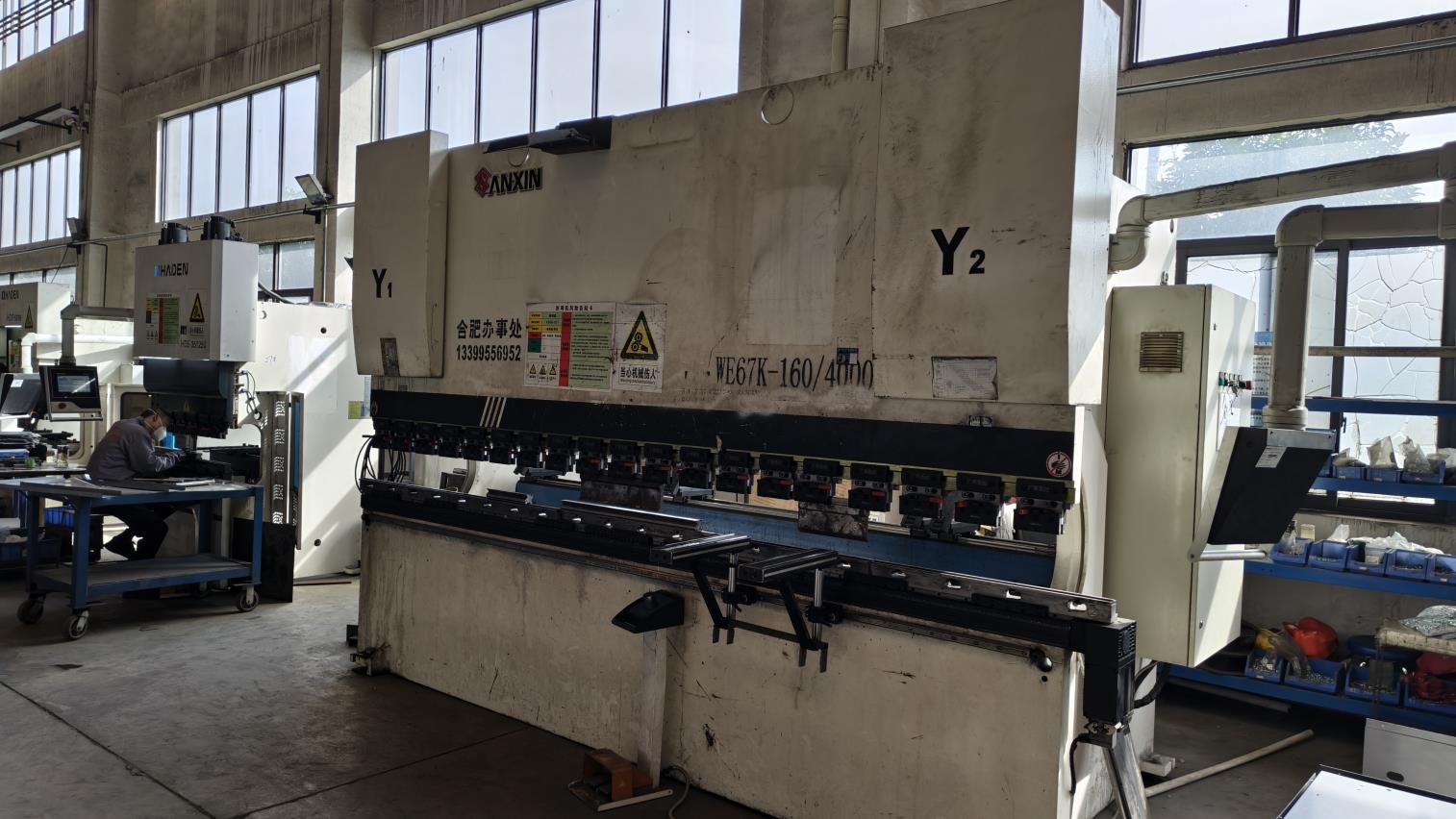
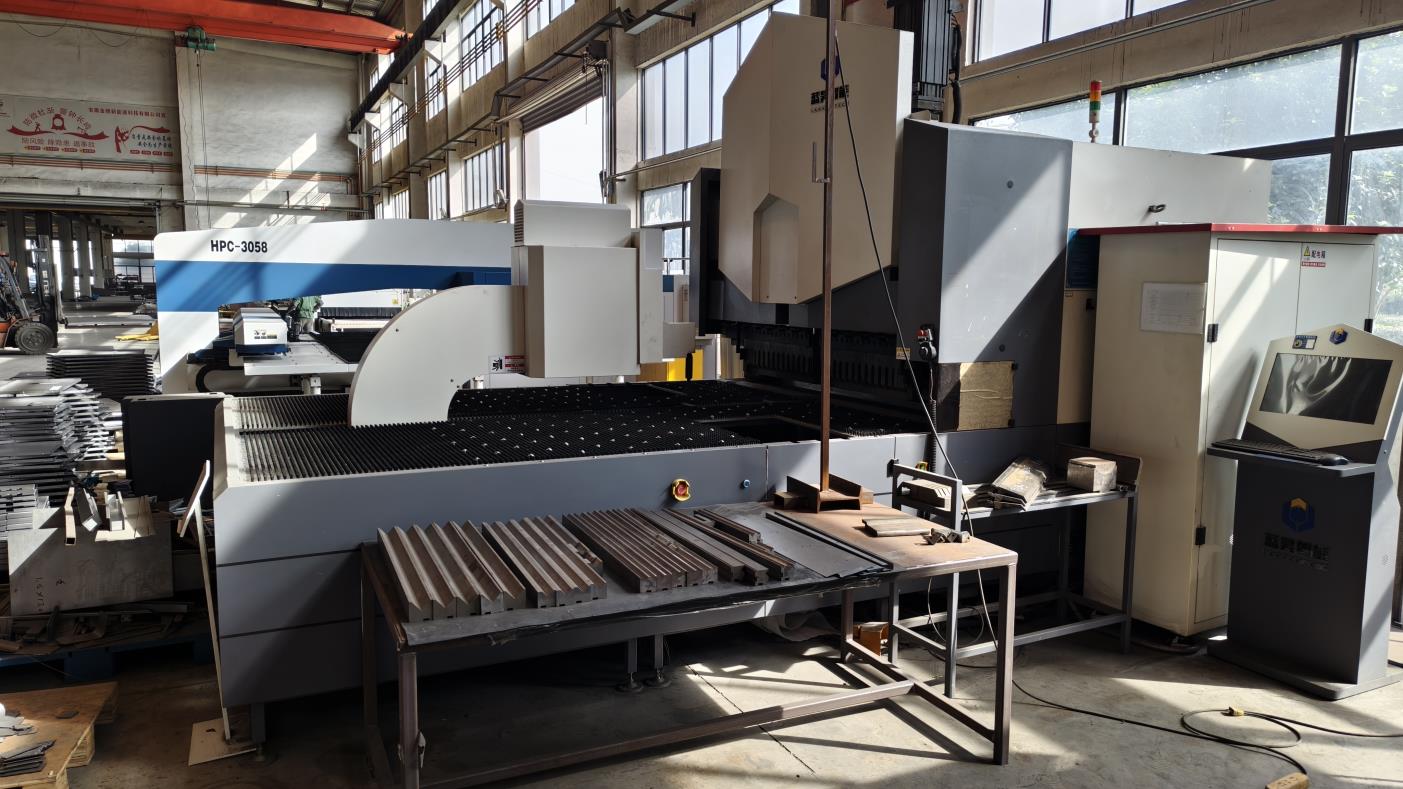
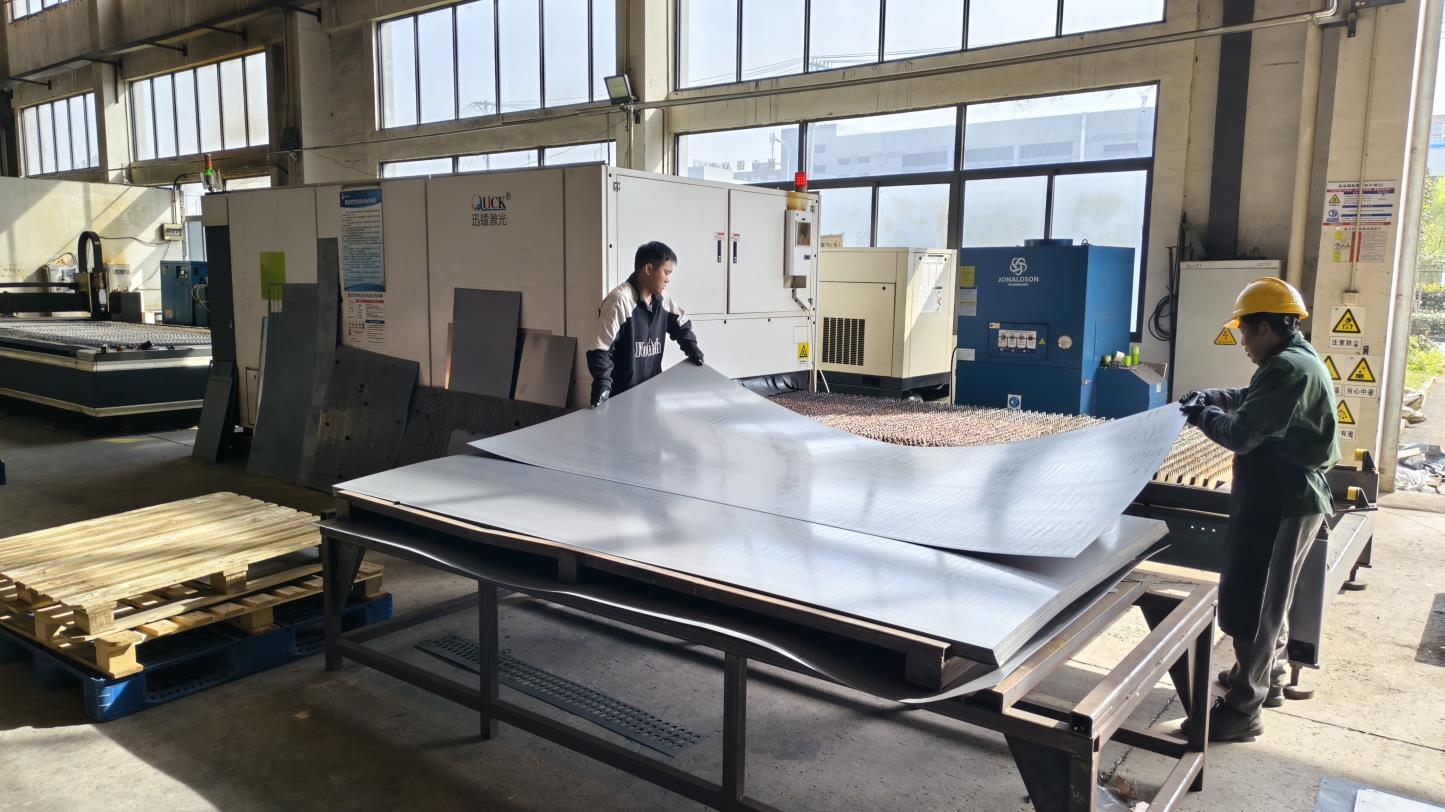
Meeting the safety and electrical standards required for global distribution and integration.
Because inline fuse holders protect sensitive electrical components, they must meet strict testing protocols before leaving our facility. A single product failure can cause system downtime, damage equipment, or create electrical safety risks. Quality assurance at Wenzhou Phlox Energy Co., Ltd. is managed in accordance with the **ISO 9001 quality system**. Our inline fuse holders hold major certifications including **CE, TUV, IEC, and CB**.
Each production run undergoes rigorous internal laboratory validation, including:
Additionally, we provide engineering support for global OEM and ODM projects. Our R&D team works directly with engineers to customize wire types, insulation classes, wire lengths, and electrical terminals. This process streamlines assembly integration and ensures compliance with local electrical safety regulations.
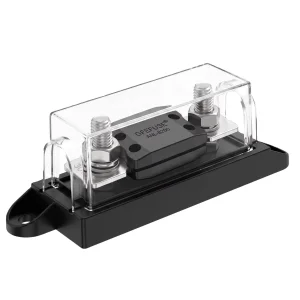
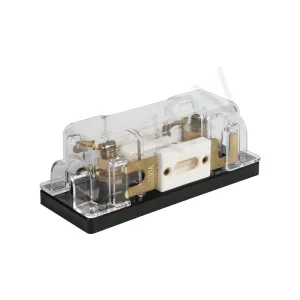
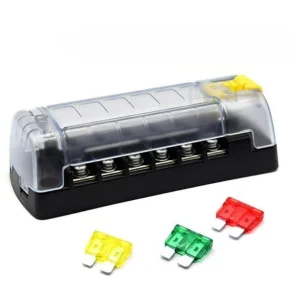
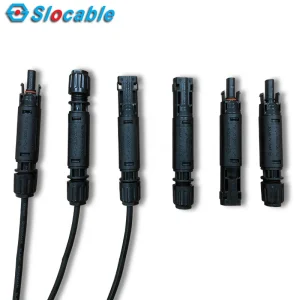
Explore our industrial range including high-amperage bolt-on mounts, DIN rail holders, and waterproof solar components.
Expert answers to common engineering questions regarding the selection, installation, and operation of inline fuse holders.
Wire gauge selection is based on the continuous current rating of the circuit, target temperature limits, and runs. For instance, a 30A current run typically requires a minimum of 10 AWG to 12 AWG wire to prevent temperature rise. 16 AWG to 20 AWG is suitable for lower current monitoring configurations (under 10A-15A). Selecting a wire with high-temperature resistance insulation (like UL1015 or cross-linked polyethylene) is recommended for demanding environments.
An IP67 rating ensures the fuse holder is protected against dust and can withstand temporary immersion in water up to 1 meter depth for 30 minutes. An IP68 rating indicates a continuous seal design that resists water ingress under specified deeper submersion pressures. For marine engine compartments, under-car setups, and outdoor solar farms, IP68 rated holders with silicone seal rings provide better long-term reliability.
This typically occurs due to high contact resistance at the connection terminals, rather than an overcurrent fault. If the spring terminals lose tension or oxidize, a high-resistance spot is created. Under continuous current flow, this spot generates localized heat, melting the surrounding plastic housing while the current stays below the fuse's trip threshold. Using quality materials like tin-plated copper alloy terminals with high spring tension helps prevent this failure mode.
They are not directly interchangeable, particularly at higher voltages. DC arcs are more sustained and harder to extinguish than AC arcs, which naturally self-extinguish at zero-crossing points. A fuse holder or fuse element rated for 250V AC can fail to interrupt a 250V DC short circuit, posing a fire risk. Always check that the component's DC rating meets or exceeds the maximum operating voltage of the DC system.
 Phlox Energy