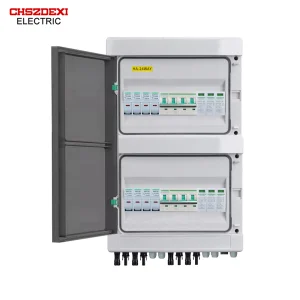
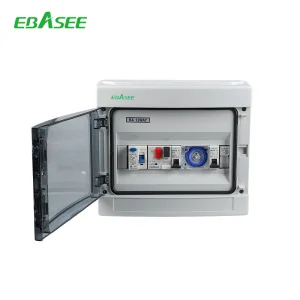
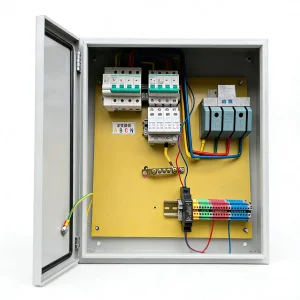
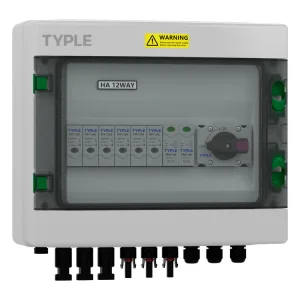
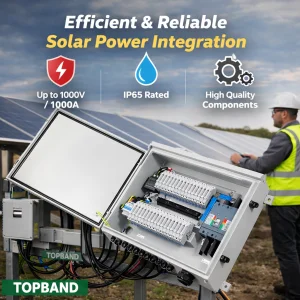
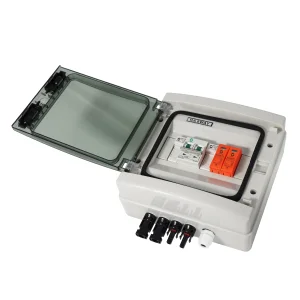
Engineered for robust protection, structural integrity, and optimized distribution in commercial and utility-scale solar arrays.
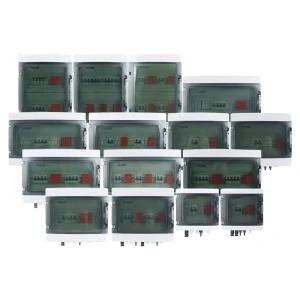
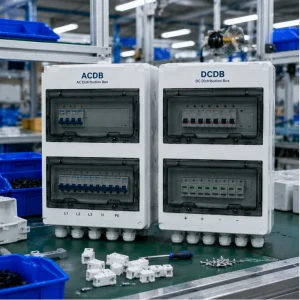
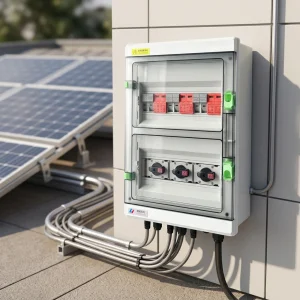
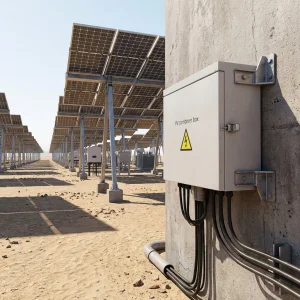
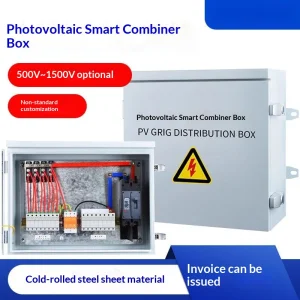
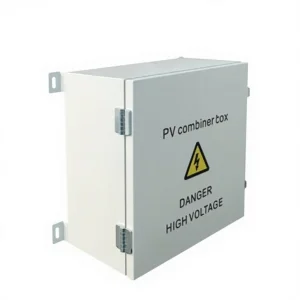
As the global energy transition accelerates, utility-scale photovoltaic (PV) power plants and commercial-industrial solar arrays demand highly resilient electrical connection and protection architectures. The Solar Combiner Box is the operational anchor of this architecture. It consolidates multiple DC strings from PV modules into a single, high-capacity output channel, feeding into the central or string inverters.
Modern developers are rapidly pivoting from legacy 1000V DC topologies toward 1500V DC solar systems. This systemic evolution lowers overall Balance of System (BOS) capital costs by reducing cable cross-sections, combining circuits, and maximizing power transfer efficiency over long distances. Consequently, combiner boxes must exhibit immaculate engineering specs: superior heat dissipation, advanced overcurrent protection, and Class II surge immunity designed to mitigate system degradation over decades of service.
For international Engineering, Procurement, and Construction (EPC) firms, selecting the right partner in the solar supply chain is a pivotal factor in long-term asset security and project ROI. Every system downtime represents immediate financial loss; thus, quality standards like IEC 61439-2, TUV, and CE are no longer optional additions but fundamental requirements of design integrity.
Inside the core of our high-voltage electrical safety solutions designed to prevent faults and catastrophic failures.
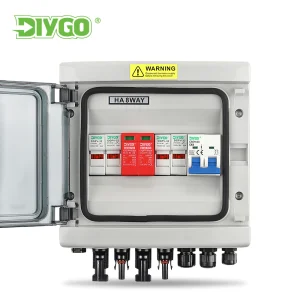
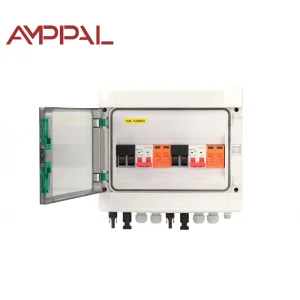
Specially calibrated DC fuses isolate overloaded or short-circuited sub-arrays. Designed to interrupt minimal reverse currents and withstand system voltages up to 1500V DC without premature fatigue.
Class II / Type 2 transient surge suppressors prevent lightning impulses and switching surges from propagating down to sensitive inverter units, ensuring continuous system runtime.
Heavy-duty load break switches allow safe maintenance of individual string clusters. Featuring quick-make, quick-break mechanisms capable of handling currents up to 400A under load.
Optional Modbus-RTU modules log individual string performance. By identifying underperforming sections immediately, operations & maintenance (O&M) teams can drastically reduce system downtime.
Engineered for relentless environmental exposure. Available in heavy-duty carbon steel, stainless steel, or impact-resistant polycarbonate with high thermal stability and specialized breathing valves.
Equipped with standardized MC4 connectors or high-grade cable glands. Pre-wired internal routing minimizes on-site installation errors, lowering labor costs and installation times.
How our advanced design adapts to diverse environments worldwide, maintaining grid integrity under extreme climatic stresses.
Environment: Intense UV radiation, ambient temperatures exceeding 50°C, high dust concentration, and high temperature fluctuations between day and night.
Engineering Solution: We implement dual-chamber sheet-metal structures with sun-shielding canopies, IP65 ingress protection, and heavy-duty dustproof air breathers to equalize pressure without moisture ingress. Inside, components undergo thermal derating recalculations to ensure safe performance up to 70°C internal box temperatures.
Environment: Constant high humidity, aggressive salt-fog corrosion, high wind loads, and persistent damp conditions.
Engineering Solution: Polycarbonate or glass-fiber reinforced plastic (FRP) enclosures are utilized instead of steel. All metallic connection points are made from stainless steel (grade 316) or undergo advanced electroplating treatments. We also integrate special IP68 venting membranes to expel internal humidity, preventing condensation-induced short circuits.
Environment: Dense building layouts, high safety regulations, fire hazards, and requirements for quick grid disconnection.
Engineering Solution: Multi-circuit DC combiner boxes with integrated remote control trip coils or rapid shutdown systems (RSD). These units can instantly shut off array voltage to the rooftop level during emergencies, complying with strict local building codes and fire safety regulations.
China has consolidated its position as the engine of the global photovoltaic revolution, not only in solar panel production but also in vital electrical components. Wenzhou, China's premiere electrical engineering cluster, hosts a sophisticated industrial ecosystem that provides unparalleled material availability, technical R&D speed, and component integration efficiencies.
By leveraging this geographical cluster, manufacturers can procure raw steel, high-quality plastics, copper busbars, and semiconductor components within a very tight radius. This proximity reduces transit logistics, accelerates product prototyping cycles, and minimizes manufacturing overheads.
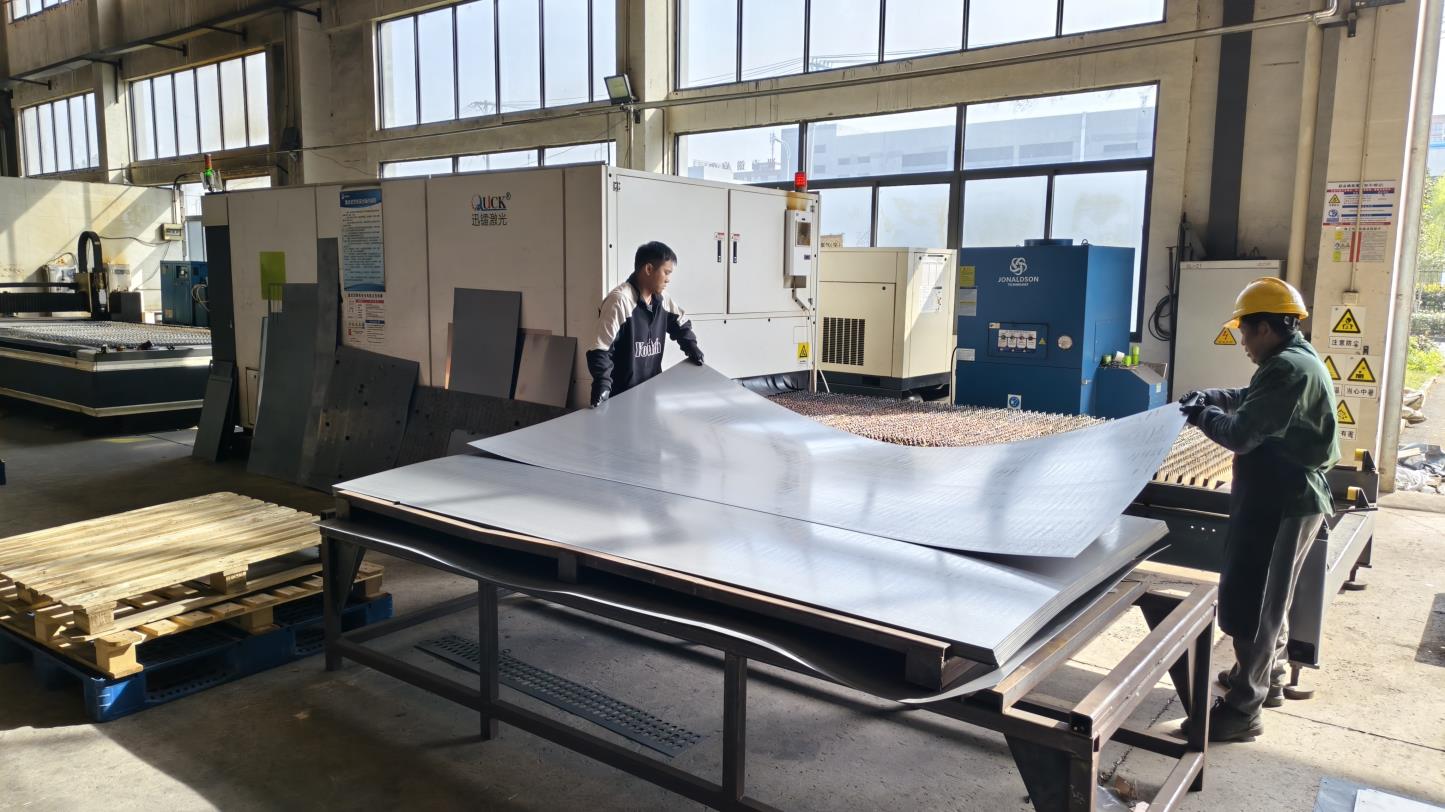
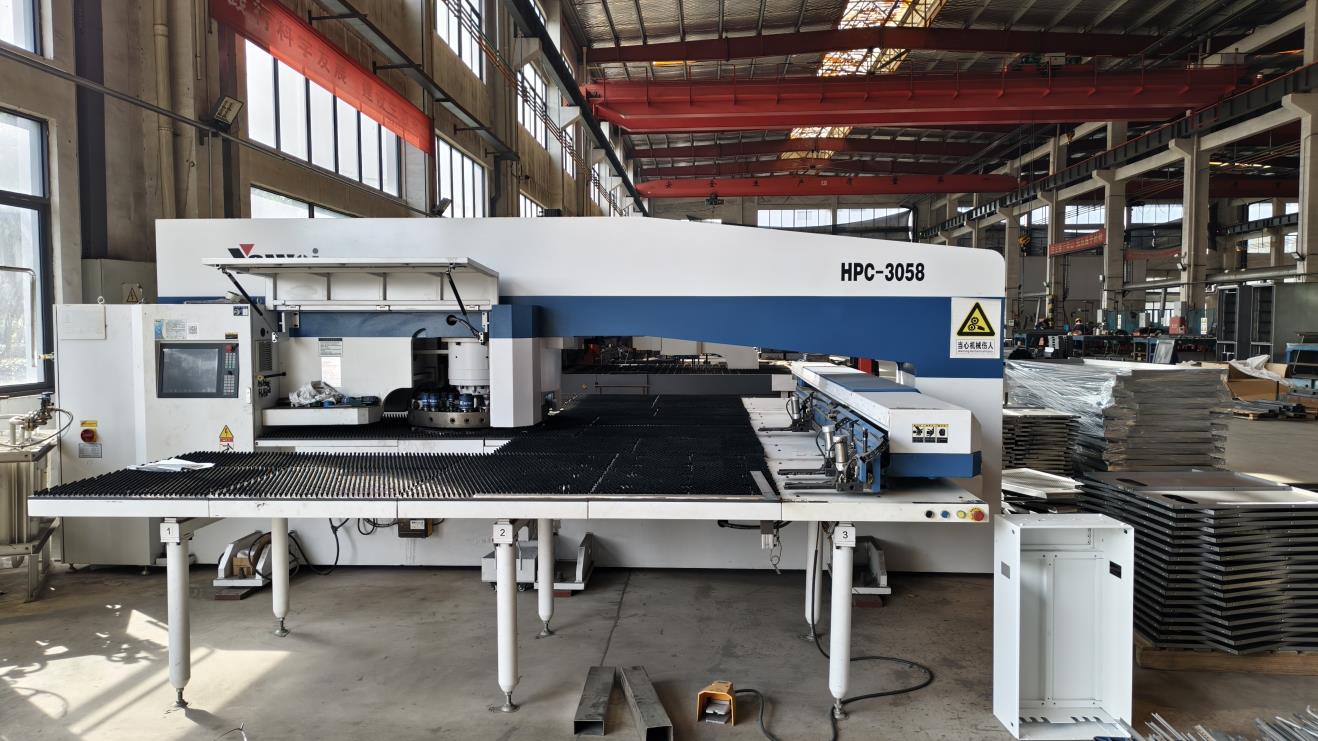
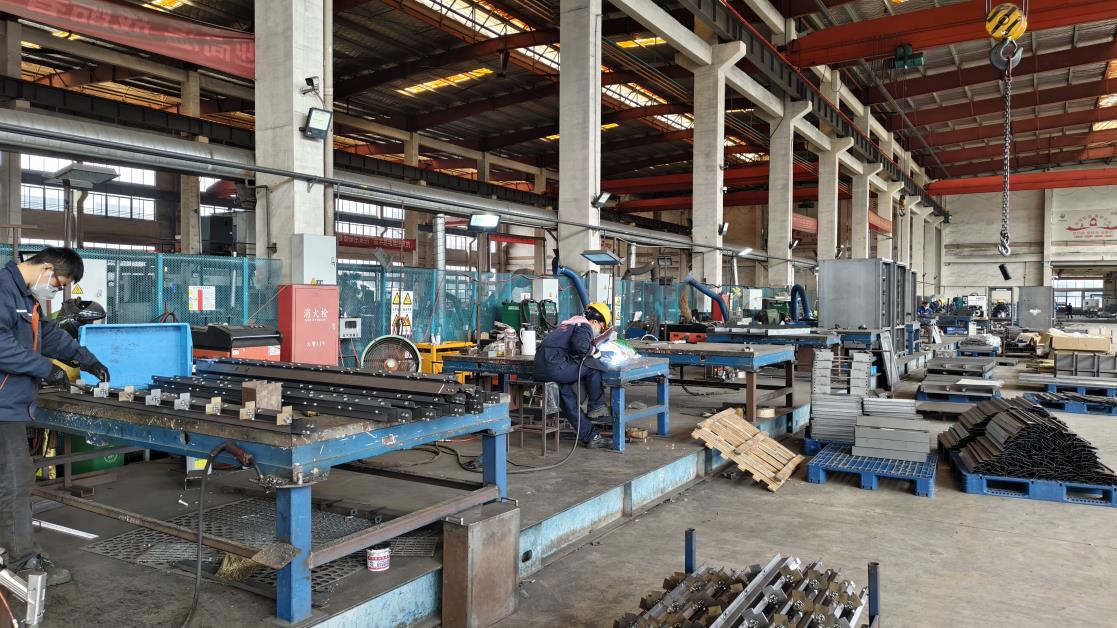
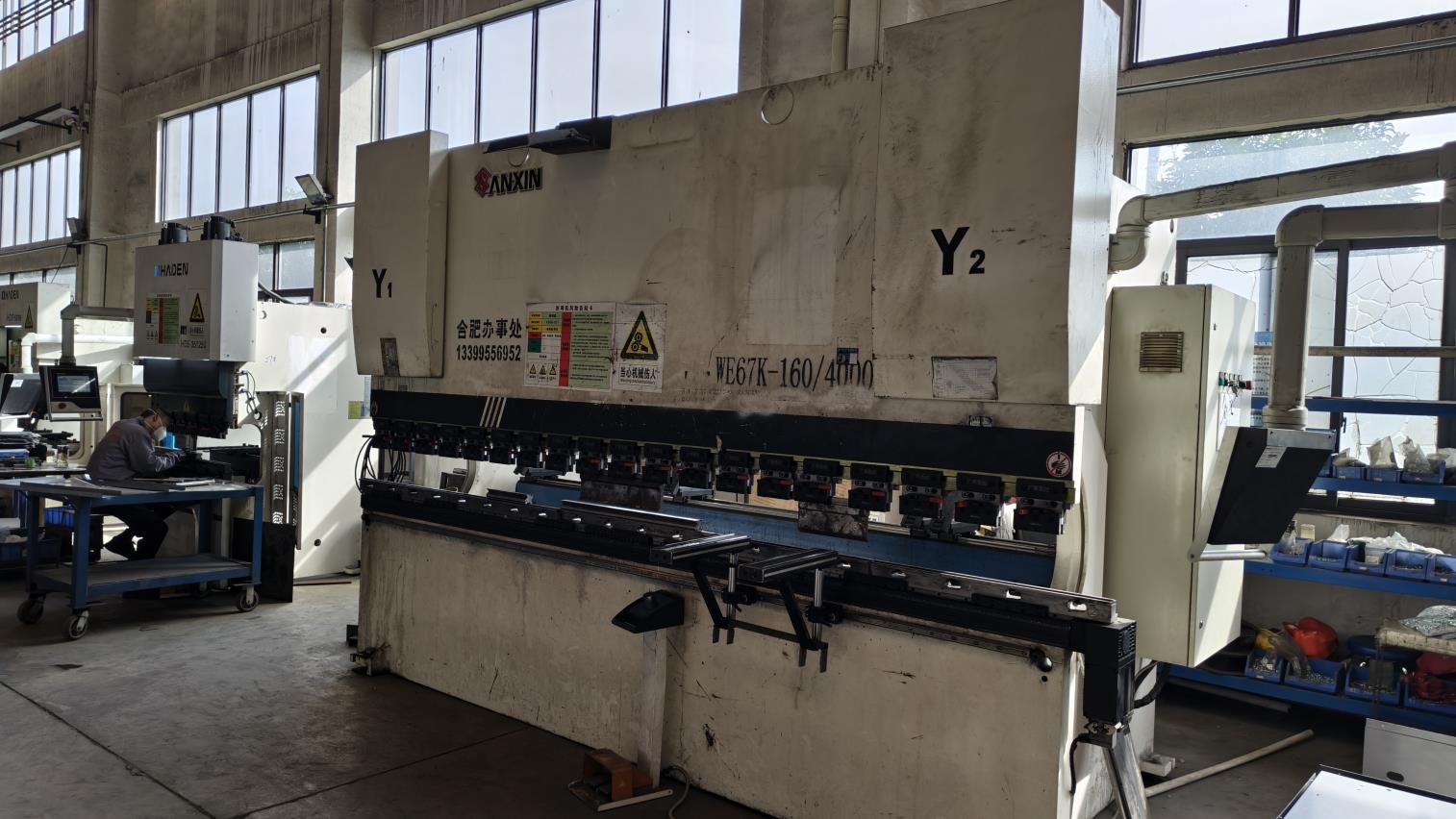
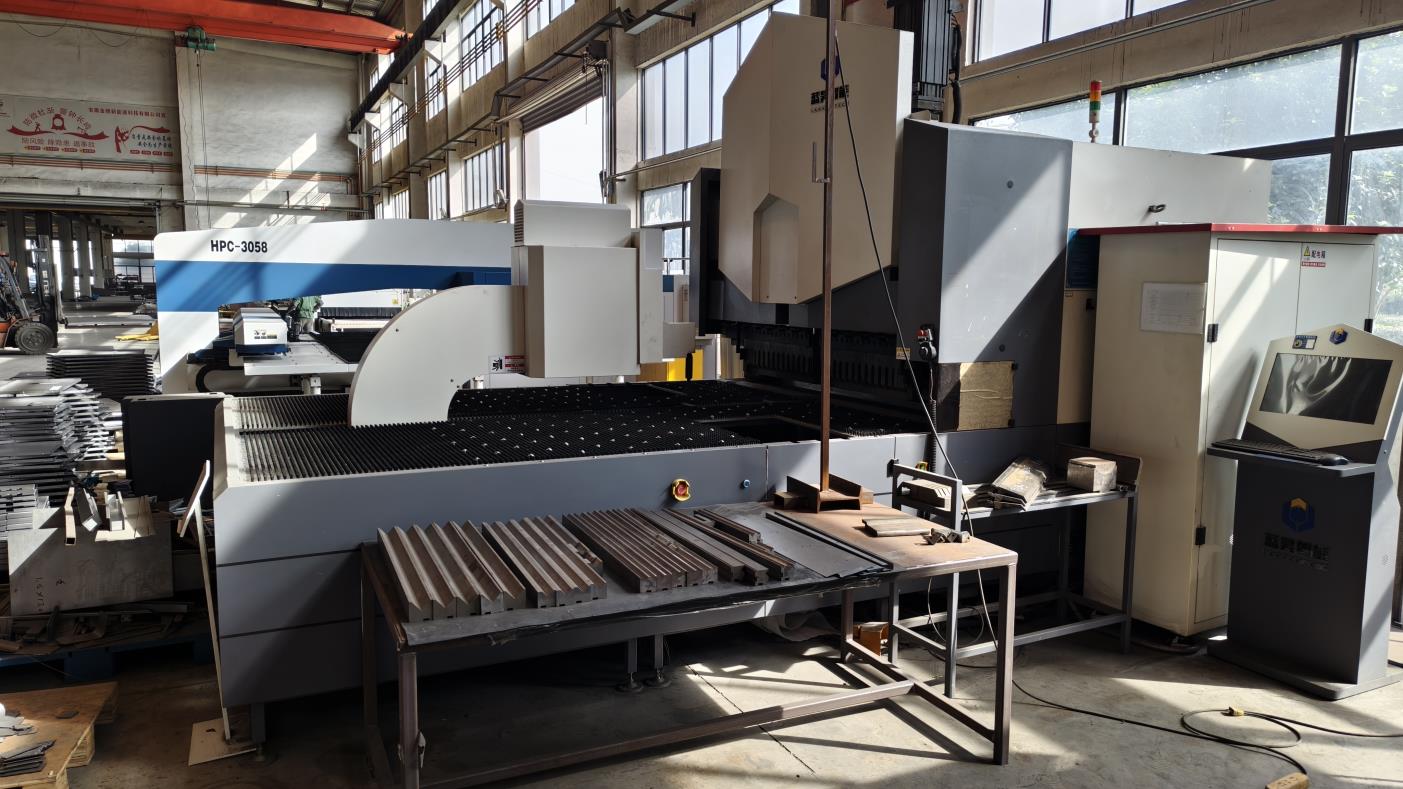
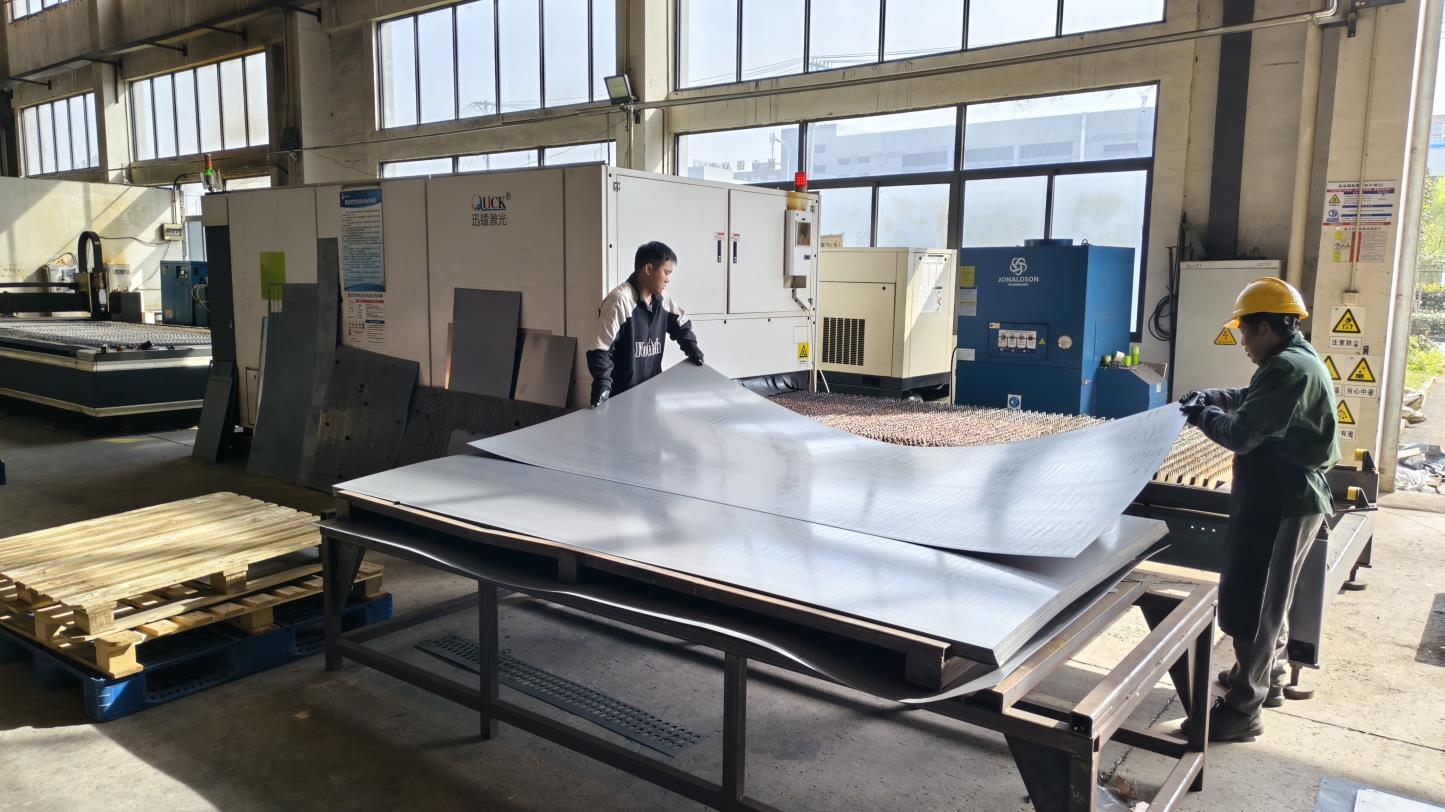
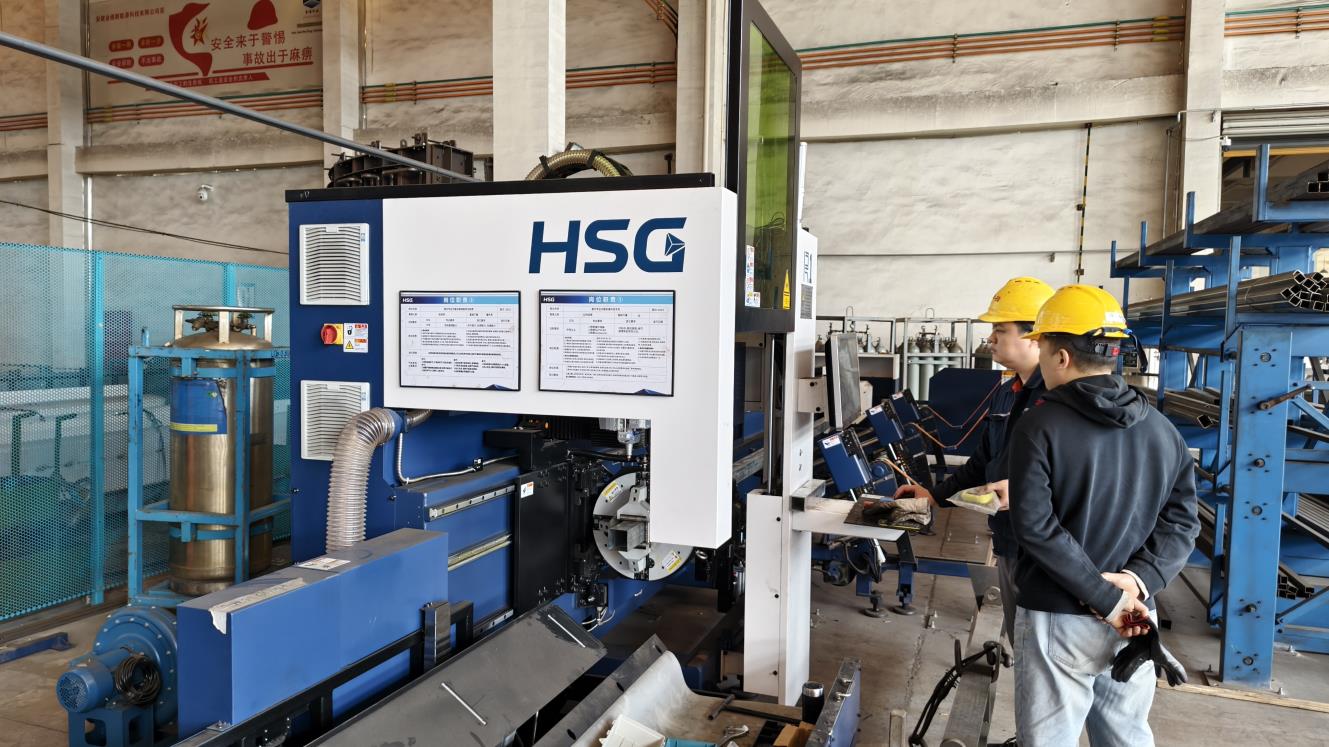
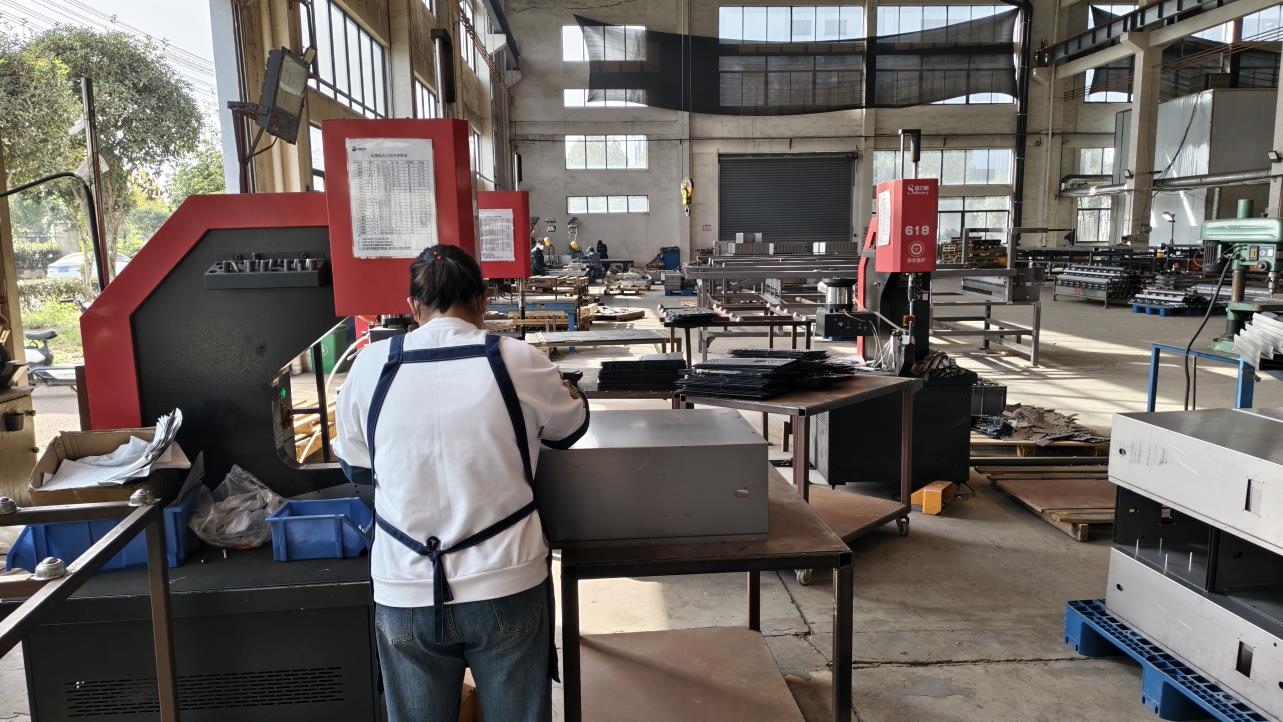
Additionally, advanced manufacturing facilities feature deep industrial automation. From high-speed CNC sheet-metal punching and robotized bending to fully automated terminal crimping and optical quality inspection systems, automation ensures consistent quality and eliminates assembly defects. For global importers, this translated into high production volumes, shortened lead times, and competitive price-to-performance ratios.
When purchasing combiner boxes at scale, international buyers focus on three pillars:
Wenzhou Phlox Energy Co., Ltd. is a professional manufacturer and supplier specializing in solar photovoltaic protection and electrical connection solutions. With more than 10 years of industry experience, we are dedicated to the research, development, production, and innovation of high-quality solar accessories and low-voltage electrical products for global renewable energy markets.
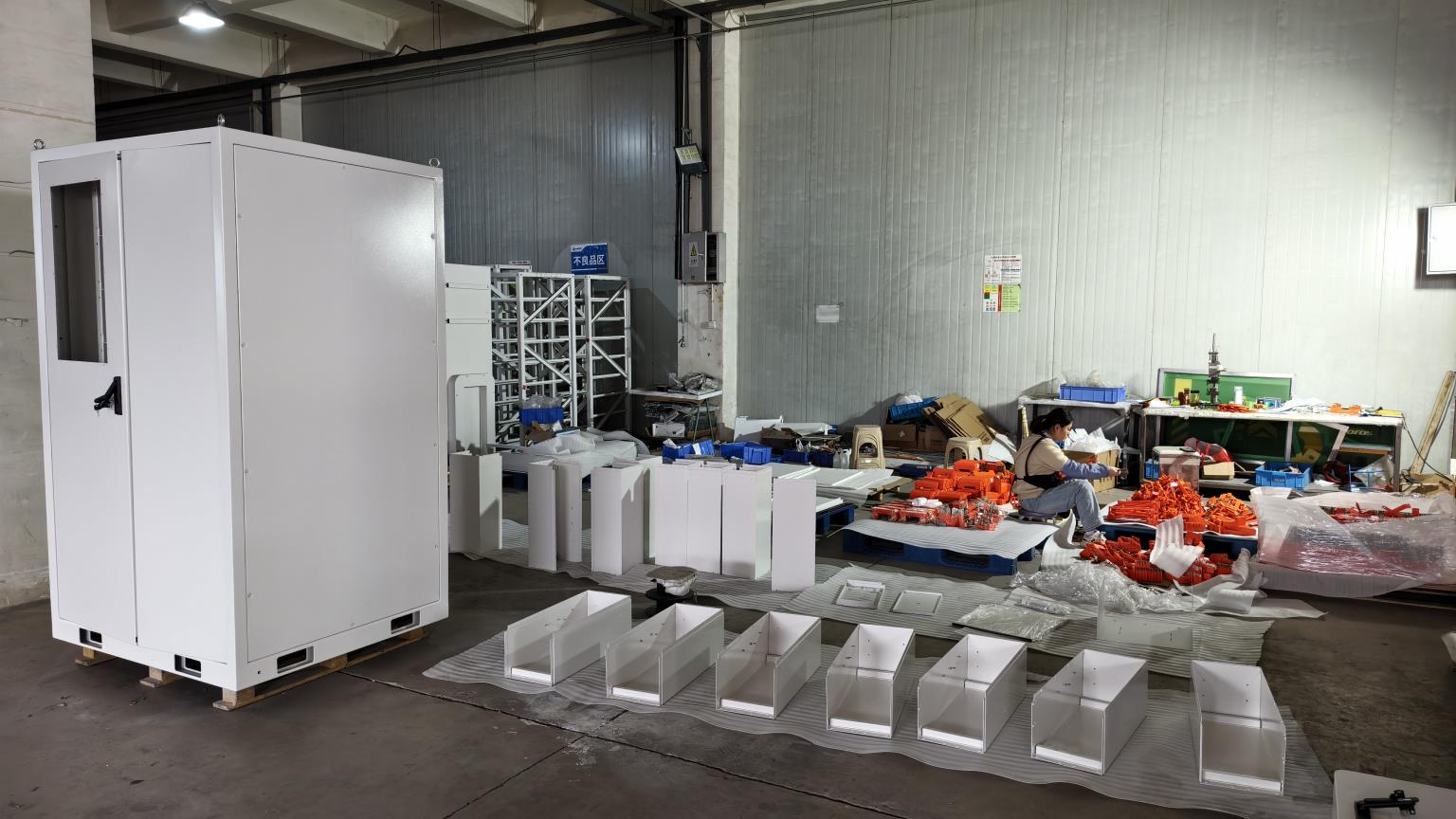
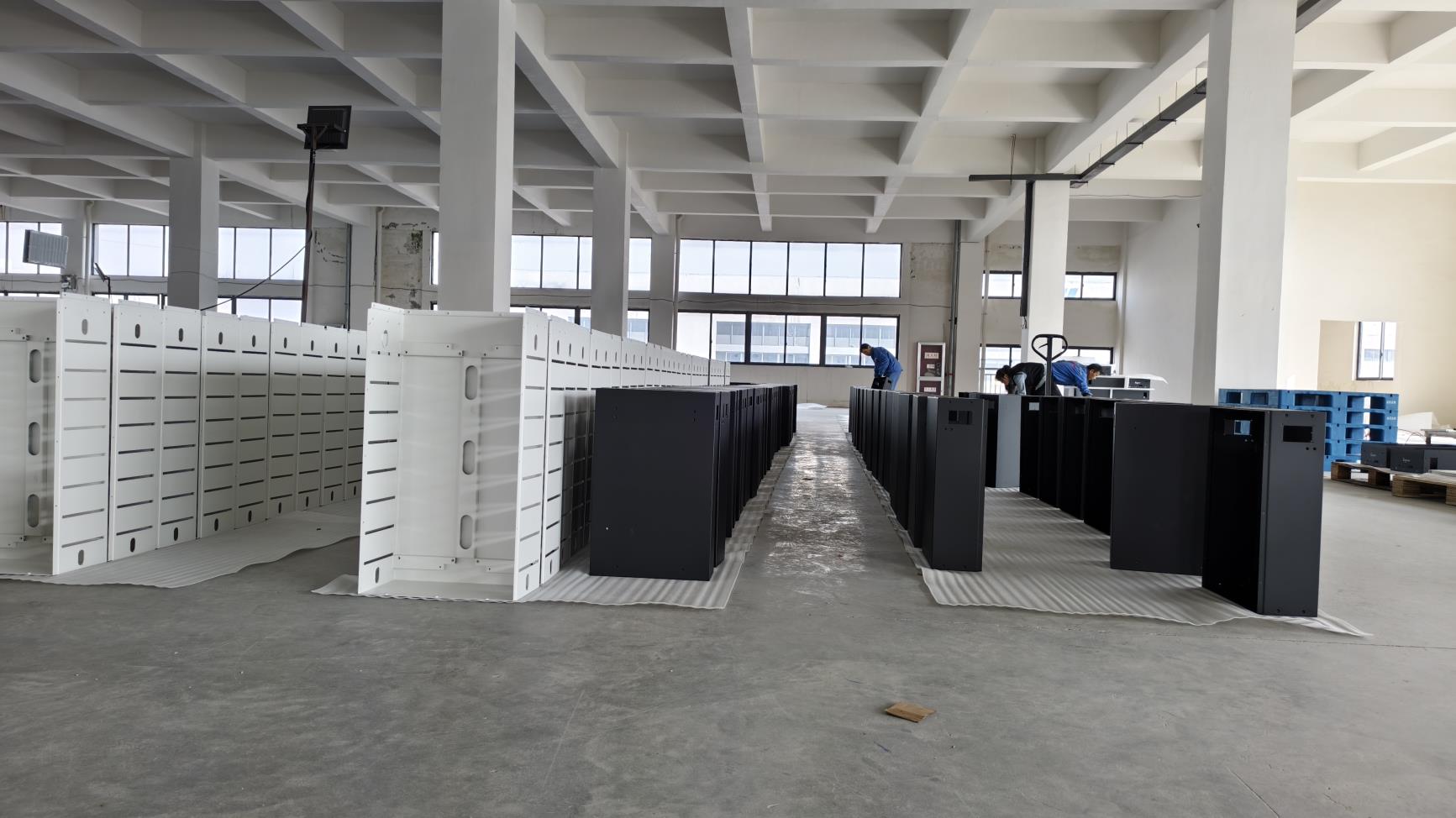
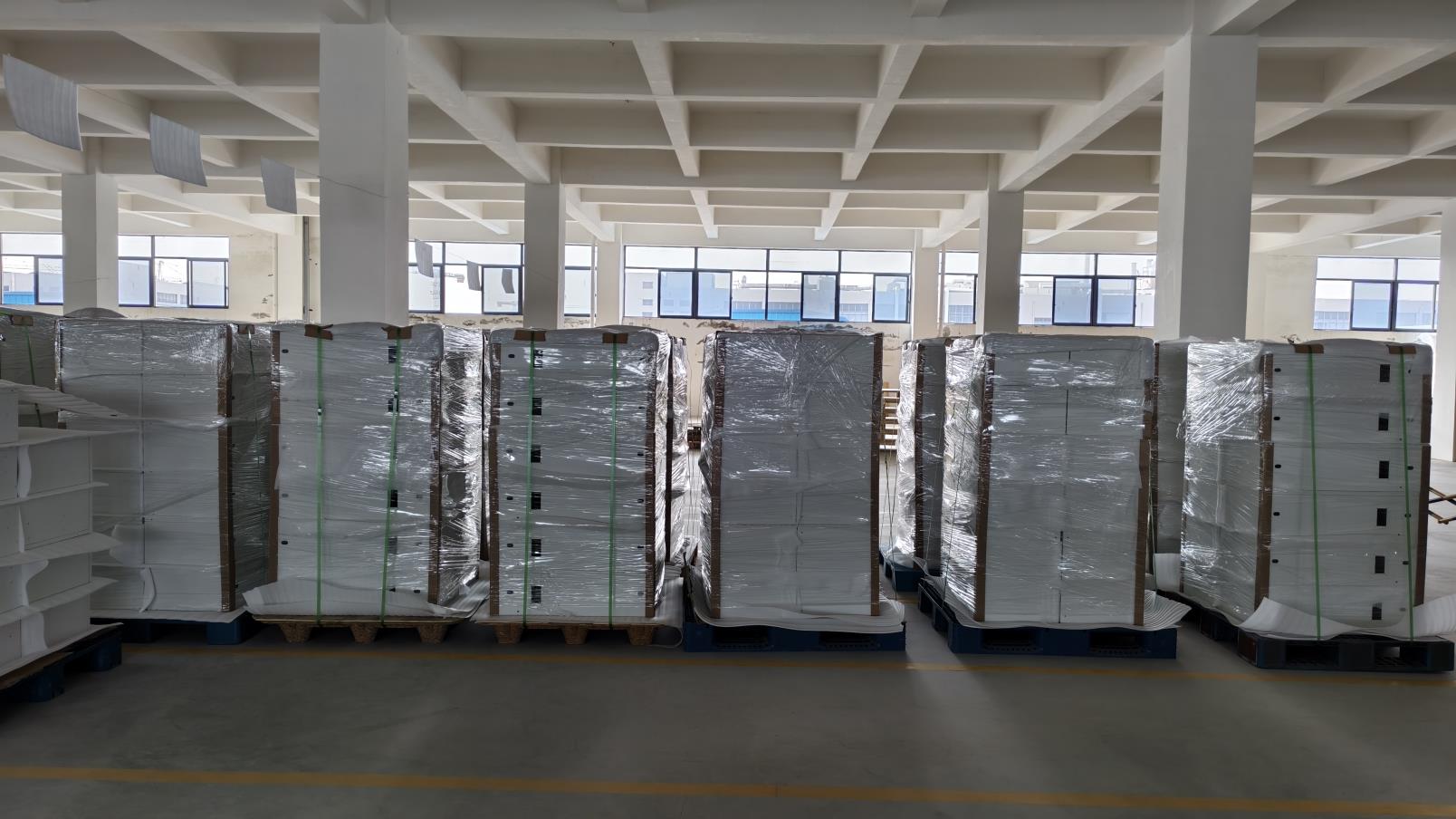
Our manufacturing facility covers an area of over 11,500 square meters and is equipped with 7 advanced production lines, more than 100 automated production machines, and a skilled workforce of over 150 employees. With strong production capacity and efficient management systems, our annual output value exceeds USD 20 million. Phlox Energy specializes in the production of DC miniature circuit breakers (MCBs), surge protective devices (SPDs), photovoltaic fuses, solar connectors, DC isolator switches, distribution boxes, combiner boxes, and other solar power system components. Our products are widely used in residential, commercial, and industrial photovoltaic installations around the world.
Quality is at the core of everything we do. Our products are manufactured in strict accordance with international standards and have obtained certifications including CE, TUV, IEC, CB, and ISO 9001. Every product undergoes comprehensive quality inspections and rigorous testing procedures to ensure safety, reliability, and long-term performance in demanding environments. Driven by continuous innovation, our experienced R&D team works closely with customers to develop customized solutions that meet evolving market requirements. We also provide OEM and ODM services, helping partners build competitive product portfolios and strengthen their market presence.
Get authoritative answers to the most common configuration, standard safety, and design queries.
Explore our full range of certified solar system protection boxes and customized string configurations.
 Phlox Energy