Air conditioning units are vital for comfort, especially during hot summer months. However, a recurring issue many homeowners face is the question, "why does my air conditioner trip the breaker every time it starts?" According to HVAC expert Dr. Sarah Thompson, "Electrical issues with air conditioners often stem from both age and maintenance neglect."
When an air conditioner starts, it requires a significant surge of electricity. This can overwhelm the breaker, particularly if the unit is old or poorly maintained. Factors such as loose wiring, dirty air filters, and component wear can exacerbate this issue. When internal parts, like the compressor, struggle to start, they can draw more current than the breaker can handle.
Moreover, not all homeowners understand the importance of routine maintenance. Many dismiss small signs of trouble, such as unusual noises or inconsistent cooling. This oversight can lead to bigger problems, including regular tripping of the breaker. Understanding the root causes of these electrical failures is essential for sustaining the life of your air conditioning system.
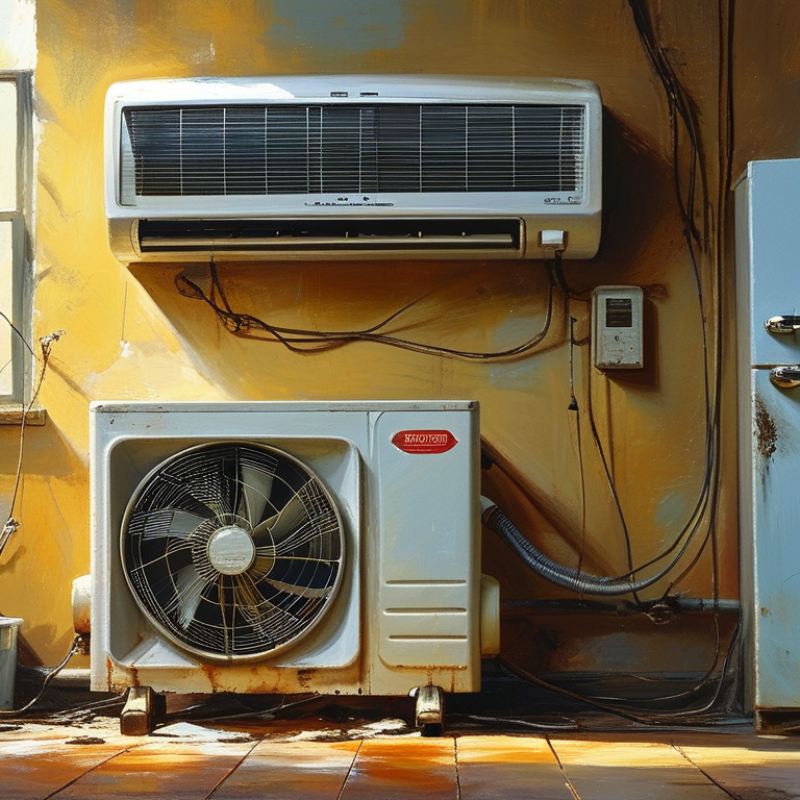
Understanding the function of an air conditioner breaker is crucial for diagnosing issues like tripping at startup. The breaker is designed to protect the electrical circuit and the air conditioning unit from overload. When the air conditioner starts, it draws a significant amount of current. If this current exceeds the breaker's limits, it will trip.
Several factors can contribute to this overload. A common reason is a problem with the compressor. If the compressor is failing, it may draw more current. Additionally, dirty filters or blocked coils can affect efficiency. These issues not only strain the system but also pose a risk of damaging components. Over time, neglecting maintenance can lead to recurring electrical problems.
It's vital to have a clear understanding of the air conditioner's electrical requirements. Inadequate wiring can also result in frequent breaker trips. Sometimes, the breaker itself may be faulty. Regular inspections can help identify such issues early. Not everyone knows how to properly assess these components, which can be frustrating. Educating yourself about your air conditioner's specific needs can prevent future complications.
Air conditioners (AC) can trip breakers at startup for several reasons. One common cause is the overcurrent during the initial start. An AC unit draws more power when it first kicks in. According to the U.S. Department of Energy, this startup current can be six to eight times higher than normal running current. If the breaker cannot handle this surge, it trips.
Another frequent reason is a malfunctioning capacitor. The capacitor aids in starting the compressor. If it fails, the AC struggles to start and draws excessive current. Industry reports indicate that capacitor issues are a leading cause of failure in AC systems. This can also lead to the unit overheating, creating further complications.
Wiring problems can also lead to breaker trips. Damaged or frayed wires can increase resistance and cause additional heat. Research shows that poor electrical connections contribute significantly to HVAC failures. Conducting regular inspections can identify these issues early. Ignoring signs like strange noises or delayed starts could lead to inefficient cooling or unit damage.
Electrical issues with air conditioners can be a nuisance. The most common symptom is the system tripping the breaker at startup. This often indicates an internal fault. According to the Electrical Safety Foundation International, nearly 65% of electrical fires start due to appliance malfunctions. Recognizing these symptoms early can prevent costly repairs or hazards.
Another red flag is inconsistent cooling. If the air conditioner struggles to maintain a steady temperature, it may indicate issues like improper voltage or failing components. A study by the U.S. Department of Energy highlights that around 30% of cooling systems operate inefficiently due to electrical problems. Furthermore, strange noises—like buzzing or humming—often point to underlying electrical issues as well. These noises indicate that the compressor or fan motor may not be functioning correctly.
Experiencing your air conditioner tripping the breaker at startup can be frustrating. It often indicates an underlying issue. Common causes include electrical overload, faulty components, or shorts in the wiring. Understanding these factors is crucial for effective troubleshooting.
Testing the electrical circuit is a vital first step. Ensure that the circuit can handle the load required by the air conditioner. If the circuit is overloaded, it may trip frequently. A multimeter can help check voltage levels. You may notice fluctuations that signal an issue with the power supply.
Inspecting the air conditioner components is equally important. Look for visible signs of wear, such as burnt connections or damaged wiring. Dust and debris can accumulate in the unit, leading to overheating. Ensure the air filters are clean. This simple maintenance step can enhance efficiency and prevent trips.
We sometimes overlook the basics. A thorough inspection might reveal neglected areas that are causing issues. Remember to consult a professional if you cannot identify the problem. Air conditioning units can be complex, and safety is paramount when dealing with electrical systems.
Air conditioning systems can trip breakers during startup due to several factors. One significant cause is a high inrush current, which can exceed circuit breaker capacity. According to the U.S. Department of Energy, residential air conditioners may draw up to six times their normal operating current at startup. This surge can cause a breaker to trip if not appropriately sized.
To mitigate the risk of tripping, consider regular maintenance for your unit. A study by the Air Conditioning Contractors of America (ACCA) indicates that neglecting maintenance can increase the likelihood of electrical issues by 25%. Ensuring clean air filters and unobstructed airflow can help reduce stress on the system. Additionally, an HVAC professional can check the start capacitor, which assists in managing peak energy demands.
Wiring issues can also be a contributing factor. Old or frayed wires may not handle the electrical load, leading to potential trips. Monitoring the overall state of your electrical system can prevent unexpected failures. A report from the Electrical Safety Foundation International (ESFI) highlights that over 30% of electrical system failures come from outdated wiring. Taking preventative steps can help ensure your air conditioning system operates smoothly.
: Common causes include electrical overload, faulty components, and shorts in the wiring.
Use a multimeter to check voltage levels and ensure the circuit can handle the load.
Regular maintenance can reduce the likelihood of electrical issues by 25%.
Look for burnt connections, damaged wiring, and ensure air filters are clean. Dust can cause overheating.
High inrush current can exceed circuit breaker capacity, leading to trips during startup.
Monitor the state of your wiring and consider replacement if it is old or frayed.
If you cannot identify the problem after a thorough inspection, consult an HVAC professional.
Neglecting maintenance can increase the risk of tripping breakers and lead to unexpected failures.
Clean air filters enhance efficiency and help prevent overheating and trips.
Yes, outdated wiring is responsible for over 30% of electrical system failures.
Understanding why does my air conditioner trip the breaker every time it starts is essential for maintaining optimal cooling performance. The breaker plays a crucial role in protecting the electrical system from overloads, but several common issues can lead to trips at startup. These may include problems such as a faulty compressor, short circuits, or inadequate electrical supply.
Symptoms of electrical issues can manifest as unusual noises, frequent tripping, or failure to start. To diagnose these trips effectively, homeowners can follow a step-by-step approach, including checking the electrical connections and ensuring the system is not overloaded. Implementing preventative measures, such as regular maintenance and ensuring proper installation, can help avoid future trips and ensure a smooth operating air conditioning system.

Phlox Energy