Working with solar panels offers great benefits, but safety must come first. Knowing how to disconnect solar panel wires safely during the day is crucial. The sun can create immediate challenges when you need to perform maintenance or upgrades. Proper procedures help prevent electrical hazards and equipment damage.
Disconnecting wires during daylight requires careful attention. Strong sunlight increases the risk of electrical shock. Always wear appropriate safety gear, such as insulated gloves. A simple mistake can lead to serious injury. It’s also important to use the right tools. Make sure your equipment is well-maintained to avoid any mishaps.
Consider consulting a professional if you're unsure. Sometimes, it's better to have an expert handle the task. This not only ensures safety but also gives peace of mind. Reflect on your knowledge and skills before proceeding. Remember, safety should always come first when dealing with electrical systems.
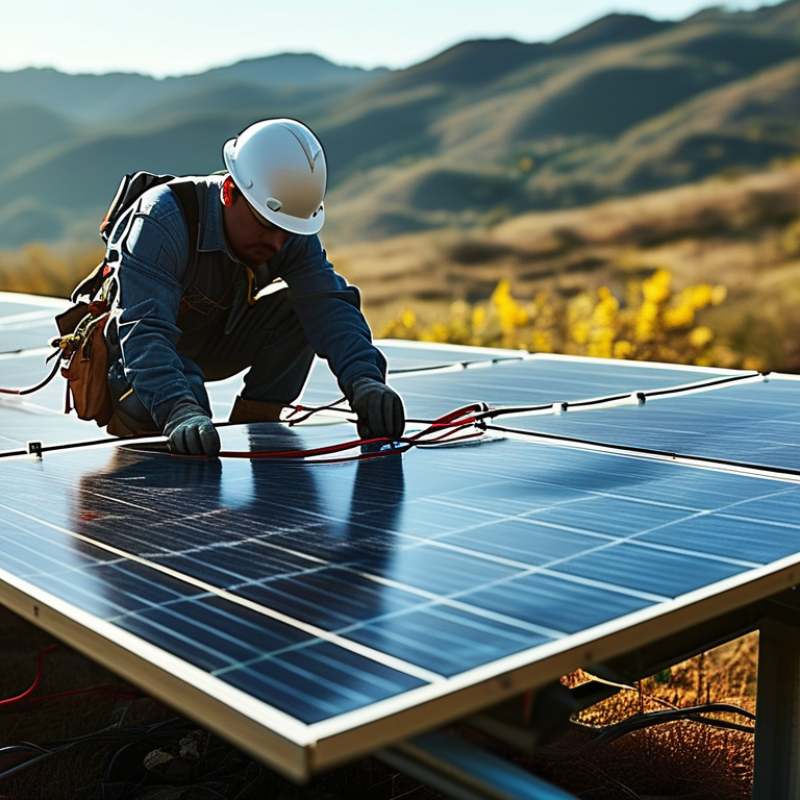
When working with solar panels, understanding wiring basics is crucial for safety. Solar panels produce electricity, even on cloudy days. Each panel generates a direct current (DC) that flows through wires. Knowing this helps in managing any disconnection process effectively.
Always wear insulated gloves when handling wires. Inspect connectors for any damage before proceeding. If you notice any wear, it may be better to consult a professional. Use appropriate tools designed for solar panel work. They enhance safety and efficiency.
Check the system’s manual for specific guidance. Different systems can have unique configurations. Ignoring this can lead to dangerous mistakes. Disconnecting wires during the day can be risky due to ongoing electricity generation. It's wise to monitor sunlight conditions. A cloudy day might seem safer but can still produce significant electrical output. Always prioritize safety in every step of the process.
Disconnecting solar panel wires requires careful planning and safety precautions. Assess the environment before starting. Ensure there are no nearby overhead lines. Check the weather forecast for potential storms. A calm day minimizes unexpected hazards. Secure loose cables to prevent tripping during disconnection.
Wear appropriate personal protective equipment (PPE). Insulated gloves and safety goggles are essential. They protect from electrical shock and debris. Ensure that your tools are insulated, reducing risks. Avoid wearing metal jewelry, which can pose dangers.
Sixty percent of accidents occur due to simple oversights. Make contingency plans for emergencies. Have a first aid kit nearby and inform someone of your work. Be aware of your surroundings and potential sources of energy. It’s better to take a moment to double-check than to rush and regret your decisions later.
When preparing to disconnect solar panel wires during the day, having the right tools is crucial for safety. First, a pair of insulated gloves is essential. These gloves protect you from any electrical shock while handling live wires. Next, consider using a voltage tester. This handy tool can help verify if the wires are live or safe to touch.
In addition to gloves and a voltage tester, wire cutters are critical. They allow for a clean cut if the wires need to be removed quickly. A sturdy pair of wire strippers might also come in handy for preparing new connections if needed later. Don’t forget about safety goggles, as small debris can fly during wire work.
However, having these tools is just part of the task. Even experienced individuals sometimes make mistakes. It’s easy to overlook important safety steps, like verifying that all connections are indeed offline. Mistakes can lead to hazardous situations. It’s vital to remain focused and double-check everything. Ensure you have a clear plan and workspace. Adequate lighting is also indispensable during the day. Even in daylight, shadows can create confusion around wire connections. Therefore, staying mindful of your environment can enhance your safety significantly.
Disconnecting solar panel wires safely requires careful attention to detail. Begin by ensuring that the system is powered down. Locate the main disconnect switch. This step is crucial to avoid any electrical shocks. Remember, even though the panels are generating energy, they should be properly isolated. Double-check that all switches are in the off position.
Next, wear appropriate safety gear. Insulated gloves can prevent accidents. Use a multimeter to confirm that no current is flowing. After ensuring safety, carefully detach the wires from the junction box. Take note of the wire colors and positions for a proper reconnection later. Always support the panel as you disconnect to prevent any damage.
In the process, take your time. Rushing can lead to mistakes. Keep in mind that you may encounter corrosion on connections, which can complicate disconnection. If a connector is stuck, don’t force it; instead, use some contact cleaner to loosen it. Reflect on each step and adjust as necessary to ensure safety throughout the process.
Verifying the system status after disconnecting solar panel wires is crucial for safety. First, check the inverter’s lights. These indicators reveal if the system is still active. If the lights are off, it is likely safe to proceed. However, even with lights off, wear protective gear. Double-check that no voltage is present.
Inspect the junction box where the wires connect. Look for any signs of damage or corrosion. Even minor wear can lead to problems. Use a voltage tester to confirm that no current is flowing. This extra step can prevent accidents.
Tips: Always work with a partner when disconnecting solar panel wires. This ensures someone can assist in an emergency. Keep your workspace tidy and free of obstacles. Avoid distractions to stay focused. Remember: safety first. Misplaced tools or unverified connections can result in dangerous situations.
: It ensures safety when working with solar systems. Knowledge helps manage disconnections effectively.
Always wear insulated gloves and protective gear. This minimizes the risk of electrical shock.
Verify the inverter’s lights. If they’re off, it’s likely safe, but wear protective gear regardless.
Assess the environment for hazards. Secure loose cables and check weather conditions to avoid risks.
Damaged connectors can lead to dangerous mistakes. Always check for wear or corrosion.
No, it’s safer to work with a partner. They can assist in case of an emergency.
Use insulated tools designed for solar panels. They enhance safety and efficiency during disconnection.
Stay focused and eliminate distractions. Keep tools organized and verify connections before proceeding.
Consult a professional for advice. Ignoring wear can result in hazardous situations later on.
When considering how to disconnect solar panel wires safely during the day, it's crucial to first understand the basics of solar panel wiring. Before initiating the disconnection process, assessing safety precautions is essential to ensure a secure environment. This includes wearing appropriate personal protective equipment and making sure that all system components are properly handled.
Identifying the correct tools for the task is also key; you will need insulated tools designed for electrical work. The actual disconnection steps involve systematically isolating the solar panel system from the inverter and carefully removing the wires, all while monitoring for any signs of electrical activity. After disconnection, verifying the system status ensures that the panels are not live and that everything is safe. Following these guidelines can help ensure a smooth and secure process when learning how to disconnect solar panel wires safely during the day.

Phlox Energy