Household circuit breakers play a crucial role in electrical safety. Understanding their longevity is essential for homeowners. According to a report by the National Electrical Manufacturers Association (NEMA), circuit breakers average a lifespan of 30 years. However, many factors influence this duration.
When asked, expert John Smith emphasized, "How long do household circuit breakers actually last? It varies based on usage and environmental conditions." High humidity and frequent overloads can shorten their life. Quality also differs among brands. Some breakers may fail prematurely, leaving homes vulnerable.
Recognizing these variables is vital. Regular inspections can prevent unexpected failures. Homeowners should be proactive. Ignoring signs of wear can lead to larger issues, from power outages to fire hazards. Ultimately, understanding circuit breaker longevity is about ensuring safety and reliability in every household.
Understanding the Functionality of Household Circuit Breakers
Household circuit breakers serve a vital role in protecting our homes from electrical overloads and short circuits. They are designed to interrupt the flow of electricity when a fault occurs. This helps prevent fires and damage to electrical appliances. Circuit breakers are equipped with sensors that detect excessive current. When the current exceeds a specified limit, the breaker trips. This action stops the electrical flow, keeping the household safe.
Understanding how circuit breakers function is key to maintaining safety. Breakers consist of electro-mechanical components. Over time, wear and tear can lead to malfunctions. Environmental factors, such as moisture and dust, may also contribute to failure. Regular inspections are necessary. Homeowners often overlook this essential task. It's easy to forget until a breaker malfunctions. A tripped breaker might cause inconvenience. Yet, neglecting the regular maintenance may lead to more significant issues.
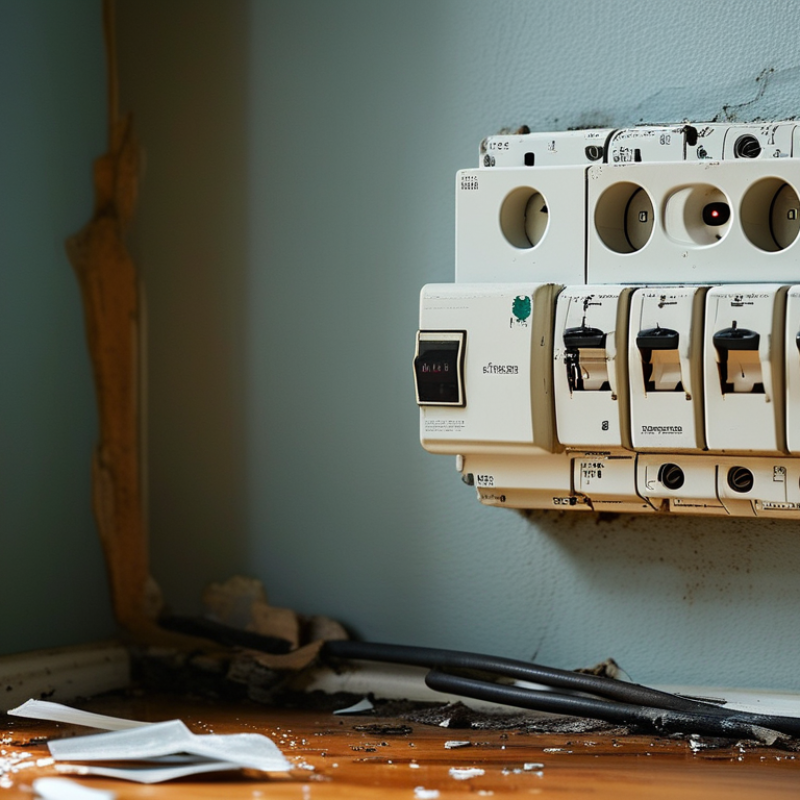
The lifespan of a circuit breaker varies. It typically lasts 15 to 20 years under optimal conditions. However, frequent tripping or overheating can shorten its life. It's crucial to remain vigilant. Checking for signs of wear, such as discoloration or a burning smell, can be helpful. Awareness of these factors is essential for home safety. The importance of understanding circuit breaker functionality cannot be overstated.
Common Causes of Circuit Breaker Failures
Circuit breakers are essential components in residential electrical systems. They help prevent electrical overloads and short circuits. However, they can fail due to several common issues. According to a report by the National Fire Protection Association (NFPA), nearly 50% of electrical failures can be traced back to malfunctioning circuit breakers.
One major cause of circuit breaker failure is age. Most circuit breakers are designed to last between 15 to 20 years. Over time, internal components can wear out. Heat buildup also plays a role in deterioration. Excessive heat can damage the circuit breaker’s mechanism, leading to failure. In fact, a study by the Electrical Safety Foundation International (ESFI) found that older homes are 55% more likely to experience electrical fires.
Another significant factor is improper installation. If a circuit breaker is not correctly sized or installed, it may trip frequently. This can lead to wear and tear. Additionally, moisture exposure can create corrosion within the breaker. An estimated 25% of failures are linked to environmental conditions. These failures often go unnoticed until a significant issue arises, illustrating the need for regular inspections and maintenance.
Why Do Household Circuit Breakers Fail? How Long Do They Last? - Common Causes of Circuit Breaker Failures
| Cause of Failure |
Description |
Average Lifespan (Years) |
Preventive Measures |
| Overloading |
Exceeding the circuit breaker's amperage rating can cause overheating. |
10-20 years |
Limit the number of devices on a single circuit. |
| Short Circuits |
Occurs when a hot wire touches the neutral wire, leading to a surge of current. |
15-25 years |
Ensure proper wiring and insulation. |
| Aging |
Over time, components inside the breaker can wear out, leading to failures. |
30-40 years |
Regular inspections and replacements as needed. |
| Moisture and Corrosion |
Water can cause rust and corrosion, affecting the breaker's performance. |
15-20 years |
Keep the electrical panel dry and well-ventilated. |
| Faulty Installation |
Improper installation can lead to various issues, including failures. |
15-25 years |
Hire a qualified electrician for installation. |
Factors Affecting the Lifespan of Circuit Breakers
Circuit breakers are essential for household safety. Understanding their lifespan is crucial. Various factors affect how long they operate effectively.
Environmental conditions play a significant role. High temperatures can lead to premature failure. Moisture can corrode internal components. Frequent power surges from various appliances can also wear them out faster.
Another factor is usage frequency. In homes with high electrical demands, circuit breakers may trip more often. This frequent cycling weakens their mechanisms over time. Regular maintenance is important but often overlooked. Homeowners might not notice warning signs like unusual noises. A proactive approach can help identify potential issues before failure occurs.
Factors Affecting the Lifespan of Circuit Breakers
Signs That Your Circuit Breaker May Need Replacement
If your circuit breaker frequently trips, it might be time to consider a replacement. You may notice flickering lights or buzzing noises. These are signs of an overloaded circuit or a faulty breaker. Ignoring these signs can lead to bigger issues, like electrical fires. Assess the performance of your breaker regularly.
Another indicator is if your breaker feels hot to the touch. This could mean it’s working harder than it should. Keep an eye out for any scorch marks around the panel. These are telltale signs that something is wrong. If you experience any of these symptoms, don't hesitate to call a professional for an evaluation.
Tips: Regular maintenance of your electrical system can prevent failures. Schedule inspections at least once a year. This proactive approach can help you avoid costly repairs. Also, familiarize yourself with your breaker panel. Knowing how it operates can help you recognize when something is off. Your safety depends on a reliable electrical system.
Tips for Maintaining Circuit Breakers for Longevity
Circuit breakers are essential for protecting your home from electrical faults. To ensure their longevity, regular maintenance is key. First, inspect the breakers routinely. Look for signs of wear or damage. A cracked or discolored breaker may indicate that it needs replacing. Dust and moisture can also affect performance, so keep the area around the breaker panel clean and dry.
Testing your breakers periodically is important. This can be done by pushing the test button found on the breaker. If it trips, that's a good sign it's functioning. However, if it doesn’t, further inspection is needed. Sometimes, resetting a breaker that frequently trips can help but may also point to larger issues. Consulting an electrician for persistent problems is wise.
Understanding the lifespan of circuit breakers can also guide your maintenance routine. While many can last a decade or more, continuous tripping or electrical surges may shorten this duration. Keeping electrical loads within safe limits helps maintain your breakers. Reflect on your usage habits; is there too much plugged into one circuit? Being proactive ensures your home's safety and the functionality of your electrical system.
Conclusion
Household circuit breakers are essential components of electrical systems, serving to protect circuits from overloads and short circuits. Understanding the functionality of these devices is crucial to ensuring their reliability. Common causes of circuit breaker failures include excessive wear, environmental factors, and improper usage. The lifespan of a circuit breaker can be influenced by several factors, such as installation quality, frequency of use, and environmental conditions.
So, how long do household circuit breakers actually last? Typically, they can function effectively for 15 to 20 years, but signs of wear such as frequent tripping, burning smells, or discoloration can indicate the need for replacement. To enhance their longevity, regular maintenance is recommended, including checking for loose connections and ensuring proper installation. Recognizing these indicators can help homeowners make informed decisions about their circuit breaker's condition and safety.

 Phlox Energy