Identifying a blown fuse can be challenging, especially without a multimeter. Many people feel frustrated when their electrical devices suddenly stop working. They often wonder how to check if a fuse is blown without a multimeter. This situation is common in households and vehicles alike. Sometimes, the problem is not obvious. A blown fuse may not always show visible damage, which adds to the confusion.
Using basic techniques can help you determine if a fuse has failed. One popular method involves a simple visual inspection. Often, a blown fuse will show signs of blackening or a broken wire inside. Another method requires using a continuity test with minimal tools. This approach allows users to gain confidence in their assessment of a fuse’s condition. It provides practical skills that can save time and effort.
However, not all techniques guarantee accuracy. There may be cases where the fuse appears intact, yet still does not conduct electricity. This limitation can lead to unnecessary frustration. Understanding how to check if a fuse is blown without a multimeter empowers individuals to troubleshoot small electrical issues effectively. This knowledge fosters independence in handling minor electrical repairs.
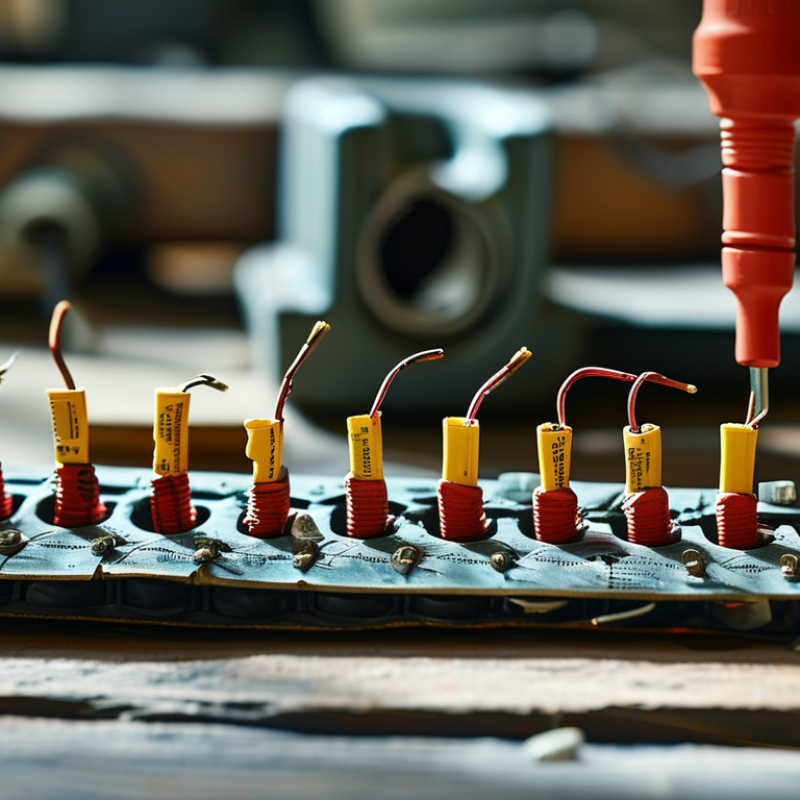
Identifying a blown fuse can save you time and money. Visual inspection is the simplest method. Look for discoloration in the fuse. A darkened or cloudy appearance usually signals failure. In some cases, the metal strip inside may be broken. This indicates that the fuse has blown and needs replacement.
According to industry reports, around 30% of electrical issues arise from blown fuses. Many people overlook the visual signs. Check the connections as well; loose wires can also cause fuse failure. Pay attention to physical damage too. A burnt smell near the fuse holder often indicates overheating.
Another key detail is the type of fuse used. Some may fail more often under heavy loads. Understanding your electrical system can help in identifying potential problems. Observing these signs early can prevent larger electrical issues, which might cost hundreds in repairs.
Fuses play a critical role in electrical circuits. They protect wiring and devices from overloads. When excessive current flows, the fuse acts as a weak link. It blows, cutting off the circuit and preventing potential fire hazards. According to the National Fire Protection Association, electrical failures caused $1.5 billion in property damage annually. This highlights fuses' importance in maintaining safety.
Understanding how fuses operate is vital for every homeowner. A blown fuse can halt electrical flow, making it essential to check them regularly. The Consumer Product Safety Commission emphasizes that improper usage can double the risk of overloads. This underlines the need for awareness regarding fuse ratings. Regularly inspecting fuses can save time and prevent future problems.
It's easy to overlook your fuse box. Many people ignore its significance until issues arise. A blown fuse may seem minor, but it could indicate a bigger problem. Staying informed about your home’s electrical system can empower you. Knowledge can prevent unexpected expenses brought on by electrical failures.
Identifying a blown fuse in household appliances is crucial for maintenance. Common symptoms often include a complete lack of power to the device or lights flickering erratically. You may also notice unusual smells or burning odors when a fuse has blown. The Consumer Product Safety Commission notes that electrical failure accounts for around 20% of appliance malfunctions.
Another strong indicator of a blown fuse is the sudden cessation of appliance function. For instance, if your refrigerator fails to run, it might be because of a blown fuse. In many cases, appliances like microwaves and toasters can also display signs like sparks or smoke, indicating an underlying electrical issue.
Tips: Regular checks on appliances can prevent larger issues. Inspect the cords and plugs for any wear. Replacing a blown fuse promptly can help maintain safety levels. Keep in mind that troubleshooting should be approached with caution. Sometimes, the identifiable symptom may not be directly linked to the fuse itself. Always consider consulting an electrician if you feel uncertain. This ensures your safety is prioritized, while also addressing any underlying electrical problems efficiently.
When a fuse blows, knowing how to test it without a multimeter can save time. One effective method involves visual inspection. Start by removing the fuse from its holder. Examine the metal wire inside. If it appears broken or burnt, the fuse is definitely blown. Hold it up to the light. You should clearly see the condition of the metal strip.
Another technique is to use a continuity test with a battery and a light bulb. Connect the battery to the light bulb's terminals. Next, touch the fused ends to the bulb's contacts. If the bulb lights up, the fuse is good. If it remains dark, the fuse is faulty. Be aware this method may require some trial and error. Ensure your connections are solid for accurate results.
Additionally, you can perform a physical test by shaking the fuse gently. Listen for any rattling sound. A rattling fuse often indicates broken elements inside. However, this method isn't foolproof. You might need to explore other techniques if unsure about the results. Remember to always prioritize safety when working with electrical systems.
When diagnosing electrical issues, a blown fuse can often be the culprit. If you don’t have a multimeter at hand, don’t panic. Continuity methods can help you identify the problem effectively.
One simple method involves using a battery and a small light bulb. Connect the light bulb and the battery in series. If the light bulb turns on, there is still continuity in the circuit. If it remains off, that indicates a break, potentially due to a blown fuse.
Tip: Always ensure the power is turned off before testing any connections. This guarantees your safety and avoids further damage to the system.
Another approach is to check the fuse visually. Sometimes, a blown fuse presents visible signs. Look for a broken filament or darkening inside the glass. However, not all blown fuses show such clear indications, leading to some uncertainty in diagnosis.
Tip: In uncertain cases, comparing the suspected blown fuse with a known good one can provide reassurance. Use this method as a backup when in doubt. Always handle electrical components carefully to avoid further complications.
| Method | Description | Tools Required | Safety Tips |
|---|---|---|---|
| Visual Inspection | Check the fuse for any visible signs of damage or discoloration. | None | Always ensure the power is off before inspecting any fuses. |
| Continuity Test with a Battery | Use a battery and light bulb to see if the circuit is complete. | Battery, light bulb, connecting wires | Handle all components with care and ensure correct connections. |
| Ohm's Law Check | Measure resistance across the fuse terminals to determine its status. | Ohm’s Law concepts, basic knowledge of electrical components | Always use insulated tools to prevent shocks. |
| Using a Known Good Fuse | Replace the suspect fuse with a known good fuse to test the circuit functionality. | Replacement fuse | Ensure the replacement matches the original specifications. |
| Using a Tones Tester | Connect a tones tester in the circuit to hear if there is continuity. | Tones tester | Wear insulated gloves and safety glasses during the test. |
: Common signs include no power, flickering lights, and unusual smells. You might also see sparks or smoke.
Visual inspection is one method. Look for broken filaments or dark spots inside the fuse.
A blown fuse may be the cause. Inspect the fuse and consider replacing it if necessary.
Yes, but always turn off the power first. Safety is essential when dealing with electrical components.
Connect the bulb and battery in series. If the bulb lights up, the circuit is fine; if not, there may be a break.
No, some may not show clear signs. This can lead to uncertainty during diagnosis.
If uncertain, consult an electrician. This helps ensure safety and addresses any complex issues.
Regular inspections can prevent larger problems. Check cords and plugs for any signs of wear regularly.
Compare the suspected blown fuse with a known good fuse for reassurance when diagnosing an issue.
Yes, improper handling can lead to injuries or further damage. Always proceed with caution.
In the article titled "How to Identify a Blown Fuse Without a Multimeter," readers will discover practical methods for assessing whether a fuse has blown without needing specialized tools. The guide emphasizes the importance of recognizing visual signs, such as discoloration or a broken wire within the fuse, to help diagnose issues efficiently. Additionally, it explores the fundamental role of fuses in protecting electrical circuits and ensuring safety in the home.
For those curious about how to check if a fuse is blown without a multimeter, the article outlines various manual techniques and continuity methods. These approaches enable individuals to test fuses using simple household items or techniques, empowering them to troubleshoot electrical failures in household appliances effectively. This comprehensive guide equips readers with the knowledge to manage common electrical issues safely and effectively.

Phlox Energy