Can a Power Strip Surge Protector Safely Power a Space Heater?

Time:2026-08-27 Author:Sienna
0%

Can a power strip surge protector handle a space heater? This question looms large for many consumers, especially as winter approaches. Space heaters can draw significant power, sometimes up to 1500 watts. According to the U.S. Consumer Product Safety Commission, improper usage of these devices can lead to fires. Therefore, it's essential to understand the limitations of power strips in such scenarios.

Many experts caution against connecting high-wattage devices like space heaters to power strips. A study by the National Fire Protection Association highlights that over 40% of home heating fires involve space heaters. This emphasizes the need for reliable power sources. Power strips may protect against surges, but they may not support continuous high loads.

Relying solely on a surge protector for high-draw appliances poses risks. It is vital to use a dedicated outlet for space heaters. Consumers should also consider using heaters with automatic shut-off features for increased safety. This combination of precautions can help mitigate potential hazards effectively.
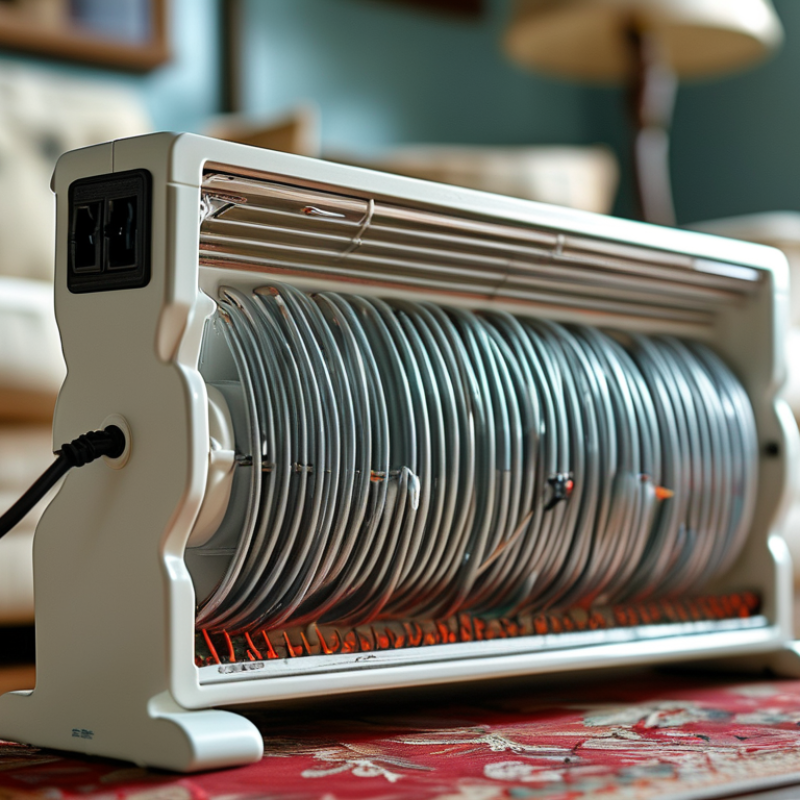
Can a Power Strip Surge Protector Safely Power a Space Heater?

Understanding Power Strip Surge Protectors and Their Functions

A power strip surge protector is designed to shield electronics from voltage spikes. They are essential for devices that require stable power. However, space heaters are often a different story. Their high wattage can exceed the limits of standard surge protectors. Not all power strips can handle the heat generated by a space heater. This raises safety concerns.

Surge protectors typically manage low to moderate power loads. Running a space heater through one can lead to overheating. You could risk damaging the heater or the protector itself. Additionally, using a power strip inappropriately increases the chances of fire hazards. It's vital to understand the specifications. Check the wattage rating on both the space heater and the surge protector.

Real-life stories highlight the dangers. Some users have reported melted plugs or burnt cords. Others experienced tripped circuit breakers. Not every power strip is made equal, so caution is crucial. Experts recommend plugging space heaters directly into a wall outlet. This minimizes any risk associated with power strips. Always prioritize safety over convenience, especially in colder months when heaters are in high demand.

Can a Power Strip Surge Protector Safely Power a Space Heater?

Dimension Details
Power Rating Typically 1500W for standard space heaters
Surge Protection Filters spikes and surges to protect devices
Maximum Load Often around 10-15 amps
Safety Rating Look for UL or ETL certification
Usage Recommendations Not recommended to use for permanent heating solutions
Heat Risk Increased risk of overheating and fire hazards
Circuit Compatibility Ensure outlet capacity meets heater requirements

The Risks of Connecting Space Heaters to Power Strips

Using a power strip to connect a space heater poses significant safety risks. According to the National Fire Protection Association (NFPA), space heaters are involved in 43% of home heating-related fires. Many power strips are not designed to handle the high electricity demand of these appliances, which can lead to overheating.

Standard power strips typically support around 15 amps of current. Space heaters, however, can draw anywhere from 12 to 16 amps, exceeding the capacity of most strips. Overloading a power strip can cause internal components to melt or ignite, leading to dangerous situations. A report from the U.S. Consumer Product Safety Commission highlighted that over 25,000 residential fires occur annually due to space heaters, emphasizing the importance of proper usage.

Moreover, connecting a space heater to a power strip is not just about the electrical load. Many strips lack essential safety features like thermal fuses or overload protection, which are critical in preventing fire hazards. It's vital to recognize these risks and always plug space heaters directly into wall outlets. This advice is supported by numerous industry studies, urging consumers to prioritize safety over convenience when using high-wattage devices.

Safety Standards and Ratings for Electrical Devices

When it comes to powering a space heater, safety standards are critical. Many people assume a power strip surge protector can handle the load. However, that assumption can be dangerous. A space heater requires significant energy, often exceeding the capacity of standard power strips. This can lead to overheating, potential fire hazards, and even damage to the heater.

Understanding the ratings on electrical devices is essential. Most surge protectors are rated for a specific wattage. If the combined wattage of the devices plugged in exceeds this limit, the risks increase. Look for surge protectors with thermal fuses or circuit breakers. These features provide an extra layer of safety. Yet, even with these features, caution is warranted when selecting power solutions for high-wattage appliances.

It's crucial to regularly inspect power strips for signs of wear. Damaged cords or frayed wires can be indicators that the device is no longer safe. Always consider the environment where the heater is operated. Using a power strip in a damp or overly dusty area increases risks. While surge protectors provide surge protection, relying solely on them for high-risk devices may not be wise. Prioritizing direct wall outlets for space heaters is often the healthiest approach.

Best Practices for Using Power Strips with High-Wattage Appliances

When using power strips for high-wattage appliances, safety should always be a priority. Most power strips are not designed to handle the substantial energy demands of space heaters. In fact, many can only support devices drawing 10-15 amps. Space heaters typically consume around 12-15 amps or more, which can easily overload a typical strip. This overload can lead to overheating and potential fires.

To safely use power strips, consider these practices. Always check the power rating of your strip. Use a heavy-duty strip specifically made for high-wattage equipment if necessary. Ensure it has built-in surge protection to safeguard against voltage spikes. Avoid plugging multiple high-wattage devices into one strip. This can create excessive heat and risk failure. It’s crucial to use dedicated outlets whenever possible, especially for appliances like space heaters.

Regularly inspect your power strips for signs of damage. Look for frayed wires, scorch marks, or melted plastic. If you notice any issues, replace the strip immediately. Proper ventilation around the power strip is also important. Avoid covering it with rugs or furniture. These small adjustments can significantly enhance safety but require vigilance and consistency.

Power Strip Usage with High-Wattage Appliances

This chart displays the power consumption (in watts) of various high-wattage appliances. It is important to note that using a power strip with devices such as space heaters, air conditioners, and microwaves can exceed the strip's rated capacity, potentially leading to overheating or fire hazards. Always check the wattage ratings and consider plugging these appliances directly into a wall outlet for safety.

Alternative Solutions for Safely Powering Space Heaters

When it comes to powering space heaters, using a power strip surge protector may not be safe. Space heaters draw significant power, often exceeding the capacity of standard surge protectors. Overloading a power strip can lead to overheating and potential fire hazards. Therefore, exploring alternative solutions is essential for safe heating.

Hardwiring a space heater directly to a dedicated outlet is one reliable option. This ensures the heater receives the necessary power without the risk of overload. If hardwiring isn't feasible, consider using a wall socket with adequate amperage rating. Ensuring the outlet meets safety standards is crucial.

Additionally, utilizing heavy-duty extension cords designed for high wattage is another potential solution. These cords can handle higher loads and reduce risks, but they still present some challenges. Always inspect cords for wear and avoid running them under rugs or through doorways. Awareness of electrical capacity while using any equipment is vital in preventing accidents.

FAQS

: Can I use a power strip for my space heater?

: No, it's unsafe. Power strips often can't handle the high electricity demand of space heaters.

What percentage of home heating fires involve space heaters?

Space heaters are involved in 43% of those fires, according to safety associations.

What happens if I overload a power strip with a space heater?

Overloading can cause melting or ignition of internal components, leading to fire hazards.

What maximum current do standard power strips support?

Most standard power strips support around 15 amps, but space heaters can use 12 to 16 amps.

How can I ensure safety when using electrical devices?

Look for power strips with thermal fuses or circuit breakers for added protection.

What should I do if I notice wear on my power strip?

Inspect regularly. Damaged cords or frayed wires are signs it’s no longer safe.

Where should I plug in my space heater?

Always plug space heaters directly into wall outlets to reduce risk.

Are all surge protectors safe for high-wattage devices?

No, many surge protectors have limits. Ensure you check wattage ratings before use.

Does the environment affect the safety of power strips?

Yes, using them in damp or dusty areas increases risks significantly.

Should I use a power strip if it has extra safety features?

While those features help, relying solely on power strips for space heaters isn't wise.

Conclusion

The article titled "Can a Power Strip Surge Protector Safely Power a Space Heater?" delves into the crucial aspects of using power strip surge protectors with high-wattage appliances like space heaters. It begins with an understanding of how power strip surge protectors function and the inherent risks associated with connecting space heaters to them, highlighting potential dangers such as overheating and fire hazards.

Further, the article outlines relevant safety standards and ratings for electrical devices, emphasizing the importance of adhering to these guidelines. It also offers best practices for using power strips safely in conjunction with high-wattage appliances, and recommends alternative solutions for powering space heaters effectively. Ultimately, it poses the question of whether a power strip surge protector can handle a space heater responsibly, steering readers towards safer choices and practices in their use of electrical equipment.

Sienna

Sienna

Sienna is a skilled marketing professional with a deep expertise in our company’s core products and services. With a passion for innovation and detail, she plays a pivotal role in crafting insightful blog posts that not only highlight the unique features of our offerings but also provide valuable......