When considering home protection, sizing a whole house surge protector is essential. Many homeowners overlook this critical step. Properly sizing your surge protector can prevent costly damage to appliances and electronics. Tim McCarthy, a leading expert in electrical safety, emphasizes, "Understanding how to size a whole house surge protector properly is key to safeguarding your home."
Electrical surges can occur unexpectedly, caused by lightning strikes or power grid issues. Without the right surge protector, you risk losing your valuable devices. Many people think one size fits all, which is far from ideal. Sizing depends on your home’s electrical system and the potential for surges in your area.
Choosing the right protector may feel overwhelming. Misestimating your needs can lead to inadequate protection or wasted money. A well-sized surge protector can make a significant difference. Take time to research and consult with experts. Identifying the right specifications can be challenging but rewarding in the long run. Protecting your home is worth the effort.
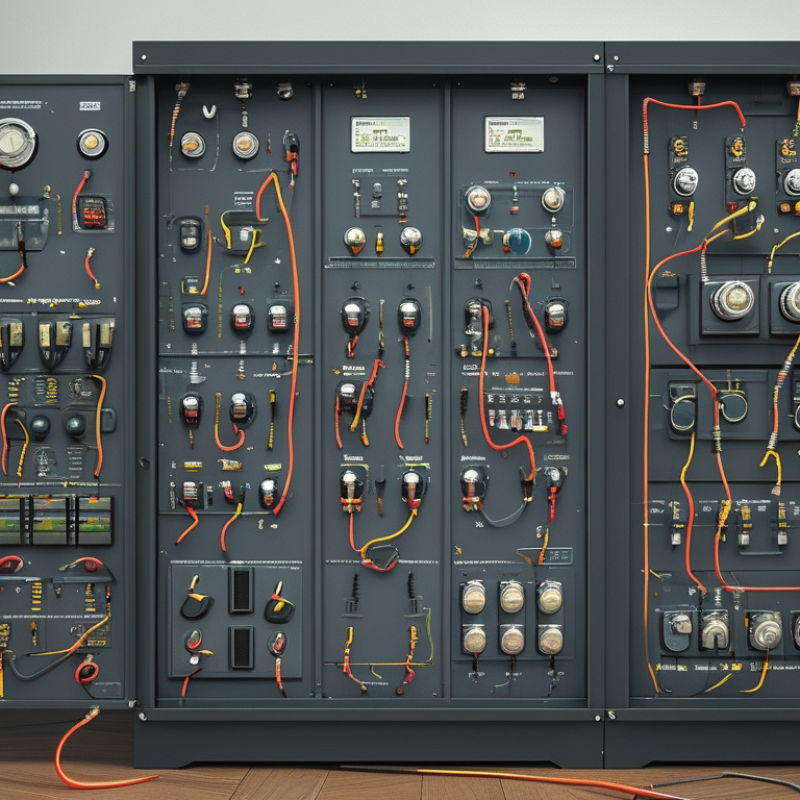
Understanding Whole House Surge Protectors
Understanding the importance of whole house surge protectors is essential for homeowners. These devices safeguard electrical systems against voltage spikes. According to a report by the Institute of Electrical and Electronics Engineers (IEEE), surge events can increase voltage by over 1,000 volts. Such spikes can damage sensitive electronics and appliances.
When sizing surge protectors, consider both the capacity and the layout of your home. A poorly sized protector may fail to shield connected devices adequately. A study from the National Electrical Manufacturers Association (NEMA) indicates that the average household can experience multiple surge events per year. Proper sizing can mitigate these risks, increasing the longevity of your appliances.
Many homeowners overlook this critical defense mechanism. A significant oversight can lead to costly repairs. It's vital to evaluate your electrical usage patterns. For instance, a home with more high-demand electronics should opt for a robust protection system. Inadequate protection may leave valuable devices vulnerable. Understanding these nuances can empower you to make informed decisions regarding surge protection for your home.
Importance of Proper Sizing for Electrical Safety
Selecting the right size for a whole house surge protector is crucial for maintaining electrical safety. Proper sizing reduces the risk of equipment damage due to power surges. According to the Electrical Safety Foundation International, improperly sized surge protectors can lead to significant financial losses, estimated at over $1 billion annually in damage to sensitive electronic devices.
A common guideline is to choose a surge protector with a rating that matches the total electrical load of your home. If your home's average load is 200 amps, a surge protector rated for at least that amount is essential. Additionally, take into account peak flow surges, which can occur during electrical storms. Reports show that over 60% of surges originate from internal sources, highlighting the need for effective protection indoors.
**Tips:**
- Regularly inspect your surge protector to ensure it shows no signs of wear or damage.
- Consider consulting a licensed electrician to assess your home's electrical needs accurately.
- Be mindful of devices that require more protection, like computers and appliances with motors. Understanding these factors can lead to safer, more efficient energy use.
Importance of Proper Sizing for Whole House Surge Protectors
This chart illustrates the importance of properly sizing whole house surge protectors. As indicated, the number of improperly sized protectors decreases significantly as the required size increases, emphasizing the critical aspect of electrical safety in home installations.
Factors Influencing Surge Protector Sizing
When choosing a whole house surge protector, understanding the factors that influence its sizing is crucial. One major factor is the home's electrical amperage. Houses with a higher amperage often require larger surge protectors. According to the National Electrical Manufacturers Association (NEMA), residential systems range from 100 to 400 amps. Using the right size ensures adequate protection against voltage spikes.
Additionally, the types and number of electrical devices in your home play a significant role. The more devices you have, the greater the risk of surge damage. A recent study from the Electrical Safety Foundation International (ESFI) indicates that improper surge protector sizing can lead to significant repair costs, estimating losses to be in the range of $15 billion annually. Understanding your device inventory can help in selecting the best surge protector size.
Finally, your location matters. Areas prone to thunderstorms or electrical grid issues may require enhanced protection. The Institute of Electrical and Electronics Engineers (IEEE) recommends analyzing regional electrical risks when sizing a surge protector. Making an informed choice not only protects your electronics but also enhances home safety. Recognizing the importance of proper sizing may seem complex, but it is essential for long-term security. Each home requires a tailored solution.
Common Types of Surge Protectors and Their Specifications
Surge protectors are essential for safeguarding your home’s electrical system.
Understanding the different types can help you make informed choices. There are typically three main types of surge protectors:
whole house,
point-of-use, and
strip protectors. Whole house surge protectors, which are installed at the main electrical panel,
offer the highest level of protection against voltage spikes.
Whole house surge protectors can handle surges up to 40,000 Amperes. Compare this to point-of-use protectors,
which usually handle surges around 10,000 Amperes. The difference in specifications highlights the need for
proper sizing of your surge protection system. Without adequate protection, your electronics can incur damage costing
thousands in repairs or replacements, according to industry reports.
When choosing a surge protector, consider the joule rating. A higher joule rating
indicates better protection against power surges. Regularly check and replace older units, as they lose effectiveness over time.
Tip: Install a whole house surge protector to shield sensitive devices. Use point-of-use protectors for additional layers.
Assess your home's electrical capacity to determine the right size for the whole house system. This proactive approach will save you
from significant repair costs.
Installation Considerations for Optimal Protection
When considering a whole house surge protector, installation is key for optimal protection. A well-sized surge protector can mitigate voltage spikes that threaten your home's electrical system. The National Electrical Manufacturers Association reports that electrical surges can cost homeowners thousands in damages. Therefore, understanding the right sizing can prevent such losses.
Choosing a surge protector requires knowledge of your home’s electrical usage. This includes knowing the total amperage of your service panel. Most homes operate on either 100, 150, or 200 amps. Yet, many homeowners underestimate their peak usage. A surge protector that is too small will not provide adequate defense against surges.
Installation involves more than just selecting the right size. It requires professional expertise to ensure proper placement and grounding. Often, homeowners overlook the importance of proximity to the main panel. If the surge protector is too far away, efficiency may decrease significantly. Moreover, regular inspections are necessary to ensure that the unit remains functional and effective. Keeping track of wear and tear can lead to better longevity and safety of the protector.
FAQS
: Whole house surge protectors shield electrical systems from dangerous voltage spikes.
Proper sizing prevents damage to devices during power surges. Inadequately sized protectors can lead to costly repairs.
Choose a surge protector with a rating matching your home's total electrical load. Assess your amperage needs carefully.
Consider your home's electrical amperage, the number of devices, and regional electrical risks such as storms.
Regular inspections help identify signs of wear or damage. Early detection can prevent future issues.
While possible, consulting a licensed electrician ensures accurate assessment of your home's needs and safe installation.
High-demand devices like computers and appliances with motors require robust surge protection to prevent damage.
Many fail to realize the risk of voltage spikes. This oversight can result in unexpected, costly repairs.
It can lead to significant financial losses, potentially exceeding $1 billion annually in damages to electronics.
Use larger surge protectors and consider additional protection measures to mitigate regional electrical issues effectively.
Conclusion
Properly sizing a whole house surge protector is essential for ensuring the safety and longevity of your home’s electrical system. Understanding the various factors influencing surge protector sizing, such as the total electrical load, the type of devices being protected, and the specific characteristics of your home’s electrical system, is crucial. By taking these factors into account, homeowners can select a surge protector that adequately meets their needs and provides optimal protection against power surges.
Common types of surge protectors include hardwired options and plug-in models, each with different specifications and installation requirements. Installation considerations should be carefully evaluated to maximize protection effectiveness. Learning how to size a whole house surge protector properly not only safeguards your electronic devices but also enhances the overall resilience of your electrical infrastructure, preventing costly damage from unexpected voltage spikes.

 Phlox Energy