China Top How to Reset a Tripped Breaker in an Old Panel?

Time:2026-10-01 Author:Isabella
0%

Learning how to reset a tripped circuit breaker in an old electrical panel starts with caution, not force. Older panels may have faded labels, stiff handles, loose connections, or outdated components. A breaker that suddenly moves to the middle position usually responds to an overload or short circuit. It may also signal a deeper wiring problem.

Licensed electrical educator Mike Holt often emphasizes, “Safety first, always.” That simple principle matters when a basement panel feels warm, smells burnt, or shows discoloration around one breaker. Do not remove the panel cover. Do not touch exposed wiring. Keep your hands dry, and stand on a dry floor while inspecting only the breaker handles.

To reset the breaker, switch the suspected handle fully to the “Off” position first. Then move it firmly to “On.” Some older breakers need a complete reset before they reconnect. If power returns and remains stable, reduce the load by unplugging high-wattage appliances from the affected circuit. A space heater, microwave, and refrigerator may exceed an aging circuit’s practical capacity.

Stop immediately if the breaker trips again. Repeated resetting is not a solution. It can hide overheating or damaged wiring inside the wall. That warning is easy to overlook. I have seen homeowners blame the breaker, when the real problem was a cracked receptacle or overloaded extension cord. An experienced electrician can test the circuit, inspect connections, and confirm whether the panel remains safe for service. This guide explains the process carefully, while recognizing one uncomfortable truth: an old panel may need professional evaluation, not another reset.
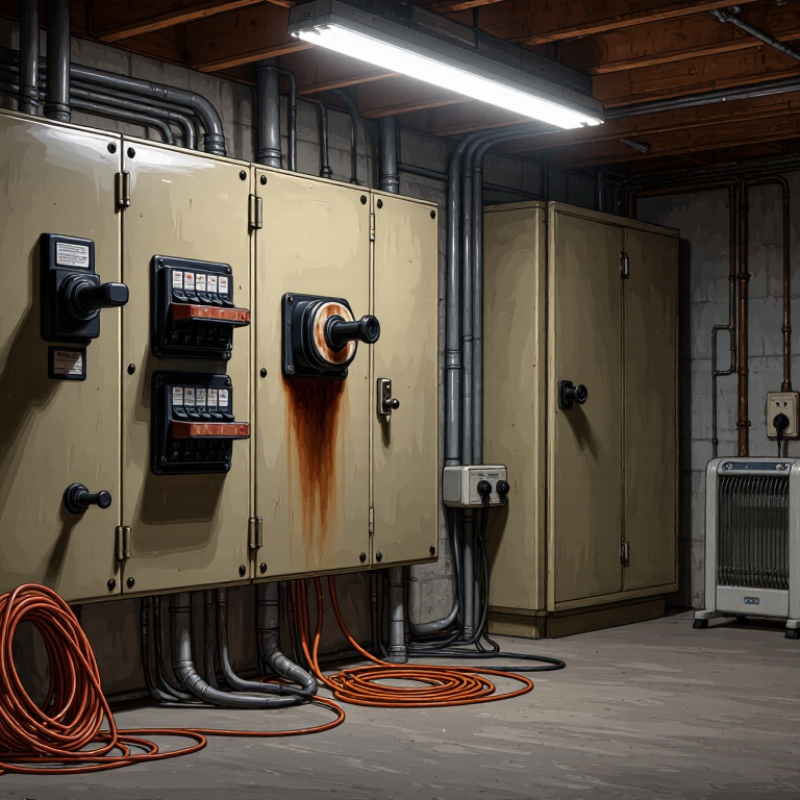
China Top How to Reset a Tripped Breaker in an Old Panel?

Identify the Breaker and Check for Immediate Hazards

China Top How to Reset a Tripped Breaker in an Old Panel?

Identify the Breaker and Check for Immediate Hazards

Stand beside the panel with dry hands and good lighting. Identify the tripped breaker by its middle position, not its label alone. Older labels can be faded, inaccurate, or missing. Check nearby outlets, appliances, and extension cords for unusual symptoms. Stop immediately if you notice a burning smell, buzzing, smoke, water, melted plastic, or a warm panel door. Do not remove the panel cover. Exposed components can remain energized.

NFPA’s Home Structure Fires research shows electrical distribution and lighting equipment are involved in about half of home fires linked to electrical failure or malfunction. That risk deserves more than a quick reset. Unplug nonessential loads, then move the breaker firmly to “off” before switching it to “on.” Reset it only once. If it trips again, leave it off and arrange an evaluation by a qualified electrician. Repeated resetting can hide damaged wiring or an overloaded circuit. I have found old panels especially difficult to read, and guessing is not a safe method. The U.S. Consumer Product Safety Commission also continues reporting thousands of electrical-fire injuries and property losses each year. A cracked cover, loose handle, or scorching around one breaker is enough reason to stop.

Prepare Safely Before Opening or Resetting the Panel

China Top How to Reset a Tripped Breaker in an Old Panel?

Prepare Safely Before Opening or Resetting the Panel

An old electrical panel deserves patience, not force. Stand on a dry floor, keep your hands dry, and use a flashlight. Move children and pets away before touching the panel. Do not remove the metal cover. Exposed terminals can remain energized, even when one breaker is off. National Fire Protection Association data recorded 32,650 home fires involving electrical distribution equipment annually from 2016–2020. Those fires caused 470 civilian deaths and about $1.3 billion in property damage.

Tips: Unplug high-load appliances before resetting. Look for heat, burning smells, buzzing, rust, loose wires, or discoloration. A warm or damaged breaker needs professional inspection. Some older panels also contain unusual layouts, making identification difficult. A wrong assumption can be dangerous.

With the panel closed, move the suspected breaker fully to OFF, then firmly to ON. Keep your face and body to the side. If it trips again, stop and leave it off. Repeated resets can indicate overload, a short circuit, or deteriorated wiring. Never reset a breaker with wet hands or while standing on a damp surface. If the handle feels loose, the panel cover is damaged, or the breaker will not hold, contact a licensed electrician. I sometimes see people focus only on restoring power. The safer question is why the breaker operated. That detail matters. (Source: National Fire Protection Association, Home Fires Involving Electrical Distribution and Lighting Equipment, 2016–2020.)

Continuous Load Limits for Common Residential Breakers

Before resetting a tripped breaker in an old panel, switch off or unplug high-load appliances and look for signs of damage, overheating, or burning. The chart shows the commonly applied 80% continuous-load limit used for circuit sizing: a 20-amp breaker, for example, supports up to 16 amps of continuous load. Do not repeatedly reset a breaker that trips again; have a qualified electrician inspect the circuit.

Reset the Tripped Breaker Using the Correct Procedure

How to Reset a Tripped Breaker in an Old Panel

A tripped breaker often protects wiring from overloads or short circuits. In an old panel, the labels may be faded, inaccurate, or missing. Do not touch the panel if you smell burning, see smoke, notice melted plastic, or feel unusual heat. Leave the area and contact a licensed electrician.

Turn off or unplug appliances on the affected circuit. Keep your hands dry, stand on a dry floor, and use a flashlight if the panel is poorly lit. Hold the breaker firmly and move it completely to the OFF position. You may feel a small click. Then move it to ON without forcing it. Reset only once.

Wait and observe.

If the breaker trips again, stop resetting it. The fault may involve damaged wiring, moisture, a failing appliance, or an overloaded circuit. Never remove the panel cover to inspect internal parts. Old systems can contain loose connections, corrosion, or insulation damage that is not visible from outside. A useful reality check is that the breaker label might be wrong, so check nearby outlets carefully. I have also seen people mistake a tripped breaker for an outage because its handle looked almost normal. That assumption can waste time and increase risk. Record what was running before the trip, then let a qualified electrician test the circuit with proper equipment.

China Top How to Reset a Tripped Breaker in an Old Panel? - Reset the Tripped Breaker Using the Correct Procedure

Step What to Do Why It Matters Safety Check
1. Identify the affected circuit Turn off or unplug appliances and lights that stopped working. Check the panel for a handle that is between the ON and OFF positions. A tripped breaker may not appear fully OFF, especially in an older panel. Use a flashlight if the area is dark. Do not remove the panel cover.
2. Reduce the load Unplug high-power devices and switch off equipment connected to the affected circuit. Overloading a circuit is a common cause of a breaker trip. Do not use extension cords as a permanent substitute for adequate wiring.
3. Move the breaker fully to OFF Firmly move the suspected breaker handle all the way to the OFF position before resetting it. Most circuit breakers must be fully switched off to clear the internal trip mechanism. Keep your hands dry and stand to the side of the panel while operating the handle.
4. Reset the breaker to ON Move the breaker handle from OFF to ON with a single firm motion. A click may be heard. This restores power if the breaker and circuit are operating normally. Do not force a handle that feels loose, stuck, or unusually hot.
5. Test the circuit gradually Confirm that power has returned, then reconnect devices one at a time. Gradual testing can help identify an overloaded or faulty appliance. Stop immediately if there is smoke, sparking, buzzing, burning odor, or heat.
6. Observe the result Monitor the breaker and connected equipment for several minutes after the reset. A breaker that trips again may indicate a short circuit, ground fault, overload, damaged wiring, or a defective appliance. Do not repeatedly reset a breaker that trips again.
7. Get professional assistance when needed Contact a qualified electrician if the breaker will not reset, trips repeatedly, or shows signs of damage. Older panels may contain deteriorated wiring, poor connections, obsolete components, or other hidden hazards. Seek urgent help for burning smells, visible arcing, melted insulation, water inside the panel, or electric shock.
Important: Resetting a breaker should only involve operating the external handle. Never remove the panel cover or touch internal wiring, because parts inside may remain energized even when a breaker is switched off.

Test the Circuit and Monitor for Another Trip

Resetting a breaker in an old panel should begin with a circuit test, not repeated switching. Turn off lights and unplug portable appliances on the affected circuit. Check for warm outlets, buzzing sounds, burning odors, or discolored covers. Stop immediately if you notice any warning sign.

Stand to the side and move the breaker firmly to OFF, then ON. Do not remove the panel cover. If the breaker trips again without any load, leave it off and contact a licensed electrician. A second trip may indicate damaged wiring, moisture, a failing breaker, or an overloaded circuit.

NFPA’s Home Structure Fires report for 2016–2020 found electrical distribution and lighting equipment involved in:

51% of reported home fires
69% of property damage
18% of fire deaths

If the breaker holds, restore power gradually. Plug in one known-safe appliance, then wait several minutes. Test the circuit with normal loads, such as a lamp and a small charger. Avoid adding heating equipment or extension cords during this check. Monitor the panel and outlets for heat, crackling, or another trip. Keep a simple note of what was running. It may reveal a pattern.

Old panels can hide loose connections or outdated protection. I would not assume the breaker is the problem. ESFI safety guidance treats repeated tripping as a warning, not an inconvenience. If the circuit trips under ordinary use, arrange professional testing before resetting it again.

Know When to Stop and Call a Qualified Electrician

Resetting a tripped breaker in an old panel requires restraint, not confidence.

I have seen homeowners reset a breaker repeatedly while a warm outlet quietly worsened. Turn off connected appliances and keep your hands dry. Use a flashlight if the panel area is dark. Never remove the panel cover.

If the breaker handle rests between positions, move it firmly to “off,” then back to “on” once. Stand to the side, and do not force a stiff handle. If it trips again, leave it off.

Repeated tripping may signal an overloaded circuit, damaged wiring, a loose connection, or a failing breaker. Old panels may also contain brittle insulation, corrosion, or inaccurate circuit labels. Labels can be wrong.

Stop immediately if you notice a burning smell, buzzing, heat, smoke, discoloration, sparks, moisture, or a mild shock.

Call a qualified electrician if the panel is damaged, the breaker will not reset, or you cannot identify the circuit safely. Do not remove the dead front or tighten internal screws yourself.

An electrician can test the circuit, check grounding and load, inspect connections, and determine whether repairs meet current local requirements. I once assumed a nuisance trip was harmless; the hidden heat proved otherwise. That assumption was unsafe.

FAQS

What should I do before opening or resetting an old electrical panel?

Keep the panel closed. Stand on a dry floor, dry your hands, and use a flashlight. Move children and pets away.

Should I remove the metal panel cover?

No. Exposed terminals may stay energized, even when a breaker is off. Leave internal parts to a qualified electrician.

How do I reset a tripped breaker safely?

Unplug high-load appliances first. Stand to the side, move the breaker fully to OFF, then firmly to ON. Do not force it.

What if the breaker trips again immediately?

Leave it off. Repeated trips can signal overload, damaged wiring, moisture, or a failing breaker. Do not keep resetting it.

What warning signs require immediate attention?

Stop if you notice heat, buzzing, smoke, burning smells, sparks, moisture, discoloration, or a mild shock. These details matter.

How can I test the circuit after the breaker holds?

Restore power gradually. Try one known-safe appliance, such as a lamp. Wait several minutes and watch for heat or another trip.

Can I use extension cords or heating equipment during testing?

Avoid them during the check. High loads can hide the real problem or trigger another trip. Keep the test simple.

What should I do if the breaker handle feels loose or will not stay on?

Leave it off and contact a qualified electrician. A damaged cover, loose handle, rust, or inaccurate labels needs professional inspection.

Why is repeated resetting unsafe in an old panel?

It may restore power briefly while hidden heat or deteriorated wiring continues. I once treated a nuisance trip as harmless. That was unsafe.

Conclusion

Resetting a breaker in an old electrical panel requires caution, patience, and a clear understanding of the risk involved. This guide explains how to reset a tripped circuit breaker in an old electrical panel, beginning with identifying the affected breaker and checking for warning signs such as smoke, burning odors, sparks, water, damaged wires, or unusual heat. Before touching the panel, switch off unnecessary appliances, keep the area dry and well lit, and use only safe positioning and basic protective equipment.

The reset procedure should be performed by moving the breaker fully to the OFF position before returning it firmly to ON. Afterward, test the circuit gradually and watch for another trip, buzzing, overheating, or flickering lights. A repeated trip may indicate an overloaded circuit, a faulty appliance, damaged wiring, or a panel problem. If the breaker will not reset, trips again, or any hazard appears, stop immediately and contact a qualified electrician rather than continuing to troubleshoot an aging panel.

Isabella

Isabella

Isabella is a dedicated marketing professional with a sharp focus on driving brand growth and engagement through strategic content creation. With an extensive background in digital marketing, she combines her passion for storytelling with her keen understanding of industry trends to deliver......