Top 10 Differences Between Type 1 and Type 2 Surge Protectors

Time:2026-08-07 Author:Oliver
0%

When considering surge protectors, it's essential to understand their types. Many people ask, "what is the difference between type 1 and type 2 surge protectors?" This distinction is crucial for protecting your electronic devices. Type 1 surge protectors are primarily designed for connection at the utility service entrance. They provide robust defense against surges from external sources, like lightning.

Type 2 surge protectors, on the other hand, are meant for installation at the branch panel level. They ensure that power surges are limited before reaching individual circuits. Knowing the right type can significantly impact your system's safety and efficiency. However, not everyone knows which option suits their needs best.

In discussions about surge protection, the importance of location cannot be overstated. Each type serves specific functions and scenarios. Misunderstanding these differences may lead to inadequate protection. Therefore, gaining insight into type 1 and type 2 surge protectors is not just beneficial; it’s necessary for users aiming to secure their sensitive electronics.
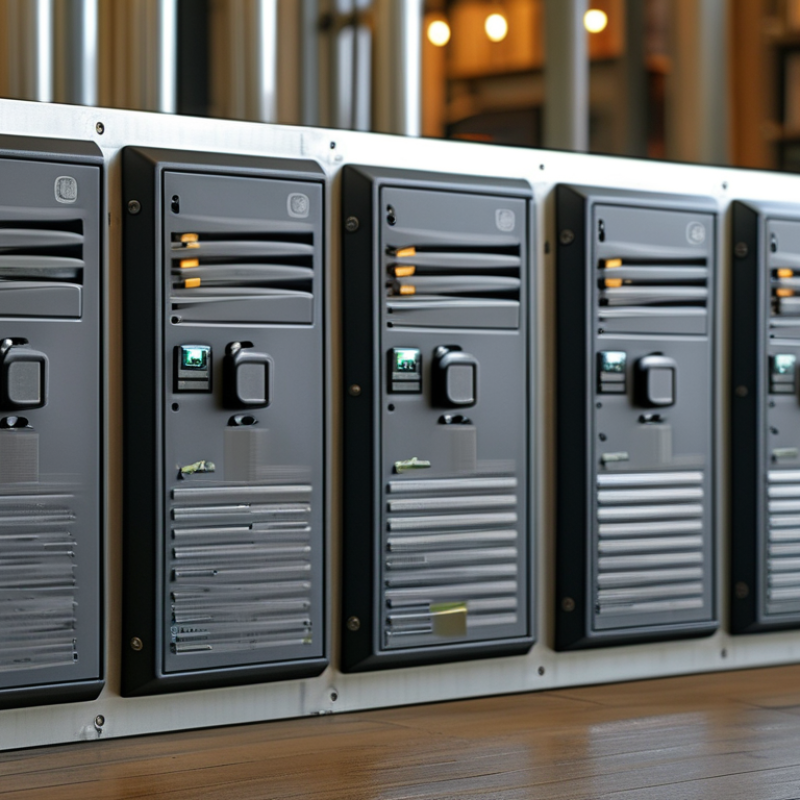
Top 10 Differences Between Type 1 and Type 2 Surge Protectors

Understanding Surge Protectors: Types and Functions

Surge protectors are essential devices that safeguard electronic equipment from voltage spikes. Understanding their types and functions is crucial for both personal and professional use. Type 1 surge protectors are typically installed at the service entrance of a building. They intercept surges before they enter the wiring system. In contrast, Type 2 surge protectors are usually installed within the electrical panel. They provide further protection against residual surges.

Type 1 devices excel in protecting against external lightning strikes. However, they are not always foolproof. They may fail if not properly grounded. Type 2 devices can handle internal surges caused by electrical equipment or abrupt energy changes. Their effectiveness can vary depending on the installation quality. Properly assessing your needs can help ensure you choose the right type of surge protector.

When considering surge protectors, installation is key. A poorly installed device can leave your equipment vulnerable. It's worth pondering how often you think about these protections until a surge occurs. Testing your protectors periodically can reveal potential weaknesses. Making informed decisions can enhance your equipment's longevity and performance.

Top 10 Differences Between Type 1 and Type 2 Surge Protectors

Defining Type 1 Surge Protectors: Features and Applications

Type 1 surge protectors are crucial for large electrical systems. These devices are designed to protect equipment from high-energy surges. They are often installed at the service entrance of a building, where they intercept surges before they can enter the electrical system. A report from the National Fire Protection Association (NFPA) indicates that transient voltage spikes can exceed 6,000 volts. Type 1 devices are necessary to handle this potential for destruction.

The features of Type 1 surge protectors include their ability to divert excess voltage away from sensitive equipment. They typically incorporate multiple layers of protection, including metal oxide varistors (MOVs) and filter circuits. Understanding these components is vital. According to a study by IEEE, proper installation of Type 1 protectors can reduce equipment failure rates by over 60%.

Applications for Type 1 surge protectors are vast. They are commonly used in industrial and commercial settings but can also serve residential areas. Their reliable performance aids in extending the lifespan of electrical systems. However, not all installations are optimal. It's essential to regularly evaluate and maintain these protectors to ensure they function correctly. Without ongoing monitoring, their effectiveness can diminish.

Top 10 Differences Between Type 1 and Type 2 Surge Protectors

Feature Type 1 Surge Protectors Type 2 Surge Protectors
Installation Location Utility service entrance Point of use, typically at the service panel
Protection Level High energy and voltage Medium energy and voltage
Response Time Instantaneous Fast, but slightly slower than Type 1
International Standards Compliant with IEC 61643-11 Compliant with IEC 61643-11
Maintenance Requirement Periodic testing recommended Less frequent testing required
Application Whole building protection Individual equipment protection
Cost Generally higher Generally lower
Installation Complexity Requires professional installation Can be installed by end users
Noise Emission Usually lower noise May cause audible noise
Longevity Longer lifespan due to strategic placement Shorter lifespan based on equipment usage

Defining Type 2 Surge Protectors: Features and Applications

Type 2 surge protectors are essential in safeguarding electrical systems from transient voltage spikes. These protectors are designed for installation on the power supply side of electrical equipment. They efficiently divert excess voltage, preventing damage to sensitive devices. Their typical applications include commercial buildings and industrial environments, where high power demands exist. According to a recent industry report, nearly 60% of electrical failures stem from surges, highlighting the need for effective protection.

These devices come equipped with multiple features, such as thermal fuses and varistor technology. These features ensure they can handle large surges continuously. Many Type 2 surge protectors meet international safety standards, making them reliable for critical applications. Their ability to work alongside Type 1 solutions creates a comprehensive surge protection strategy. As reported by the IEEE, using multiple layers of protection can reduce equipment damage costs by up to 80%.

Tip: Regularly inspect surge protectors and replace them every few years. Their performance diminishes over time, increasing vulnerability to surges. Assessing the specifications of your electrical system is crucial. Select protectors that match your specific needs, ensuring maximum protection and efficiency.

Key Differences in Design and Construction Between Type 1 and Type 2

Type 1 and Type 2 surge protectors serve distinct purposes in electrical systems. Understanding their design and construction is vital for optimal energy safety. Type 1 protectors are typically installed outside, connecting directly to the service entrance. This placement allows them to act as the first line of defense against surges. They help in diverting excess voltage caused by lightning strikes or utility switching.

In contrast, Type 2 protectors are used inside the building. They provide added safety by protecting sensitive equipment from residual surges. Their installation often occurs at the distribution panel or near critical loads. This dual-layer approach enhances protection and ensures that both external and internal threats are addressed.

**Tip:** When choosing between these types, consider the specific electrical environment. Local weather conditions and the sensitivity of your equipment can significantly impact your choice.

Another helpful insight: regularly inspect your surge protectors to ensure they remain functional. Over time, their ability to divert surges can diminish. Making proactive checks can prevent unexpected failures.

Ultimately, being knowledgeable about these differences helps improve protection. Make sure to consult with a qualified electrician for tailored advice suited to your needs.

Choosing the Right Surge Protector for Your Needs: Type 1 vs Type 2

When it comes to choosing the right surge protector, understanding the differences between Type 1 and Type 2 models is essential. Type 1 surge protectors are designed for installation on the utility side of the meter. They offer primary protection against surges coming from external sources. According to industry reports, they can handle voltages up to 600V. This makes them ideal for commercial applications where exposure to high electrical surges is more common.

Type 2 surge protectors, on the other hand, are installed on the load side, typically within buildings. They protect sensitive electronic equipment by filtering out residual surges after Type 1 devices have done their job. Studies indicate that up to 80% of surges occur within structures, making Type 2 protectors vital for home use and small businesses. It's crucial to match the specifications of the surge protector to your specific needs. Not every device requires heavy-duty protection against all types of surges, so assessing your equipment's vulnerability is important.

In choosing a surge protector, costs might reflect their capabilities. Type 1 devices tend to be pricier, as they are more complex and robust in terms of protection. However, neglecting to consider the right type can lead to varying results in protection levels. An improperly chosen type could expose valuable equipment to harmful surges. This makes informed decision-making crucial for safeguarding assets and ensuring reliable operations.

FAQS

: What are surge protectors used for?

: Surge protectors safeguard electronic equipment from voltage spikes caused by lightning or electrical surges.

Where are Type 1 surge protectors typically installed?

Type 1 surge protectors are commonly installed at the service entrance of a building.

How do Type 2 surge protectors function?

Type 2 surge protectors intercept internal surges that occur within a building’s electrical panel.

What is a major advantage of Type 1 devices?

They excel at protecting against external lightning strikes and can handle high-energy surges effectively.

What can reduce the effectiveness of surge protectors?

Poor installation or lack of regular maintenance can significantly diminish their protective capabilities.

How often should surge protectors be tested?

Periodic testing of surge protectors is vital to identify weaknesses and ensure proper functionality.

Why is installation important for surge protectors?

A poorly installed protector can leave equipment exposed and vulnerable to damaging surges.

What should I consider when choosing a surge protector?

Assess your equipment's needs and vulnerabilities, and match the protector type accordingly.

Are Type 1 protectors more expensive than Type 2?

Yes, Type 1 devices are typically pricier due to their complex design and broader protection range.

How can neglecting surge protector choices affect equipment?

Failing to choose the right type may expose valuable equipment to harmful surges, leading to potential failures.

Conclusion

In this article, we explore the essential differences between Type 1 and Type 2 surge protectors, helping readers understand their unique features and applications. We begin by defining surge protectors and their critical functions in safeguarding electrical systems from voltage spikes. Specifically, Type 1 surge protectors are characterized by their installation at the service entrance of a building, providing protection against external surges, while Type 2 surge protectors are designed for installation on the branch circuits, offering protection against internal surges.

A detailed comparison reveals key differences in design and construction between Type 1 and Type 2 surge protectors, highlighting their respective advantages. In addition, the article provides guidance on choosing the appropriate surge protector based on individual needs, ultimately addressing the question: what is the difference between type 1 and type 2 surge protectors? This comprehensive overview equips readers with the knowledge necessary to make informed decisions regarding surge protection.

Oliver

Oliver

Oliver is a seasoned marketing professional with a wealth of expertise in driving brand awareness and engagement. With a deep understanding of our company's product offerings, he consistently delivers high-quality content that enriches our professional blog. His insights not only shed light on......