A GFCI circuit breaker that trips repeatedly, refuses to reset, or loses power can turn a quiet room into a frustrating puzzle. The cause may be a ground fault, an overloaded circuit, a connected appliance, or a breaker that has failed. The symptoms can look alike. The right checks matter.
This guide explains how to troubleshoot a faulty gfci circuit breaker through seven practical checks, from unplugging downstream devices to watching when the breaker trips. Mike Holt, an electrical educator, is known for emphasizing safe electrical work. A useful summary of that safety-first approach is: “Do not troubleshoot energized equipment unless you are qualified.” This is a paraphrase, not a verified verbatim quotation. Safety comes first. Turn off the circuit before inspecting accessible wiring, and use a properly rated tester only if you know how to operate it. Never remove a panel cover to work on live components. A simple test may reveal a bad appliance. A persistent trip may point to wiring damage or a defective breaker, and those problems deserve a licensed electrician. Troubleshooting is not always tidy; one clue can lead to another. Stop if anything smells burnt, feels hot, or looks damaged.
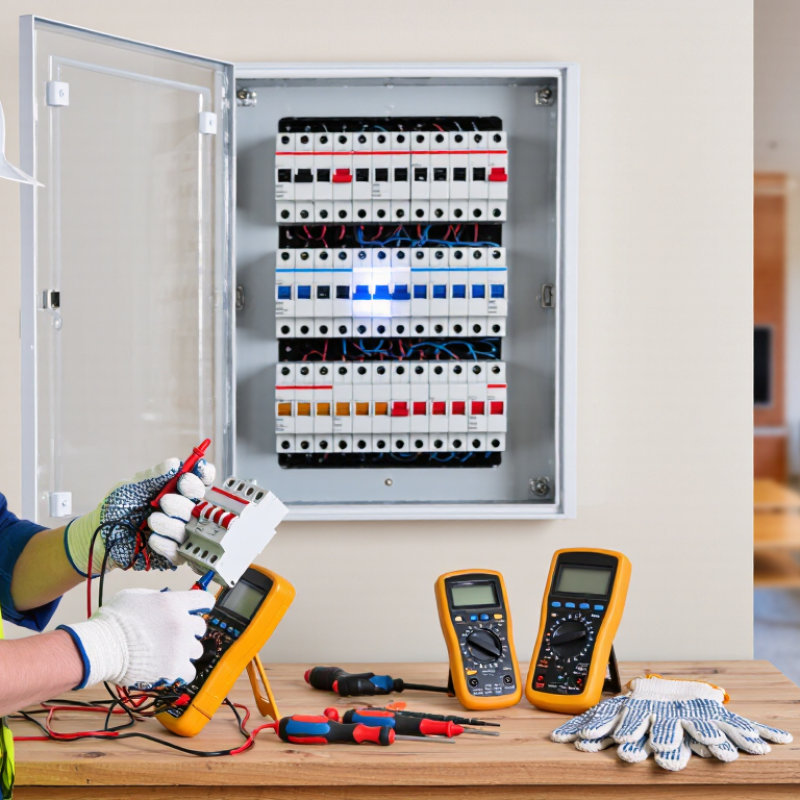
A GFCI circuit breaker compares the current leaving on the hot conductor with the current returning on neutral. If some current leaks elsewhere, the difference signals a possible shock hazard, and the breaker trips. Under UL 943, a Class A GFCI is designed to trip at roughly 4–6 milliamps of imbalance. It can act quickly—often within a fraction of a second. That detail matters when troubleshooting: a trip may reflect a real leak, not a defective breaker.
The Electrical Safety Foundation International reports that GFCIs have helped reduce U.S. electrocutions by about 50% since their introduction. For a recurring trip, unplug loads on that circuit, reset the breaker once, then reconnect devices one at a time. A damp tool, damaged cord, or appliance with an internal fault may trigger it. If it trips with everything unplugged, the wiring or breaker may need professional testing. A nuisance trip can feel random; often, it isn’t. Still, a breaker can fail, so the pattern alone is not proof.
Tips: Press TEST, then RESET, following the breaker’s instructions. If TEST does not trip the breaker, or RESET will not hold, stop using the circuit and contact a qualified electrician. Never remove the panel cover to investigate. A small mistake there has serious consequences.
| Troubleshooting method | What the GFCI detects or symptom | Safe check or action | When to call an electrician |
|---|---|---|---|
| 1. Reset the breaker correctly | A tripped handle may sit between ON and OFF. The breaker may have opened after detecting a current imbalance. | With dry hands and the panel cover in place, move the handle fully to OFF, then to ON. Follow the breaker’s instructions; do not force it. | If it will not reset, trips immediately, feels damaged, or makes unusual sounds, leave it off and get professional help. |
| 2. Unplug connected appliances | A damaged cord, faulty appliance, or moisture inside equipment can allow some current to leak away from the intended circuit path. | Unplug accessible loads on the affected circuit, reset the breaker, then reconnect items one at a time. Stop using any item that makes the breaker trip. | If the circuit trips with all accessible loads unplugged, the cause may be in fixed wiring or an inaccessible load. |
| 3. Check for moisture or water exposure | Water or condensation around outdoor outlets, damp locations, or connected equipment can create a leakage path to ground. | Look for visible dampness near accessible outlets and equipment. Do not touch wet electrical equipment; keep the circuit off until the area is dry and the cause is addressed. | Call an electrician if water entered an outlet, electrical box, appliance, or panel, or if tripping continues after the area is dry. |
| 4. Isolate the affected load or branch | A fault may be limited to one appliance or one part of the circuit. A GFCI compares current leaving on the ungrounded conductor with current returning on the neutral. | Use normal switches and unplug accessible devices to narrow down when the trip occurs. Do not remove outlet covers or disconnect wiring to test the circuit. | If the trip is associated with a fixed appliance, a specific room, or a particular branch that cannot be safely isolated, arrange professional testing. |
| 5. Consider a neutral wiring problem | A shared or improperly connected neutral, or a neutral-to-ground connection downstream of the breaker, can send return current along an unintended path and cause tripping. | Note whether the problem began after electrical work or a new installation. Do not open the panel or move conductors; leave the breaker off if it trips repeatedly. | A licensed electrician should inspect wiring and verify that the circuit’s neutral is correctly routed through the GFCI breaker. |
| 6. Use the built-in TEST button | The TEST button checks whether the GFCI’s protective trip mechanism operates; it does not identify every wiring or equipment fault. | Follow the breaker manufacturer’s instructions and any applicable local guidance. The test should trip the breaker; then reset it using the proper procedure. | If the TEST button does not trip the breaker, or the breaker will not reset afterward, keep the circuit off and contact an electrician. |
| 7. Check for a failing breaker or persistent fault | Repeated unexplained trips can result from a wiring or equipment fault, cumulative leakage, or a defective breaker. GFCI protection is designed to trip when it senses a small imbalance that may indicate current taking an unintended path. | Record when trips occur and what was operating. Do not bypass the GFCI, install a larger breaker, or repeatedly reset a breaker that keeps tripping. | Have an electrician test the circuit and breaker. Panel diagnosis or replacement should be performed by a qualified professional. |
Safety note: A GFCI breaker monitors for an imbalance between current flowing out and returning; it is not a substitute for overcurrent protection or safe wiring. Never bypass its protection or work inside an energized electrical panel.
It compares current flowing out through the hot wire with current returning through neutral. A difference can signal leakage and cause the breaker to trip.
A Class A GFCI is designed to trip at roughly 4–6 milliamps of imbalance. It may respond within a fraction of a second.
Unplug devices on the circuit, reset the breaker once, then reconnect appliances one at a time. A damp tool or damaged cord may be the cause.
The wiring or breaker may need professional testing. That clue isn’t proof of a failed breaker.
Follow the breaker’s instructions. If TEST does not trip it, or RESET will not hold, stop using the circuit and contact a qualified electrician.
Keep the panel cover in place, dry your hands, and clear water and clutter nearby. Stand on a dry floor.
No. Other parts may remain energized, and a reset button does not prove the circuit is safe. Do not guess.
Stop if you see scorching, hear buzzing, or smell burning. GFCI protection has helped reduce electrocutions, but an open panel is still dangerous.
This guide explains how to troubleshoot a faulty gfci circuit breaker by first describing how it detects an imbalance between outgoing and returning electrical current. Before investigating, turn off power where appropriate, keep hands and tools dry, and avoid removing the breaker panel cover or touching exposed wiring. If you are unsure how to work safely, contact a qualified electrician.
The troubleshooting steps cover common causes, including overloaded circuits, ground faults, and moisture around outlets or connected appliances. After disconnecting possible problem devices and addressing visible moisture, follow the breaker’s reset procedure and use its test function to check that it trips and restores power correctly. If it will not reset, trips repeatedly, feels unusually hot, or fails its test, stop using the circuit and arrange professional inspection. A damaged breaker or wiring fault may require repair or replacement rather than repeated resetting.

 Phlox Energy