Engineered for electrical resilience, high voltage protection, and precise temperature regulation in severe environments.
Critical thermal sensing technology engineered to defend high-power industrial equipment against thermodynamic degradation and electric thermal runaway.
In modern electronic design and industrial electrical distribution, maintaining safe operating temperatures is critical. A thermal switch (also known as a bimetallic thermostat, thermal protector, or thermal cutout) acts as a hardware-level safety mechanism. Unlike software sensors that can fail during power drops, a mechanical thermal switch physically separates contacts using the properties of thermodynamics.
Bimetallic systems consist of two metals with varying coefficients of thermal expansion bonded securely together. As the temperature rises, the metal strips bend at a predefined threshold, breaking or making an electrical connection. These switches can be snap-action (providing an instant, arc-minimizing disconnect) or creep-action (slow control systems best suited for gradual temperature tracking).
For operations involving high-current switching (such as EV charging piles, energy storage units, and solar distribution grids), integrating high-breaking-capacity switches prevents thermal runaway and catastrophic fires. This technology underpins modern power distribution solutions by acting as a secondary line of physical protection behind digital circuit control.
A trusted leader in solar photovoltaic protection and low-voltage electrical connection technologies.
Wenzhou Phlox Energy Co., Ltd. is a professional manufacturer and supplier specializing in solar photovoltaic protection and electrical connection solutions. With more than 10 years of industry experience, we are dedicated to the research, development, production, and innovation of high-quality solar accessories and low-voltage electrical products for global renewable energy markets.
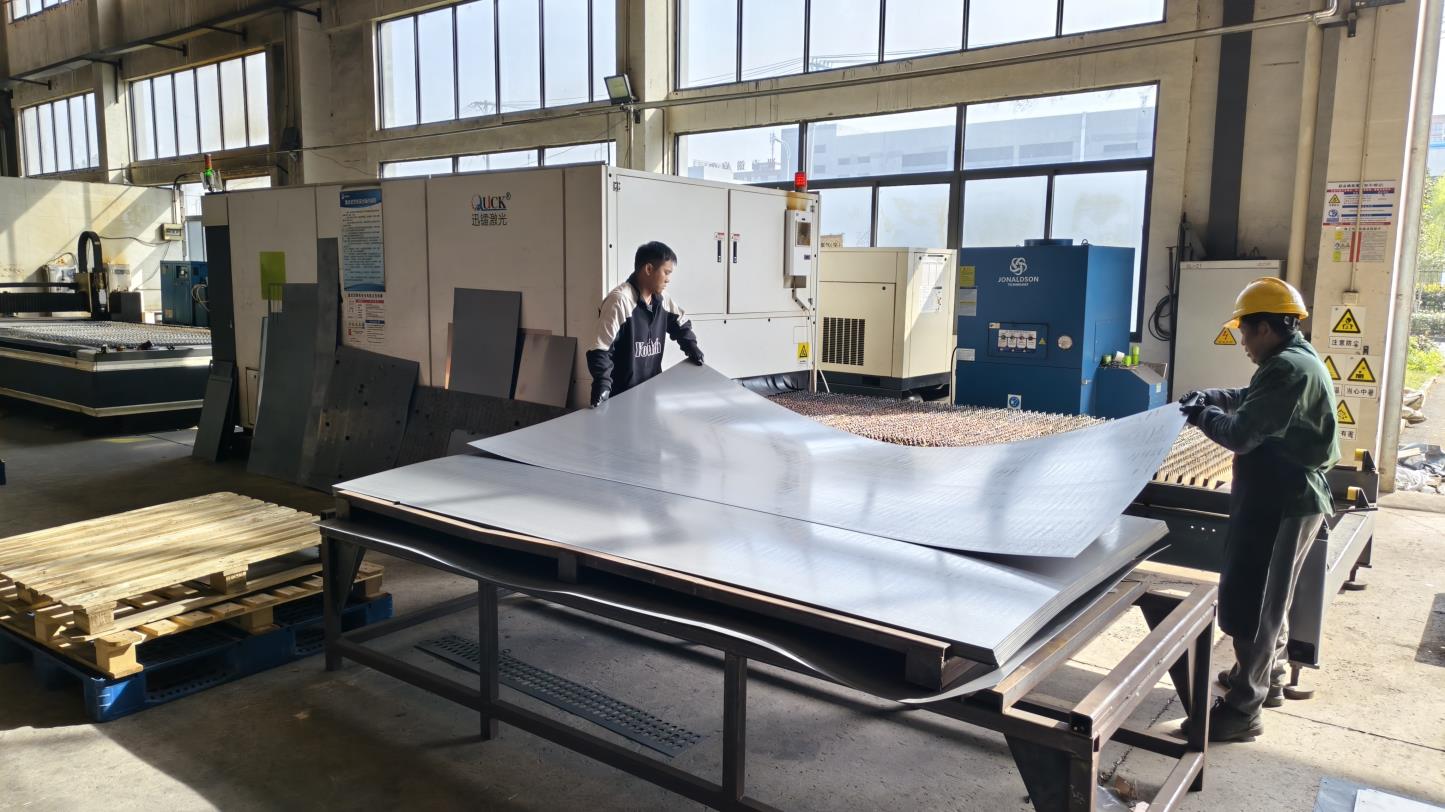
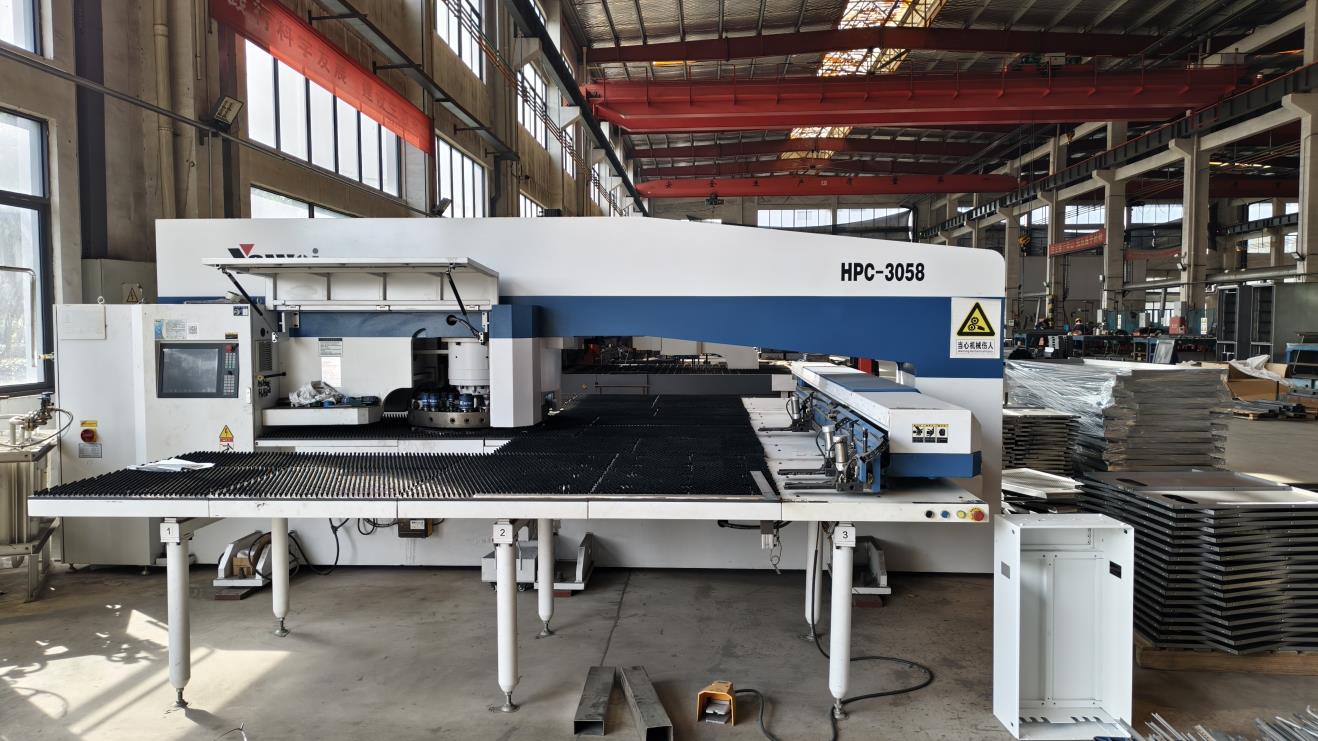
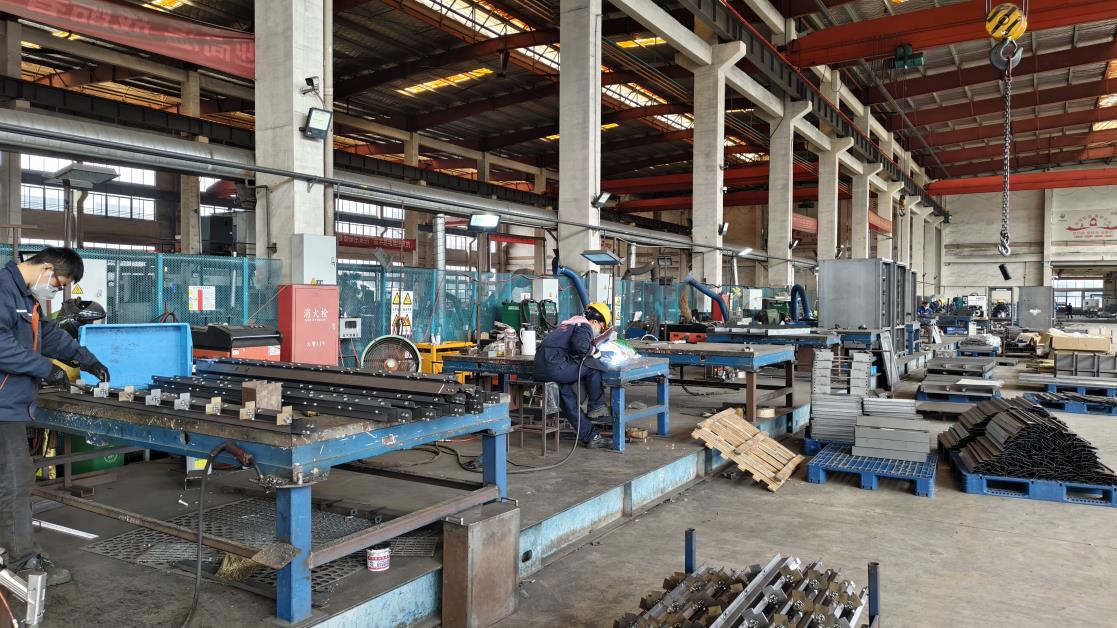
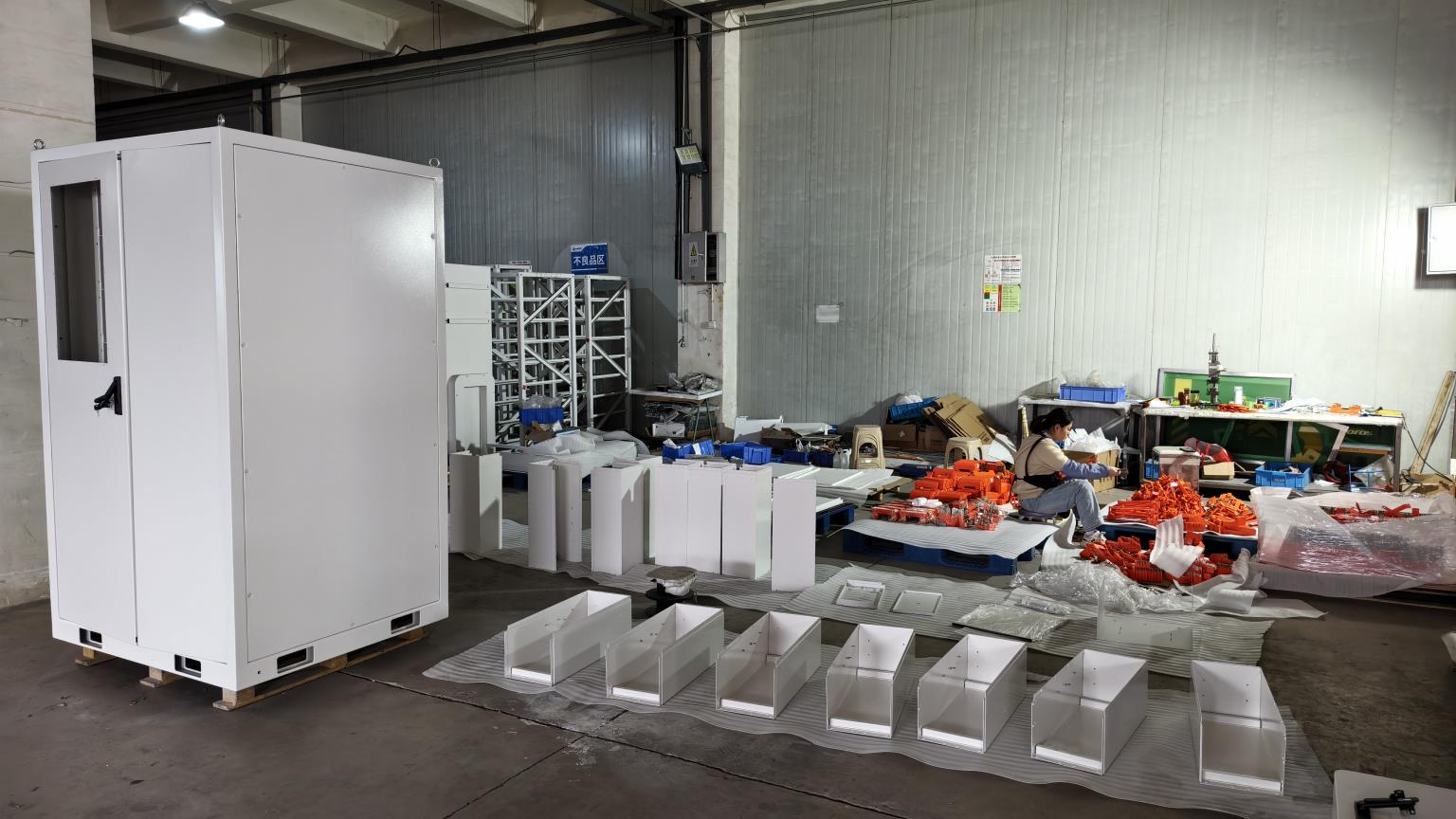
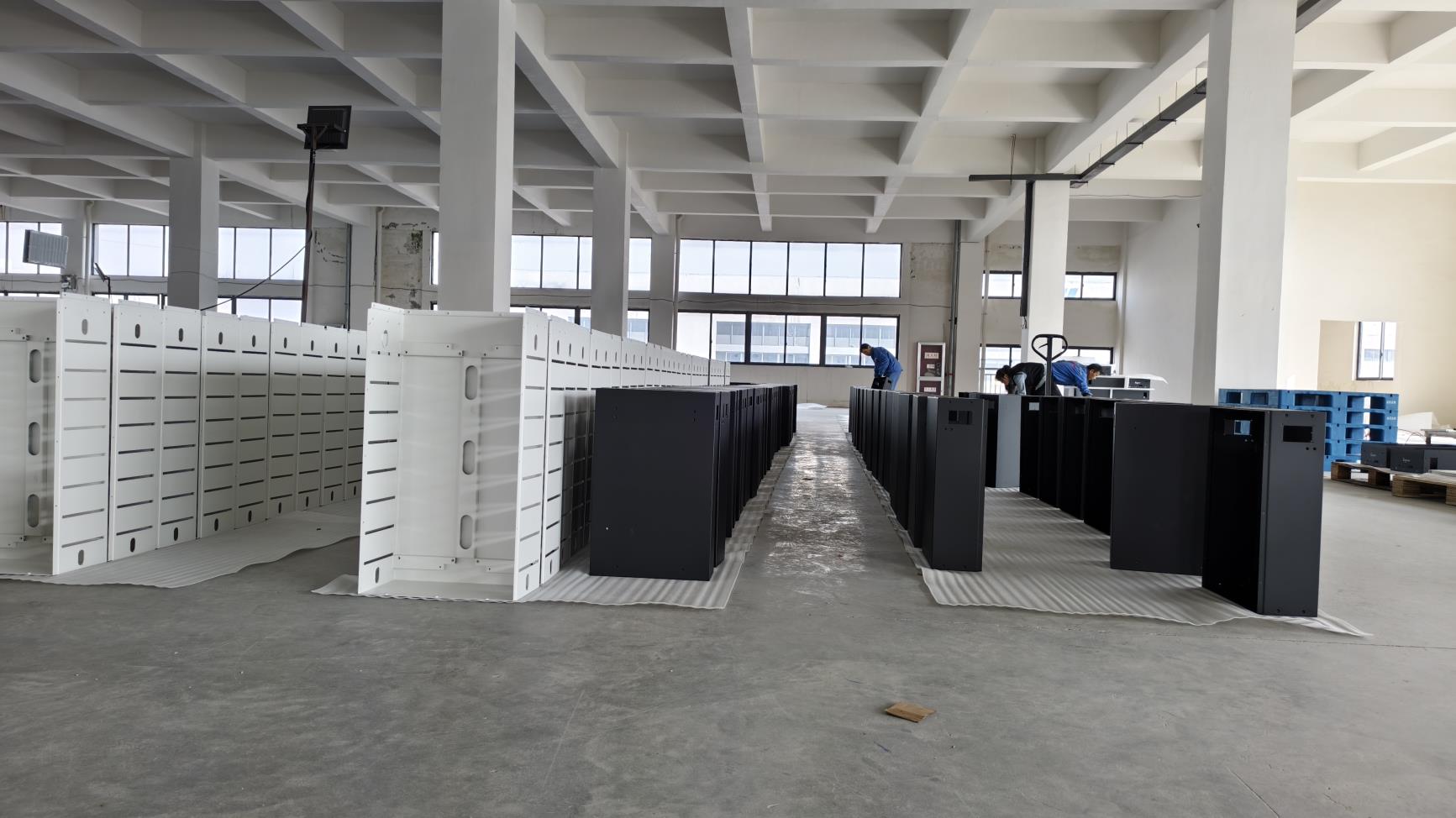
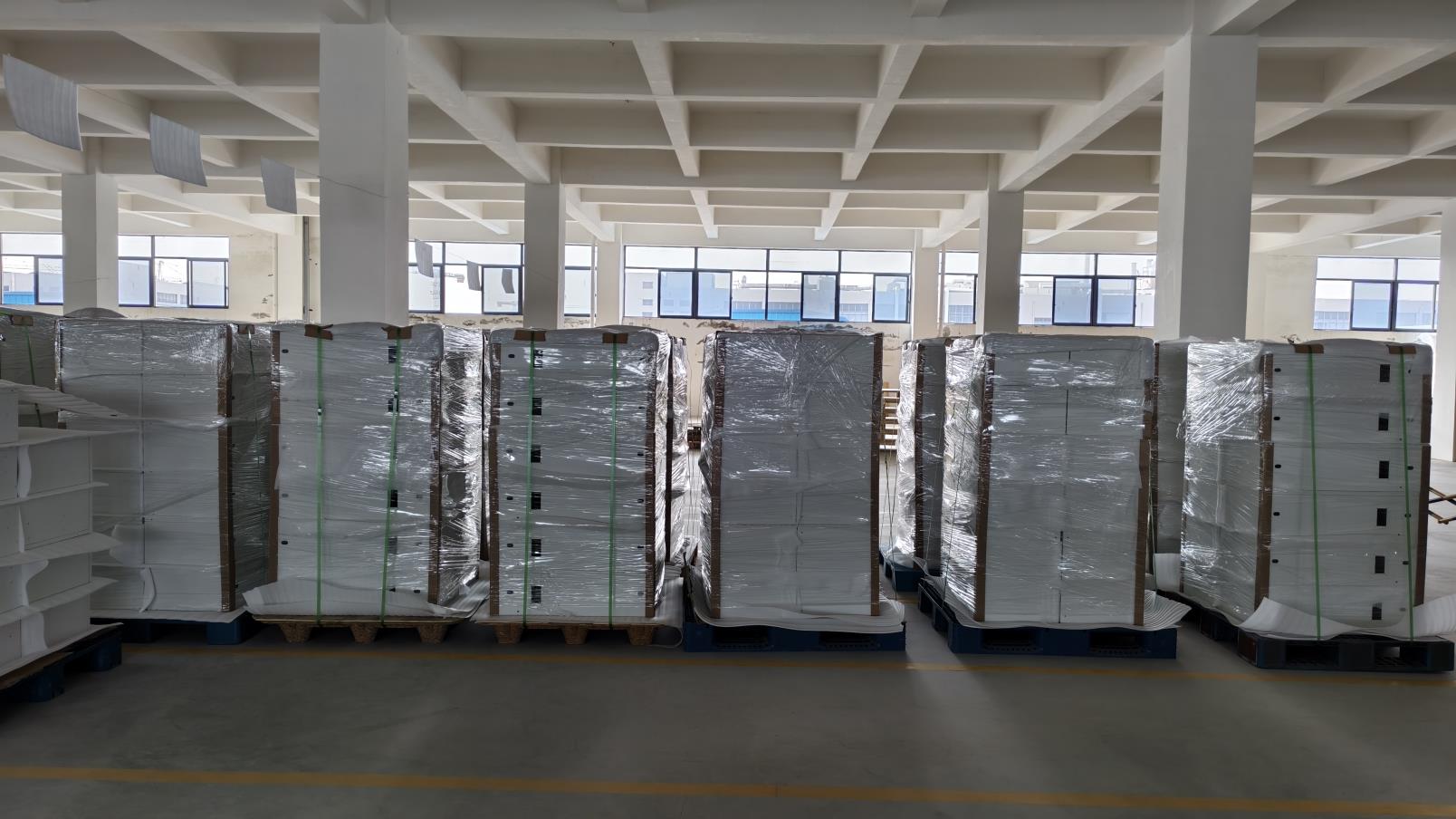
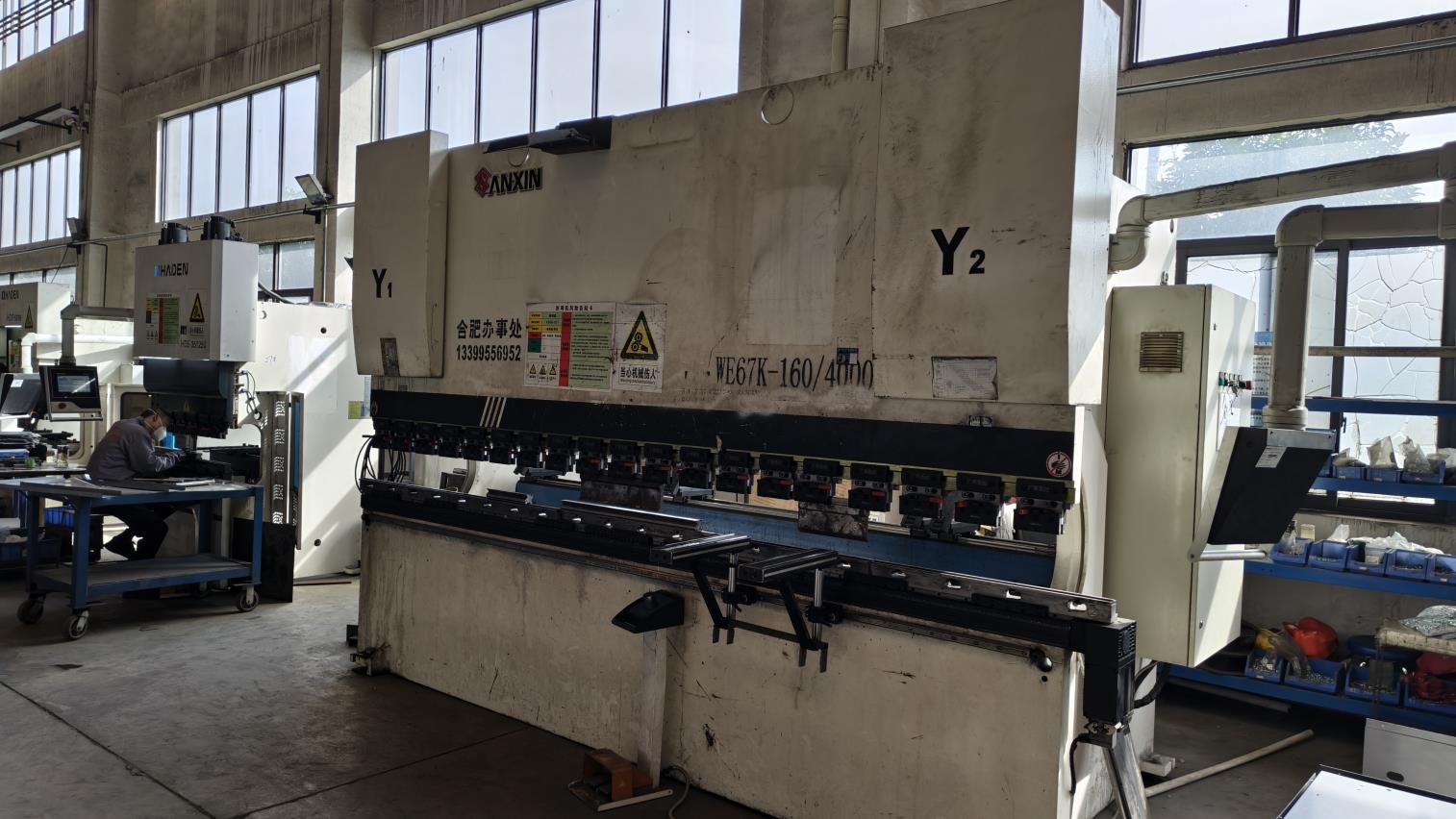
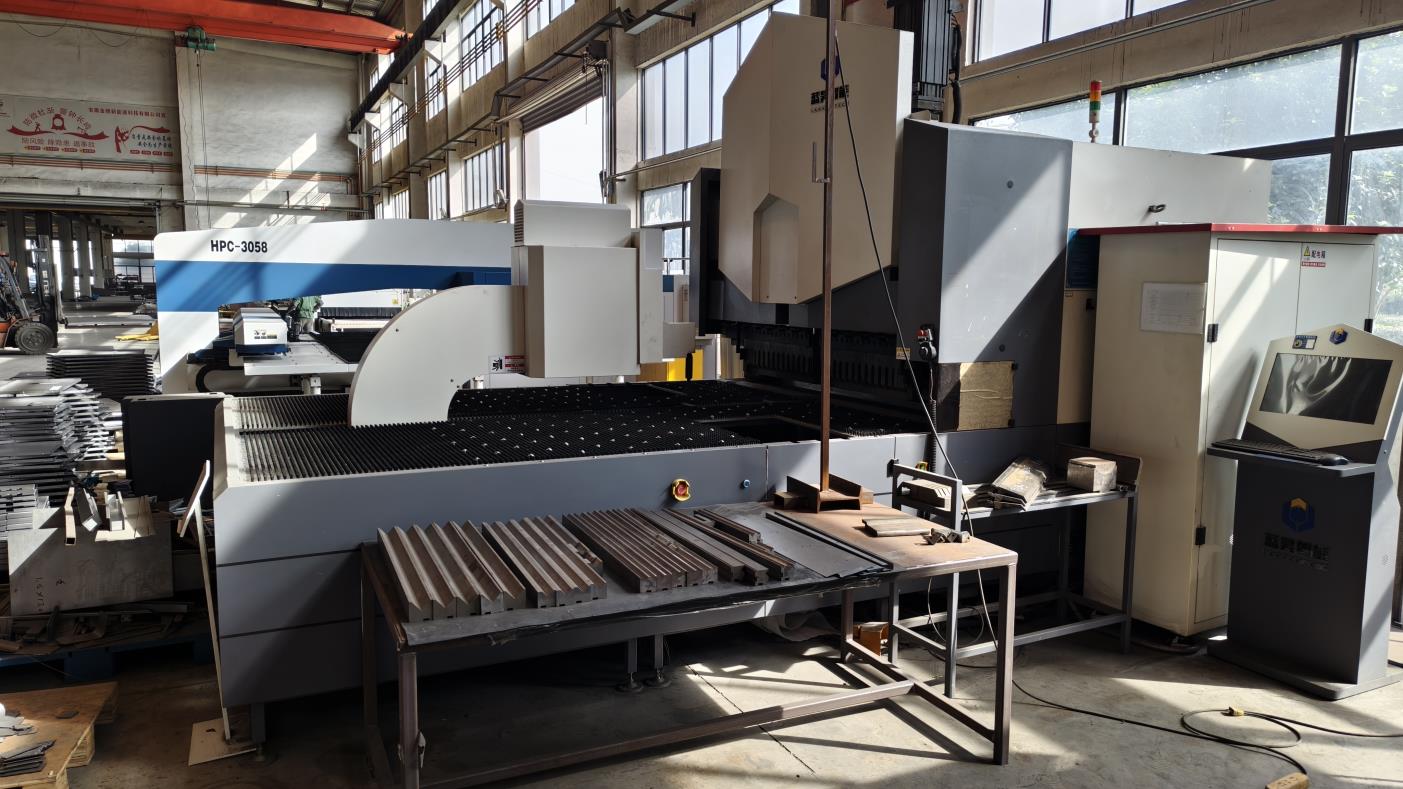
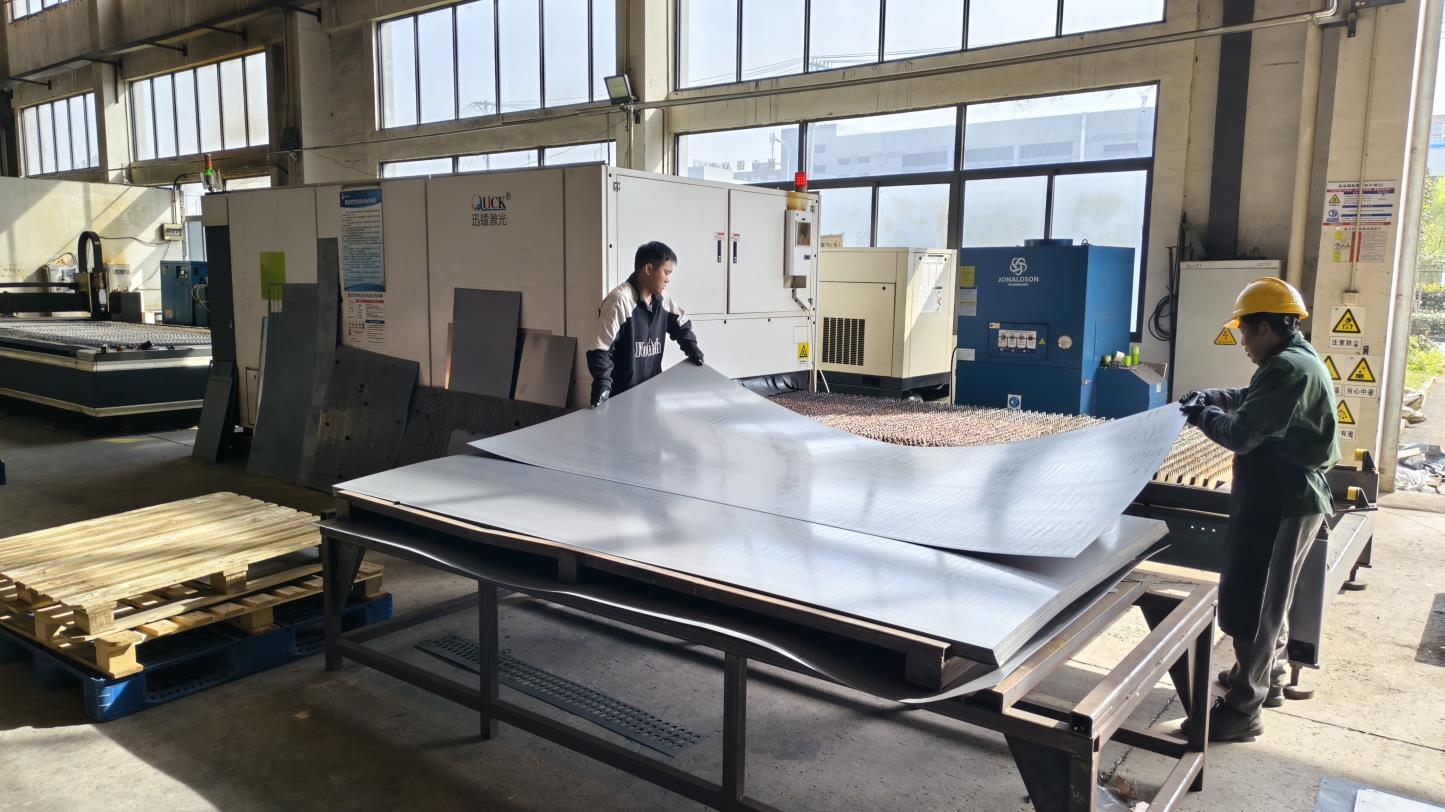
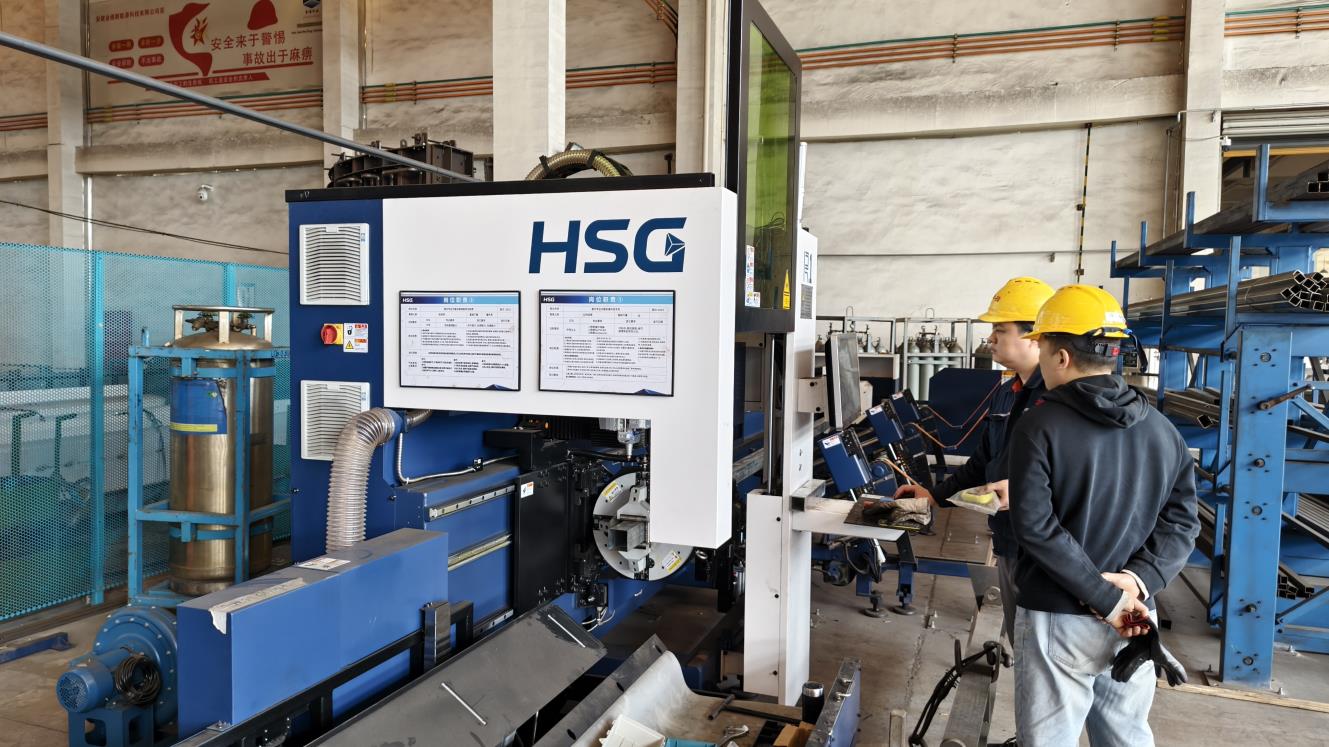
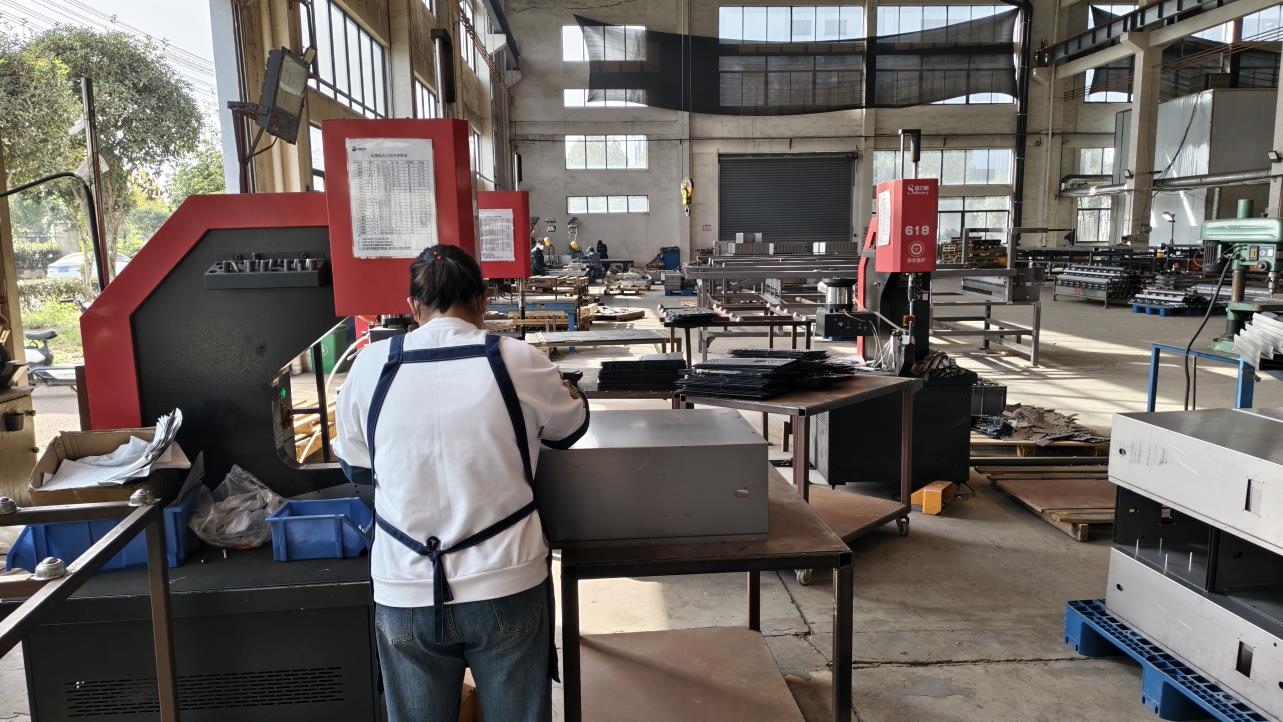
Our manufacturing facility covers an area of over 11,500 square meters and is equipped with 7 advanced production lines, more than 100 automated production machines, and a skilled workforce of over 150 employees. With strong production capacity and efficient management systems, our annual output value exceeds USD 20 million.
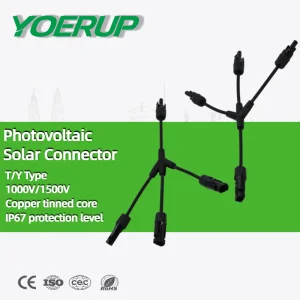
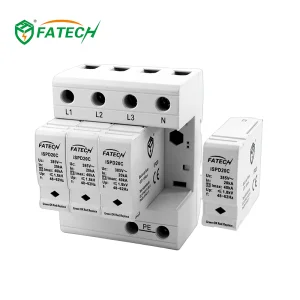
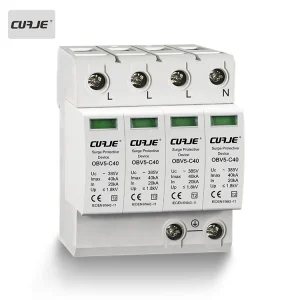
Phlox Energy specializes in the production of DC miniature circuit breakers (MCBs), surge protective devices (SPDs), photovoltaic fuses, solar connectors, DC isolator switches, distribution boxes, combiner boxes, and other solar power system components. Our products are widely used in residential, commercial, and industrial photovoltaic installations around the world.
Quality is at the core of everything we do. Our products are manufactured in strict accordance with international standards and have obtained certifications including CE, TUV, IEC, CB, and ISO 9001. Every product undergoes comprehensive quality inspections and rigorous testing procedures to ensure safety, reliability, and long-term performance in demanding environments.
Driven by continuous innovation, our experienced R&D team works closely with customers to develop customized solutions that meet evolving market requirements. We also provide OEM and ODM services, helping partners build competitive product portfolios and strengthen their market presence.
Having successfully participated in more than 3,900 solar energy projects worldwide, Phlox Energy has earned a strong reputation for premium product quality, competitive pricing, reliable delivery, and professional after-sales support. Our commitment to customer satisfaction and long-term cooperation has made us a trusted partner for distributors, installers, EPC contractors, and solar energy companies across the globe.
How precision engineering, laser technology, and automated assembly systems define our high-yield production quality.
A deep industry whitepaper looking into macro-environmental transitions, regulatory impacts, and engineering demand shifts.
Historically, bimetal thermal switches and residential cutouts operated comfortably within the 120V to 240V AC range. However, the rise of Utility-Scale Solar PV Installations (often running at 1000V to 1500V DC) and Electric Vehicle battery architectures has transformed design requirements. Modern thermal cutouts must provide high breaking capacities to prevent electric arc prolongation. This structural shift requires specialized ceramic casings, arc-extinguishing grid designs, and hermetically sealed housings to protect contact points from oxidation.
As electronic control assemblies, motor casings, and battery modules pack higher density, the footprint allocated for thermal cutouts continues to shrink. Original Equipment Manufacturers (OEMs) demand low-profile bimetallic components (such as thin strip protectors) that do not compromise on high current ratings (e.g., maintaining 20A to 40A overload carrying capacities). Engineers use high-conductivity copper-nickel alloys and silver alloy contact rivets to minimize internal resistance and heat generation during normal operations.
Heavy machinery, such as construction excavators, high-altitude wind trackers, and railway infrastructure, exposes components to continuous vibrations and mechanical shocks. Standard bimetal switches risk contact separation under vibration. Suppliers must deliver switches with calibrated snap force mechanics that withstand extreme mechanical stresses without triggering false open commands.
Key checkpoints for international EPCs, wholesale distributors, and engineering procurement heads when choosing Chinese factories.
Verify that the factory utilizes computer-controlled calibration chambers. Every batch of thermal switches must have a verifiable distribution curves diagram indicating the precise Open and Reset temperatures.
Ensure the supplier possesses relevant standards documentation. Thermal switch exports into Europe mandate conformity to IEC 60730-1 (Automatic electrical controls) and IEC 60730-2-9 (Particular requirements for temperature sensing controls).
The contact resistance and trip reliability depend directly on bimetal strip purity and contact plating. High-quality factories purchase bimetal strips from certified metallurgical operations to prevent material fatigue over thousands of cycles.
How the alignment of physical mechanics, sensor design, and material sciences shapes the future of device safety.
Over the next decade, global industrial markets will demand thermal switches that can transmit performance data over IoT networks. In commercial solar energy arrays and heavy-duty grid installations, this allows operators to identify components that are operating near their critical limits before they reach full trip thresholds.
Additionally, the transition to halogen-free, RoHS-compliant polymer and ceramic structural housings ensures that even in extreme combustion events, thermal protection components do not release toxic chemicals into the environment. Wenzhou Phlox Energy stays at the forefront of this shift, ensuring all current low-voltage distribution components, combiners, and disconnectors adapt to clean energy requirements.
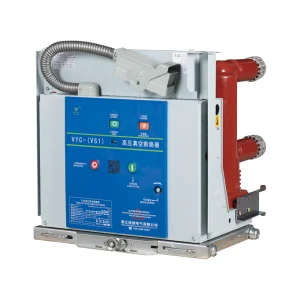
Complete low-voltage distribution systems, vacuum circuit breakers, and outdoor-rated solar isolation equipment.
Expert answers addressing the selection, integration, and performance criteria of thermal switches and protection circuits.
 Phlox Energy