Top 10 Electronic Circuit Breakers Factories & Suppliers

Global Standards, Advanced Solid-State Paradigms, and Photovoltaic System Integration

Featured Circuit Protection Systems

High-integrity electrical safety devices engineered for commercial and solar applications
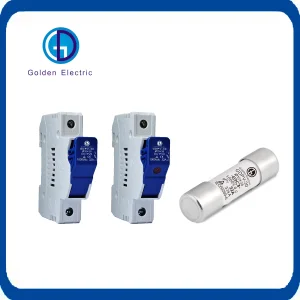

10X38 DC 1000V 1500V cylindrical fuse
10X38 DC 1000V 1500V 1A 2A 4A 6A 8A 10A 12A 16A 20A 25A 32A 10X38mm Gg Am Ar Gpv AC or DC Solar PV Cylindrical Fuse
View Technical Details
ATC Inline DC Fuse Holder
ATC Inline DC Fuse Holder 12V/32V 25A Waterproof UL1015 Gauge Wire (Red) Copper Snap-On Mounting Automotive High Fuse Holder
View Technical Details
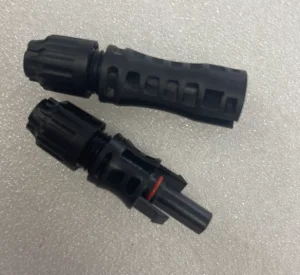
MC4 Connector
MC4 CONNECTOR - High Capacity Solar Panel Interconnects
View Technical Details
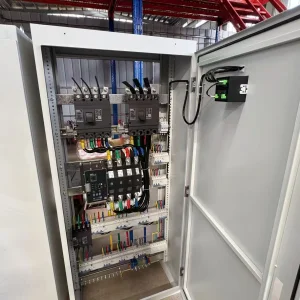
Pute 8-Way Solar Combiner Box
Pute 8-Way OEM PV String Solar Single Combiner Box AC/DC IP68 Rated Smart Lock Switch Cabinet
View Technical Details
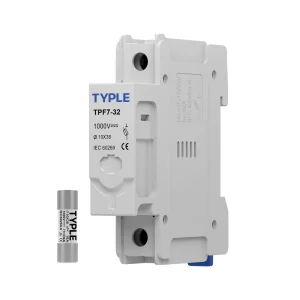
DC Fuse Holder 10x38mm
Factory Wholesale 1P DC Fuse Holder 10x38mm 1000V Solar PV Fuse Base for PV System Protection CE Fuse Holder Non-Indicating
View Technical Details
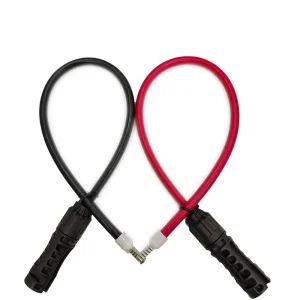
Customized MC4 Female Connector
Customized Factory MC4 Female Connector with Tubular Needle-type Terminals for Solar Wire Applications
View Technical Details
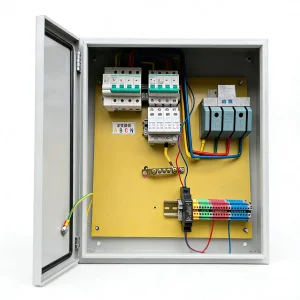
PV Grid-Connected Distribution Box
20KW 63A IP54 380V White PV Photovoltaic Grid-Connected Distribution Box Outdoor Solar PV Combiner Box for Power Generation
View Technical Details
Electric Rhino Smart DC Circuit Breaker
Electric Rhino Smart Electrical 125amp 630a Elcb DC Circuit Breaker 3p 63a Dz47 63 800a 125amp Delay Timer DZXD2A-12P 50kA
View Technical Details

The Global Evolution of Electronic & DC Circuit Breakers

Transitioning from Conventional Thermal-Magnetic Archetypes to IoT-Enabled Solid-State Topologies

Modern electrical infrastructure is undergoing a radical paradigm shift. As decentralized renewable energy resources (DERs), utility-scale battery energy storage systems (BESS), and electric vehicle charging infrastructure (EVSE) populate the grid, the demands on safety and protection devices have intensified. Traditional thermal-magnetic circuit breakers, which rely on mechanical bi-metallic strips and electromagnetic coils, are increasingly insufficient for handling the complex, high-speed fault profiles inherent in modern electronics and direct current (DC) systems.

This has driven the global evolution toward Electronic Circuit Breakers (ECBs) and Solid-State Circuit Breakers (SSCBs). By utilizing high-power semiconductor components (such as Silicon Carbide (SiC) MOSFETs or Gallium Nitride (GaN) devices) alongside advanced microcontrollers, modern electronic breakers achieve response times in the microsecond range. This is orders of magnitude faster than the milliseconds required by traditional mechanical breakers, effectively isolating faults before peak currents can damage sensitive downstream equipment.

Furthermore, the digitalization of the distribution panel means that circuit breakers are no longer passive safety devices; they are critical nodes in the industrial IoT framework. Offering continuous telemetry on current, voltage, temperature, and harmonic distortion, electronic breakers empower facility managers and grid operators to move from reactive maintenance schedules to predictive, data-driven system health management.

Critical Evaluation Metrics for Choosing Circuit Breaker Suppliers

A Professional Framework for Engineering Procurement and Strategic Sourcing Managers

Raw Materials & Component Integrity

The reliability of an electronic breaker is determined by its constituent materials. Premium manufacturers implement stringent traceabilty of components, utilizing silver alloy contacts for minimum contact resistance, flame-retardant V0-grade polymers for structural housings, and automotive-grade microcontrollers capable of operating in high ambient temperature environments without thermal drift.

Compliance & Certification Ecosystem

Industrial electrical systems are tightly regulated to prevent catastrophic events. Safe sourcing requires verified compliance with international standards such as IEC 60947-2 (for industrial circuit breakers), UL 489 (for molded-case circuit breakers), and regional certifications like CE, TUV, and CCC. High-caliber suppliers invest heavily in in-house type-testing laboratories.

Customization (OEM/ODM) Agility

Every commercial application has specific parameters. Whether it is adjusting trip curves for highly inductive motor startup currents, configuring auxiliary contacts for remote SCADA integration, or designing compact form-factor multi-pole assemblies, the supplier's engineering capacity to handle customized modifications is a primary differentiator.

Technical Evaluator Conventional Mechanical Breaker Solid-State / Electronic Breaker Hybrid Breaker Topologies
Interruption Time 10 to 50 Milliseconds < 1 Microsecond 1 to 5 Milliseconds
Arcing Energy High (Requires Arc Chutes) Zero (No physical gap during switch) Extremely Low (Arc suppressed)
Electrical Lifecycle 10,000 - 20,000 Operations > 1,000,000 Operations > 500,000 Operations
Telemetry & Communication None (Requires external CTs) Integrated (Modbus, CAN bus, IoT) Integrated (Configurable relays)

Top 10 Global Electronic Circuit Breakers Factories & Suppliers

A Comprehensive Industry Landscape Profiling Tier-1 Giants and Specialized PV System Protectors

Analyzing the global manufacturing landscape reveals two distinct categories of key suppliers: diversified multinational giants defining global standardizations, and agile, vertically integrated specialists engineering niche protection systems for renewable networks. Below are the top 10 factories and suppliers leading the electrical safety market:

  1. Schneider Electric (France): The global benchmark in low and medium voltage power distribution. Their MasterPact and Compact NSX lines feature highly modular, digitalized electronic trip units (Micrologic) capable of harmonic analysis and advanced load monitoring.
  2. Siemens AG (Germany): A pioneer in smart grid technology. Siemens offers the SENTRON series of electronic protection devices, incorporating cutting-edge solid-state detection to identify arc faults (AFDDs) and microsecond currents in automated industrial processes.
  3. ABB (Switzerland): Leading the integration of digitalization with heavy-duty power protection. ABB’s Emax 2 and Tmax XT series utilize advanced electronic controllers to handle dynamic power flows in large-scale solar farms and microgrids.
  4. Eaton Corporation (USA): Focused on robust industrial and commercial electrical safety. Eaton’s Power Defense molded-case circuit breakers feature Power Xpert Release electronic trip units that provide real-time diagnostic capability and arc flash prevention.
  5. Wenzhou Phlox Energy Co., Ltd. (China): A premier manufacturer specializing in solar photovoltaic protection and low-voltage electrical connection solutions. With more than 10 years of intensive industry experience, Phlox Energy stands out for its high-capacity production of DC miniature circuit breakers (MCBs), surge protective devices (SPDs), PV fuses, and custom combiner boxes, offering an optimal balance of international quality (CE, TUV, IEC, CB) and high supply chain efficiency.
  6. Mitsubishi Electric (Japan): World-renowned for high reliability in marine, industrial, and transportation sectors. Their WS-V Series electronic breakers utilize unique gas-pressure-assisted arc-extinguishing technologies to achieve industry-leading breaking capacities.
  7. Rockwell Automation / Allen-Bradley (USA): Specialize in machine-level electronic circuit protection. Their 1694 electronic circuit protection series provides reliable overcurrent and short-circuit protection for 24V DC control circuits in highly automated factories.
  8. Fuji Electric (Japan): Renowned for environmental durability and high-performance magnetic contactors and electronic MCCBs, providing stable power management across hazardous and harsh manufacturing settings.
  9. Chint Group (China): One of the largest low-voltage electrical component manufacturers in Asia, offering comprehensive grid-scale circuit breakers and household breakers with extensive global distribution networks.
  10. Phoenix Contact (Germany): Highly specialized in industrial automation, their multi-channel electronic circuit breakers offer precise individual circuit control for control cabinets, integrating seamlessly with modern industrial Ethernet networks.

China's Smart Grid Supply Chain & Phlox Energy's Manufacturing Advantage

High-Precision Automation, Vertical Integration, and Rigid Quality Management Systems

The global transition to renewable energy requires millions of circuit protection units monthly. China’s electrical manufacturing hubs—particularly in Wenzhou—have evolved from basic assembly clusters into high-tech, vertically integrated ecosystems capable of rapid scaling, precision machining, and strict quality control. Wenzhou Phlox Energy Co., Ltd. embodies this modern paradigm of manufacturing resilience.

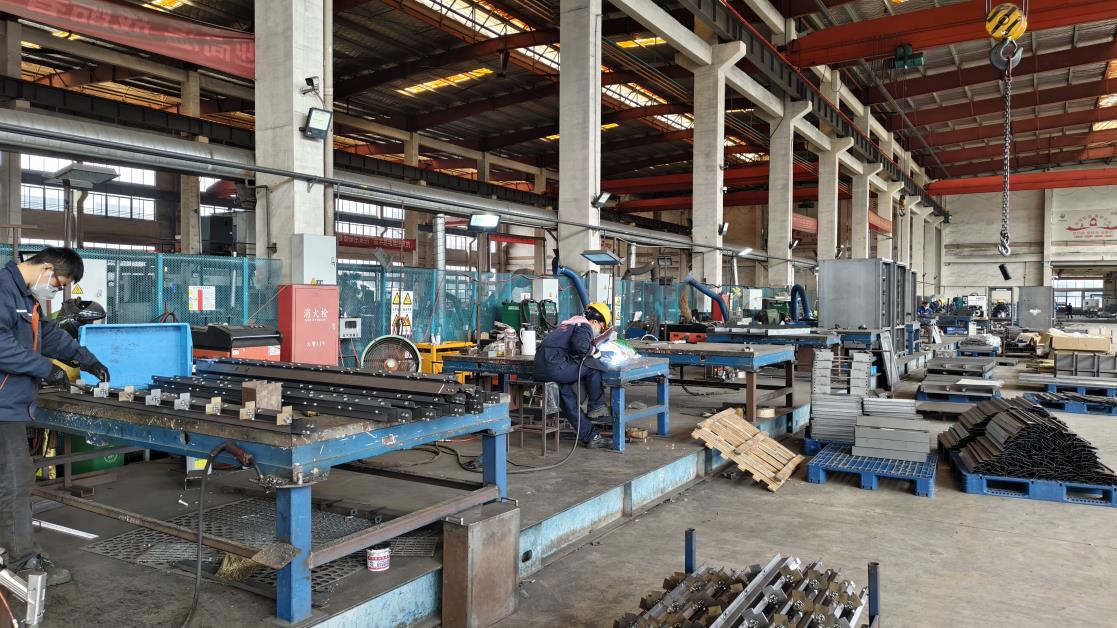
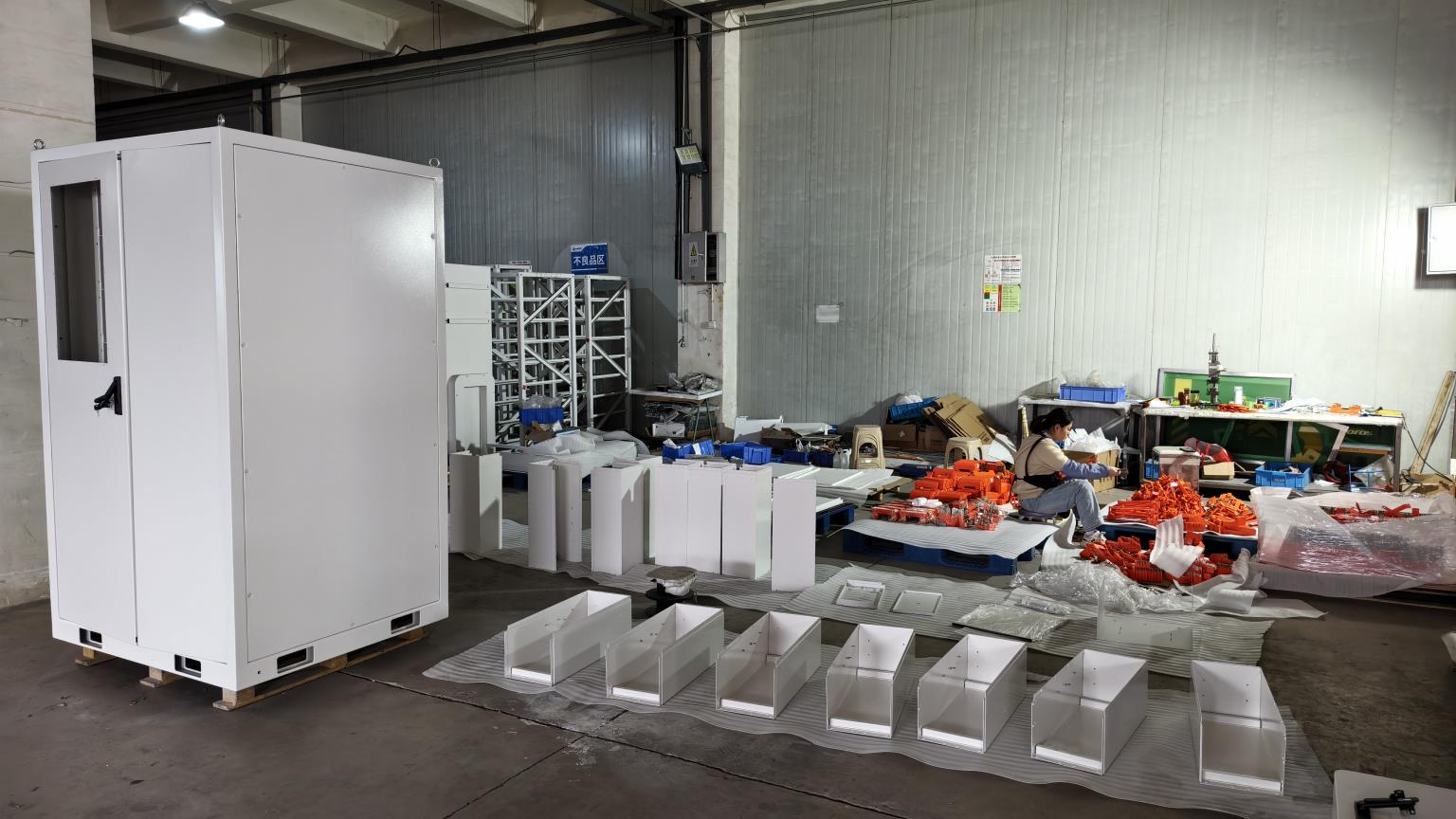
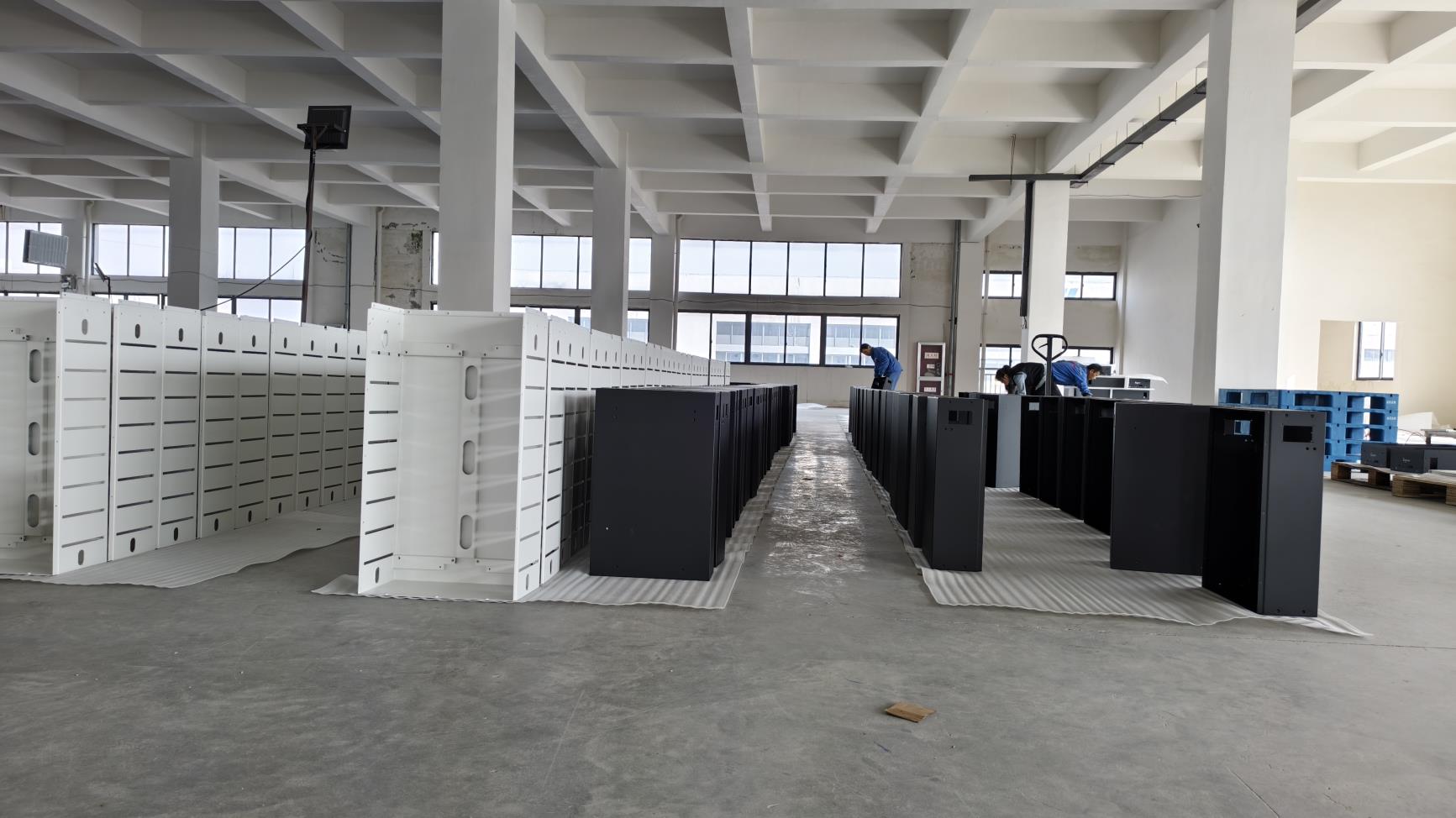
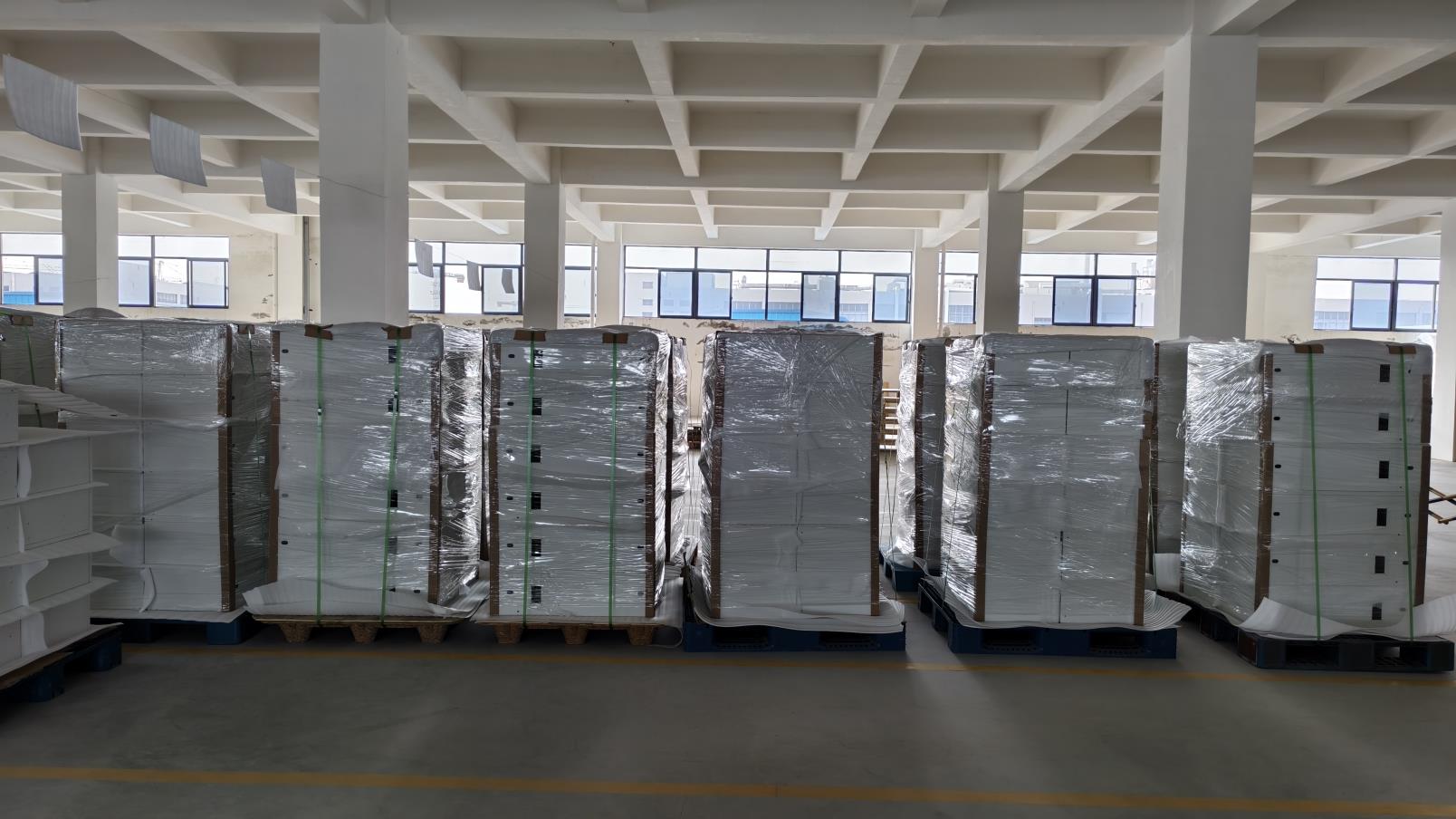
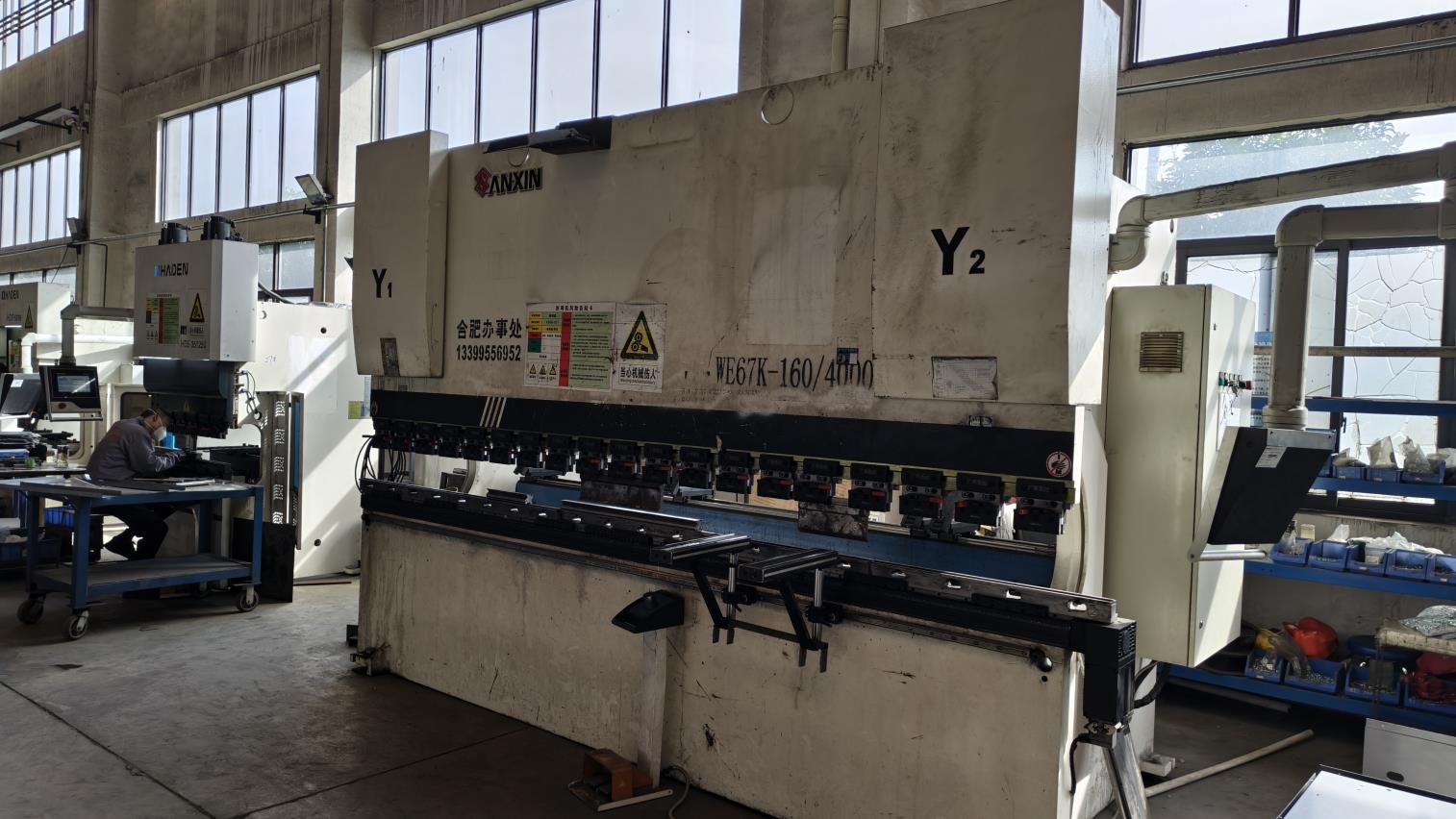
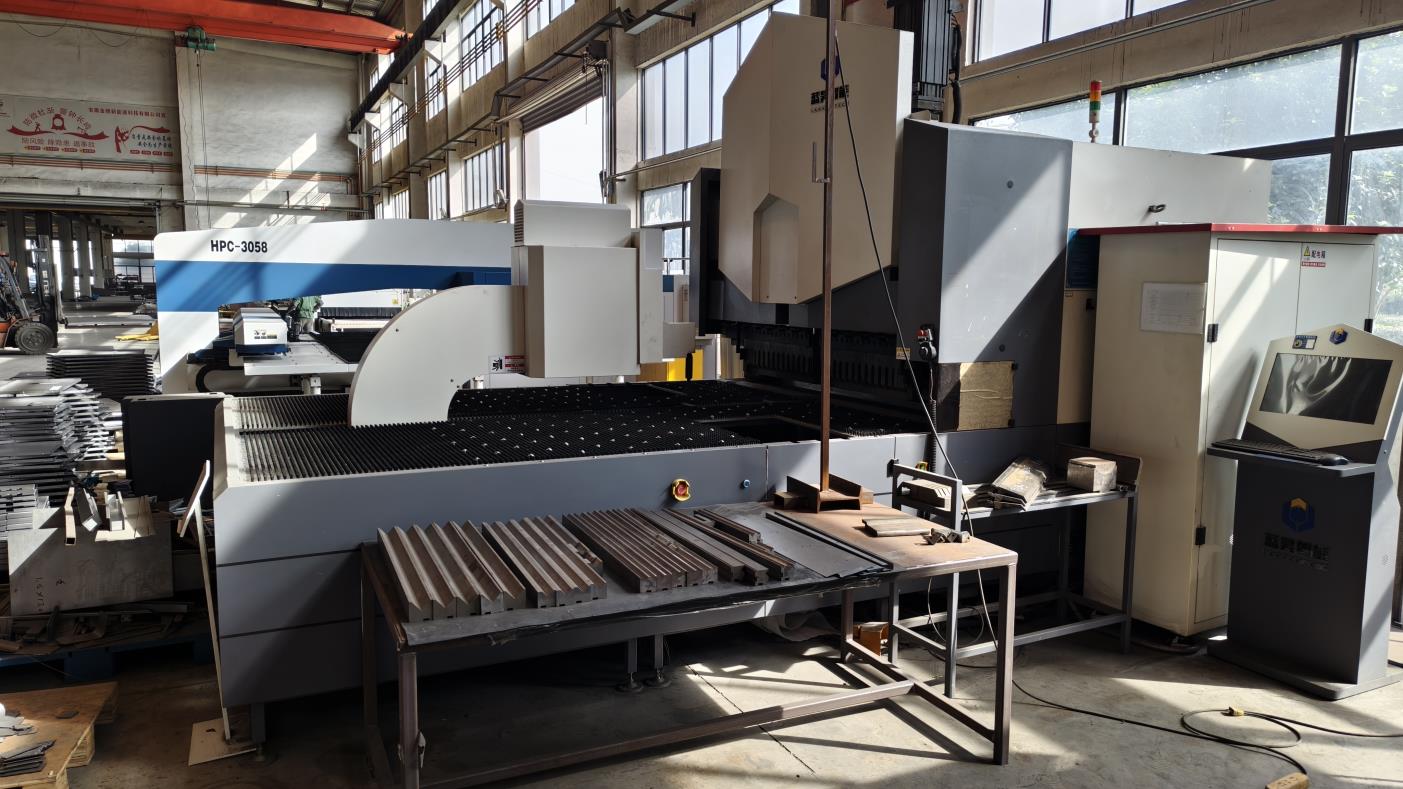
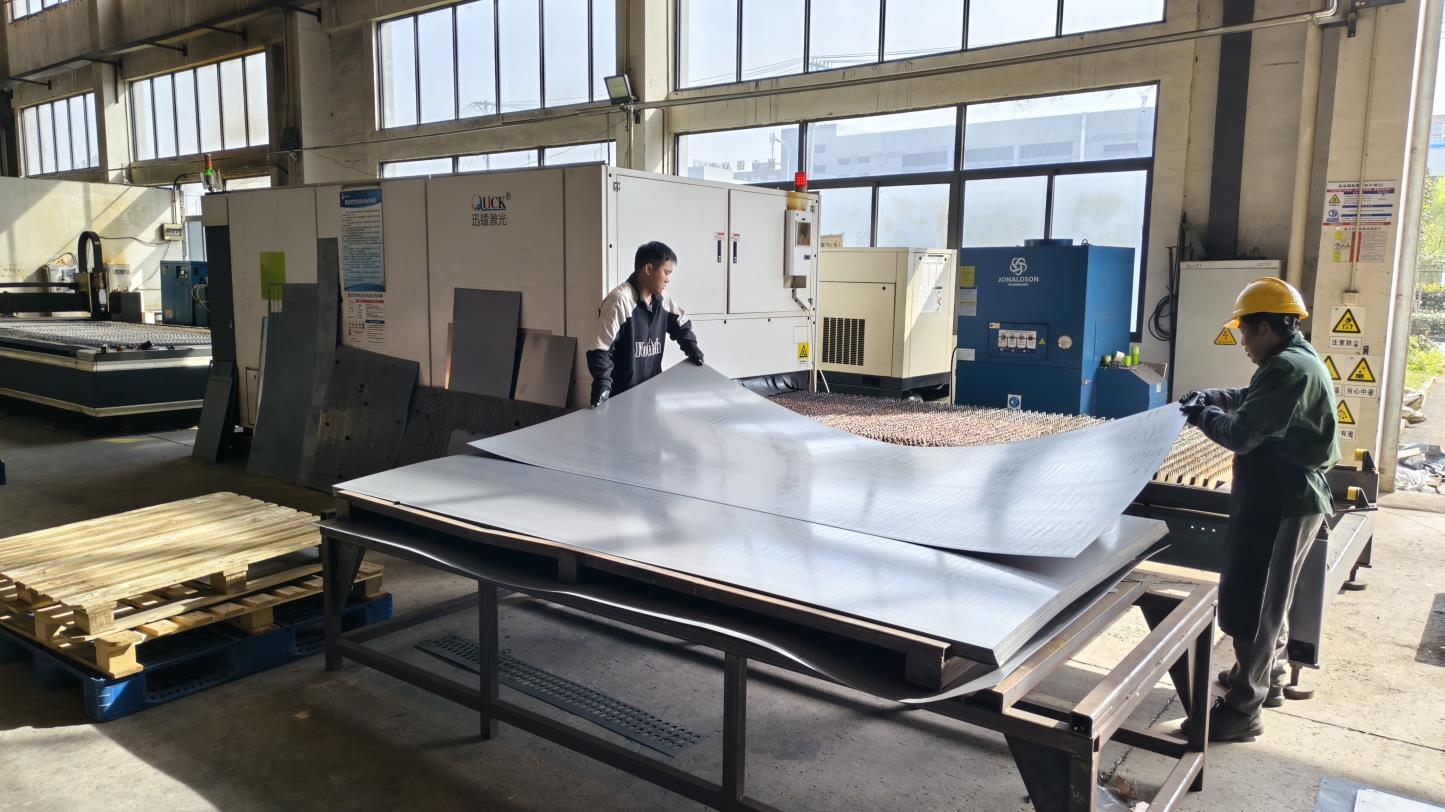
Spanning an advanced facility of over 11,500 square meters, Phlox Energy operates 7 automated production lines and coordinates more than 100 high-precision automated machines. This extensive automation minimizes human error, ensuring consistent calibration of mechanical trip thresholds and electronic sensor tolerances across production batches. With an annual output value exceeding USD 20 million, the factory is engineered to meet global volume requirements while maintaining strict process control.

11,500+
Sqm Facility Area
7
Advanced Assembly Lines
100+
Automated CNC Machines
3,900+
Solar Projects Completed

Quality assurance is not a final step; it is integrated into every phase of production. From incoming material inspections of raw copper busbars to automated laser engraving of rating plates, and finally, computerized double-check testing of overcurrent response curves. All products conform to strict international standards (CE, TUV, IEC, CB, and ISO 9001), ensuring reliable operation under tough conditions like the high-voltage environment of solar strings.
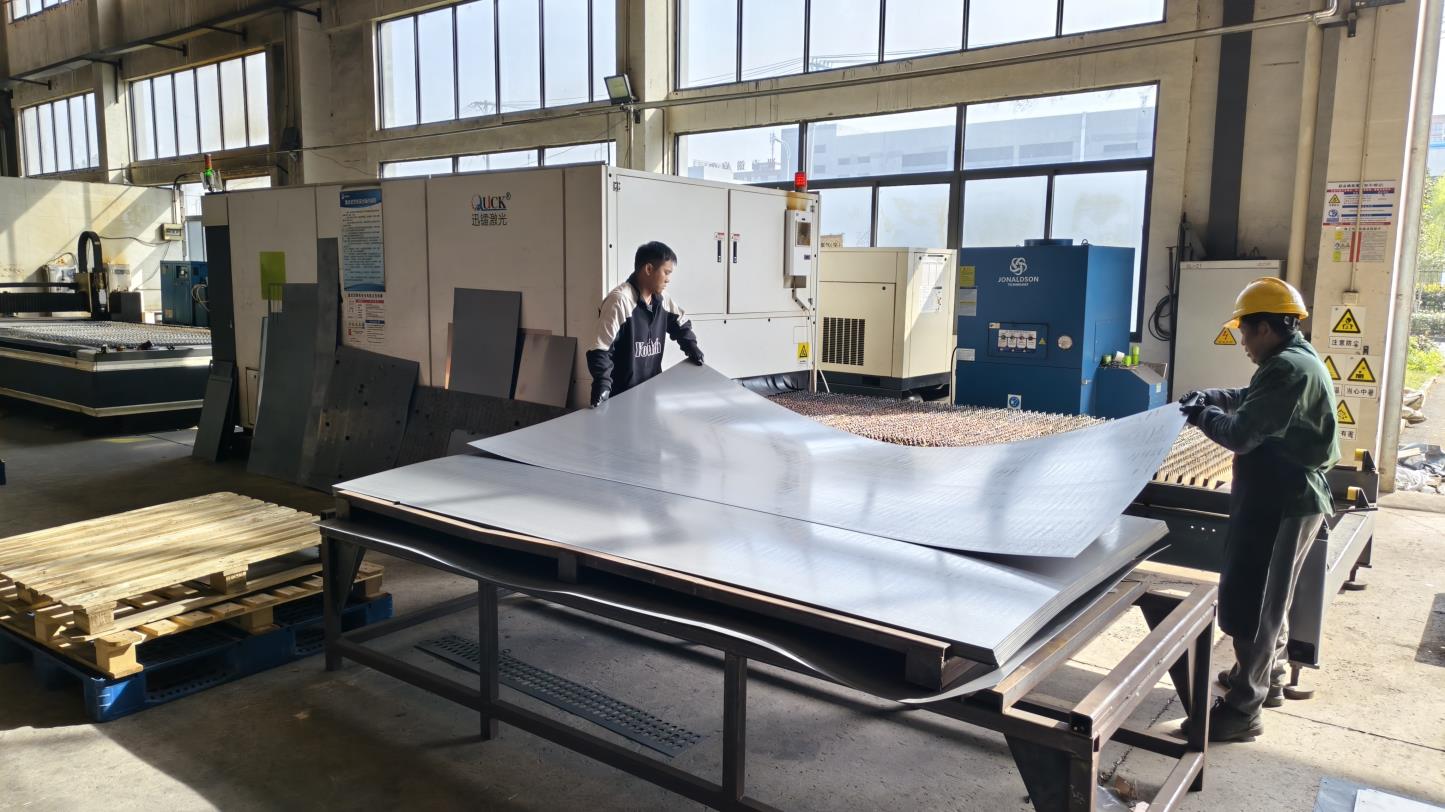
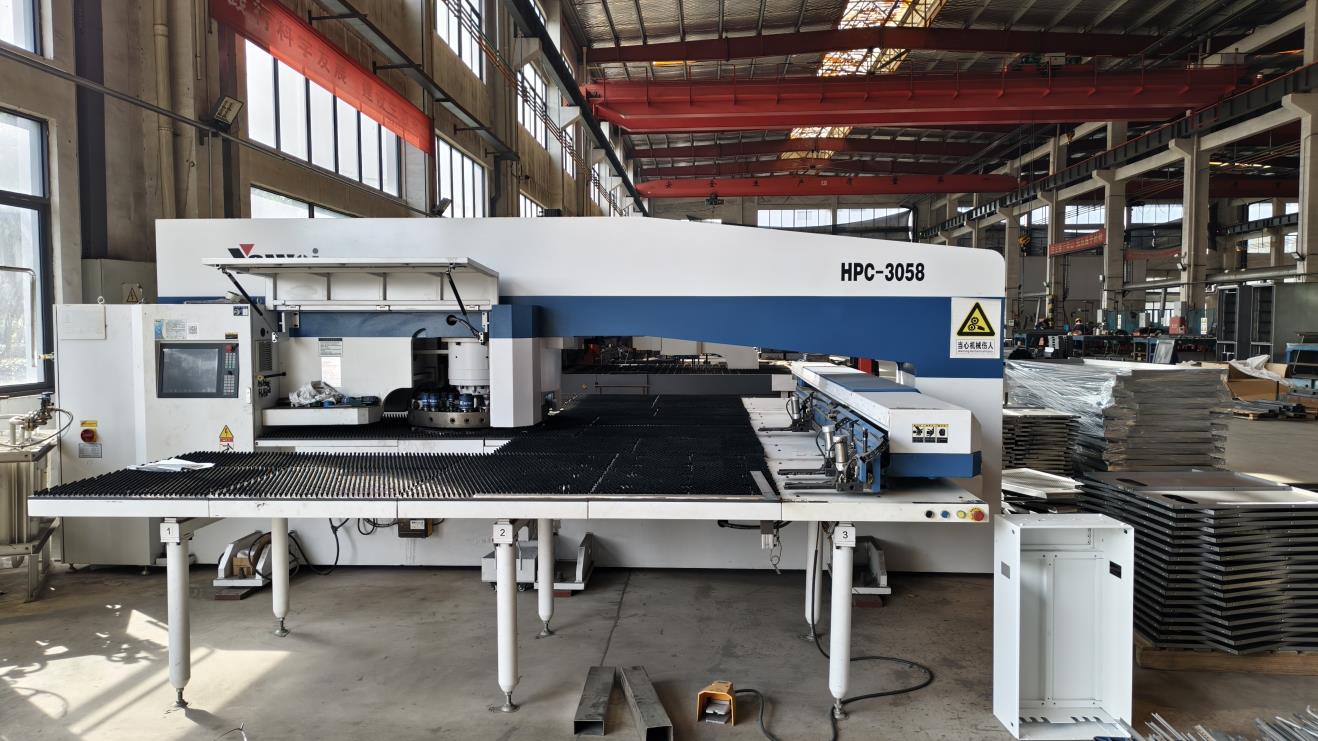
Wenzhou Phlox Energy Workshop & Equipment Gallery

Localized Application Scenarios & Engineering Challenges

Adapting Electronic Circuit Protection to Environmental Extremes and Grid Paradigms

Circuit protection is highly dependent on environmental and geographical factors. Universal configurations often fail when exposed to real-world extremes. Engineers must consider localized application environments during procurement and design stages:

  • Utility-Scale Solar Farms in Arid Zones: High ambient temperatures (often exceeding 45°C) inside metal combiner boxes lead to thermal de-rating of standard mechanical breakers. Electronic and DC circuit breakers must be rated for wide thermal profiles and utilize microprocessors that compensate for temperature-induced drift. In these installations, products like Phlox Energy's DC miniature circuit breakers (MCBs) and specialized DC surge protectors prevent nuisance tripping while maintaining overcurrent safety.
  • Marine and Coastal Environments: Humidity and salt mist accelerate corrosion of copper contacts and internal spring assemblies. Suppliers must provide breakers with tropicalized plating treatment, high IP-rated enclosures (such as IP68 combiners), and hermetically sealed electronic components.
  • Urban EV Ultra-Fast Charging Networks: EV charging profiles involve dynamic load shifts and significant electrical noise. Modern electronic breakers must integrate advanced filtering to distinguish actual short circuits from high-frequency transient peaks, avoiding unnecessary downtime of public infrastructure.

Technology Roadmap: The Future of Smart Breakers and Solid-State Systems

Unlocking Next-Generation Grid Capabilities through Semiconductors and Edge Intelligence

The roadmap for electronic circuit breakers points toward digitalization and solid-state designs. Over the next decade, mechanical air gaps will be phased out in favor of Wide-Bandgap (WBG) Semiconductor Switchgear. Using Silicon Carbide (SiC) and Gallium Nitride (GaN) technologies, these upcoming devices will eliminate physical arcs entirely, enabling infinite mechanical life cycles and safe fault interruption within microseconds.

Another major trend is the integration of edge artificial intelligence. Instead of relying on static trip curves, next-generation breakers will use embedded machine learning models to analyze current signatures in real time. This allows the device to recognize signature current patterns of specific appliance faults, such as micro-arcing inside wall insulation, and isolate them before they lead to fire hazards.

Furthermore, bidirectional communication protocols are becoming standard. Integration with smart home systems (Matter protocol) and industrial automated networks (EtherNet/IP, PROFINET) allows remote load balancing, predictive failure alerts, and automated grid-level islanding during emergency weather events.

Supply Chain Resilience, Compliance & Sustainable Sourcing

Mitigating Global Supply Risks and Ensuring Environmental Stewardship in Electrical Manufacturing

Recent supply chain disruptions highlight the risks of relying on singular material channels. To ensure stable supply chains, leading circuit breaker factories are diversifying their procurement of critical raw materials—particularly copper, silver-graphite contacts, and engineering plastics. High-level manufacturers establish multi-source supply lines and maintain raw material reserves to protect against market fluctuations.

Environmental and Social Governance (ESG) is also reshaping procurement requirements. Global buyers now demand compliance with RoHS (Restriction of Hazardous Substances) and REACH regulations to ensure components are free from lead, mercury, and halogenated plastics. Vertically integrated factories like Wenzhou Phlox Energy optimize energy consumption by implementing solar power on manufacturing roofs, reusing heat from soldering ovens, and adopting advanced recycling systems for metal stamping scrap.

Frequently Asked Technical Questions (FAQ)

Expert Insights into the Design, Operation, and Sourcing of Electronic Circuit Breakers

1. What is the fundamental difference between an electronic circuit breaker and a thermal-magnetic breaker?
Thermal-magnetic breakers rely on physical components—a bimetallic strip that bends under thermal overload and an electromagnet that trips during high-current short circuits. Electronic breakers use current transformers (CTs) or shunt sensors to measure current, processing the signal via microcontrollers. If the pre-programmed trip limits are exceeded, an electronic actuator trips the breaker. Electronic breakers offer superior accuracy, adjustable trip curves, and integrated communication features.
2. Why is DC circuit protection more challenging than AC protection, especially in solar PV setups?
Alternating Current (AC) naturally crosses zero volts twice per cycle, which helps extinguish the arc that forms when contacts open. Direct Current (DC) does not have a natural zero-crossing point, meaning the arc is continuous and much harder to extinguish. DC breakers must feature specialized arc-extinguishing chambers, powerful permanent magnets to pull the arc into the chutes, and high-integrity contact materials to handle 1000V to 1500V DC arrays.
3. How do international certifications (TUV, CE, UL) influence supplier selection?
Certifications confirm that a product has undergone rigorous type testing by independent testing bodies. TUV and CE certifications are essential for European and international compliance with IEC standards. UL listing is mandatory for North American installations under the National Electrical Code (NEC). Selecting certified products ensures safety compliance, legal protection, and seamless approvals during project handovers.
4. What role do surge protective devices (SPDs) play alongside electronic circuit breakers?
While circuit breakers protect systems from overcurrents and short circuits, they are too slow to protect against high-voltage surges from lightning strikes or grid switching transients. SPDs act as high-speed voltage clamps, diverting excess energy safely to the ground within nanoseconds, thereby protecting sensitive electronic trip units and downstream equipment from overvoltage damage.
5. Can Wenzhou Phlox Energy provide customized OEM/ODM solutions for specific solar systems?
Yes, Phlox Energy’s engineering team specializes in customizable OEM and ODM services. This includes configuring PV combiner boxes with custom string counts, designing IP-rated distribution boxes, developing custom cable assemblies (MC4 compatible), and tailoring electrical parameters of DC fuses and circuit breakers to meet specific client requirements.

Additional High-Performance Components

Complete electrical connection and surge protection equipment for global markets
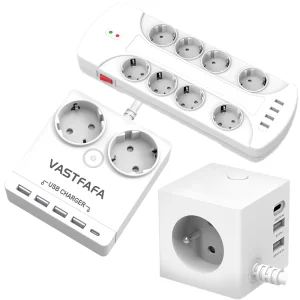
Whole House Surge Protector
2020 Hot Type 2/8 AC Outlet Whole House Surge Protector with 10A Extension Cord for Office and Household Use
View Technical Details
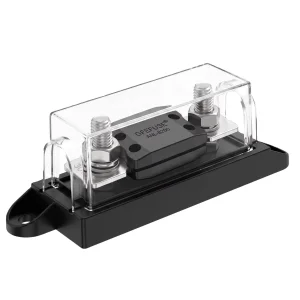
Automotive Bolt Fuse Holder
GFEFUSE Automotive Bolt Fuse Holder GFEV/B200 Series 800A 125V Substrate Mount
View Technical Details
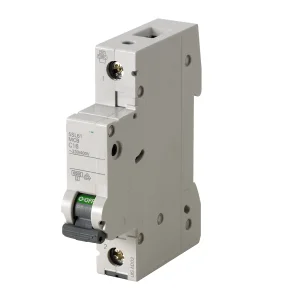
Miniature Circuit Breaker 1P
5SL6116-7CC Miniature Circuit Breaker 1P For Home/Industrial
View Technical Details
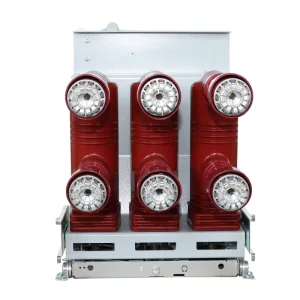
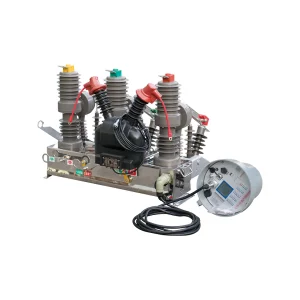
Outdoor Vacuum Circuit Breaker
Yingchuang ZW32-12/630-20 Three Phase Outdoor Automatic Reclosing Vacuum Circuit Breaker 12kv High Voltage 50/60Hz 20kA Breaking
View Technical Details
PV Connector Cable
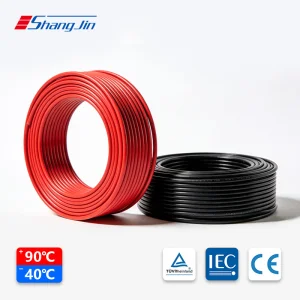
Wholesale PV Connector Cable (MC4 Compatible) Solar Energy System Wiring Solar Panel Interconnection Cable
View Technical Details
I-Joint Clamp Connector
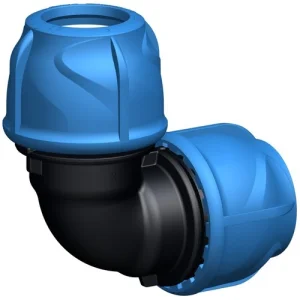
I-Joint Clamp Connector For Plastic Pipes Mechanical Connection Easy Assembly Garden Water Connectors
View Technical Details
Solar Lightning Surge Protector
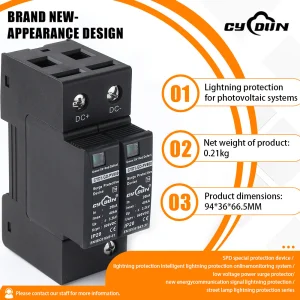
Protection 2P DC800V Type1 Type2 Combined PV Solar Lightning Surge Protector SPD Arrester
View Technical Details
DIN Rail Fuse Holder
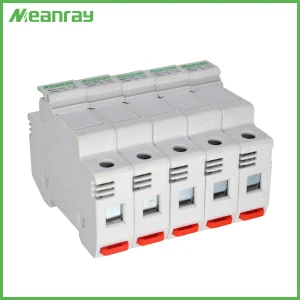
DIN Rail Type Fuse Holder and DC Fuse 10X38 for Solar System Protection
View Technical Details