High-performance breakers, connectors, and smart distribution systems engineered for optimal energy yield and system resilience.
In the rapidly evolving landscape of clean energy generation and high-load power distribution, wire management and overcurrent protection are no longer secondary components of electrical design. As photovoltaic (PV) setups, commercial energy storage systems (BESS), and electric vehicle charging infrastructures scale up, system voltages are rising to improve efficiency and reduce resistive losses. Today's commercial utility projects regularly operate at 1500V DC, creating challenging operating environments characterized by extreme thermal variations, intense ultraviolet exposure, and high potential fault currents.
Without robust, highly specialized wire management and circuit isolation, systems run the risk of premature degradation, moisture intrusion, arc-fault events, and catastrophic failures. Effective wire management isolates power lines from environmental hazards, limits mechanical stress, and establishes reliable paths for electrical current. Proper physical management coupled with precision overcurrent and surge protection forms the critical foundation of any modern electrical installation, protecting multi-million dollar investments and ensuring operational continuity over a lifespan that often exceeds 25 years.
"Modern wire management solutions must address the combination of high mechanical loads, electrical stresses under 1500V DC environments, and long-term UV and weathering factors. Neglecting these fundamentals leads to high Levelized Cost of Energy (LCOE) and unnecessary system downtime."
The global energy transition has driven several crucial design developments within the solar and industrial sectors:
Furthermore, severe weather conditions brought on by global climate changes mean that outdoor electrical equipment must endure extreme environments. Systems installed in deserts, coastal environments, or areas with high humidity face rapid degradation. Manufacturers must respond by delivering products with IP67/IP68 ingress ratings, high UV stabilizers, and corrosion-resistant alloys.
Procurement specialists, EPC (Engineering, Procurement, and Construction) companies, and utility operators require high reliability and clear quality assurance. When sourcing wire management products, they evaluate key requirements:
A professional manufacturer and exporter of solar photovoltaic protection and electrical connection systems.
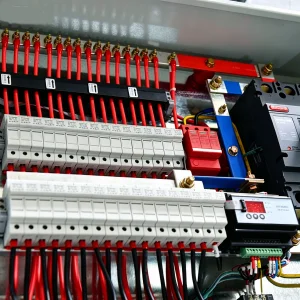
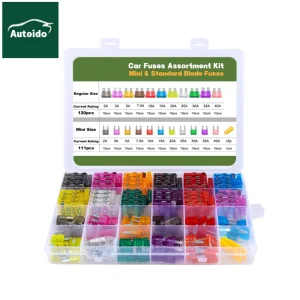
Wenzhou Phlox Energy Co., Ltd. is dedicated to researching, developing, and manufacturing high-quality solar protection accessories and low-voltage electrical systems. Our production lines feature over 100 automated machines, enabling our team of 150+ skilled workers to maintain high quality and precision. We support international engineering teams by offering a broad product portfolio, including DC circuit breakers (MCBs), surge protective devices (SPDs), PV fuses, high-voltage connectors, distribution boxes, and combiner boxes.
We design components to address the practical requirements of different application environments:
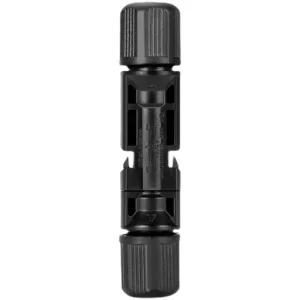
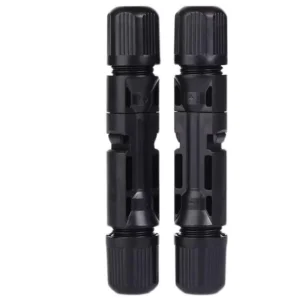
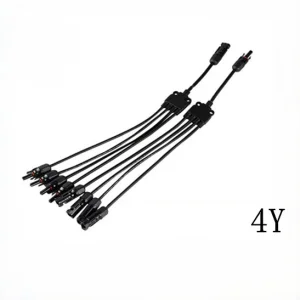
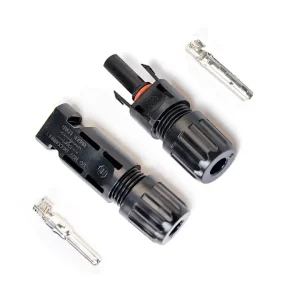
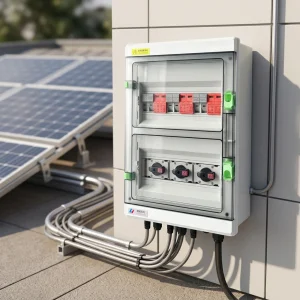
Large ground-mounted solar farms operate in exposed environments with high daily thermal cycling. Under these conditions, minor power losses can compound into major efficiency drops. Our 1500V DC combiner boxes, MC4-compatible PV connectors, and high-voltage fuses are built to withstand extreme temperatures, maintain low contact resistance, and limit thermal build-up inside enclosures.
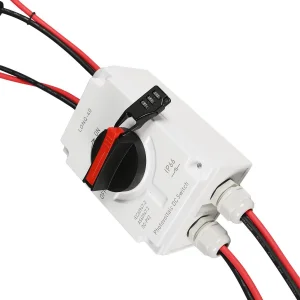
C&I projects prioritize building safety, space optimization, and system safety. Rapid shutdown solutions, high-grade isolating switches, and fire-resistant distribution boxes protect building occupants and critical property. These systems are designed for easy integration with standard commercial distribution boards.
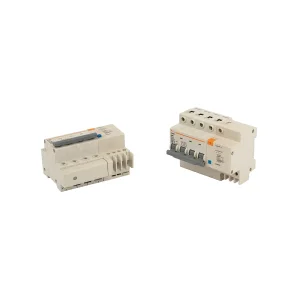
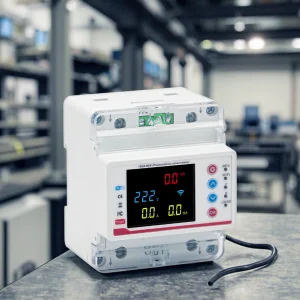
Residential systems demand compact layouts, aesthetic integration, and clear, user-friendly monitoring. Our smart residential circuit breakers and surge protection devices (SPDs) protect home electronics from grid disturbances and lightning surges while offering smart connectivity for remote management.
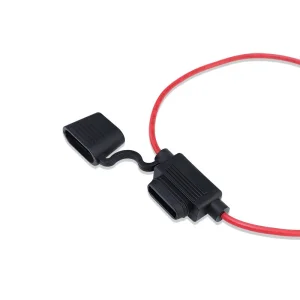
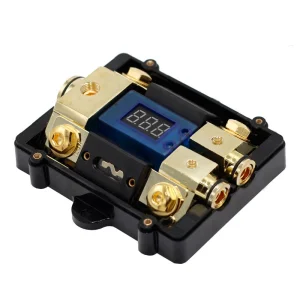
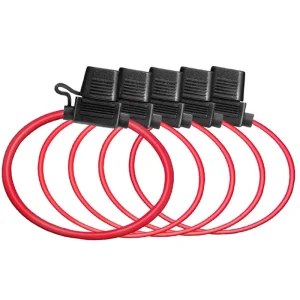
Modern battery storage arrays require rapid, reliable overcurrent protection due to high potential short-circuit currents. Our fast-acting Class T cartridge fuses, heavy-duty inline fuse blocks, and high-capacity DC isolators provide the quick response needed to protect sensitive battery banks from sudden power surges.
Equipped with precise, automated machinery to guarantee consistent quality across every batch.
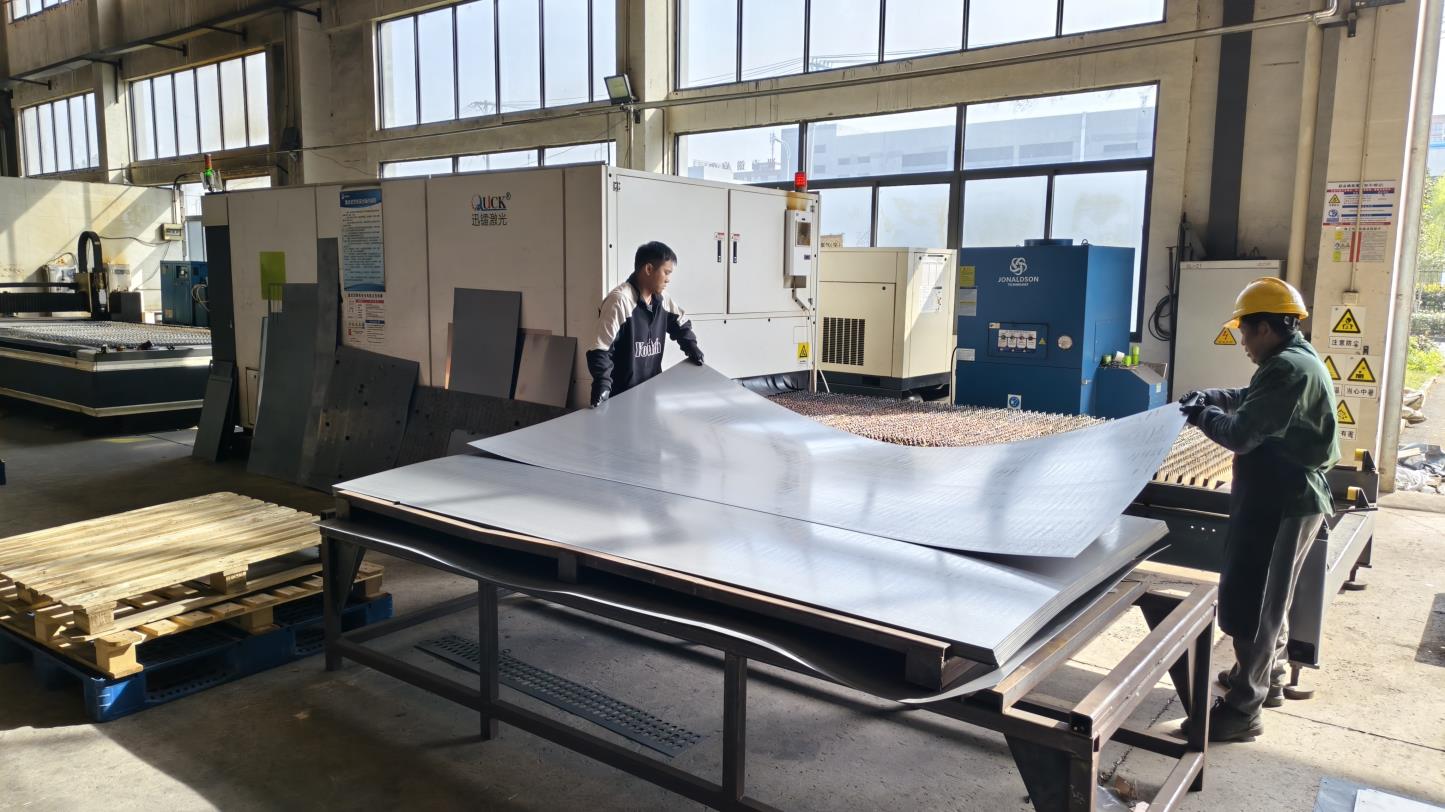
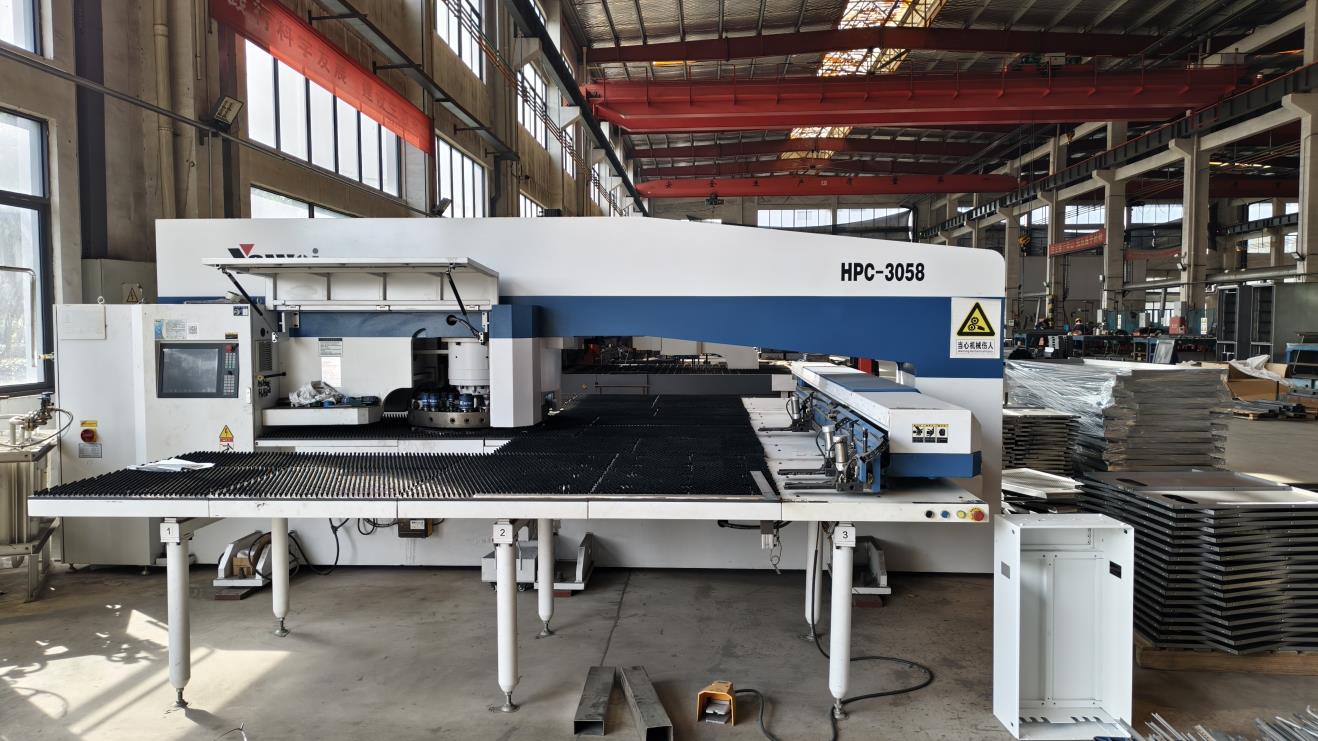
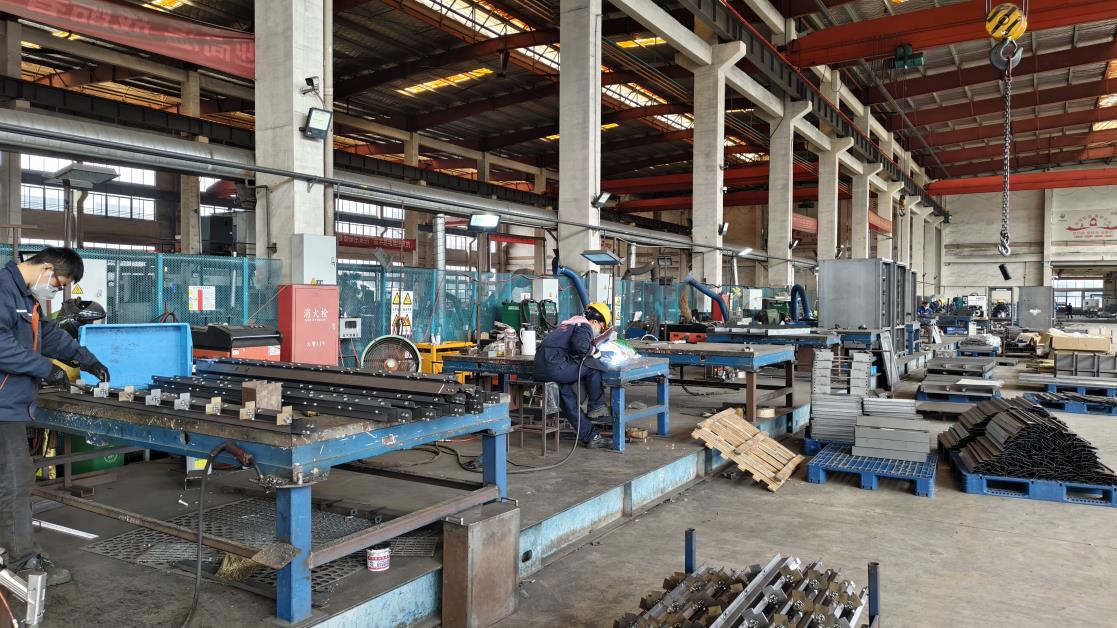
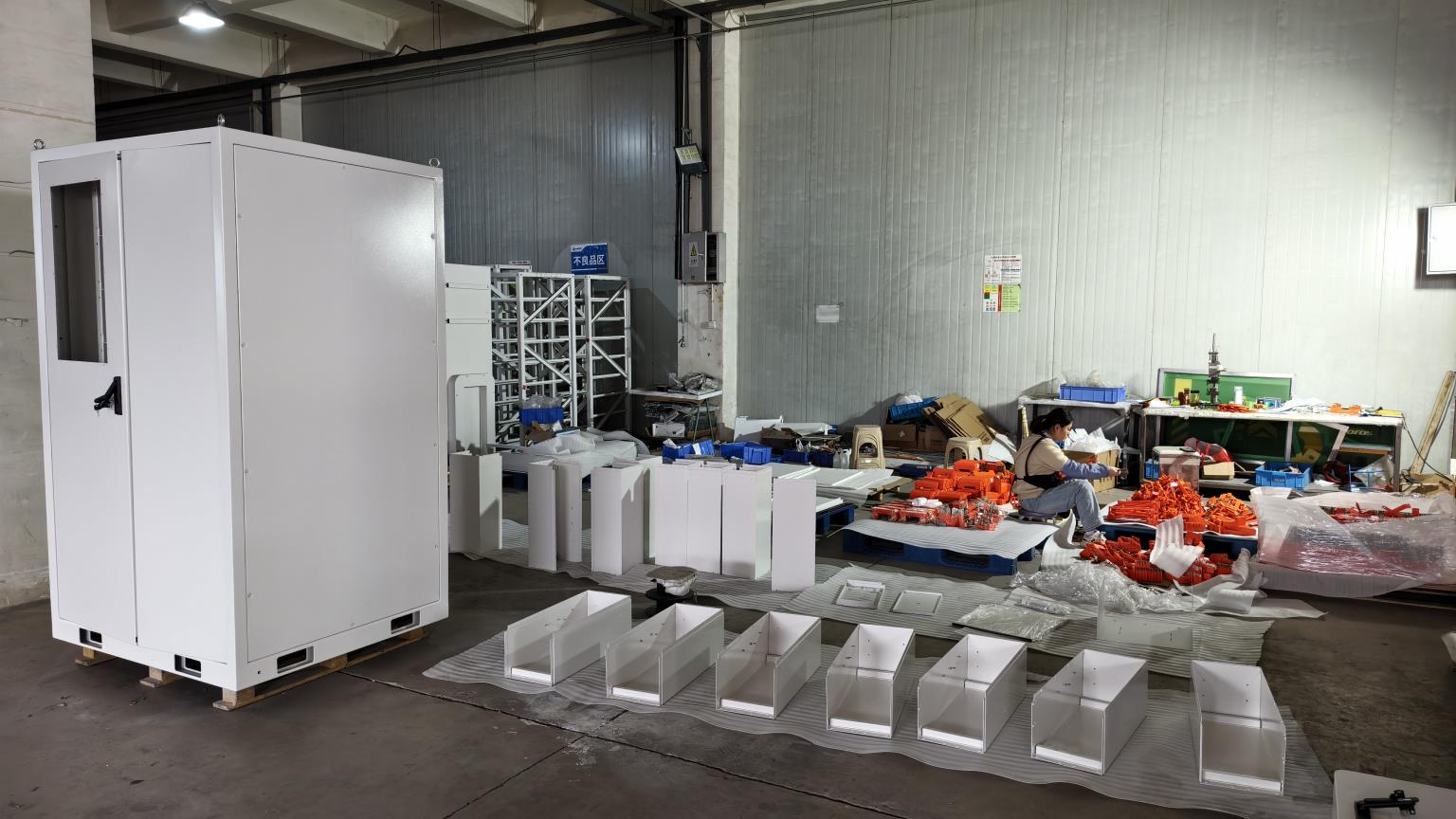
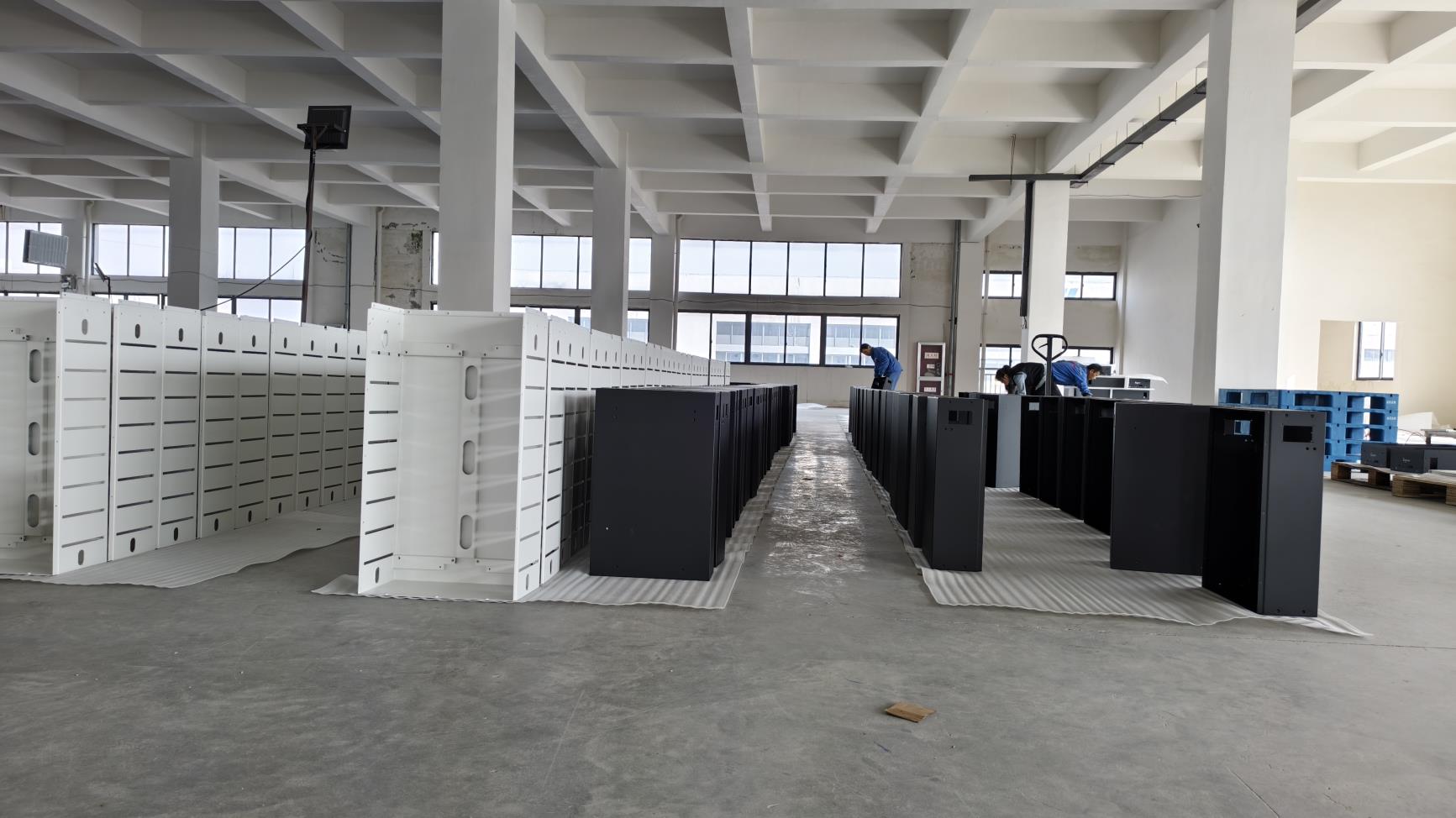
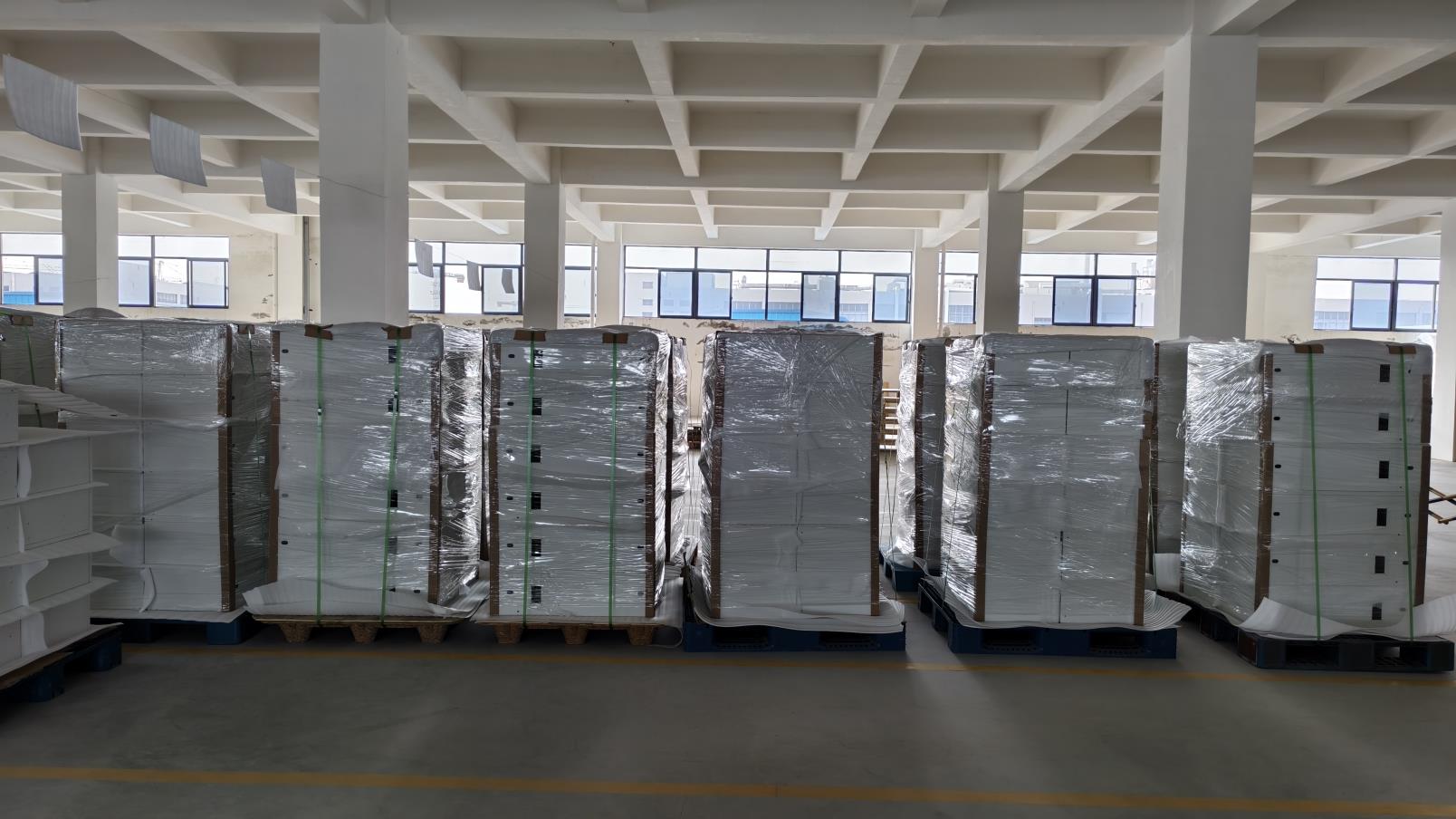
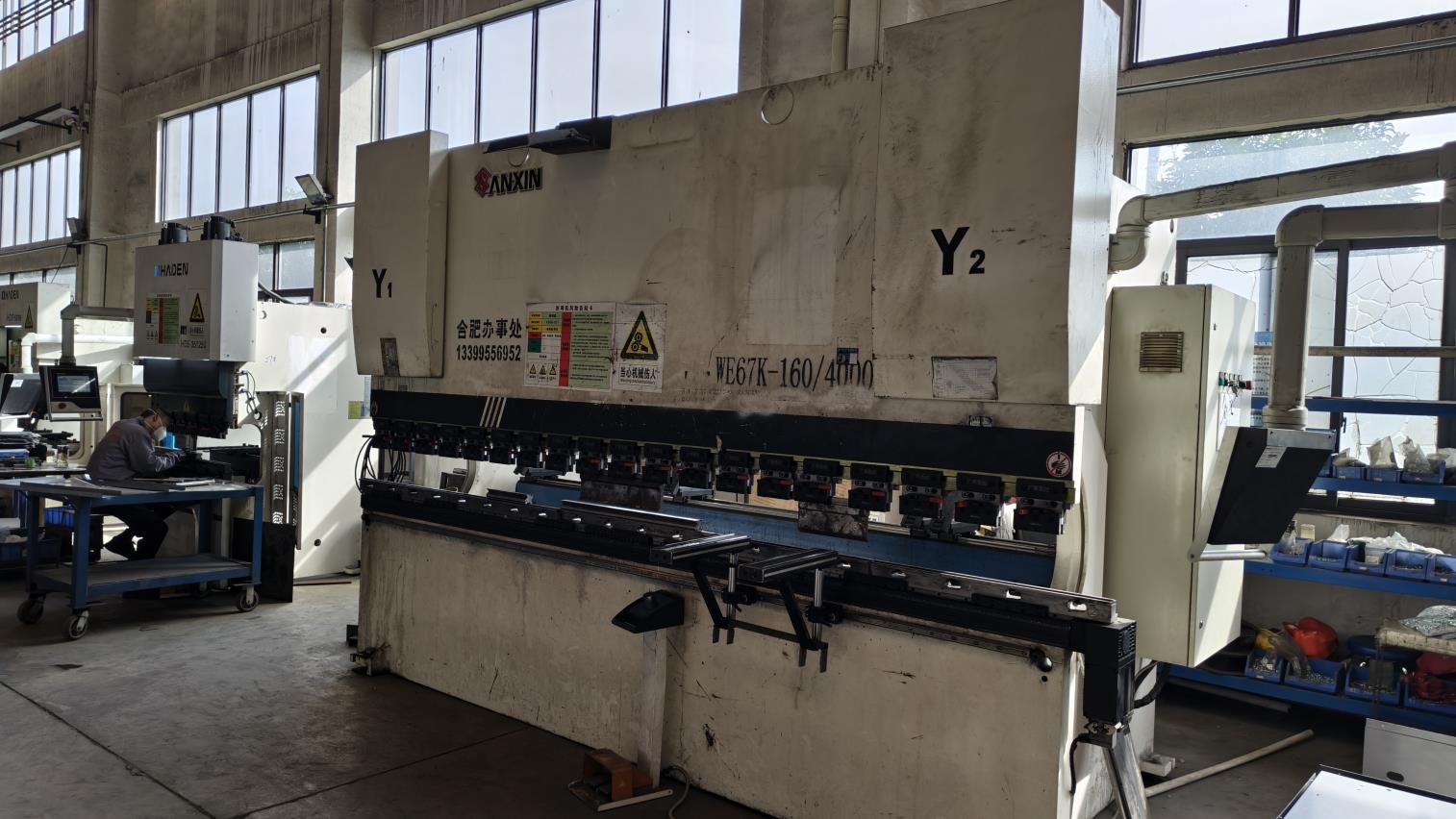
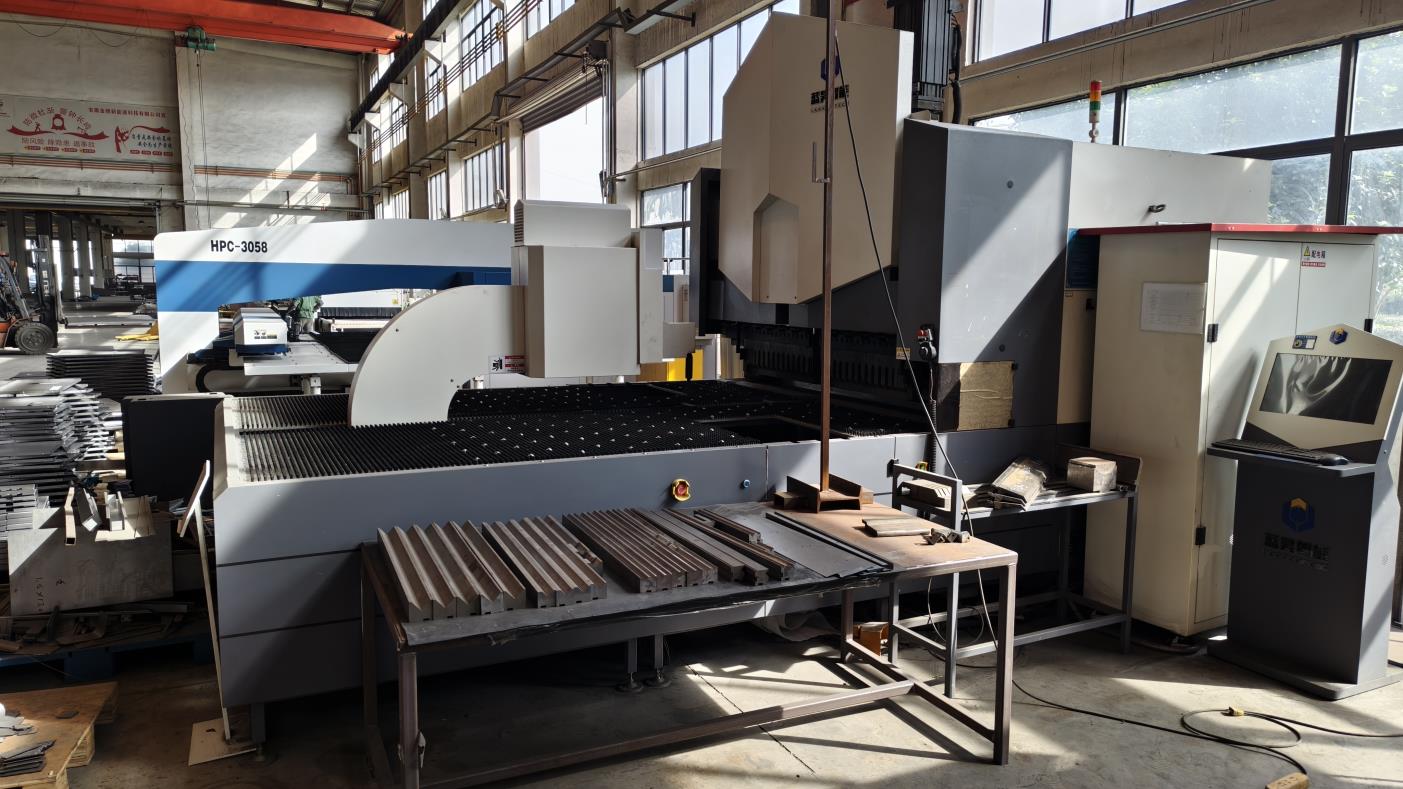
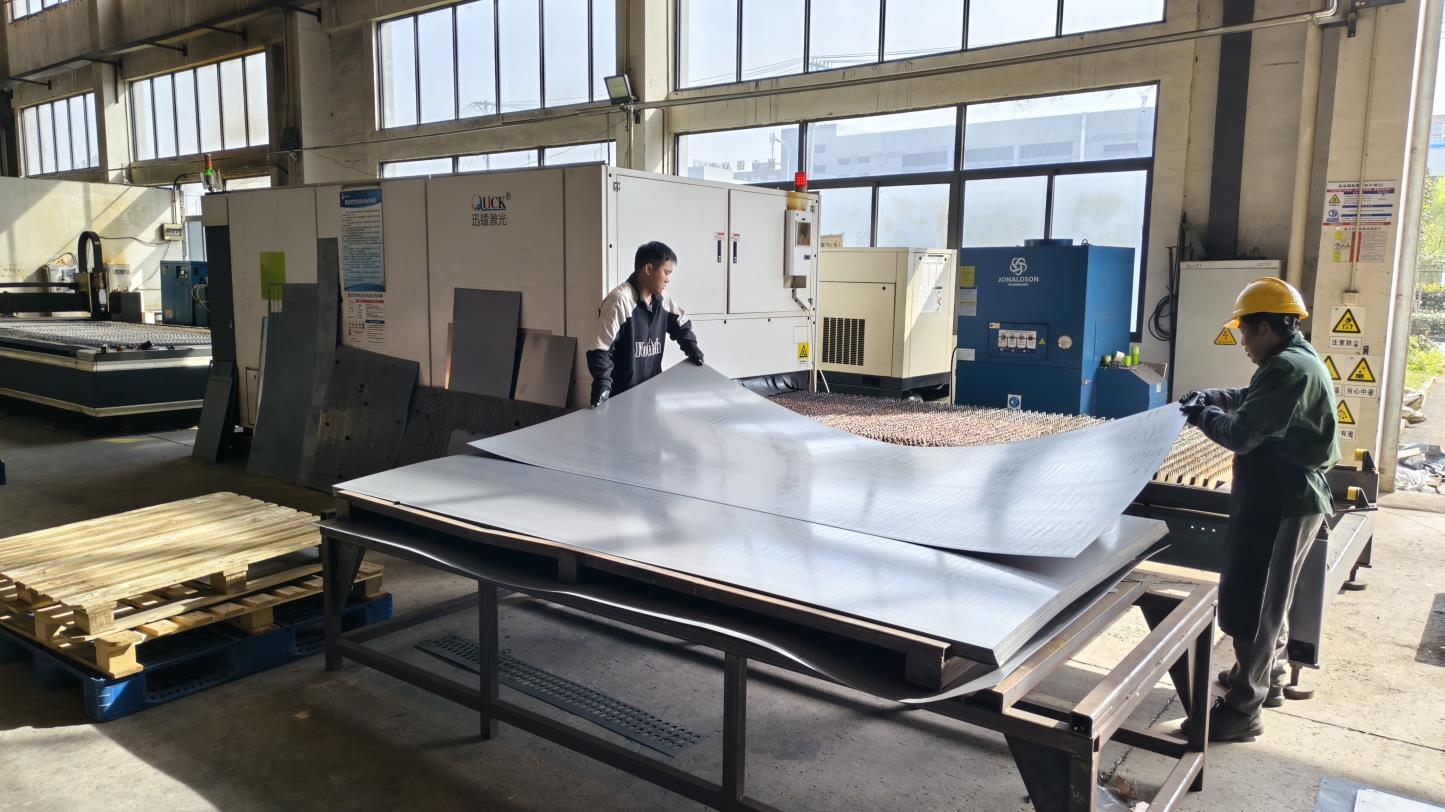
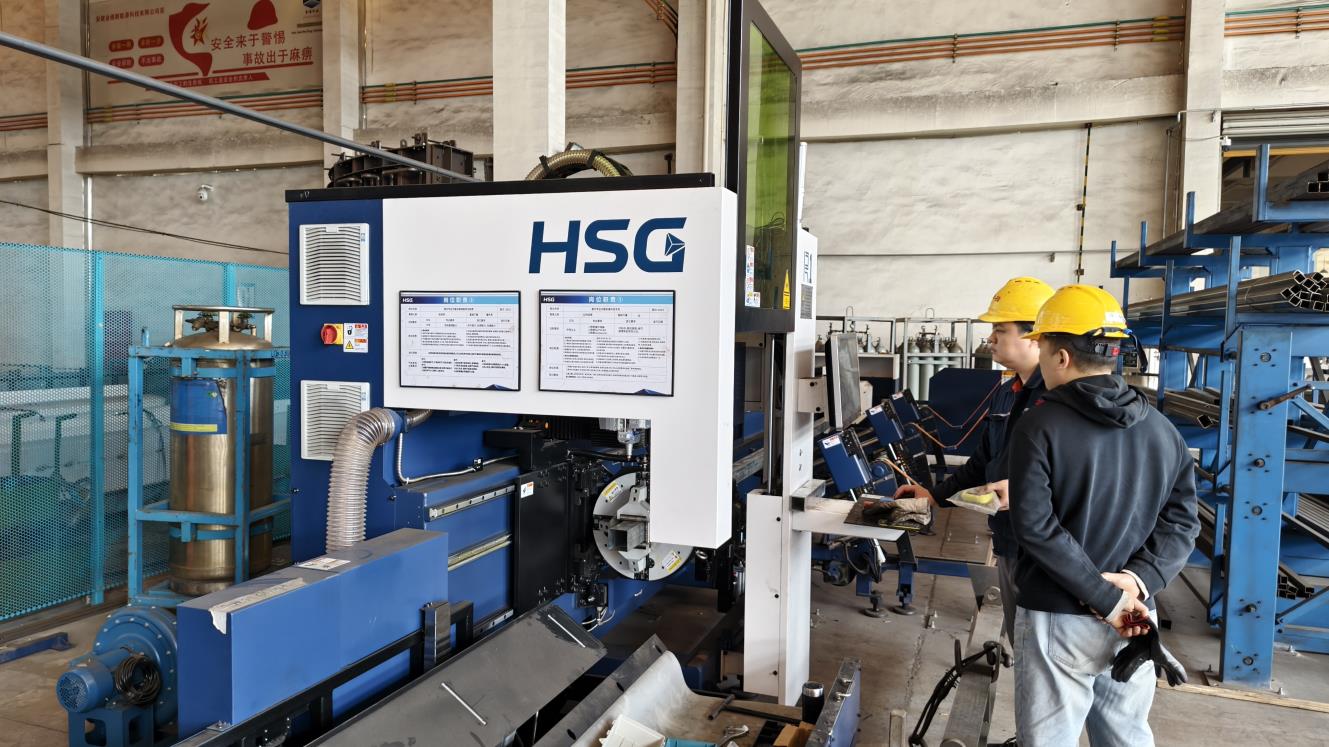
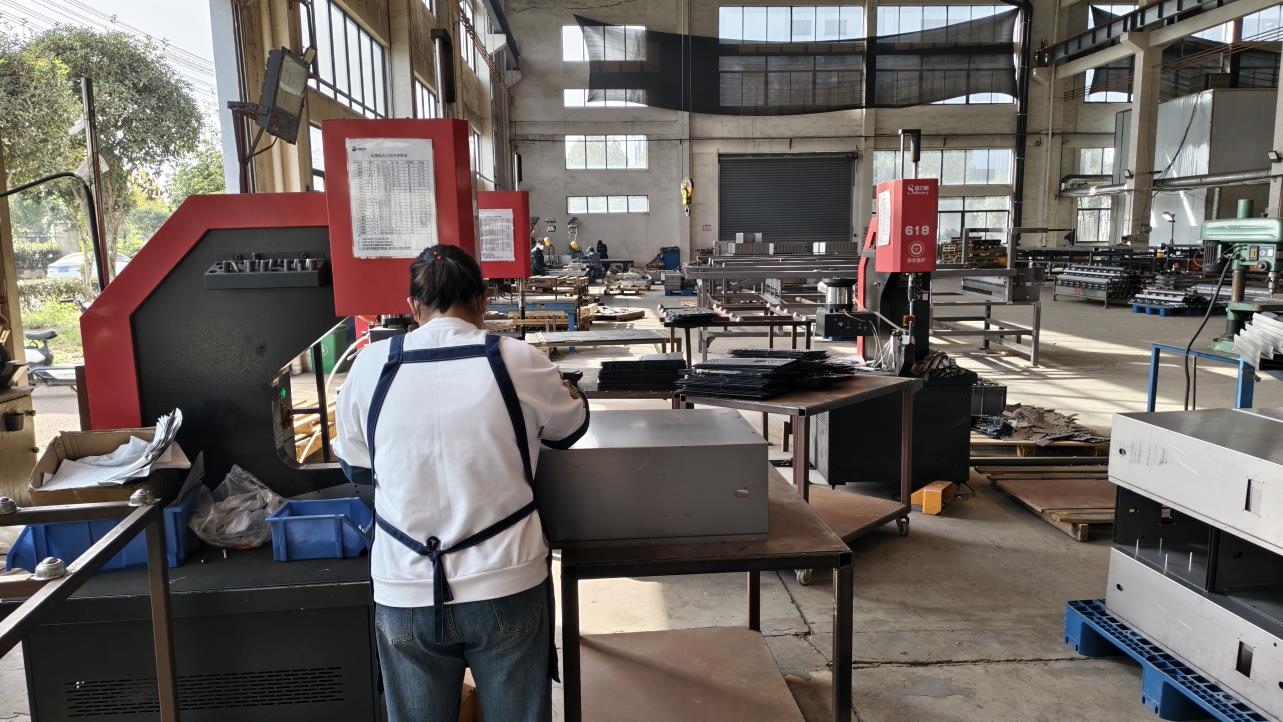
Long-term reliability in outdoor solar applications requires high-grade materials and solid mechanical design. Below is a breakdown of the material specifications and engineering decisions behind our product lines:
Our solar connectors and junction housings are manufactured using high-grade Polyphenylene Ether (PPE) / Polyphenylene Oxide (PPO) alloys. Unlike standard plastic polymers, PPO provides strong dimensional stability, low water absorption, high dielectric strength, and a wide operating temperature range (-40°C to +85°C). It offers natural resistance to ultraviolet radiation, preventing embrittlement and cracking under prolonged sunlight exposure. Additionally, it meets UL94-V0 safety standards, ensuring self-extinguishing behavior to prevent the spread of fire.
Copper is selected for its high electrical conductivity. However, untreated copper in contact with air and moisture is susceptible to oxidation, which increases contact resistance and generates localized heat. To prevent this, we use tinned copper conductors. The micro-thin tin layer provides corrosion protection, protects against acid rain, salt air, and sulfur-rich atmospheres, and helps keep electrical contact resistance below 0.5mΩ.
To maintain IP67 and IP68 water and dust ingress protection, our cable connectors and enclosures utilize integrated seals made of high-elasticity silicon and Ethylene Propylene Diene Monomer (EPDM). These seals maintain their flexibility and compression characteristics under extreme temperature swings, preventing dust and moisture ingress that could lead to ground faults and arc tracking.
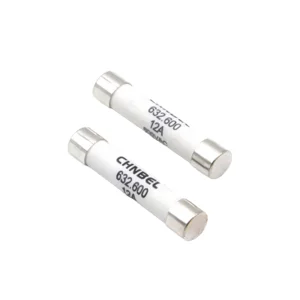
Unlike AC circuits, DC currents do not cross zero points naturally, making DC arcs harder to extinguish. Our DC fuses use high-grade ceramic casings filled with refined quartz sand. This sand absorbs energy and extinguishes arcs quickly during short circuits or overcurrent faults. Our DC breakers are engineered with internal magnetic arc-extinguishing runners that direct the arc away from the main contacts, protecting the internal components and extending the operational life of the device.
Managing international supply chains requires a thorough understanding of regional electrical codes and logistics. Phlox Energy supports global buyers through:
We continuously update our technology roadmap to anticipate and support the evolving needs of clean energy developers:
Technical answers to help engineers, buyers, and EPC contractors source the right protection components.
Operating at 1500V DC allows for longer string configurations, reducing the total number of parallel strings in the array. This translates to fewer combiners, fuses, isolators, and less overall cabling. Ultimately, this reduces Bos (Balance of System) hardware costs, simplifies site labor, and lowers installation times, helping minimize Levelized Cost of Energy (LCOE).
High-durability PV connectors use UV-stabilized Polyphenylene Oxide (PPO) or Polyphenylene Ether (PPE) resins, which resist weathering and maintain mechanical integrity across a temperature range of -40°C to +85°C. Internal contact pins are made of high-conductivity tinned copper, maintaining contact resistance under 0.5mΩ while preventing oxidation in salty or humid environments.
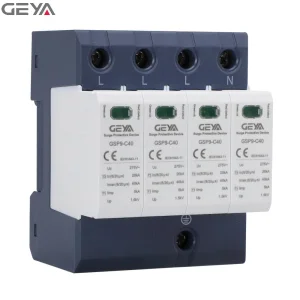
Type 1 SPDs are designed to handle direct lightning currents and are typically installed at the main service entrance or main distribution board. Type 2 SPDs protect downstream electrical installations and sensitive equipment against indirect lightning strikes and switching overvoltages. For complete protection in utility-scale solar arrays, engineers often deploy Type 1 SPDs in central inverter stations and Type 2 SPDs in individual combiner boxes.
Alternating Current (AC) crosses zero voltage points multiple times per second, which naturally helps extinguish arcs. Direct Current (DC) maintains a continuous voltage, meaning arcs do not self-extinguish as easily and can burn persistently. DC circuit breakers must use specialized magnetic arc-suppression chambers and arc runners to physically stretch and cool the arc, extinguishing it quickly and safely.
Smart breakers and monitored combiner boxes gather real-time current, voltage, and temperature data from individual strings. This data is transmitted back to a central SCADA or EMS system. This allows operators to quickly locate faults, detect performance drop-offs caused by shading or dirt, and schedule targeted maintenance, helping reduce operating costs.
The Ingress Protection (IP) rating indicates a device's resistance to solids and liquids. An IP65 rating indicates complete protection against dust ingress (6) and protection against low-pressure water jets from any direction (5). This rating makes these enclosures suitable for outdoor installation in areas subject to rain, splashing, and windblown dust.
When three or more solar strings are connected in parallel, a fault in one string can allow the combined current from the other strings to flow back into it. This reverse current can exceed the module's safe limits, leading to cable fires or panel damage. Inline DC fuses interrupt this reverse current quickly, isolating the faulted string and protecting the rest of the array.
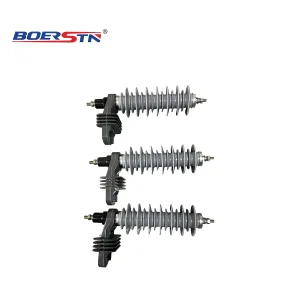
High-voltage fuses, smart switches, and robust terminal components designed for stable operation in utility and industrial power systems.
 Phlox Energy