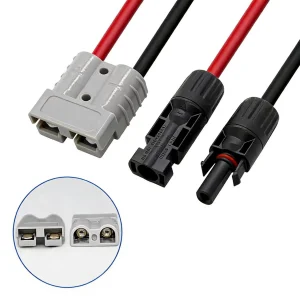
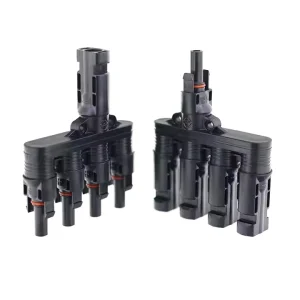
High-reliability connector systems engineered to withstand Colombia's intense tropical climates, high solar irradiation, and altitude variances.
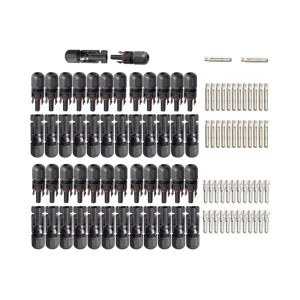
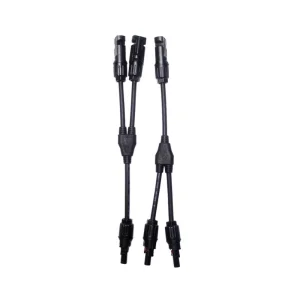
Colombia is undergoing an unprecedented energy transformation. Spurred by the national regulatory framework (specifically Law 1715 and updates from UPME), the country's installed photovoltaic capacity is targeting multiple gigawatts over the next decade. Commercial and Industrial (C&I) rooftop arrays in cities like Cali, Medellin, and Bogota, combined with massive utility-scale installations in high-irradiance departments like La Guajira and Cesar, demand components capable of sustaining harsh, diverse microclimates.
Unlike temperate regions, Colombia presents unique climatic challenges. In northern desert areas such as La Guajira, solar fields face extreme ambient heat, heavy salt-mist corrosion from the Caribbean sea, and severe wind-blown sand erosion. Conversely, urban and agricultural installations in the Andes region endure rapid humidity transitions and high elevation risks. Designing DC connection systems for this market requires deep material science awareness and strict compliance with local Colombian electrical safety code, RETIE (Reglamento Técnico de Instalaciones Eléctricas).
To secure long-term bankability, developers and EPCs (Engineering, Procurement, and Construction contractors) must prioritize the structural integrity of the balance of system (BOS). Electrical failures in connectors are the leading cause of PV system downtime and fire risks. Thus, choosing heavy-duty, certified branch connectors is not just a cost decision, but a core strategy for asset protection.
According to international standards like IEC 60664-1, as altitude increases above 2000 meters, atmospheric pressure drops. The density of air declines, decreasing its breakdown voltage capacity. For a system operating in Bogota (approx. 2,625 meters), standard clearances developed for sea-level conditions are insufficient. Connectors designed without structural compensation are susceptible to flashovers, arcing, and permanent damage.
Our factory engineering team utilizes high-grade Polyphenylene Oxide (PPO) and Polyphenylene Ether (PPE) materials. By adjusting the contact spacing and housing molds, our connectors feature expanded creepage distances and a Comparative Tracking Index (CTI) rating of over 600V. This ensures safe operation up to 4000 meters, complying with the strictest altitude derating requirements.
A major failure mechanism of solar branch connectors in saline coastal regions like Barranquilla and Santa Marta is galvanic corrosion. Ambient humidity mixed with airborne salt results in electrolyte deposits on contact surfaces. This triggers chemical corrosion, causing contact resistance to spike from its nominal range (<0.25 mΩ) to tens of ohms.
This resistance surge generates intense heat under high currents (30A–50A), eventually causing the plastic shell to melt or ignite. To combat this, we use premium raw oxygen-free copper terminals plated with a high-durability tin or silver layer. This design offers a gas-tight crimp connection that seals out moisture and corrosive ions, preserving system performance over a 25-year lifetime.
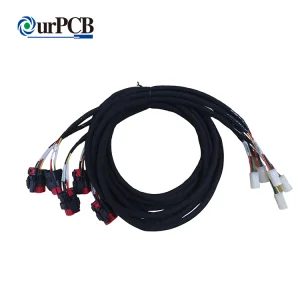
Customized cable lengths, fuses, and multi-branch configurations to maximize design efficiency in commercial array layouts.
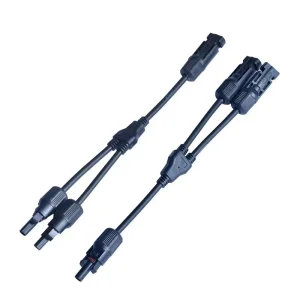
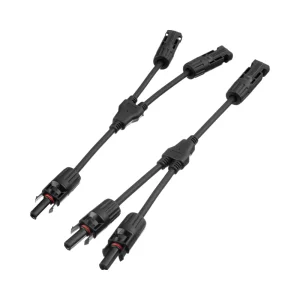
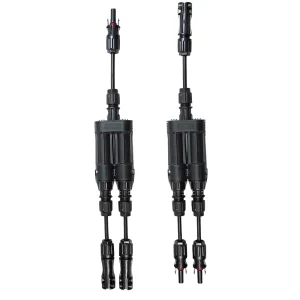
For international buyers, sourcing from China is no longer just about low pricing; it is about securing reliable manufacturing processes. Wenzhou Phlox Energy Co., Ltd. addresses this requirement by applying Industry 4.0 design paradigms across our manufacturing ecosystem. By using automated production and advanced quality inspection processes, we minimize manual assembly errors and maintain quality across large production volumes.
Every single batch of solar branch connectors we manufacture undergoes a structured testing regimen before dispatch. This is critical for preventing early system failures in distant markets like Colombia where replacement logistics are expensive. Our facility features:
Spanning over 11,500 square meters and housing 7 advanced assembly lines alongside more than 100 automated production machines, our annual output value exceeds USD 20 million. This scale allows us to accommodate custom engineering requests, custom wire harnesses, specialized branching variations, and unique fuse values tailored to the requirements of Colombian EPCs and solar distributors.
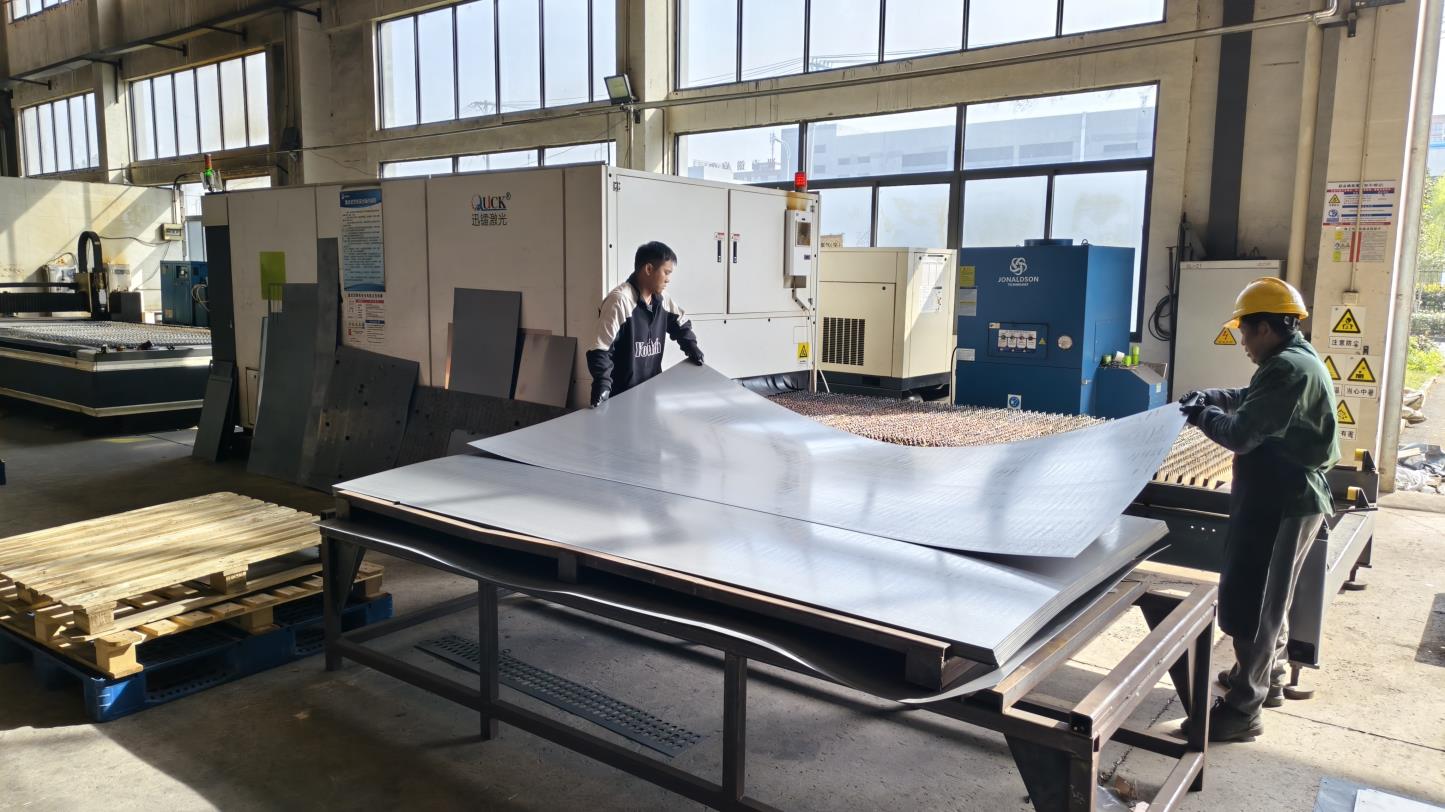 Laser Cutting
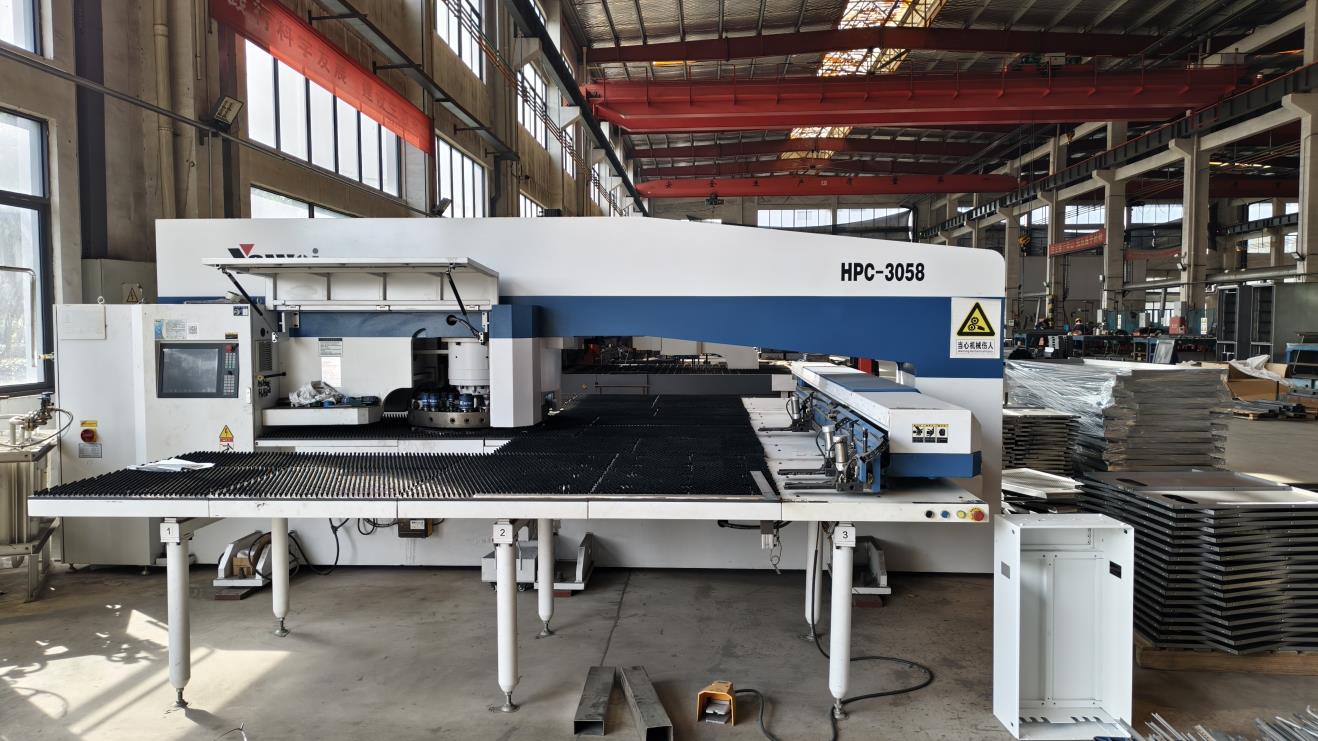 Bending
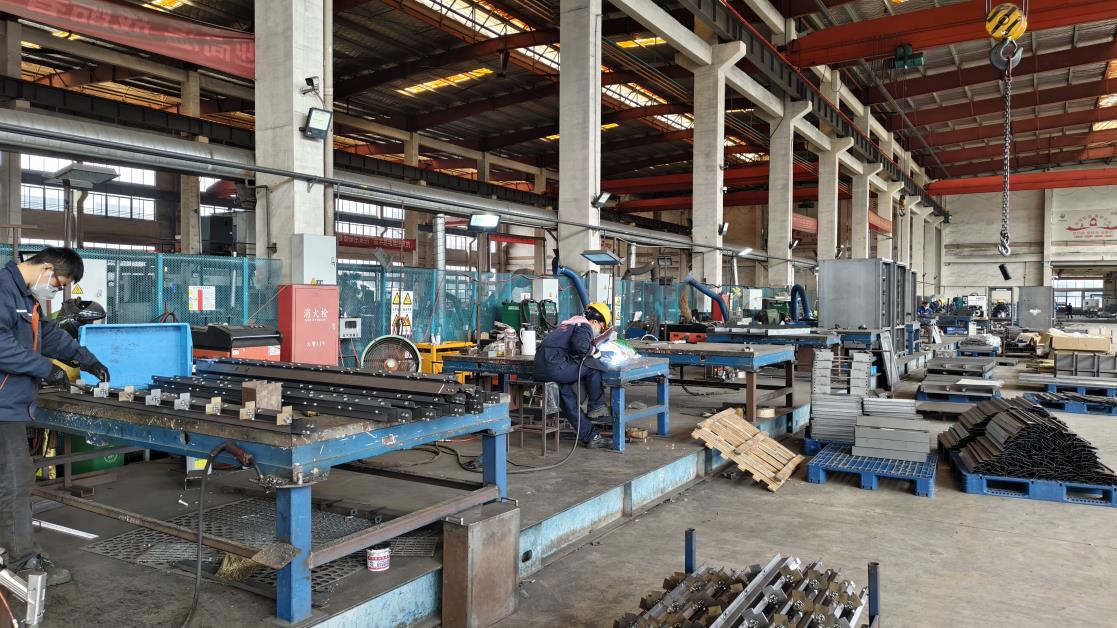 Welding
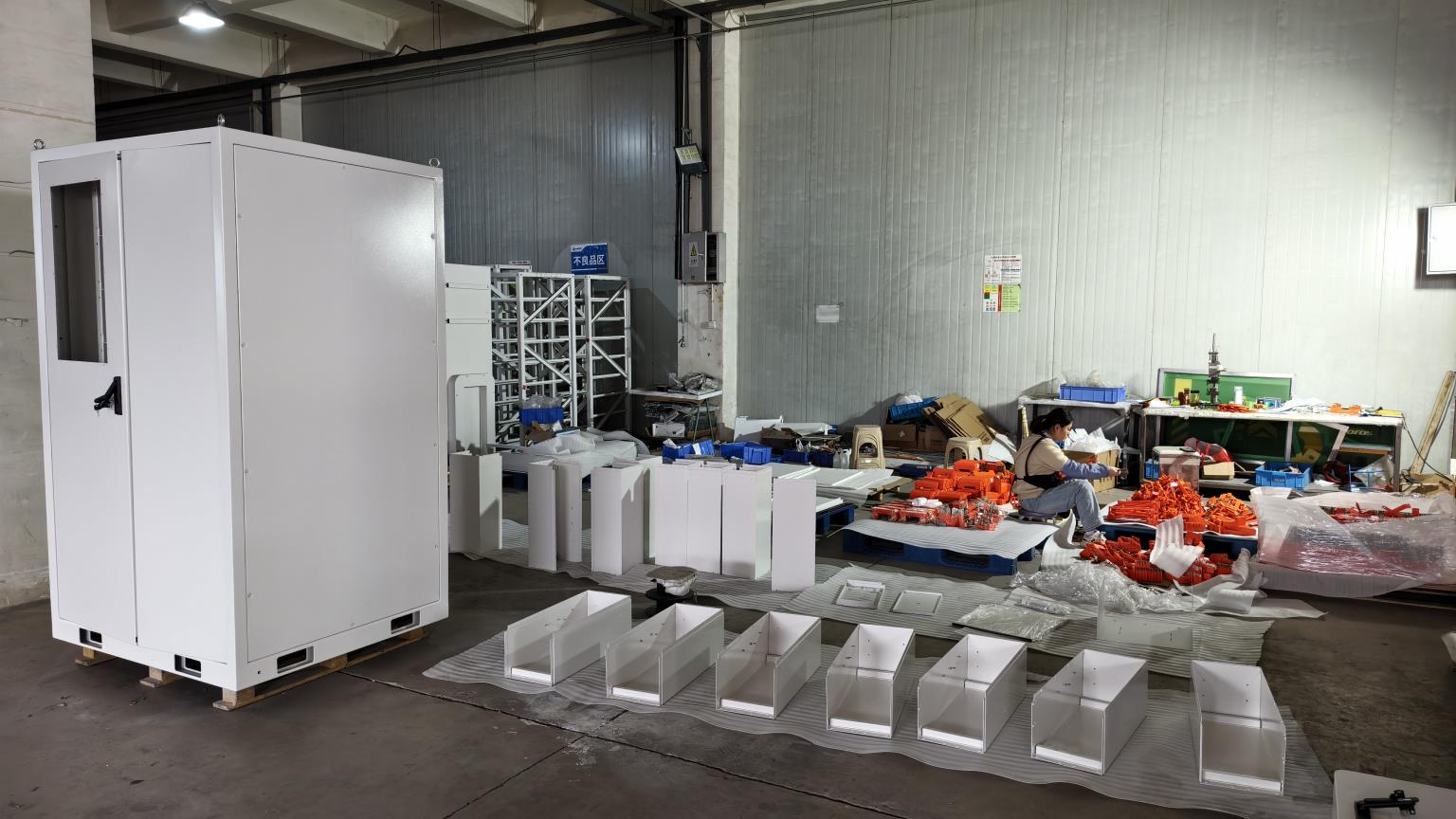 Assembling
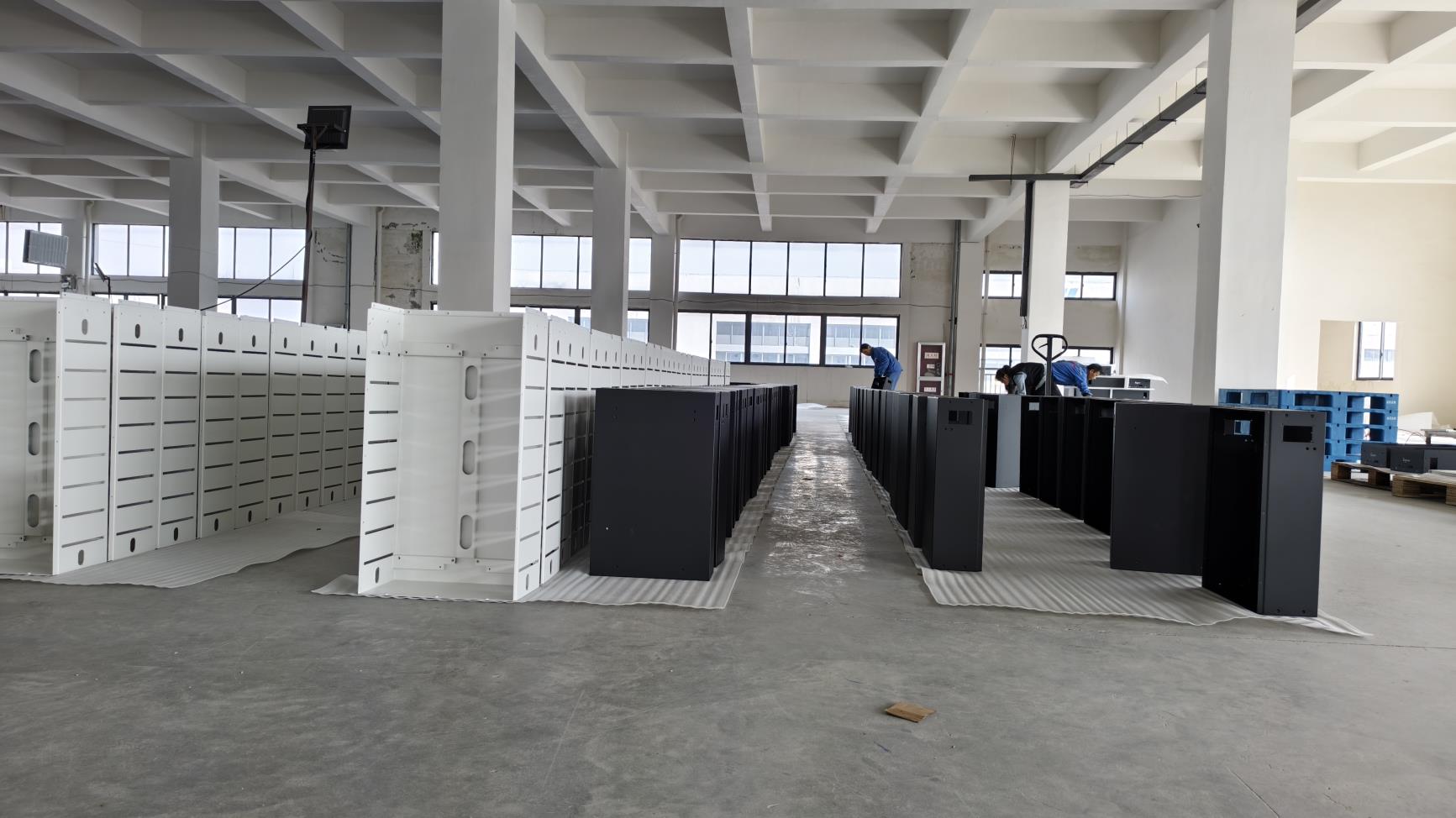 Packing
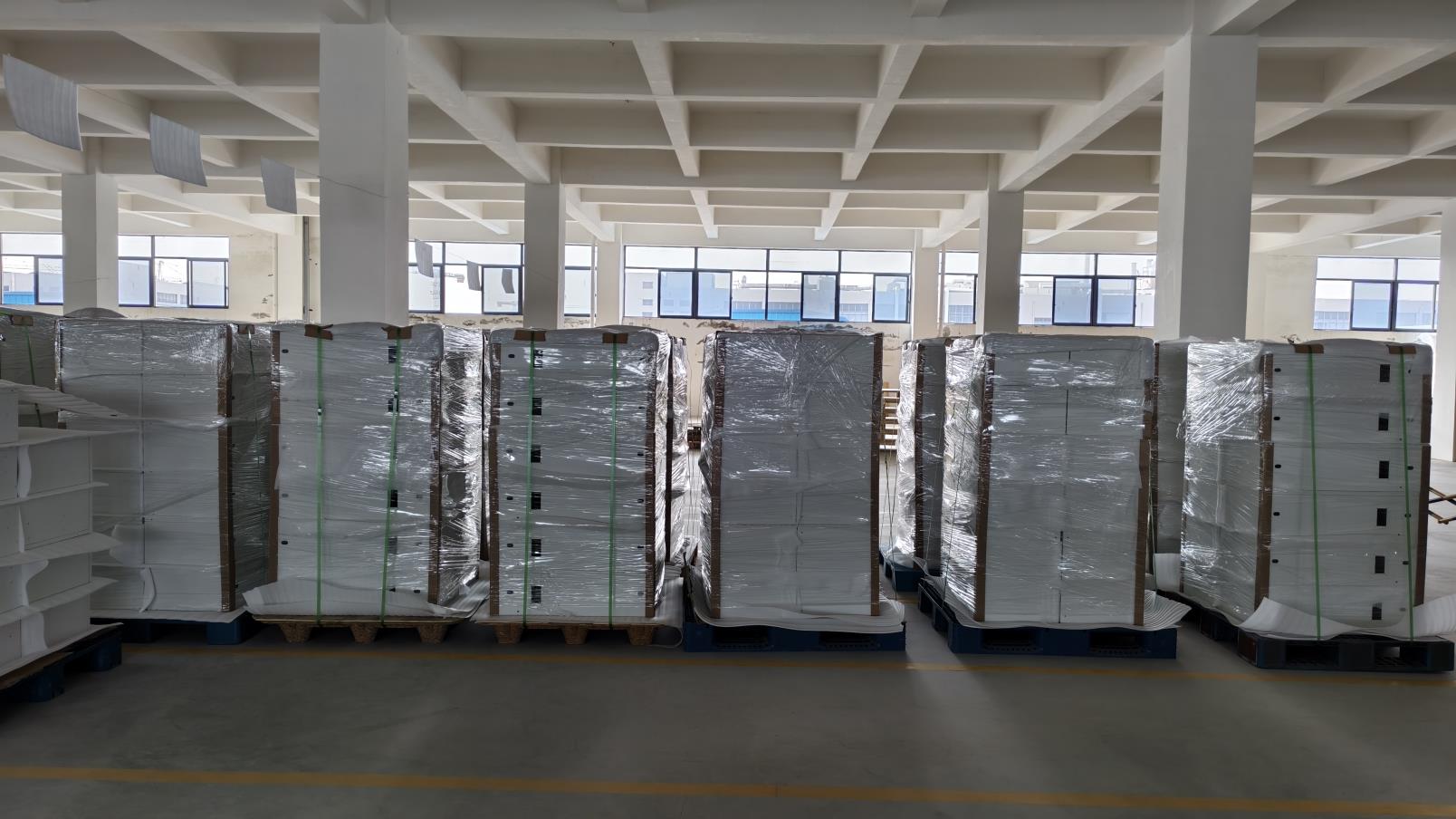 Warehouse
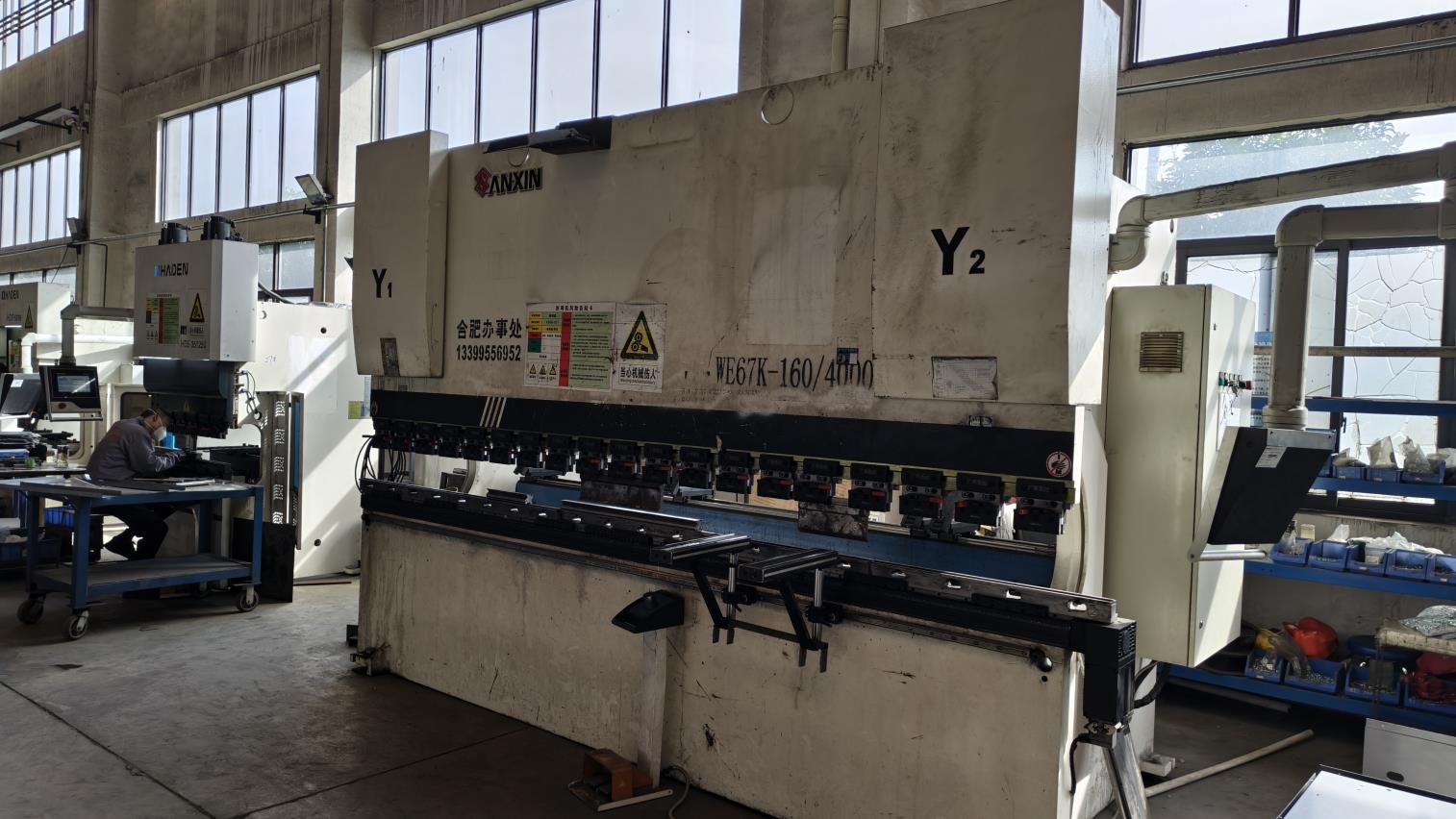 Bending Machine
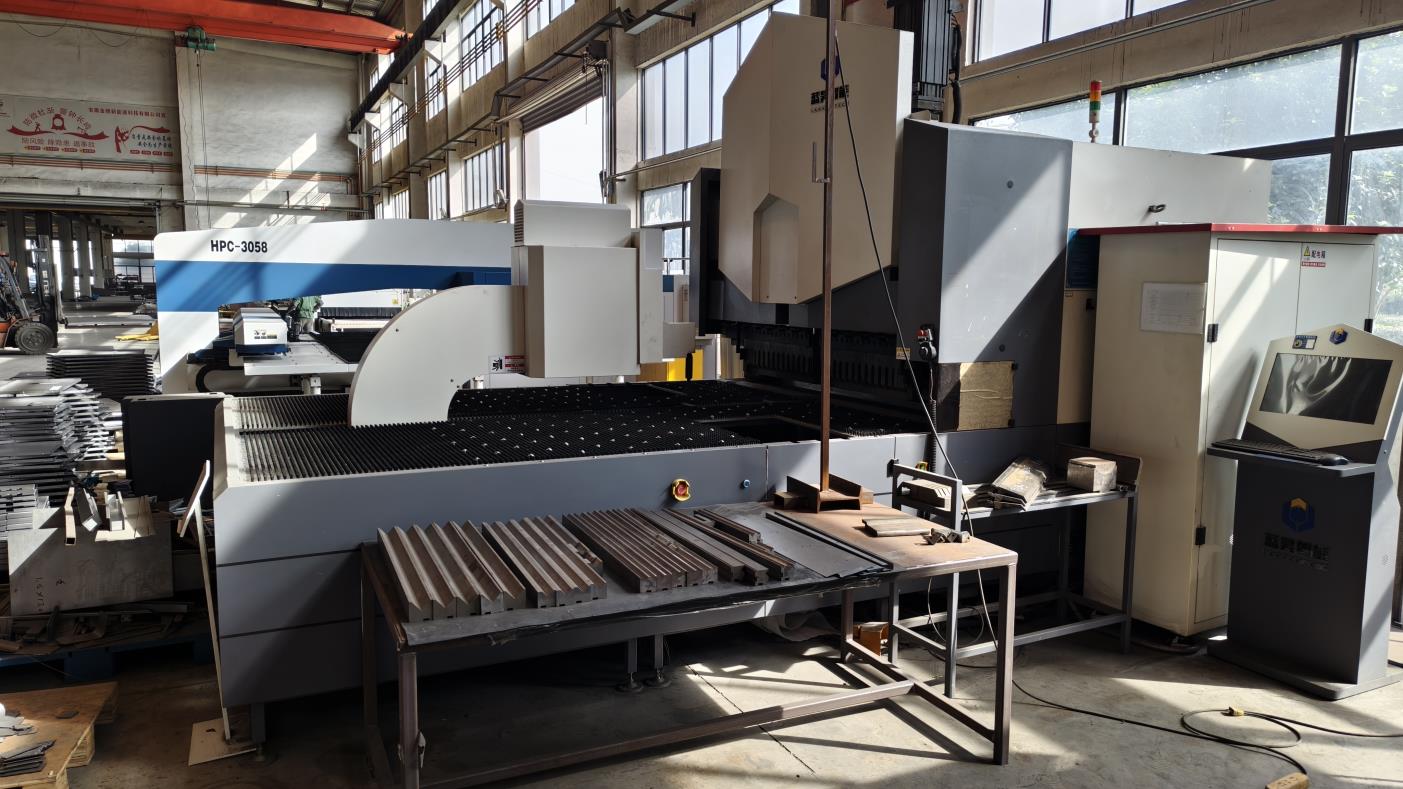 CNC Bending Machine
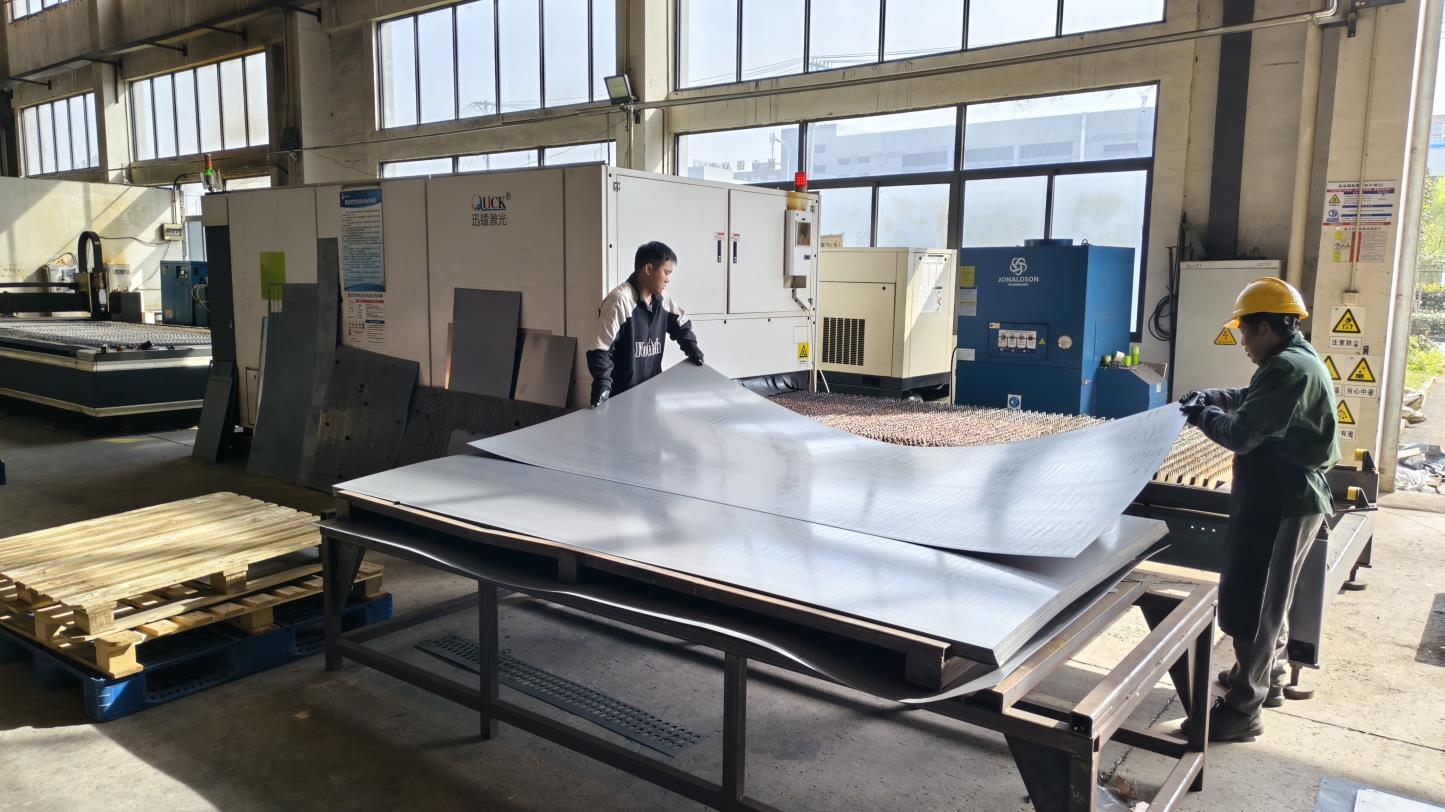 Laser Cutting Machine
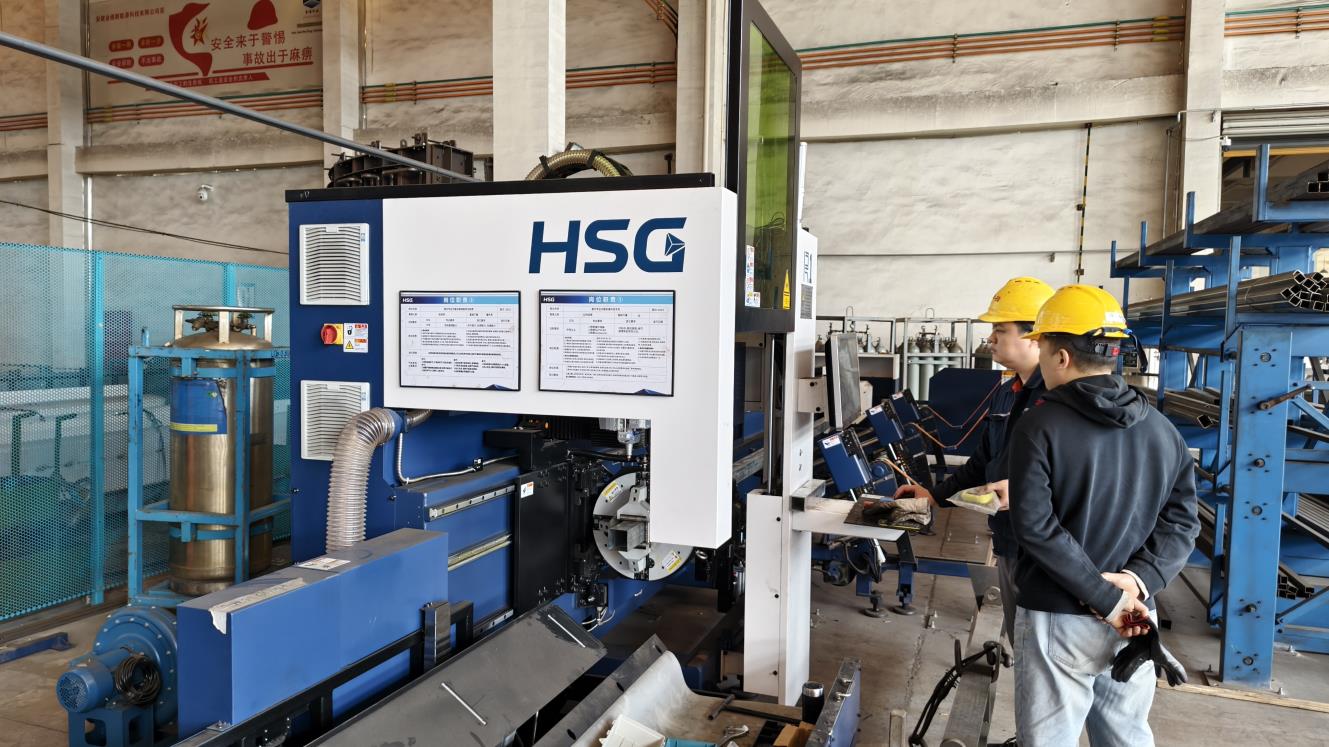 Laser Tube Cutting Machine
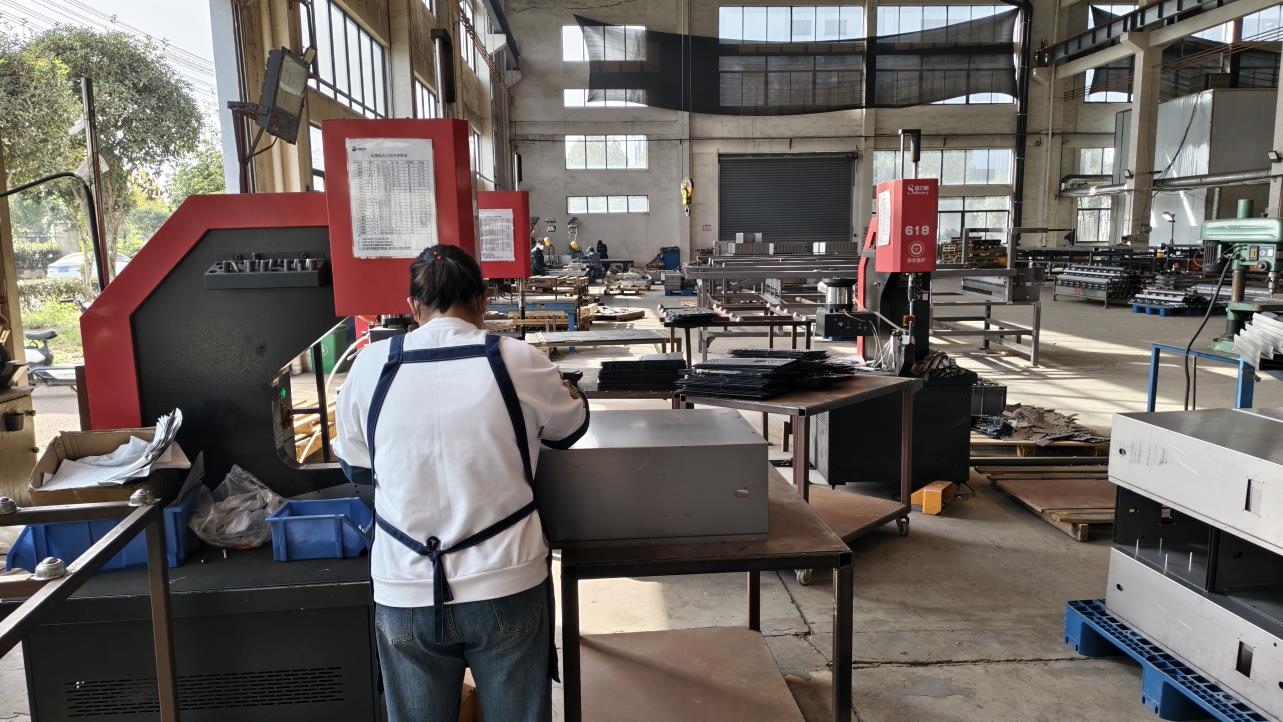 Riveting Machine
A major trend in global and Colombian utility-scale solar system design is the shift from 1000V DC systems to 1500V DC. Shifting to higher voltages reduces Balance of System (BOS) costs by allowing longer string lengths. This reduces the overall amount of combiner boxes, DC cabling, and trenching required on-site.
However, operating at 1500V DC places greater electrical and thermal demands on connectors. Higher voltage potentials increase the risk of tracking and breakdown across insulation barriers. Our 1500V-rated connectors are manufactured with thick walls and high-tracking-resistance PPO, designed to handle high voltage systems safely.
Additionally, high-voltage systems must be protected against thermal expansion. In locations with high daily temperature swings, thermal cycling can stress connector housings and lead to loose interfaces. Our snap-lock locking mechanism prevents accidental disconnection under load, ensuring reliable contact and safety over years of operation.
For developers in Colombia, using 1500V-rated connectors allows them to build larger systems with fewer failure points. Our factory provides 1500V branch connectors and fuse holders designed to help projects meet high efficiency and safety standards.
Select from our certified catalog of branching, inline, and high-current connectors configured for residential, commercial, and utility-scale installations.
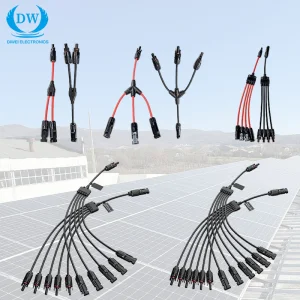
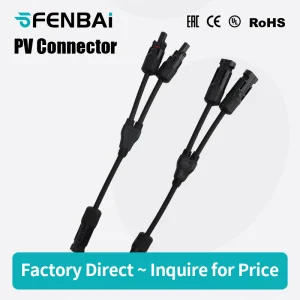
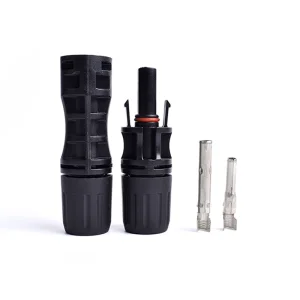
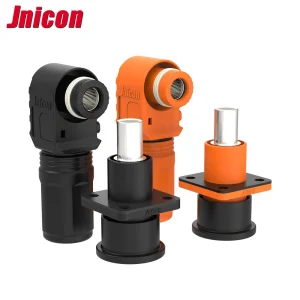
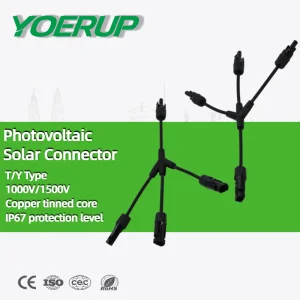
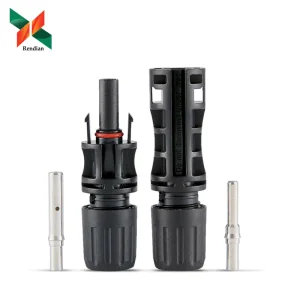
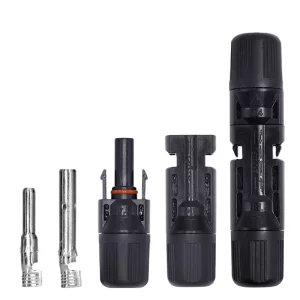
Utility-scale sites require stable connections over thousands of connections. Our 1500V branch connectors help minimize Balance of System (BOS) costs by supporting long PV strings, while their robust construction withstands wind-blown sand and coastal environments.
Urban commercial arrays demand high levels of fire safety and reliability. Featuring UL94-V0 flame-retardant housings and secure locking clips, our connectors prevent hot spots and comply with RETIE fire safety standards.
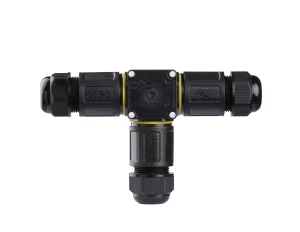
Off-grid systems in remote regions require dependable, low-maintenance components. Our IP68 waterproof branch connectors protect connections against moisture and water ingress in tropical agricultural zones.
Get in touch with our technical sales division to request product samples, detailed TUV test reports, or customized quotes tailored to your project requirements.
 Phlox Energy