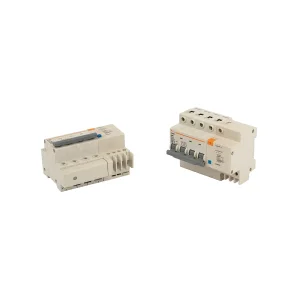
High-performance breakers, fuses, and custom wiring solutions built to meet rigorous global standards.
The global transition to renewable energy networks, coupled with the rapid integration of high-density DC architectures, has fundamentally changed the requirements for industrial electrical safety. Electrical circuit testers and overcurrent protection systems are no longer static safety nets; they are dynamic, precision diagnostic interfaces. Today’s commercial installations demand robust testing frameworks to mitigate the risks associated with high-voltage DC arcs, lightning-induced transient voltages, and leakage currents in utility-scale solar arrays.
Global enterprises face unique challenges: aligning local NEC (National Electrical Code) rules with IEC specifications, maintaining safety at 1000V to 1500V DC operational ranges, and ensuring components survive harsh outdoor environments. Precision manufacturing of circuit testers, solar-combiner networks, high-voltage fuses, and miniature circuit breakers (MCBs) requires advanced testing procedures to prevent catastrophic downtime and safeguard personnel.
Understanding the engineering breakthroughs behind high breaking capacity cartridge fuses, solar connectors, and smart distribution components.
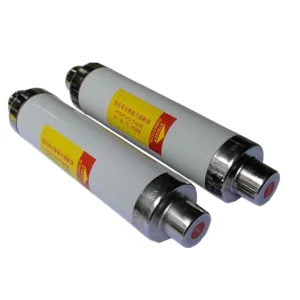
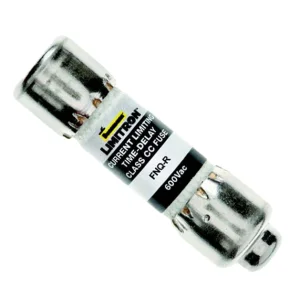
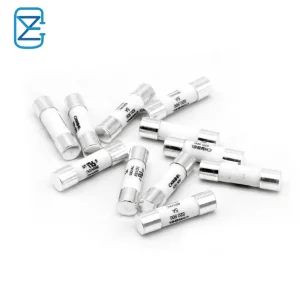
Our high-voltage cartridge fuses (such as the FNQ-R class and 12kV XRNM designs) feature silver-plated copper elements packed with high-purity silica sand. Under fault conditions, the sand acts as a rapid arc-quenching medium, absorbing thermal energy and transforming into non-conductive glass to break current flow cleanly.
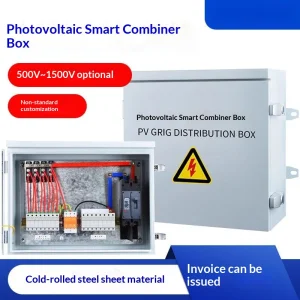
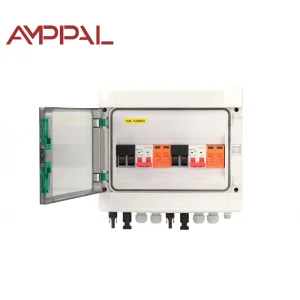
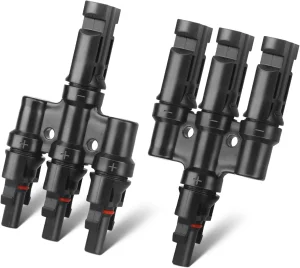
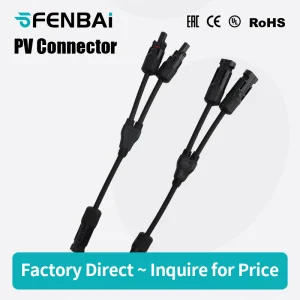
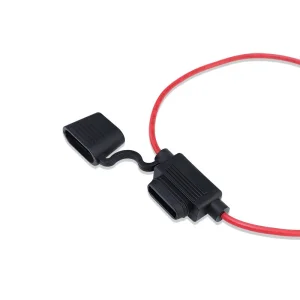
To resist UV degradation and thermal cycling common in industrial solar farms, our branch connectors, inline fuse holders, and combiner boxes use high-grade PC/PBT resins. The IP66/IP67 rated components prevent water ingress and oxidation of internal contact points, maintaining low contact resistance.
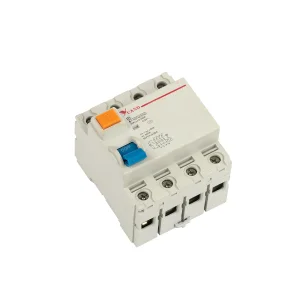
Integrating AFCI (Arc Fault Circuit Interrupter) and GFCI (Ground Fault Circuit Interrupter) technologies represents the peak of modern circuit safety. Our units utilize integrated microcontrollers that process voltage and current waveforms in real-time, detecting high-frequency noise typical of dangerous electric arcs.
A Professional Global Supplier of Solar Photovoltaic Protection and Electrical Connection Systems
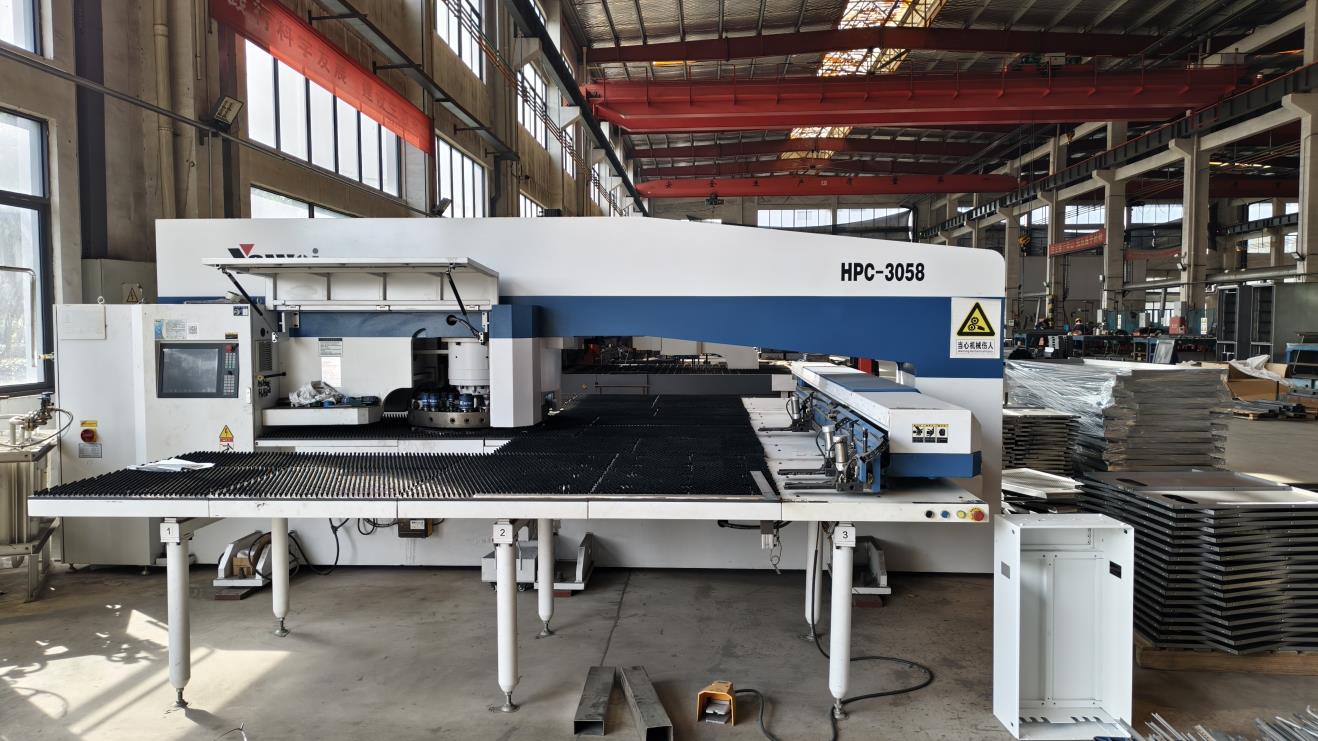
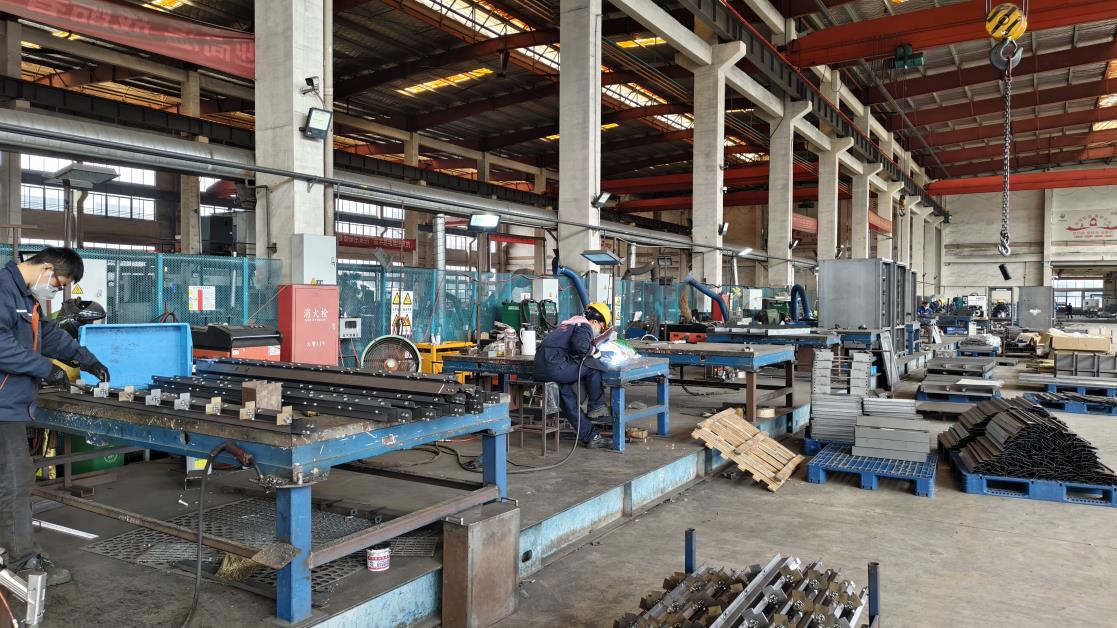
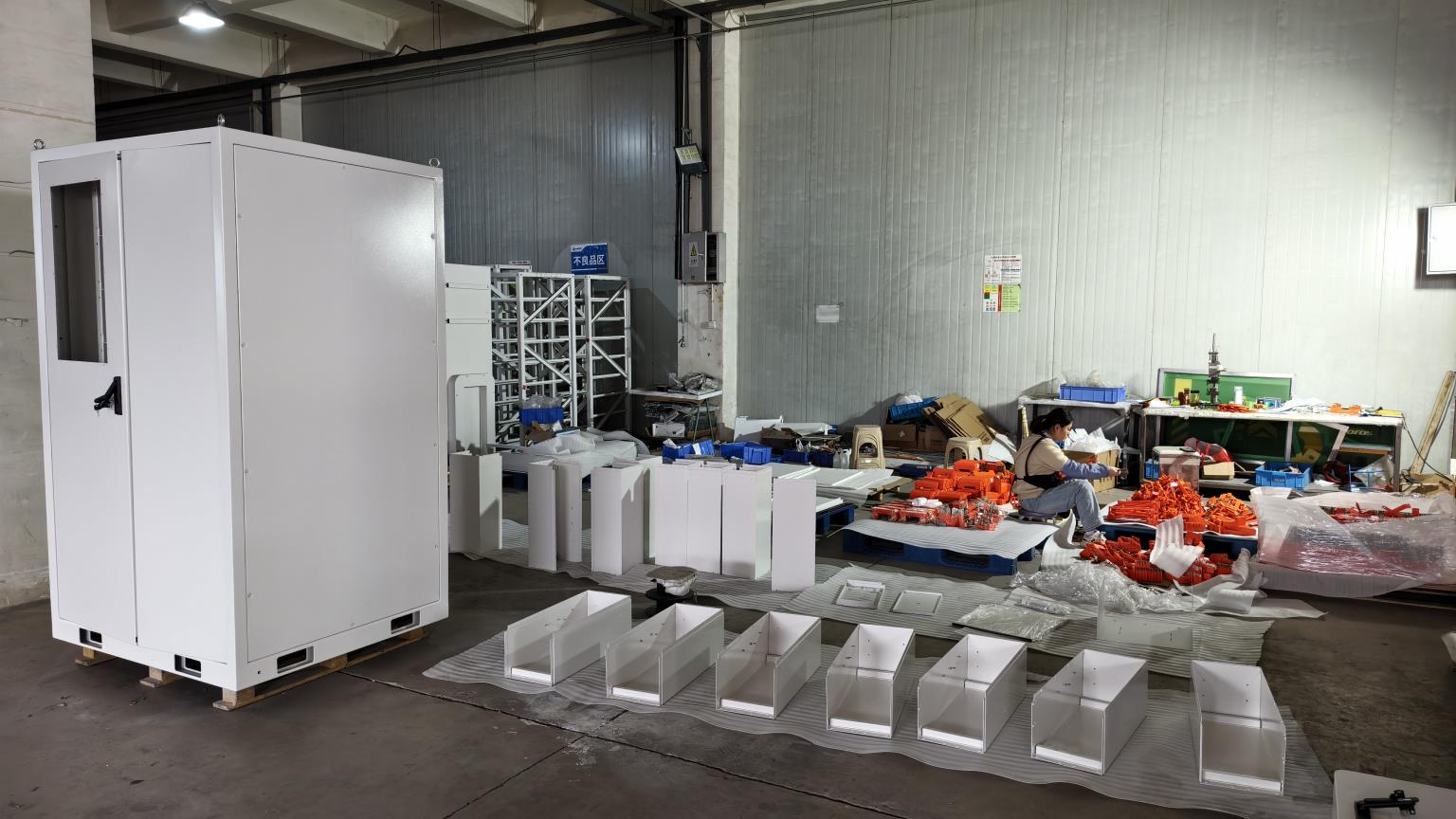
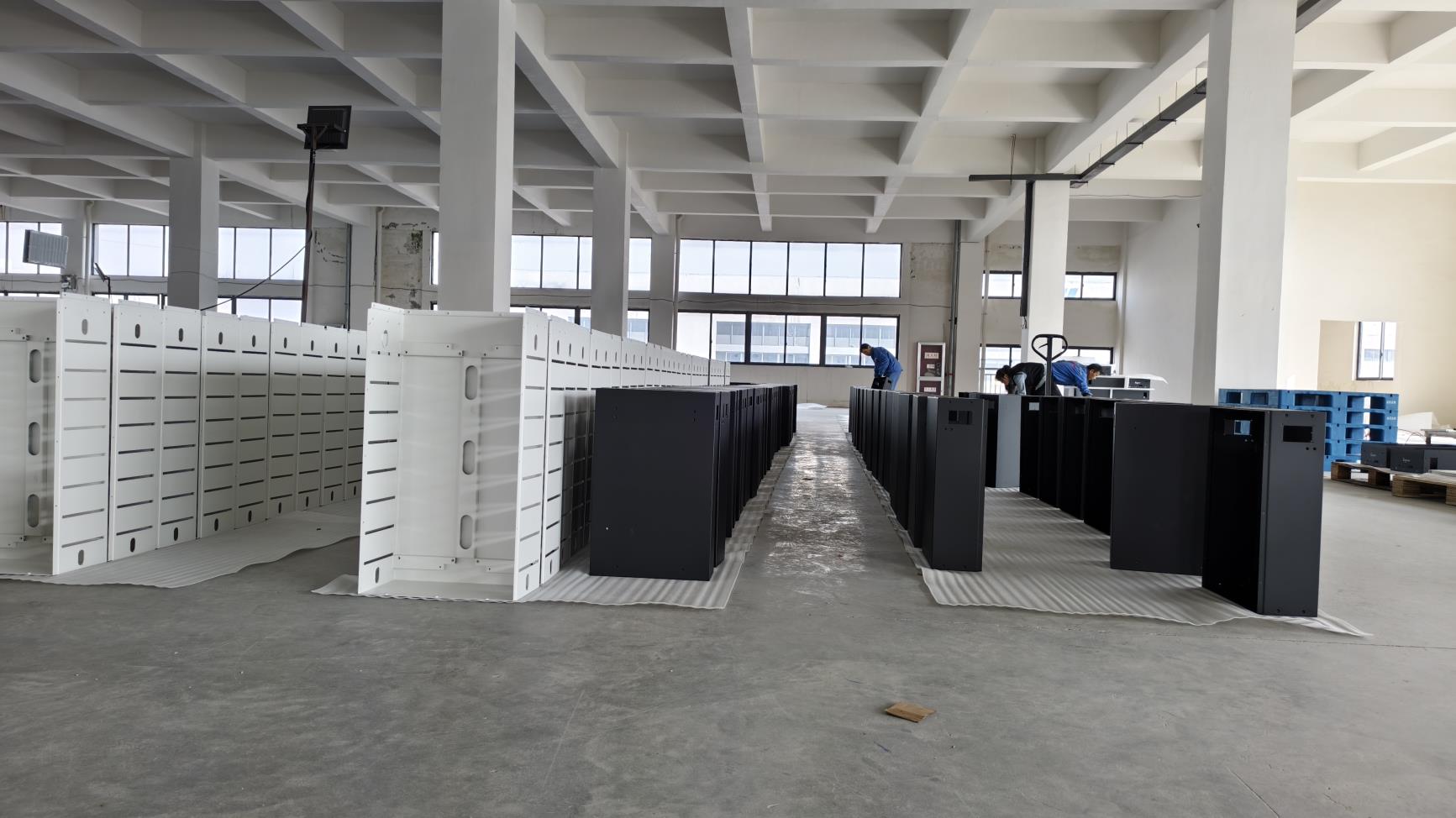
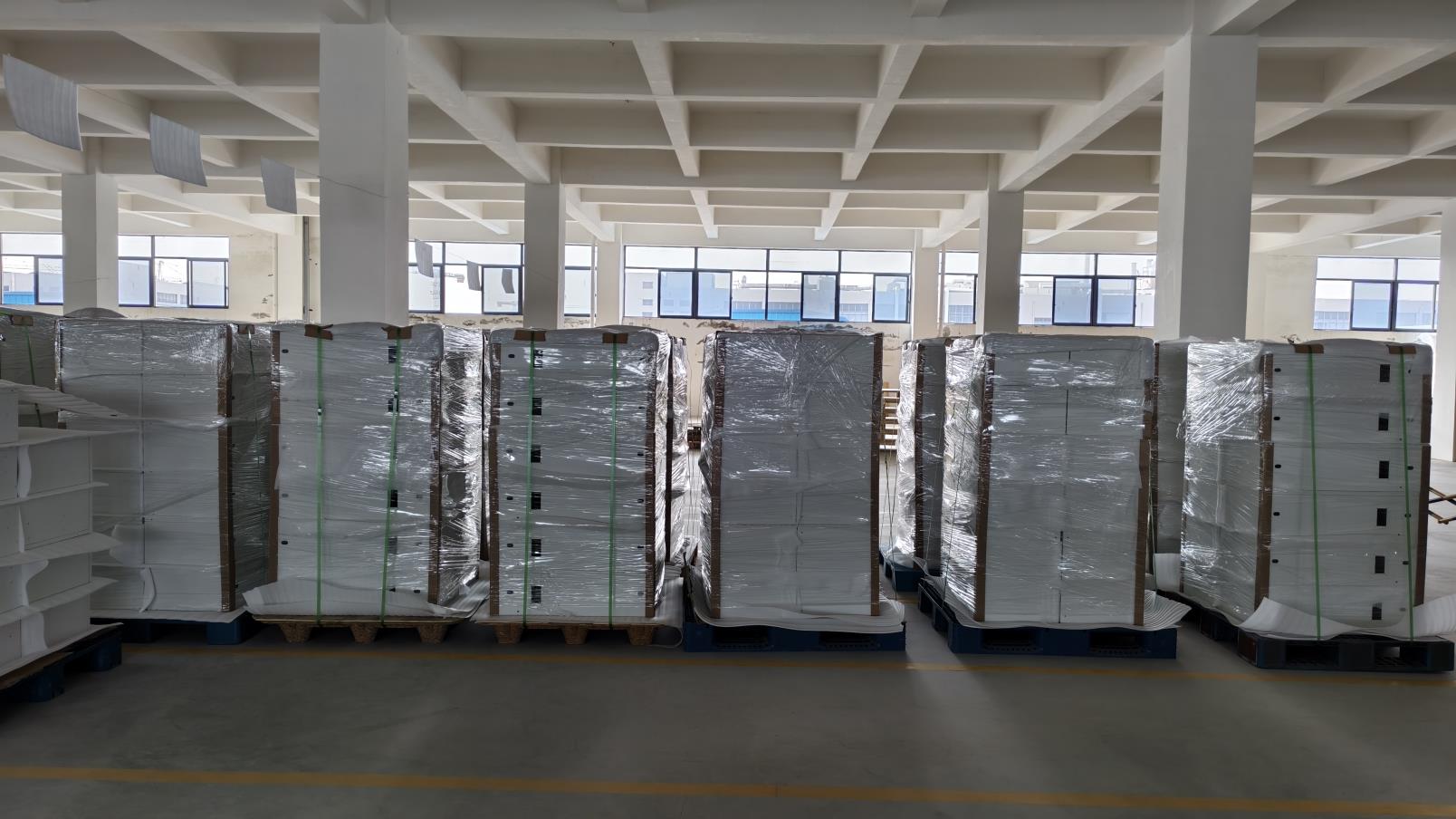
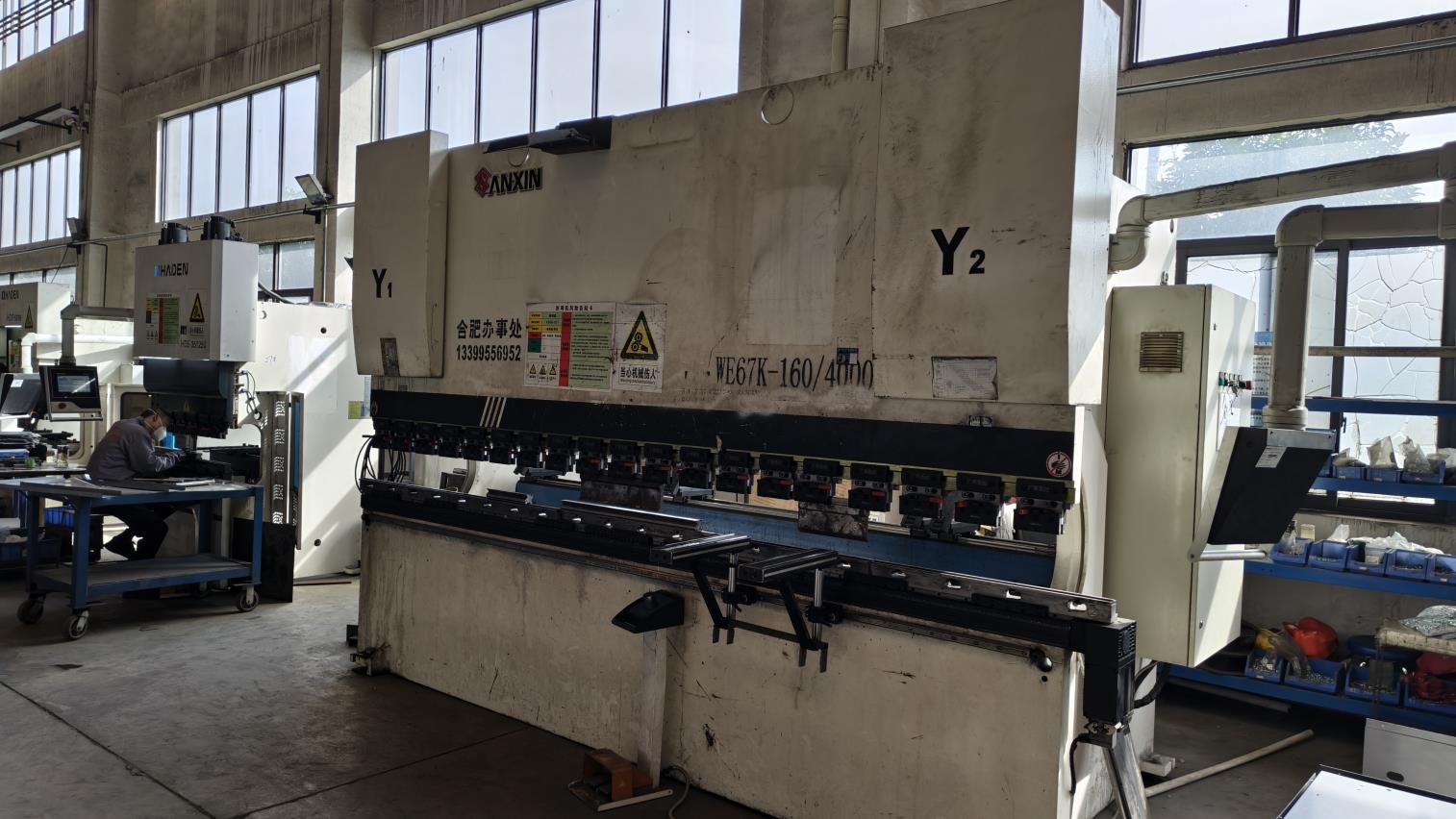
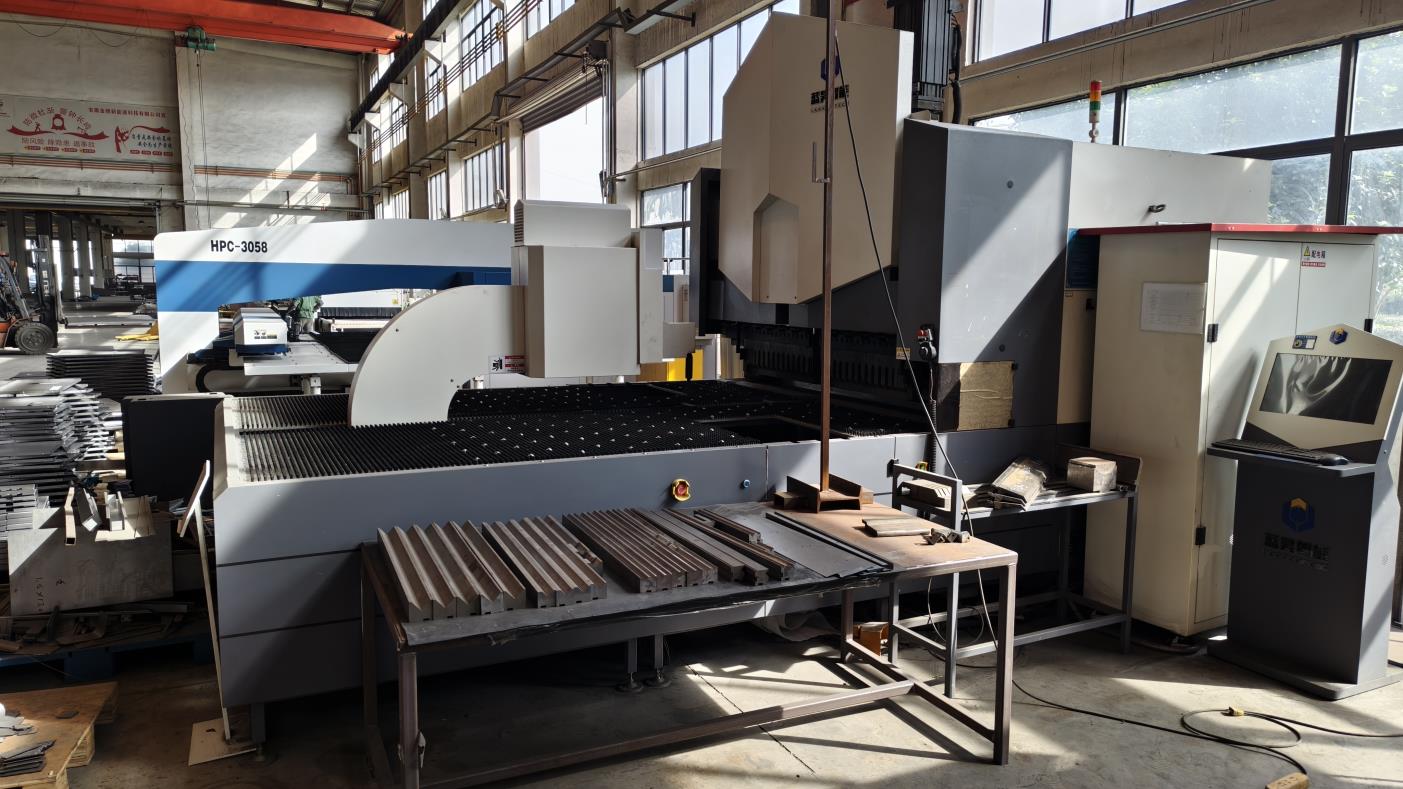
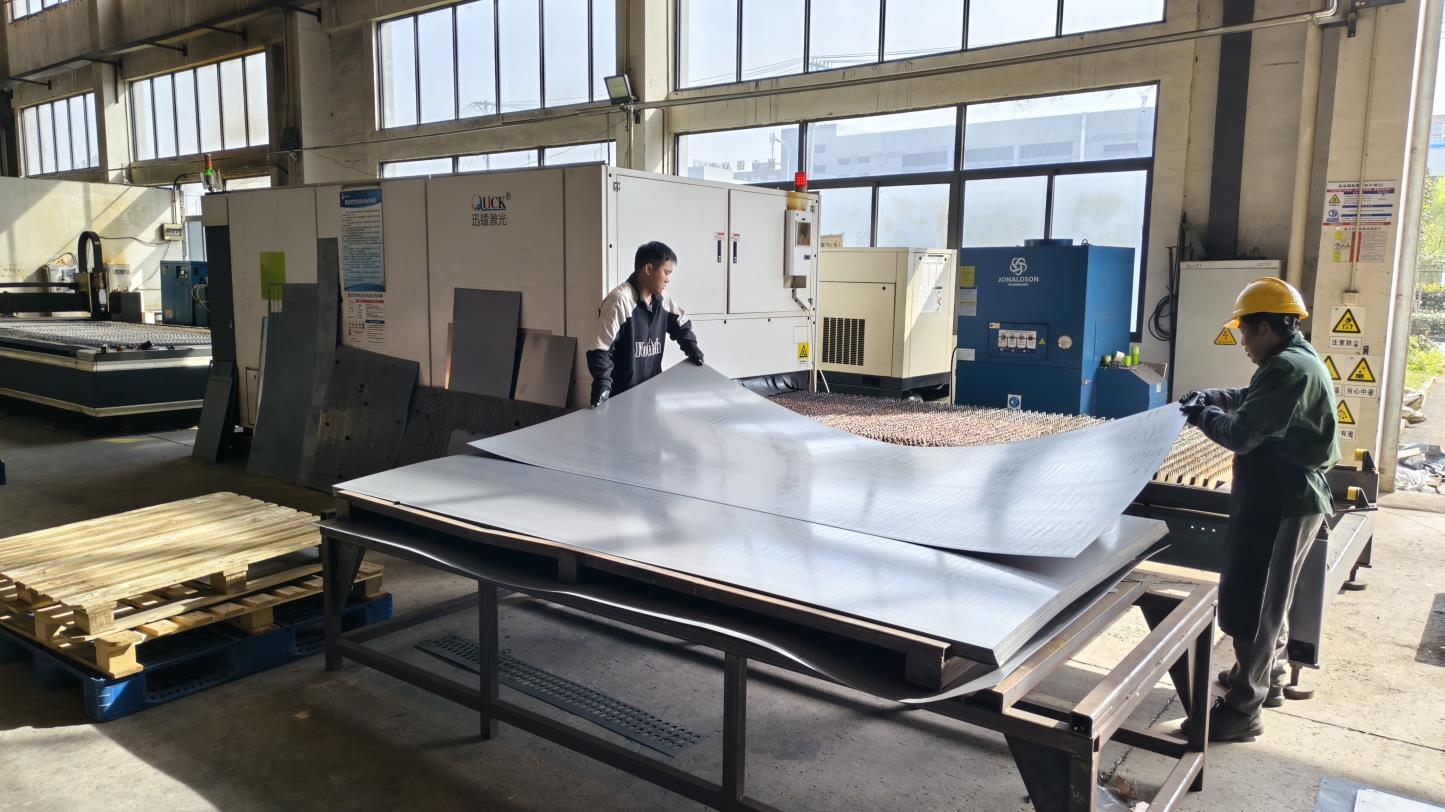
With over a decade of industry expertise, Wenzhou Phlox Energy Co., Ltd. is committed to the research, development, and manufacturing of high-performance solar accessories and low-voltage electrical protection systems. Our purpose-built production facility spans more than 11,500 square meters, featuring 7 automated production lines and a workforce of 150+ skilled technicians. This state-of-the-art infrastructure supports an annual output value exceeding USD 20 million.
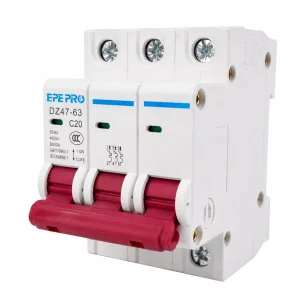
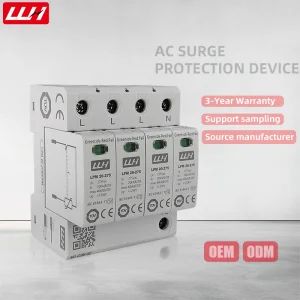
We specialize in DC miniature circuit breakers (MCBs), surge protective devices (SPDs), PV ceramic fuses, weather-resistant solar connectors, DC isolator switches, distribution boxes, and custom combiner boxes. These products secure safety, durability, and operational consistency in residential, commercial, and utility-scale solar projects worldwide. Every component we manufacture undergoes strict testing to meet international standards, including CE, TUV, IEC, CB, and ISO 9001 certifications.
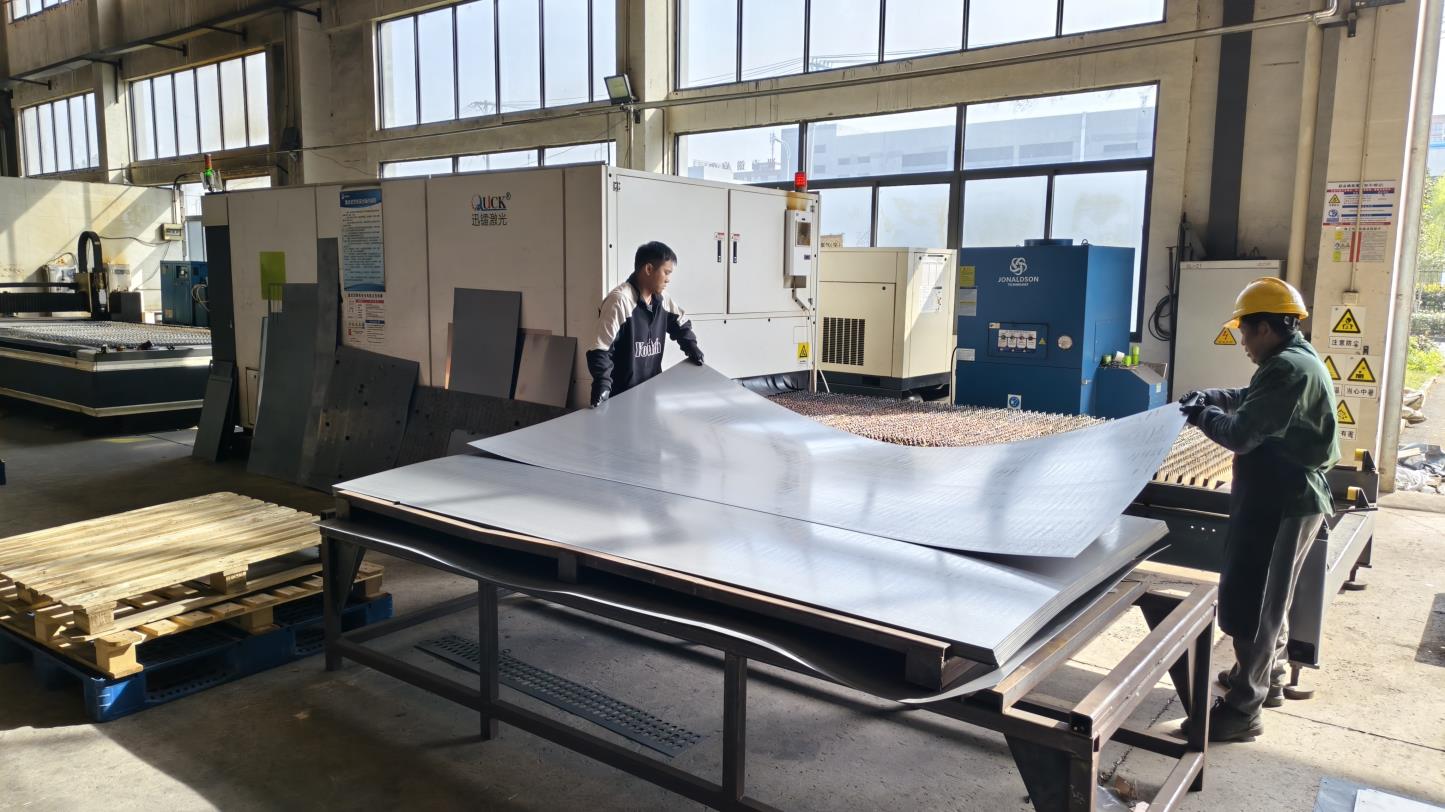
Inside our integrated production facility, displaying precision sheet metal processing, computerized machining, assembly, and testing pipelines.
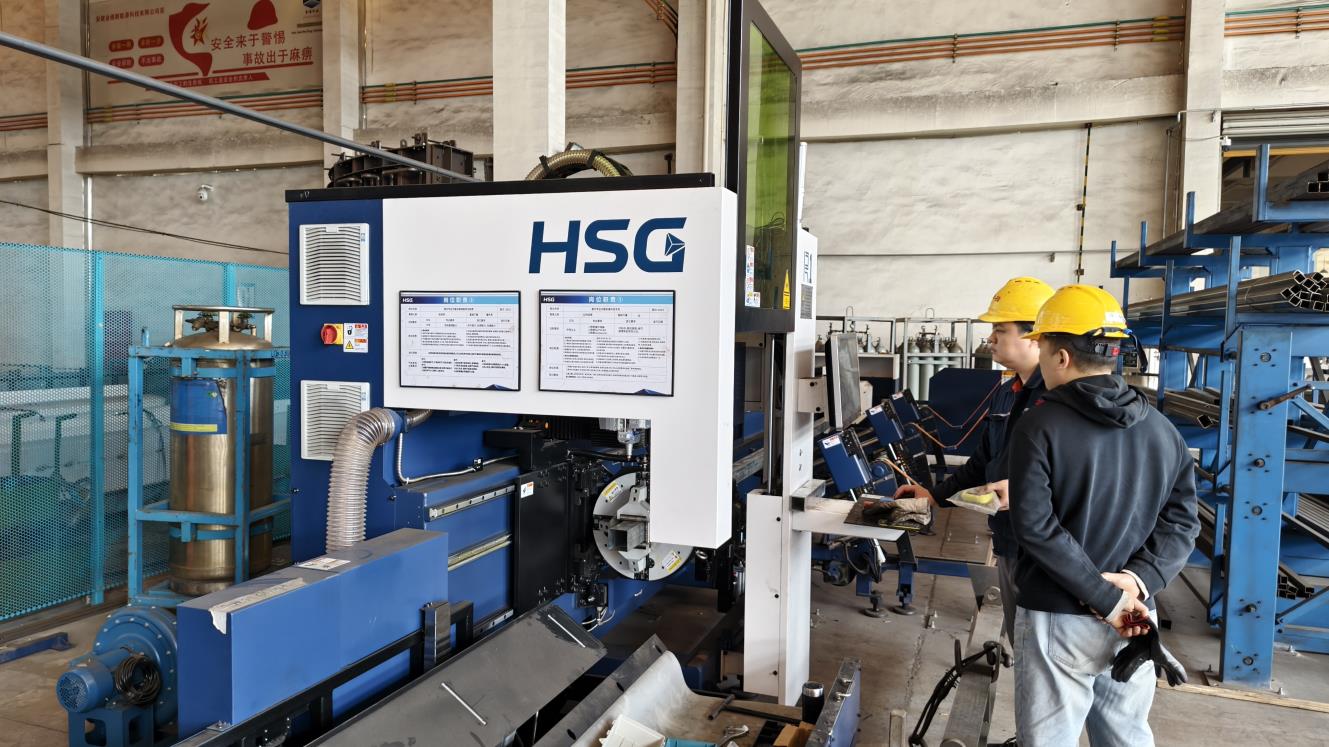
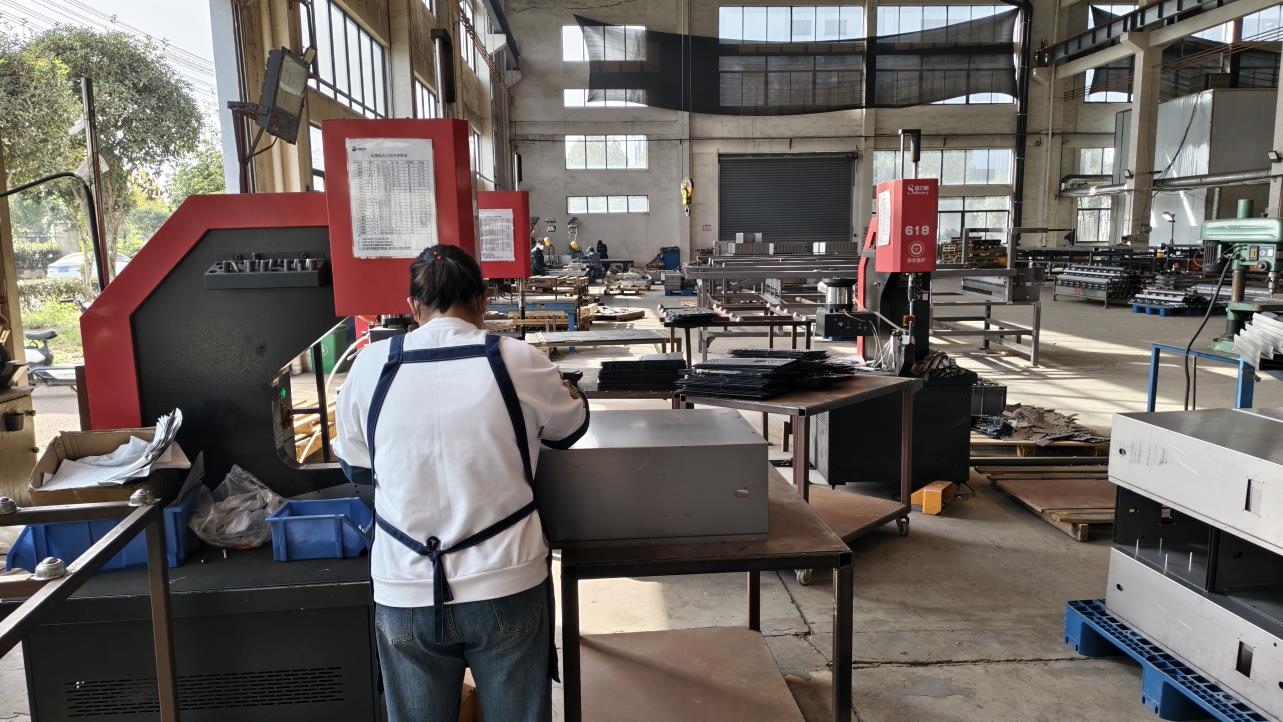
Procuring raw electrical components for infrastructure development is highly regulated. Industrial engineers, procurement departments, and system integrators must navigate a landscape of local approvals, compliance guidelines, and environmental hazards. In particular, utility-scale developers operating in the Americas, Europe, and the APAC region require supplier verification protocols that guarantee performance across diverse climatic and regulatory zones.
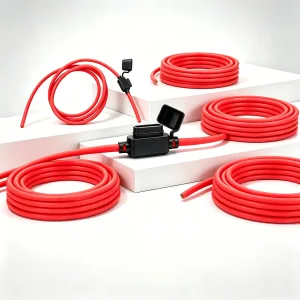
To meet these requirements, we offer extensive OEM/ODM support, allowing custom labeling, specialized cable harness configurations (using pure copper 8AWG conductors for high-amperage outdoor installations), and custom-configured combiner boxes. Our logistics pipelines ensure delivery times are optimized to reduce the risk of on-site construction delays.
Furthermore, testing and monitoring circuits are crucial components during pre-commissioning. Quality electrical circuit testers and diagnostic interfaces help engineers test insulation parameters, confirm grounding continuity, and verify terminal connection torque. Using certified testing equipment ensures that your systems conform to IEC 60364-6 protocols, avoiding installation errors and reducing the probability of system faults during active operations.
We work in close cooperation with project EPC contractors to supply pre-wired, certified sub-assemblies. This cuts down site assembly time, reduces human wiring errors, and speeds up structural testing phases before connection to the utility grid.
A summary of the technical specifications of standard DC protection systems and testing requirements.
| Product Classification | Typical Voltage / Current | Standard Certification | Ingress Protection | Core Applications |
|---|---|---|---|---|
| DC Miniature Circuit Breaker (MCB) | DC 250V - 1000V / up to 63A | CE, TUV, IEC 60947-2 | IP20 (Din Rail mount) | Overcurrent protection for solar arrays and battery networks. |
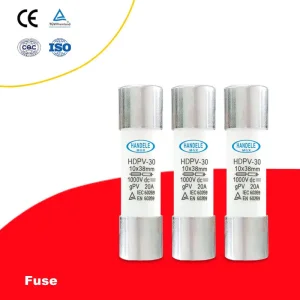
| Photovoltaic Ceramic Fuses | DC 1000V - 1500V / 1A - 30A | CE, IEC 60269-6, UL 248 | Cartridge style | String-level overcurrent protection in combiners. |
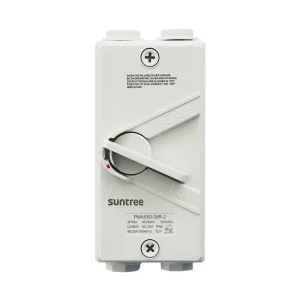
| DC Isolator Disconnect Switches | DC 250V - 1500V / up to 63A | CE, TUV, CB | IP66 Enclosure | Safe manual circuit isolation for maintenance. |
| Surge Protective Devices (SPD) | UC 500V - 1500V DC / AC 220-440V | CE, IEC 61643-31 | Modular cartridge | Transient overvoltage protection against lightning strikes. |
| AFCI / GFCI Circuit Breakers | AC 120V - 240V / 15A - 20A | CE, UL 1699, UL 943 | Chassis mount | Parallel/series arc mitigation and shock prevention. |
Practical engineering answers to common technical queries from procurement specialists and utility system designers.
High-amperage breakers, distribution networks, and branch connector solutions for solar installers.
 Phlox Energy