Engineered to safeguard solar installations, our key products deliver high-voltage protection and reliable connection solutions across the entire PV generation loop.
A technical whitepaper examining how premium component integration maximizes Levelized Cost of Energy (LCOE).
As PV utility-scale projects migrate from 1000V to 1500V DC system architecture, standard electrical equipment faces elevated thermal stresses and fault-current ratings. Power inversion systems require precision-designed overcurrent and overvoltage protective devices to maintain zero degradation over a 25-year lifespan.
For custom OEM solar inverter factories, selecting appropriate DC miniature circuit breakers (MCBs), surge protective devices (SPDs), and fuse links is vital. These sub-components must feature precise dynamic resistance matching, ensuring consistent isolation of fault zones without triggering nuisance trips in central or string inverters.
Operating in harsh environments, from high-temperature desert arrays to humid coastal regions, inverter cabinets act as heat traps. Custom protection elements must integrate premium ceramic cores and silver-plated copper contacts to withstand thermal cycles without premature aging or impedance shift.
With an established footprint in high-grade solar protection manufacturing, we drive systemic reliability into global renewable energy projects.
Wenzhou Phlox Energy Co., Ltd. is a professional manufacturer and supplier specializing in solar photovoltaic protection and electrical connection solutions. With more than 10 years of industry experience, we are dedicated to the research, development, production, and innovation of high-quality solar accessories and low-voltage electrical products for global renewable energy markets.
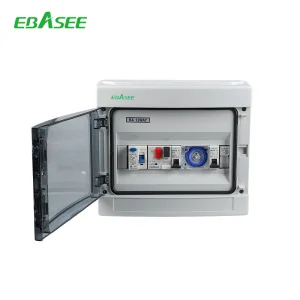
Our production capabilities encompass DC miniature circuit breakers (MCBs), surge protective devices (SPDs), photovoltaic fuses, solar connectors, DC isolator switches, distribution boxes, and combiner boxes. These form the fundamental protective backbone of residential, commercial, and industrial photovoltaic installations around the globe.
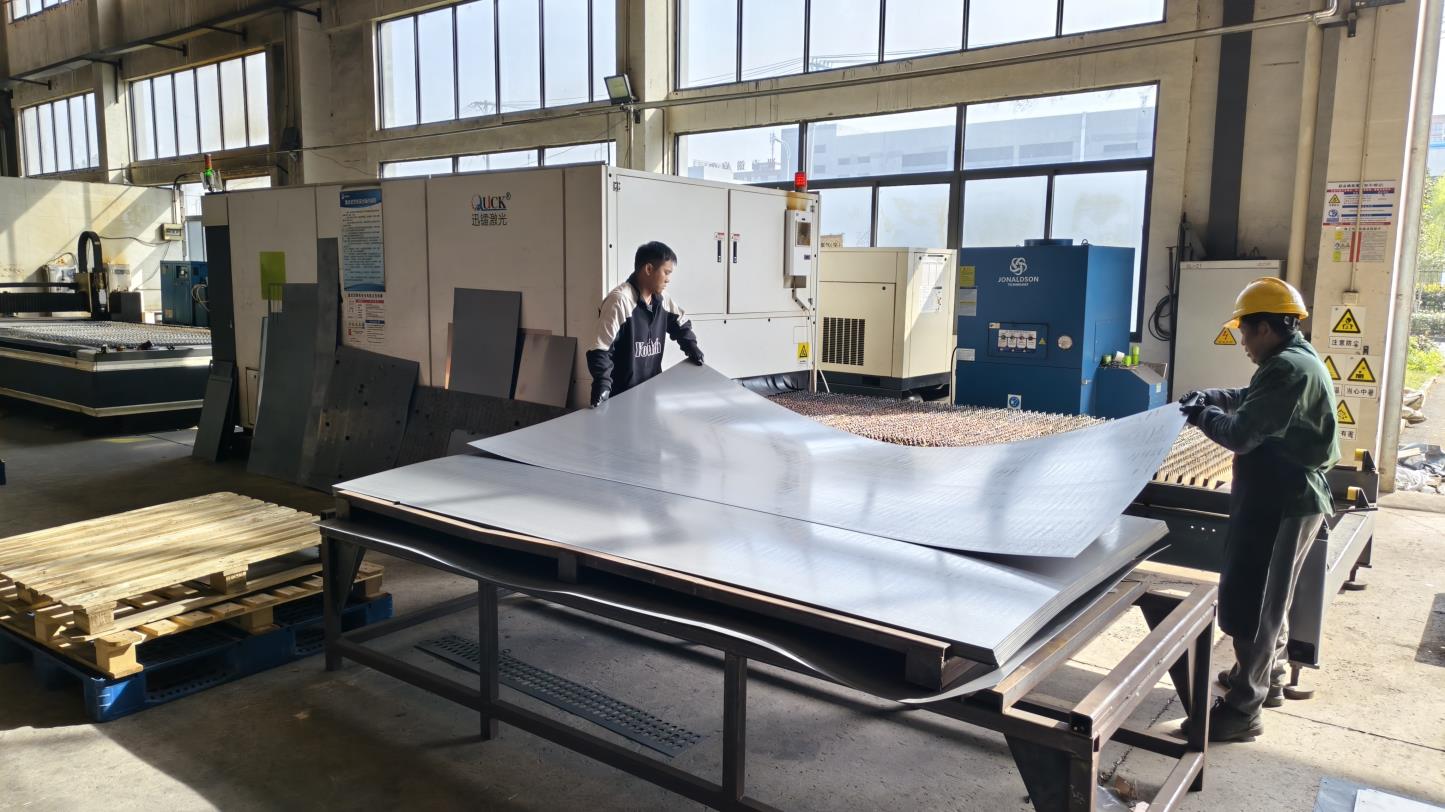
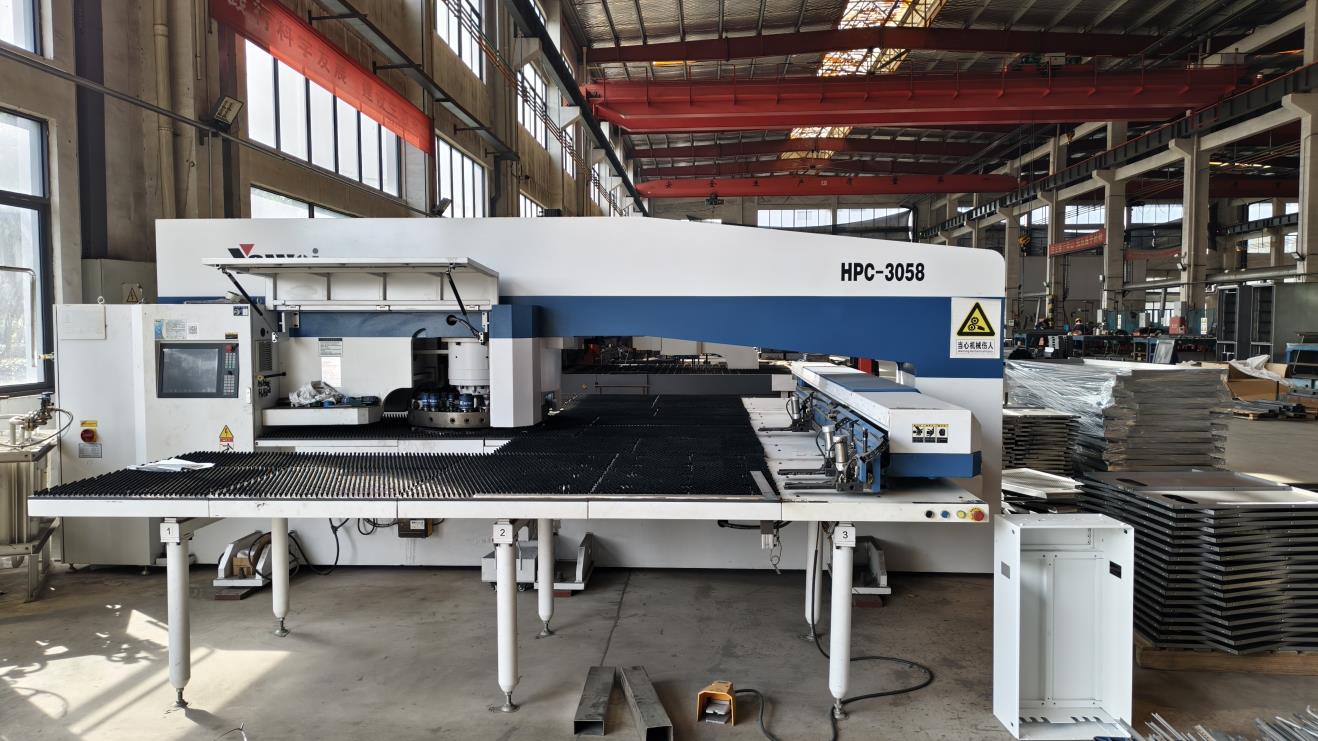
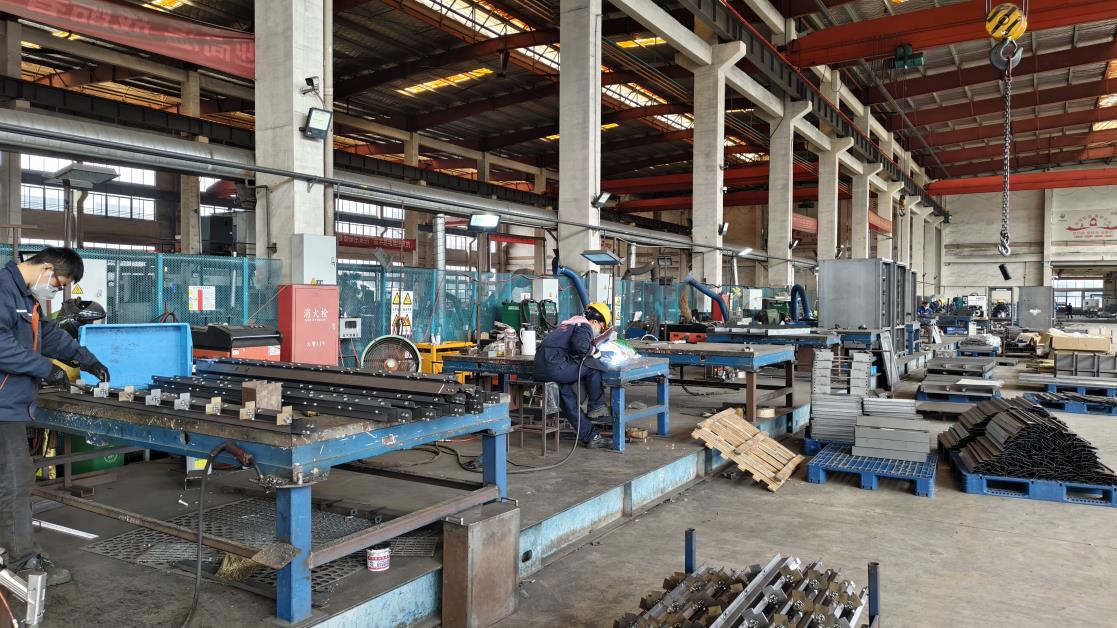
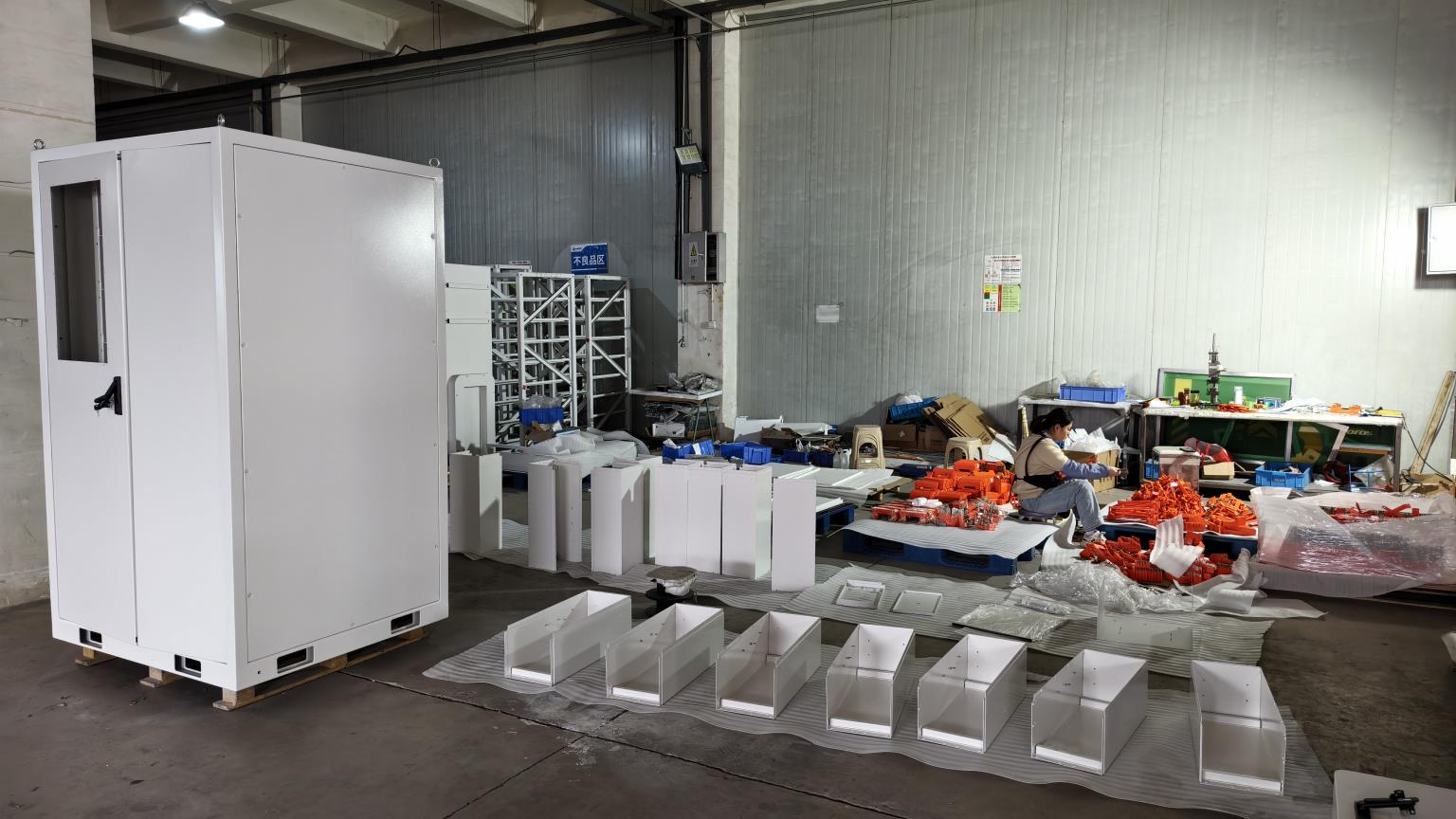
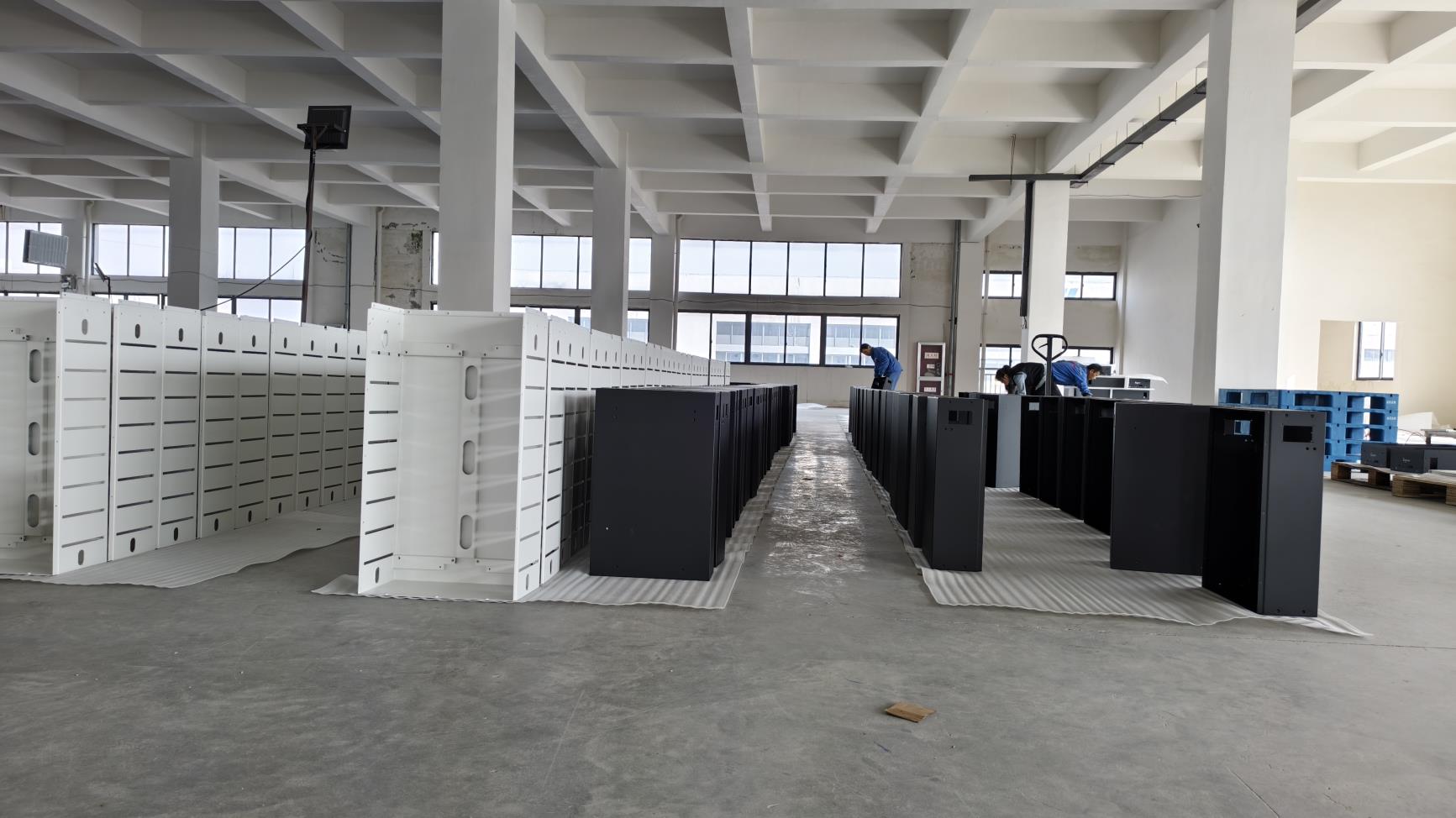
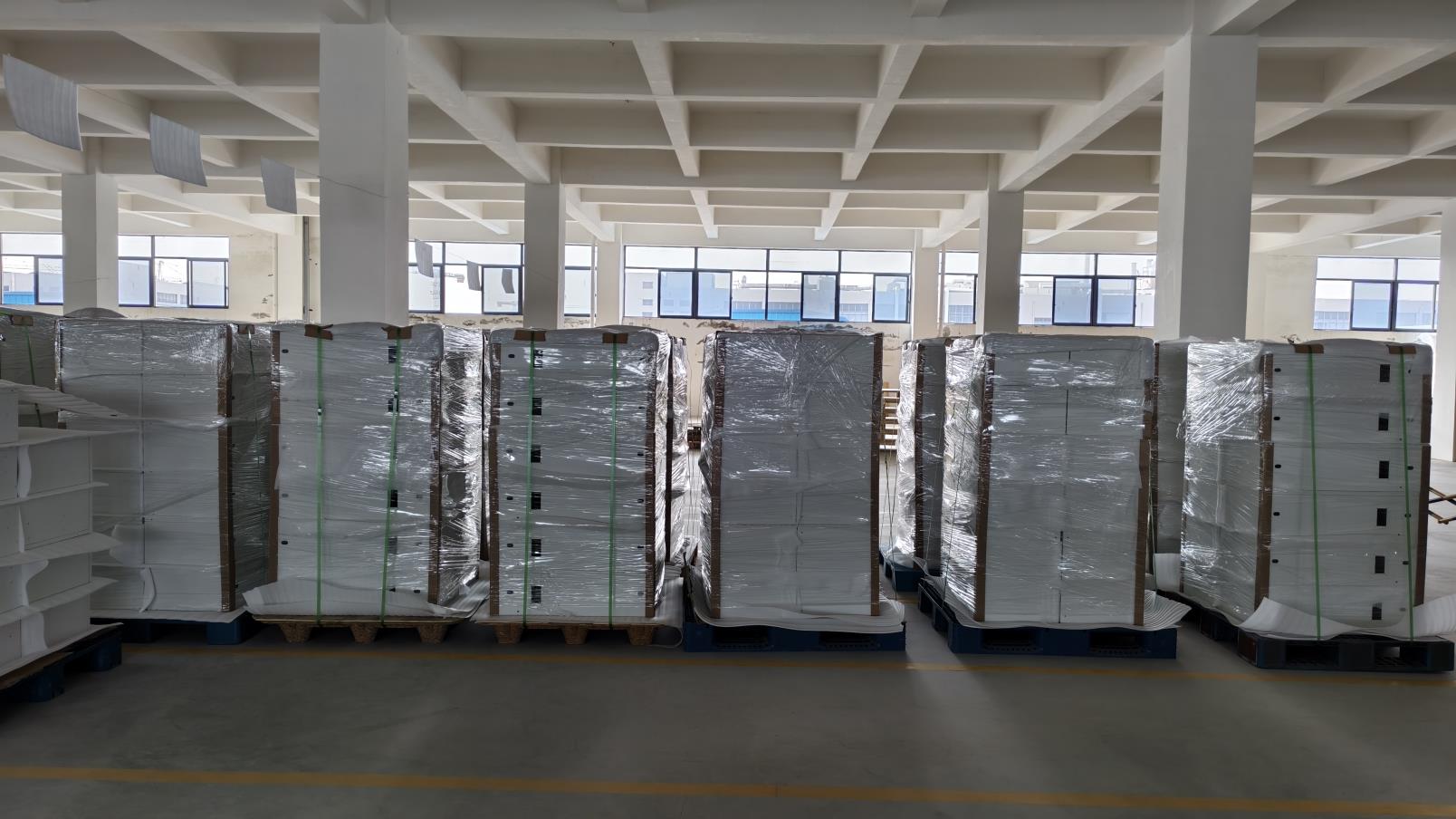
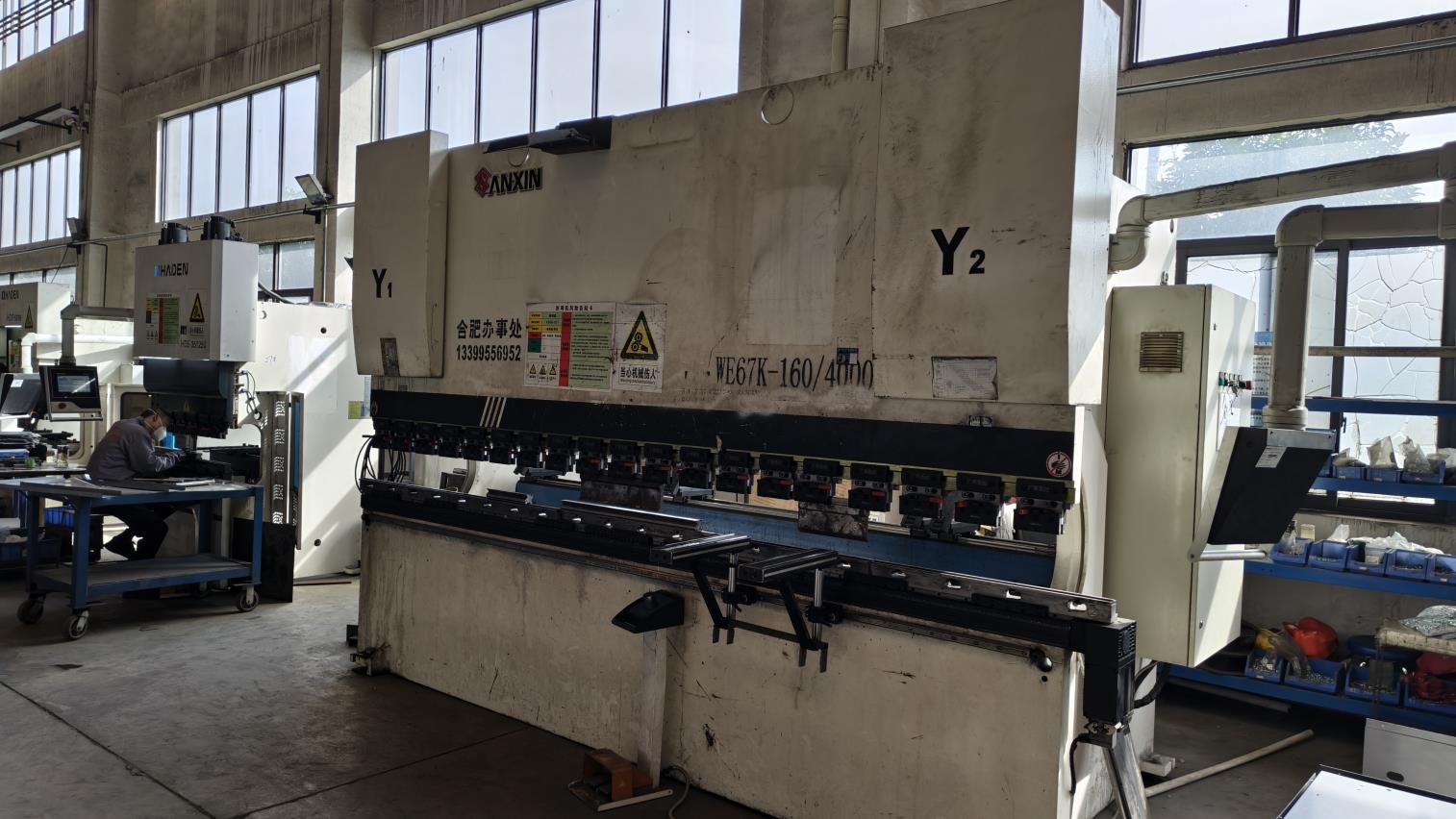
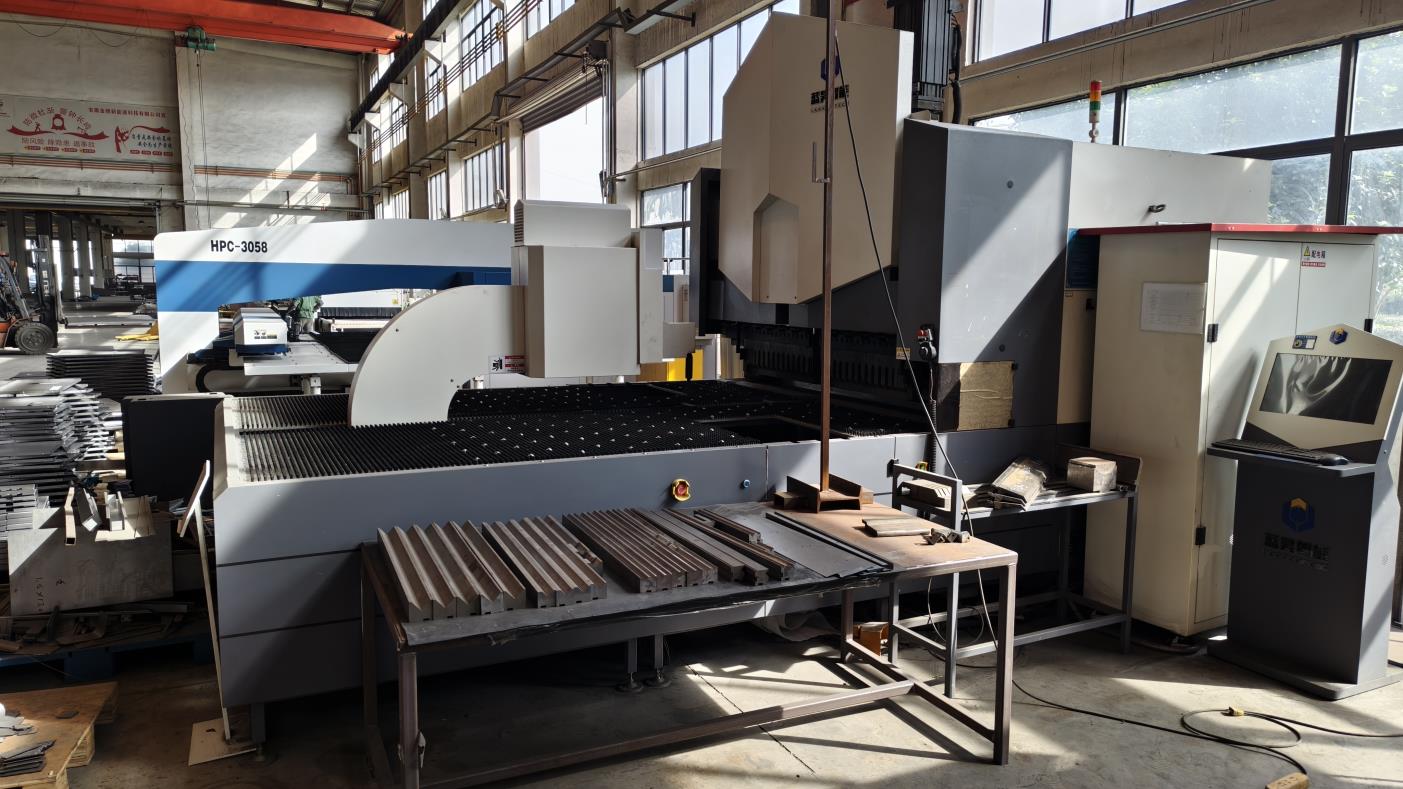
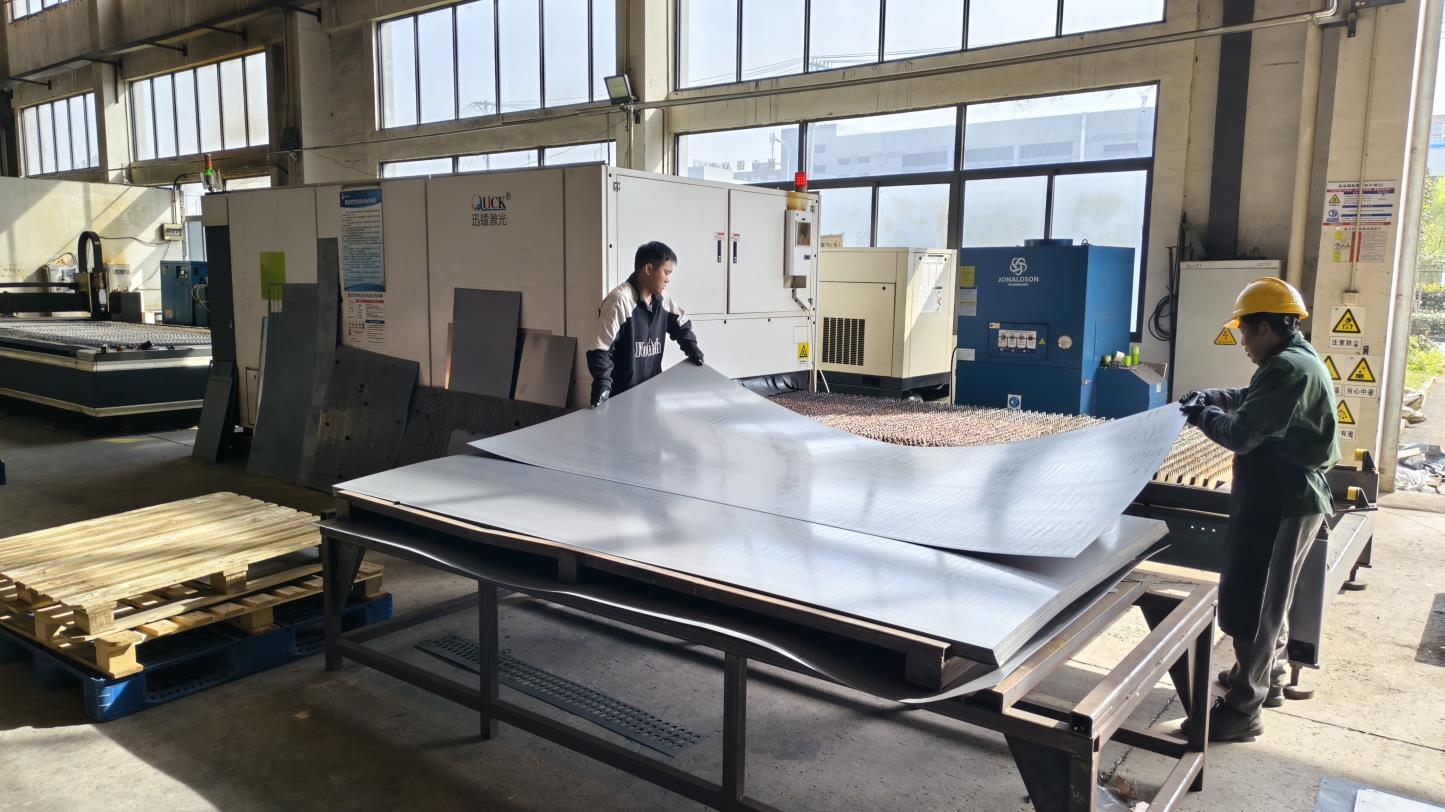
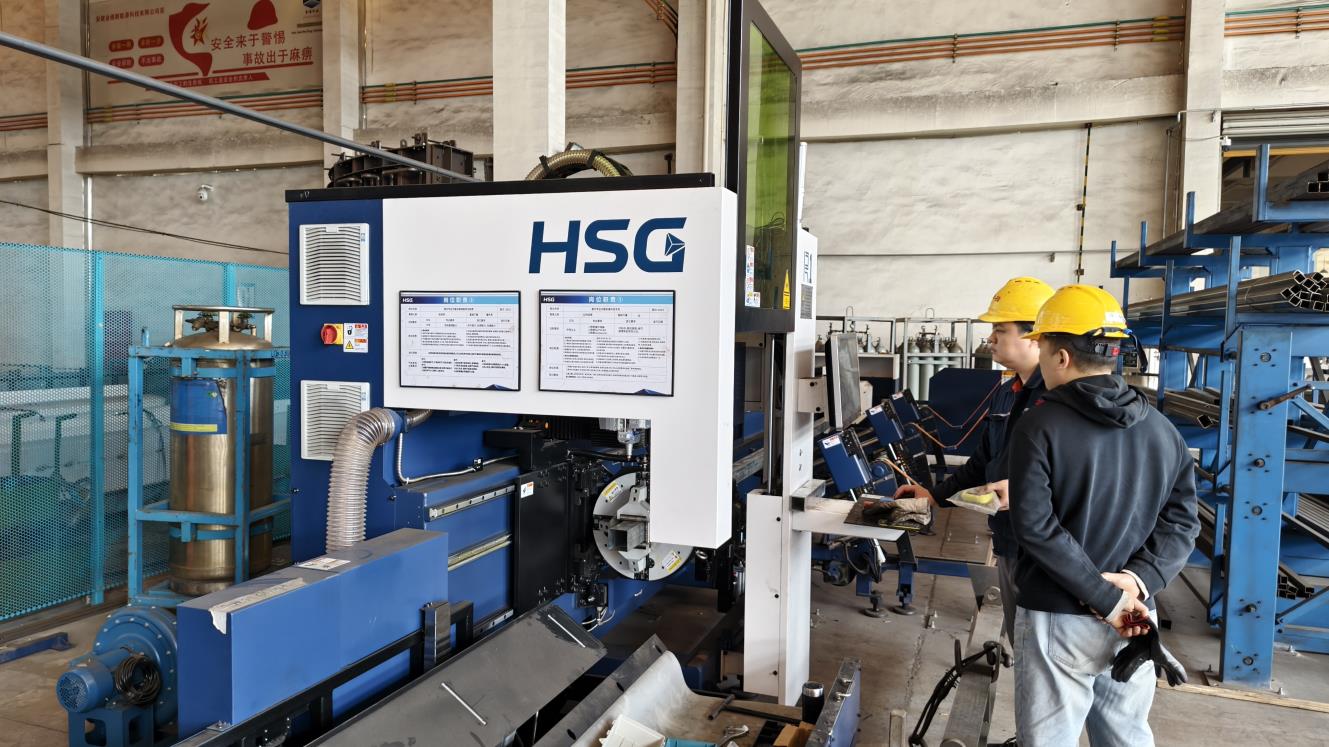
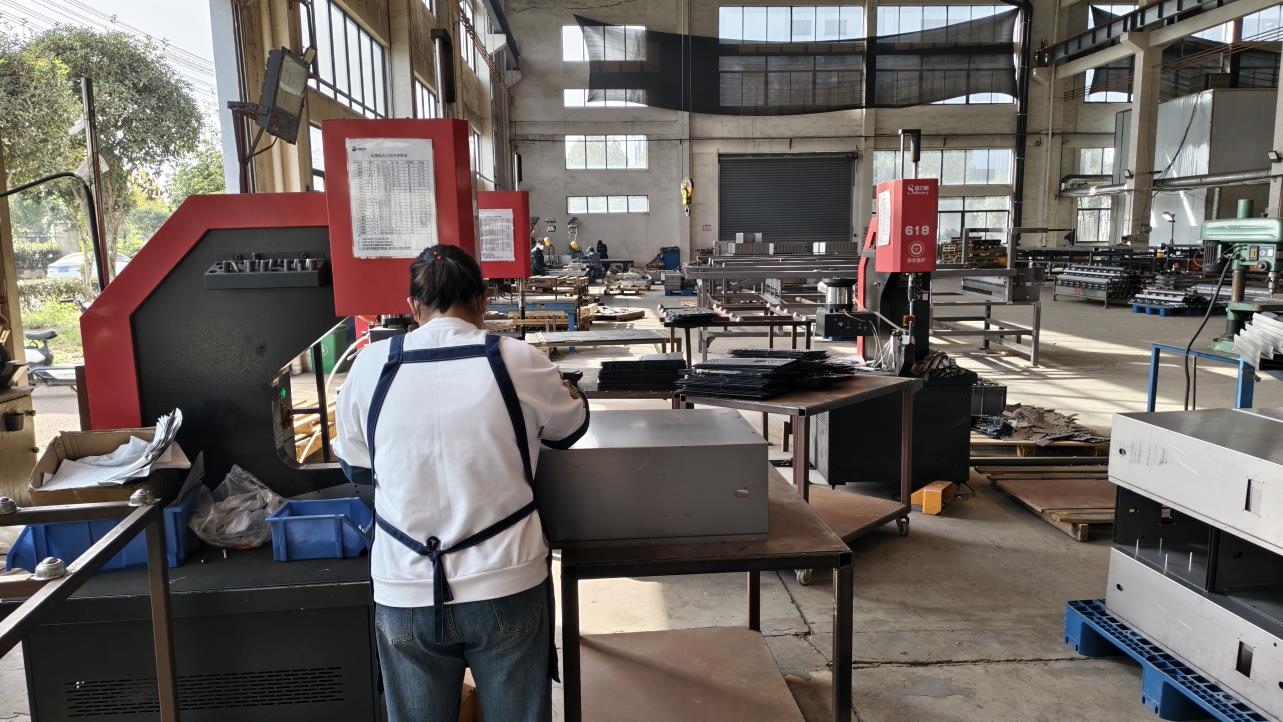
To ensure structural rigidity, optimal heat dissipation, and strict dimensional tolerances for OEM inverter protective enclosures and busbar configurations, our facility utilizes modern metal fabrication and automated assembly lines.
Continuous structural validation and material hardness tests for standard-compliant assemblies.
Why Tier-1 Solar EPCs and OEM Inverter Manufacturers rely on the Chinese supply cluster for cost containment and quality control.
Operating from Wenzhou, the electrical heartland of China, we source specialized ceramic hulls, high-purity copper, silica extinction agents, and engineering plastics (UL94-V0) within a 50-mile radius. This drastically minimizes shipping delays and raw material volatility, stabilizing cost structures.
Our facility houses CNC stamping, precision silver spot welding, automated circuit test lines, and computerized calibration. This reduces human error, yielding consistent electrical contact resistance and tripping properties, preventing hot spots within inverter junction arrays.
Leveraging high production volumes and domestic supply integration, we deliver institutional-grade components at optimized price points. This allows manufacturers to control Balance of System (BOS) costs, improving project IRR (Internal Rate of Return).
Addressing supply chain risks, regulatory compliance, and customized support for commercial, industrial, and utility energy projects.
Standard components often fail to fit custom inverter chassis layouts. We offer tailormade terminal configurations, customizable wire gauges (e.g., 10-18AWG copper assemblies), and specific DIN-rail dimensions to ensure straightforward field installation.
EPCs demand that protection parts match the standard 25-year panel lifetime. Utilizing high-grade chemical isolation compounds, double-chamber fuses, and IP68-rated enclosures mitigates premature degradation caused by UV and thermal cycles.
For large-scale projects, strict batch management is essential. Every batch of our SPDs and fuses features individual identification markings, linking to material test reports for quick troubleshooting and validation.
Delays in component supply chains can halt multi-megawatt project construction, leading to penalty charges. Our 7 automated assembly lines maintain buffer stocks to meet urgent project schedule adjustments.
Adapting electrical safety components to regional environment dynamics and regulatory guidelines.
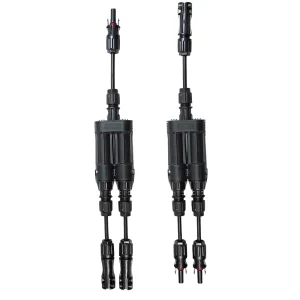
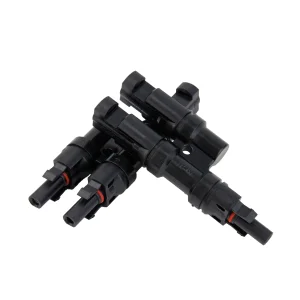
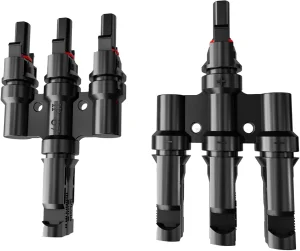
Urban commercial installations run alongside commercial and residential structures, demanding high safety margins. Under standards like UL 1699B, arc fault circuit protection is mandatory. Integrating our customized high-voltage fuse disconnectors and fast-acting fuses ensures rapid system isolation. Our IP68 waterproof Y-cable assemblies maintain low contact resistance, reducing fire risks in dense urban environments.
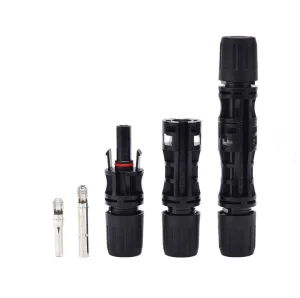
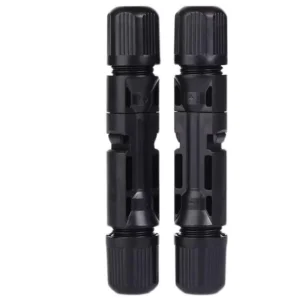
Desert solar facilities face intense solar radiation and high temperatures, while floating arrays operate in saturated humidity and saline conditions. Our heavy-duty 33KV K-type cartridge links and 1500V MC4 connectors feature specialized anti-corrosion platings and high-density polymer housings. These materials prevent salt-mist ingress and degradation under continuous UV exposure.
Developing component technologies aligned with the evolving requirements of tomorrow's energy networks.
Modern inverters increasingly utilize SiC MOSFETs to achieve conversion efficiencies above 99%. These fast switching frequencies generate higher electromagnetic noise and transient voltage spikes. Next-generation SPDs must feature low voltage-protection levels (Up) and fast response times (ta < 25ns) to safeguard delicate silicon interfaces.
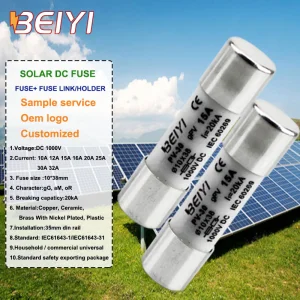
Bifacial panel arrays collect ground reflection, which can increase string currents during peak conditions. Protective fuses must be designed for higher ratings (such as 25A and 30A) without increasing overall fuse housing dimensions, requiring advanced internal thermal dissipation pathing.
Modern hybrid inverters directly interface with battery storage setups. This requires bidirectional circuit protection capable of managing both low-current overloads and extremely high short-circuit currents from battery banks. Specially engineered high-voltage DC fuses are essential to prevent electrical faults in these systems.
Clear, direct answers to common questions asked by system designers, compliance managers, and procurement coordinators.
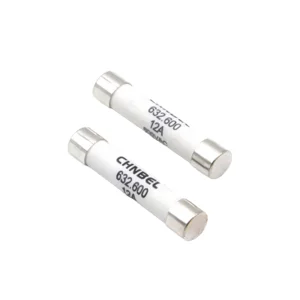
gPV fuses (regulated under IEC 60269-6) are specifically designed to isolate low-overcurrent faults common in photovoltaic string setups. Unlike standard industrial fuses, which require significant fault currents to blow, gPV fuses can trip at currents as low as 1.35 times their rated current. This is critical for protecting PV modules and cables from backfed current faults under weak sunlight conditions.
All our custom OEM components go through strict testing routines prior to shipping. We operate an ISO 9001 certified facility with production lines calibrated to meet CE, TUV, IEC, and CB standards. We test raw materials for thermal resistance (UL94-V0 flammability tests) and run final products through high-voltage isolation, impulse current, and thermal cycle testing to ensure stability in the field.
Elevating the system voltage to 1500V DC allows developers to run longer series strings, reducing the total number of combiner boxes, DC cabling, and inverter connections. This can reduce Balance of System (BOS) costs by up to 20%. However, it requires components designed to manage higher voltage stresses, larger air clearances, and specialized arc-suppression capabilities.
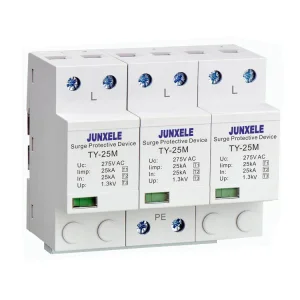
SPDs use high-performance Metal Oxide Varistors (MOVs) that act as open circuits during normal operating voltages. When a transient overvoltage (like a nearby lightning strike) hits the DC line, the MOV's resistance drops instantly, diverting the high-energy surge safely to the system ground. This limits the residual voltage (Up) to a level the inverter's internal electronics can withstand without damage.
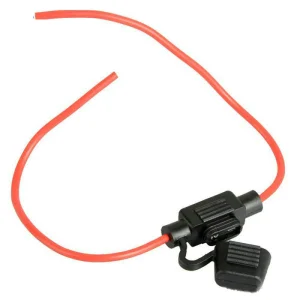
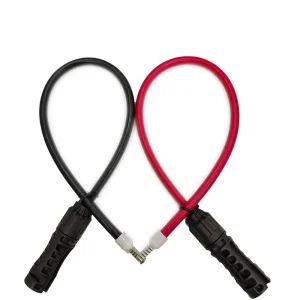
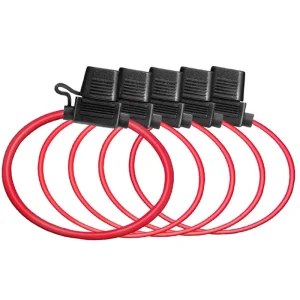
We provide full customization options for our MC4-compatible connectors and solar Y-cables. Customers can specify cable lengths (e.g., standard 50cm or custom lengths), wire gauges (from 10AWG to 18AWG), inline fuse integrations (from 10A to 32A), and tailored packaging. Contact pins can also be ordered with custom copper alloy plating thicknesses to meet specific atmospheric conditions.
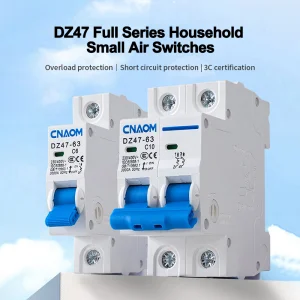
Explore our range of heavy-duty switches, surge protection devices, and connection components designed for industrial-grade installations.
 Phlox Energy