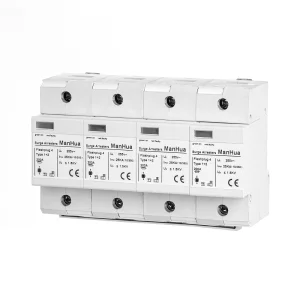
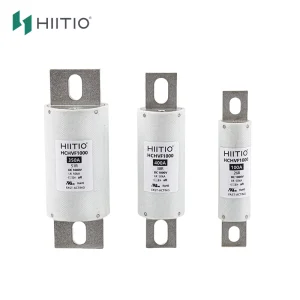
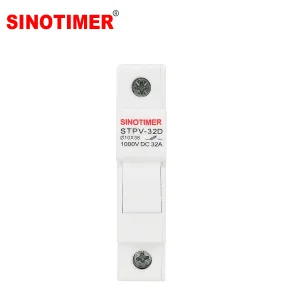
The critical safety boundary between high-voltage solar generation arrays and power conversion systems.
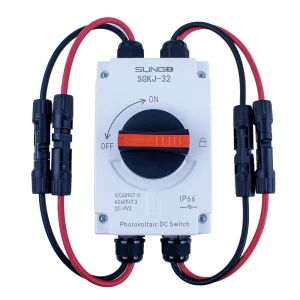
Unlike Alternating Current (AC) systems which cross a natural zero-voltage point 100 or 120 times per second to easily extinguish electrical arcs, Direct Current (DC) systems maintain a continuous electrical potential. When a high-voltage solar array is disconnected under load, a sustained plasma arc is drawn across the contacts. A standard switch would incinerate under these conditions. Professional photovoltaic disconnects utilize magnetic blowout fields and arc-extinguishing chambers to quickly stretch, cool, and extinguish the arc within milliseconds.
As the solar energy industry scales to reduce Levelized Cost of Energy (LCOE), systems are increasingly transitioning from 1000V DC operating potentials up to 1500V DC topologies. This optimization allows for longer PV string configurations and downscaled cabling costs. However, it exponentially elevates electrical stress on insulation, creepage distances, and the isolating capacity of disconnects, dictating strict engineering alignment with specialized international standards.
Globally recognized PV installations mandate rigorous compliance with standardizations like IEC 60947-3 (Category PV2) and UL 508i. These strict standards govern test protocols for operational durability, impulse voltage withstand capacity, and short-circuit making capacities, ensuring that critical safety devices perform flawlessly even during rapid fault current occurrences or long periods of passive idle states.
Strategic insights into technology adoption, system safety regulations, and modern solar grids.
Modern electrical codes (such as NEC 2020/2023 in North America and DIN VDE in Europe) now mandate module-level rapid shutdown (RSD) features to ensure the safety of first responders. Photovoltaic disconnects are no longer simple mechanical switches; they are evolving into smart devices integrated with communication modules (using Modbus, LoRa, or smart WiFi relays) to allow centralized monitoring of switch temperature, contact degradation, and current flow.
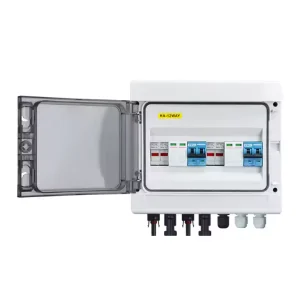
With global solar utility installations projected to grow at a CAGR of over 12% through 2030, the demand for highly reliable PV components is shifting heavily toward trusted manufacturers with certified testing facilities. EPC contractors are looking to optimize installation times by utilizing pre-wired DC combiner boxes featuring factory-tested disconnect switches.
How procurement managers can identify high-quality partners to build supply chain resilience.
Never compromise on safety records. Ensure the factory possesses third-party certifications including CE, TUV, UL, CB, and ISO 9001. A genuine manufacturer will readily provide traceability documentation for raw material batches, especially for copper and fire-retardant plastic enclosures.
Solar parks operate in extreme conditions—from desert heat to coastal humidity. Disconnects must offer UV-resistant casing, IP65 or higher ingress ratings, and wide temperature operating ranges (-40°C to +70°C) without suffering thermal derating.
Delays in solar project commissioning can cost thousands of dollars per day in liquidated damages. Modern buyers partner with suppliers who maintain deep raw material reserves and operate automated lines capable of rapid production scaling.
The technological leap in Wenzhou's manufacturing hub enabling cost-competitive, high-grade solar protection products.
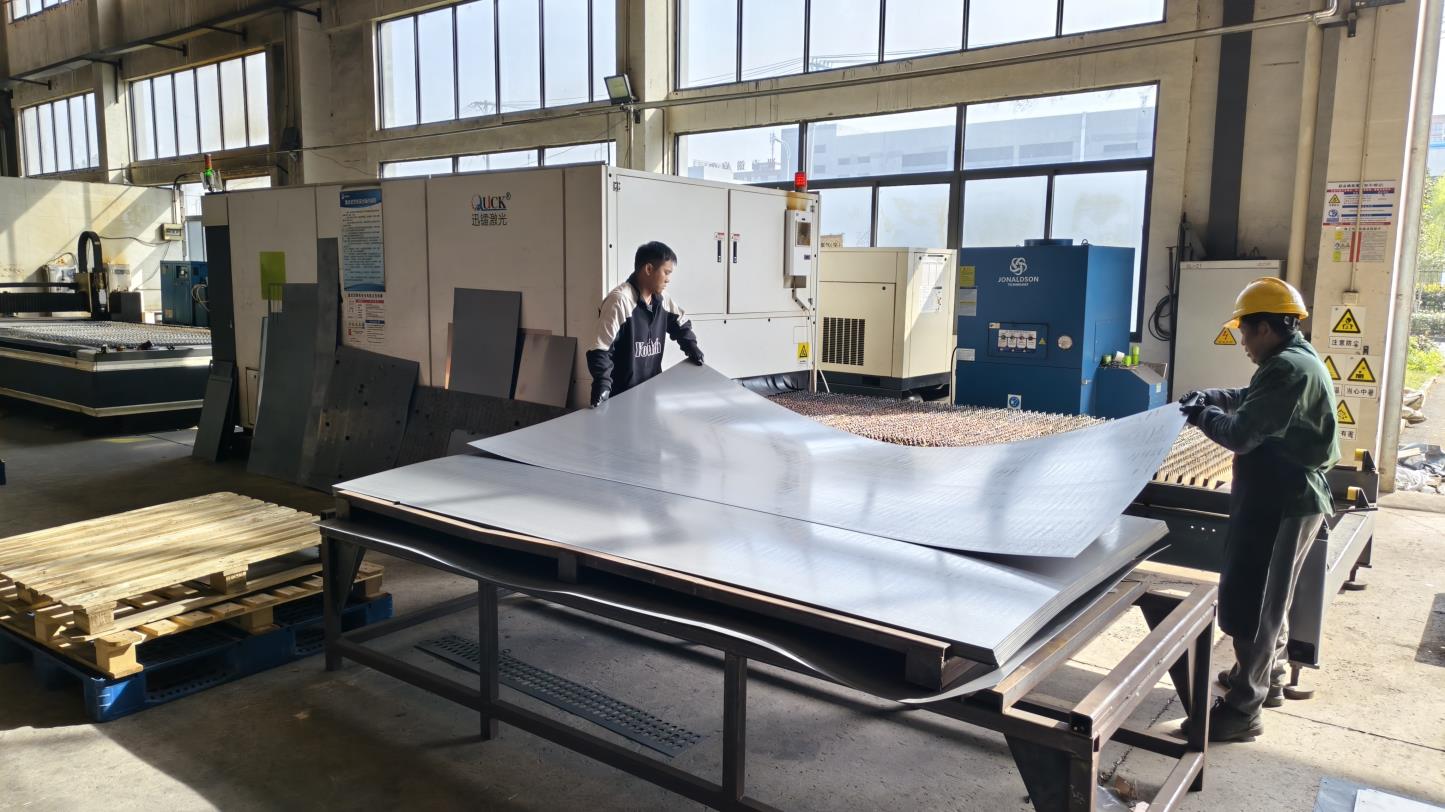
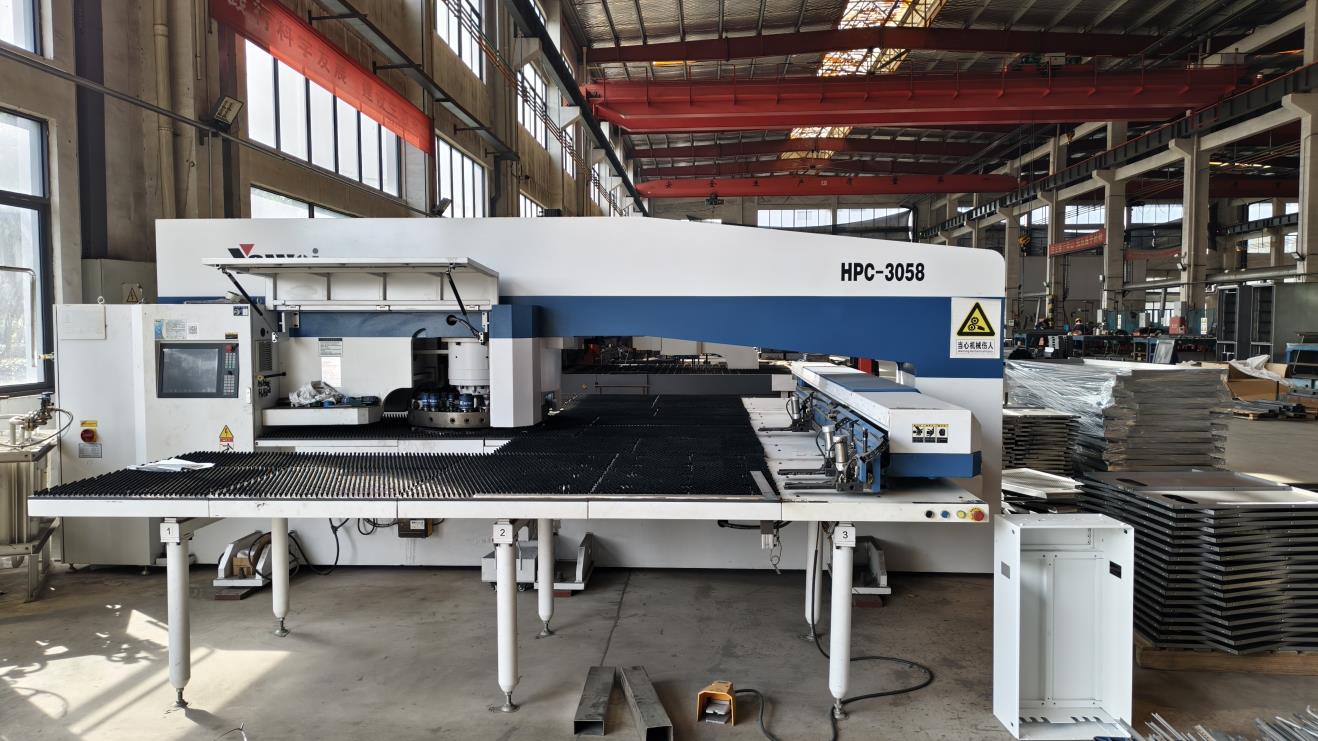
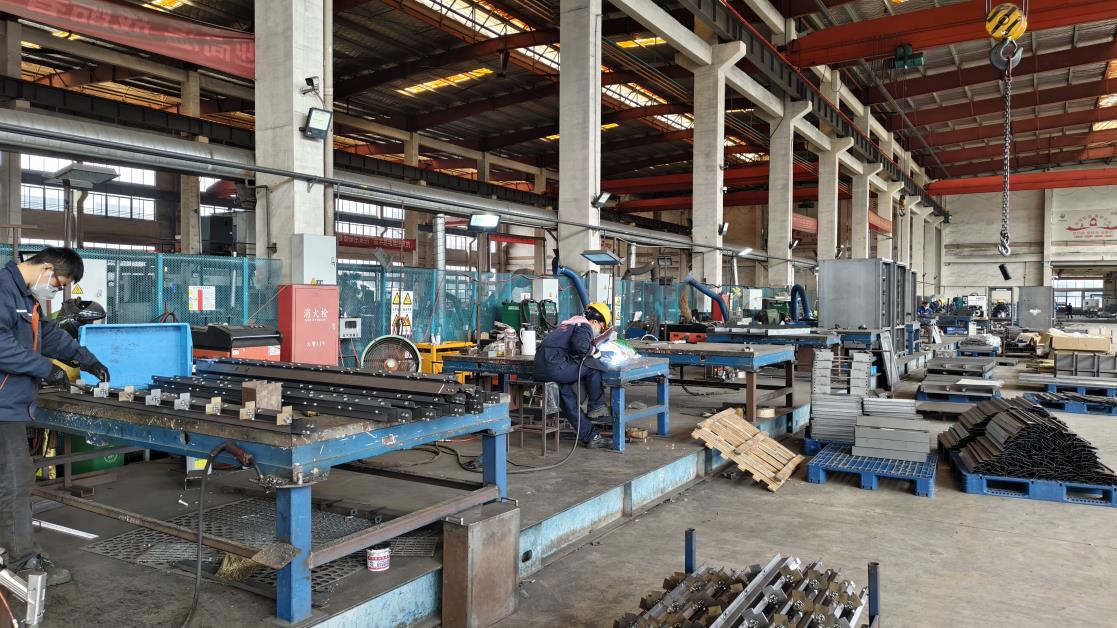
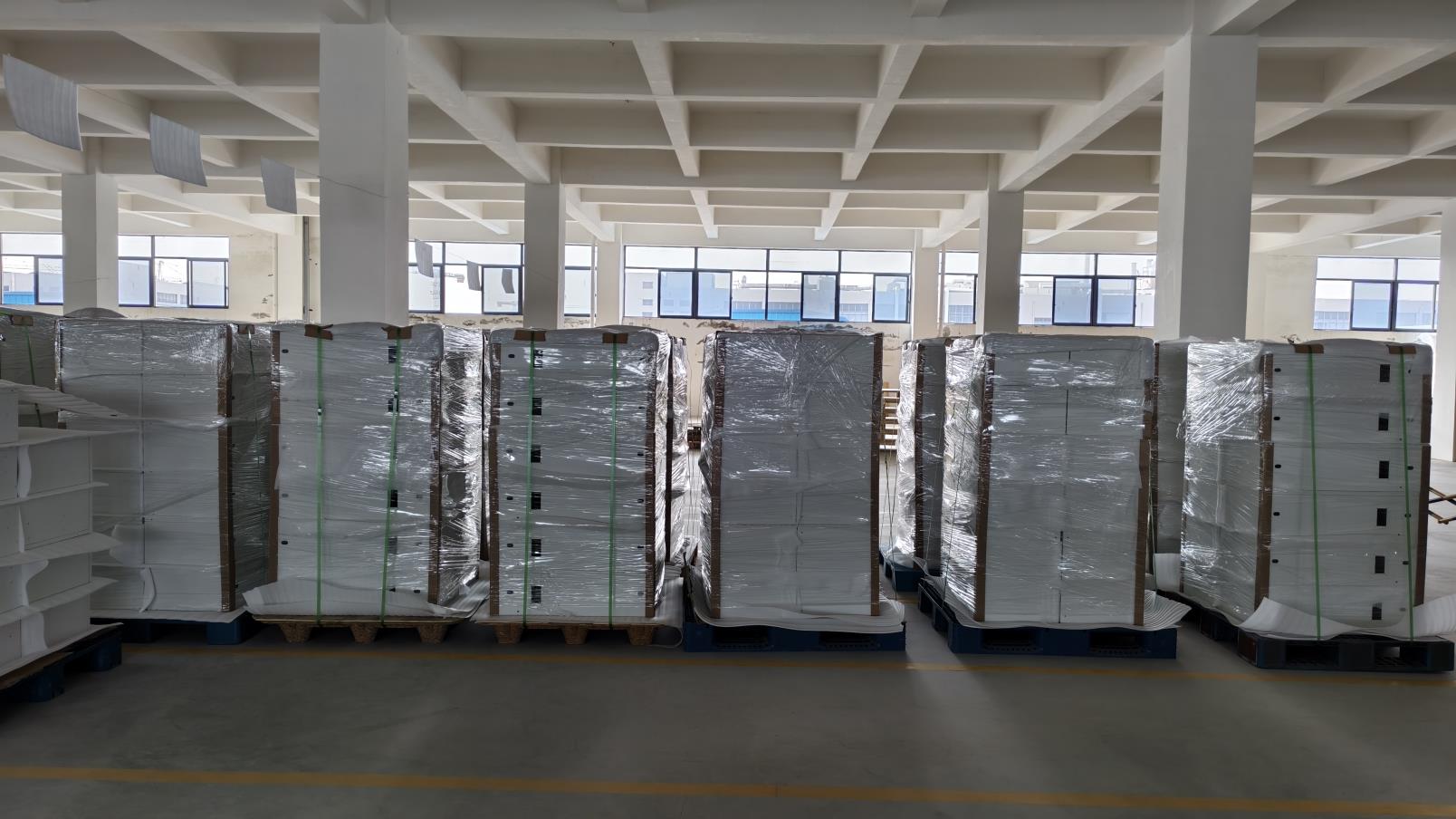
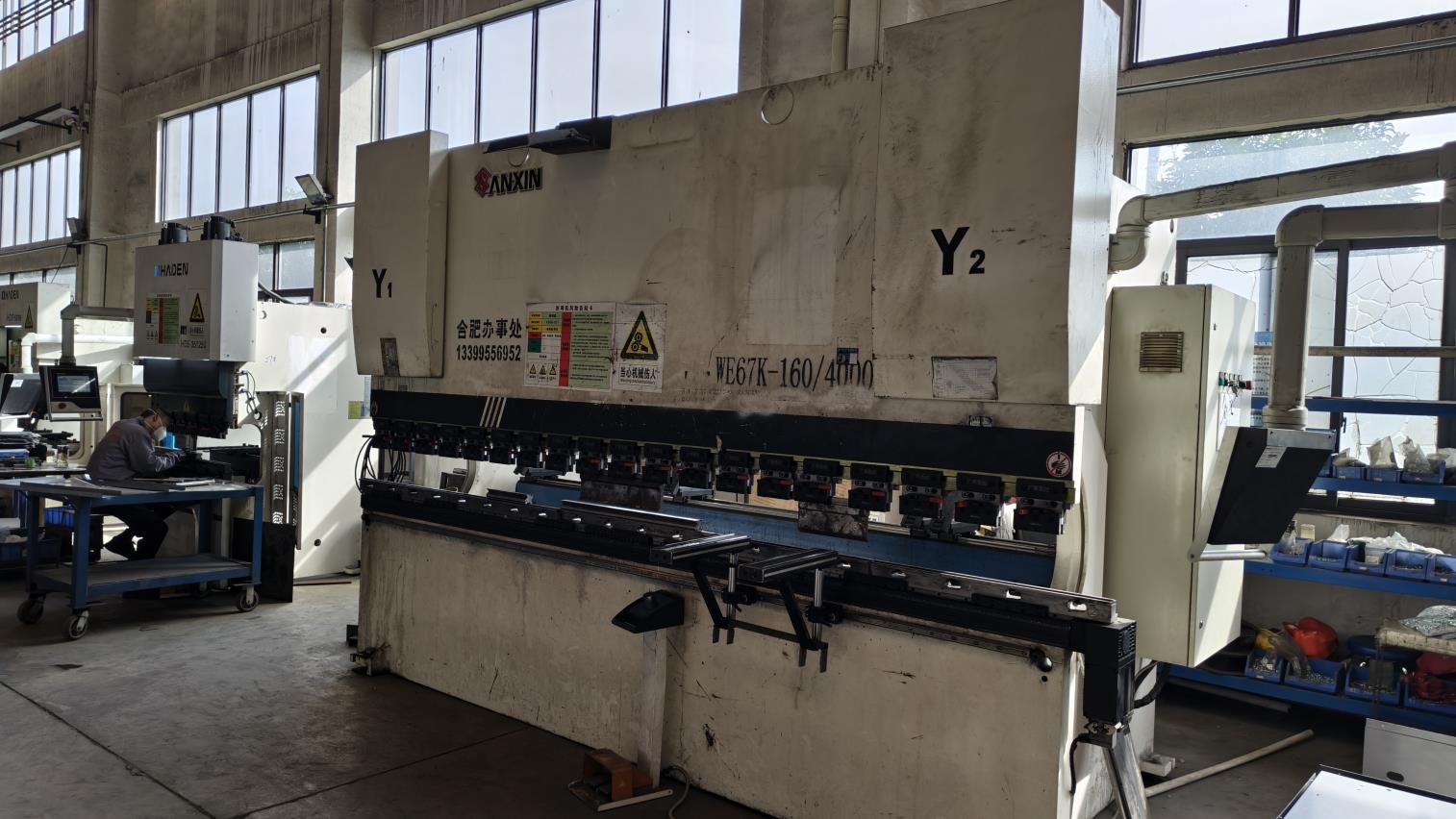
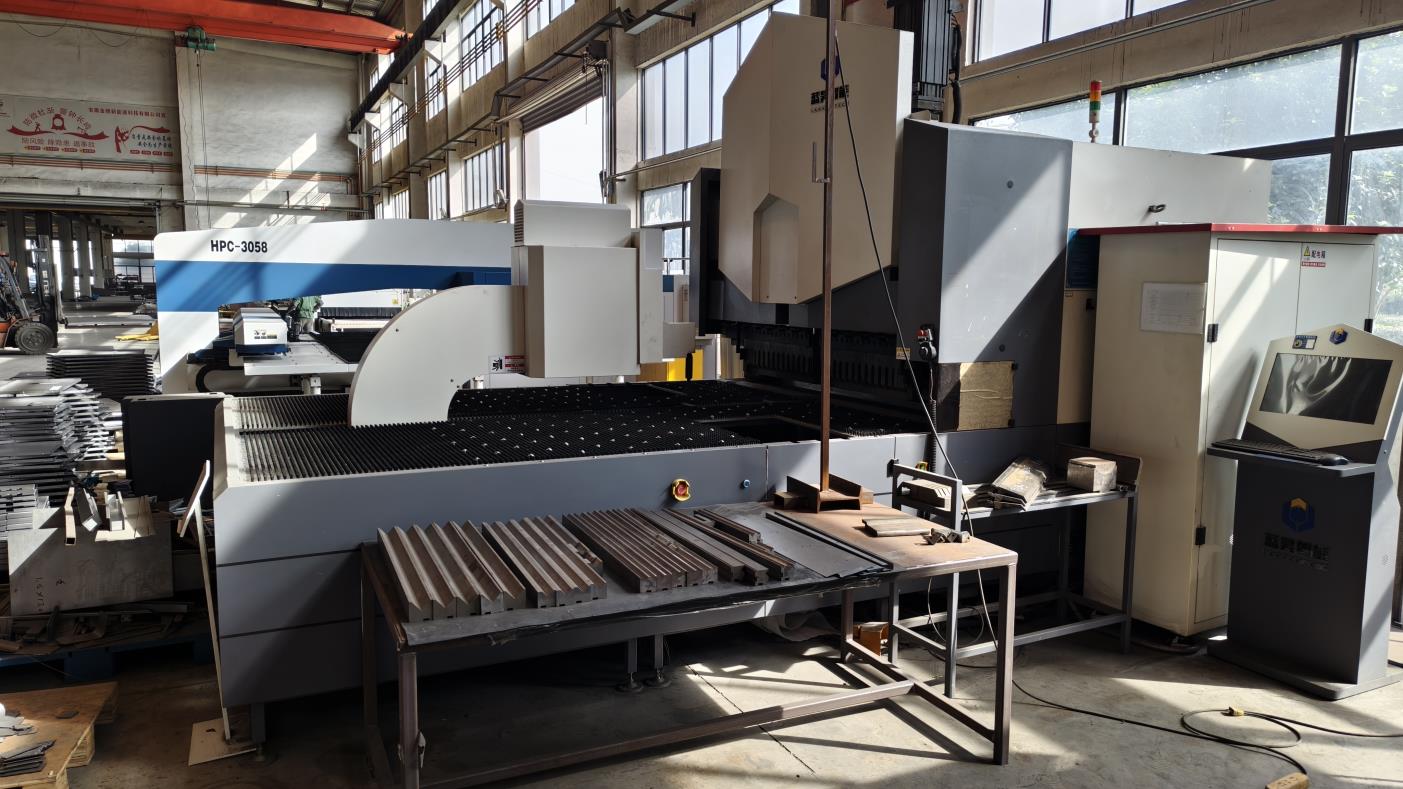
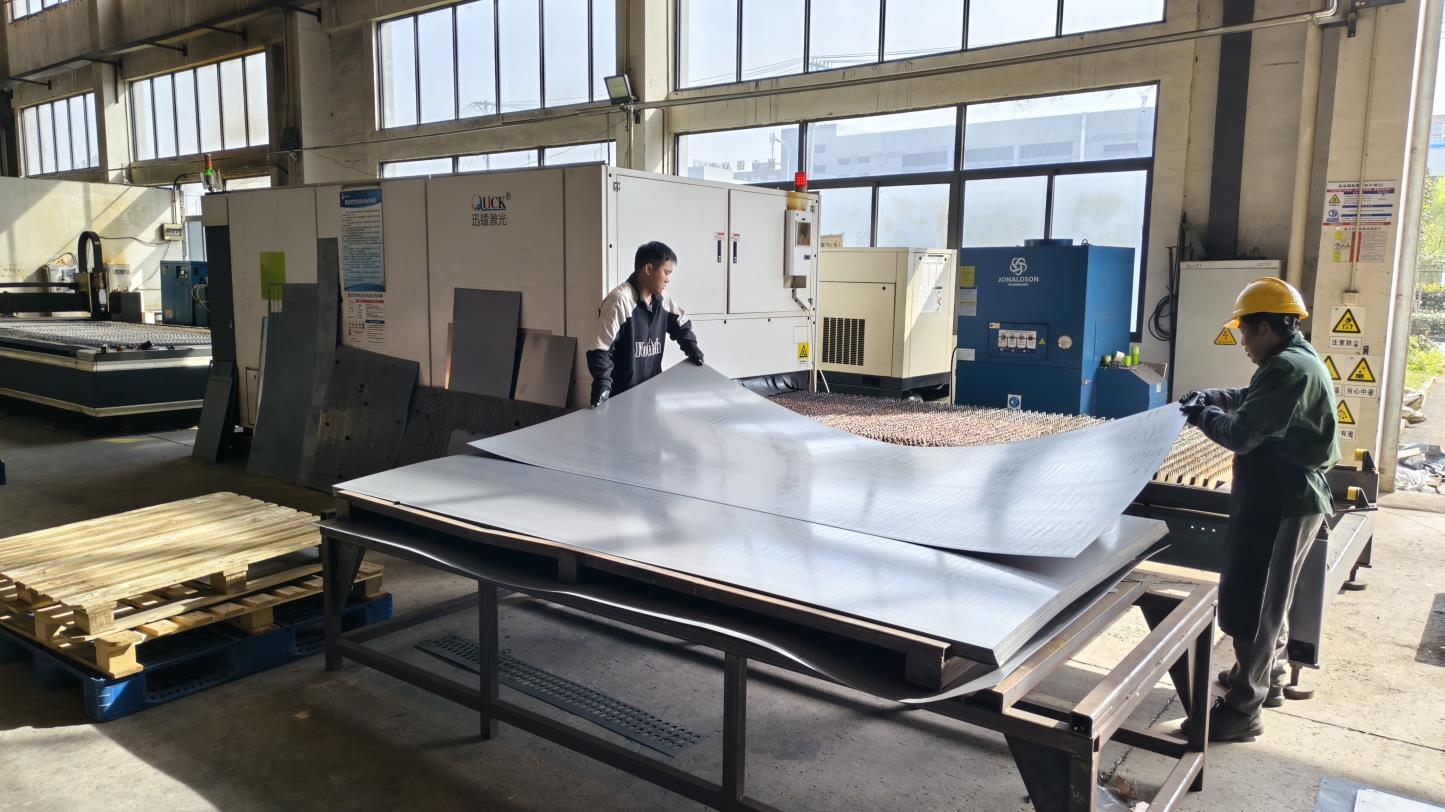
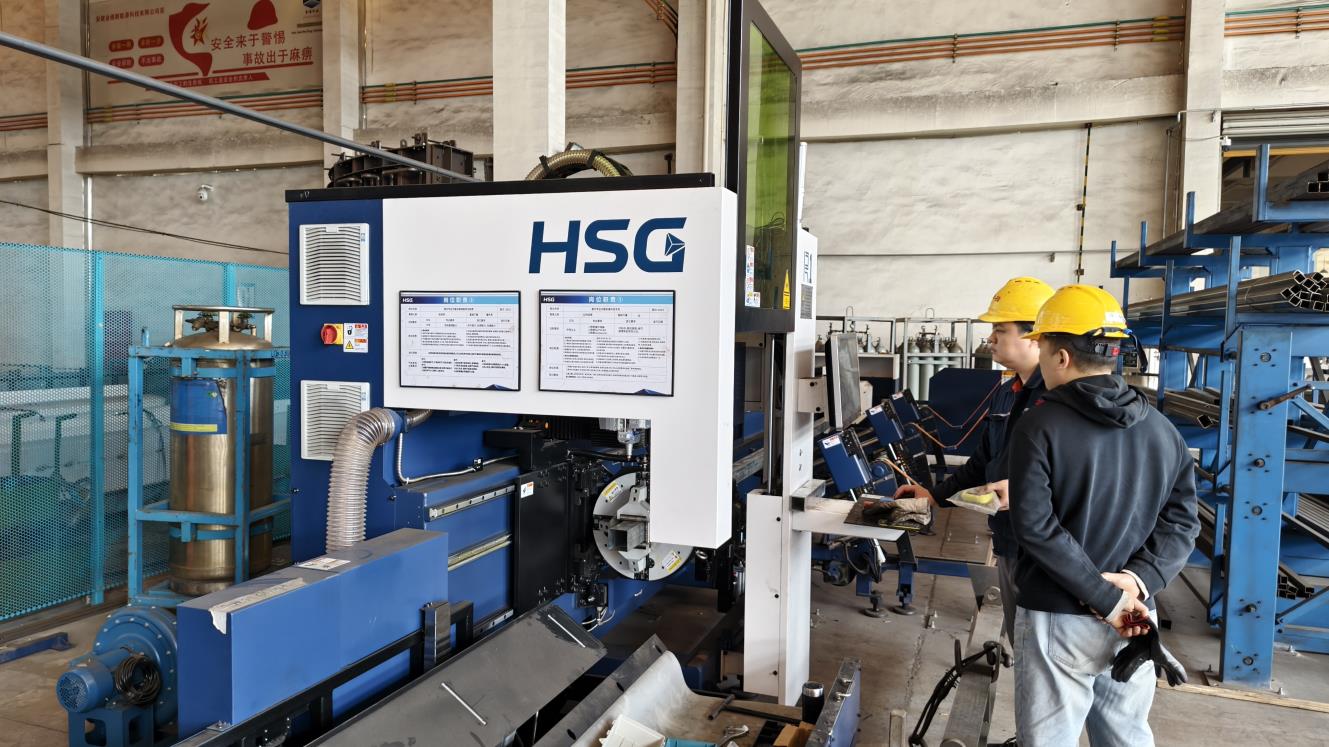
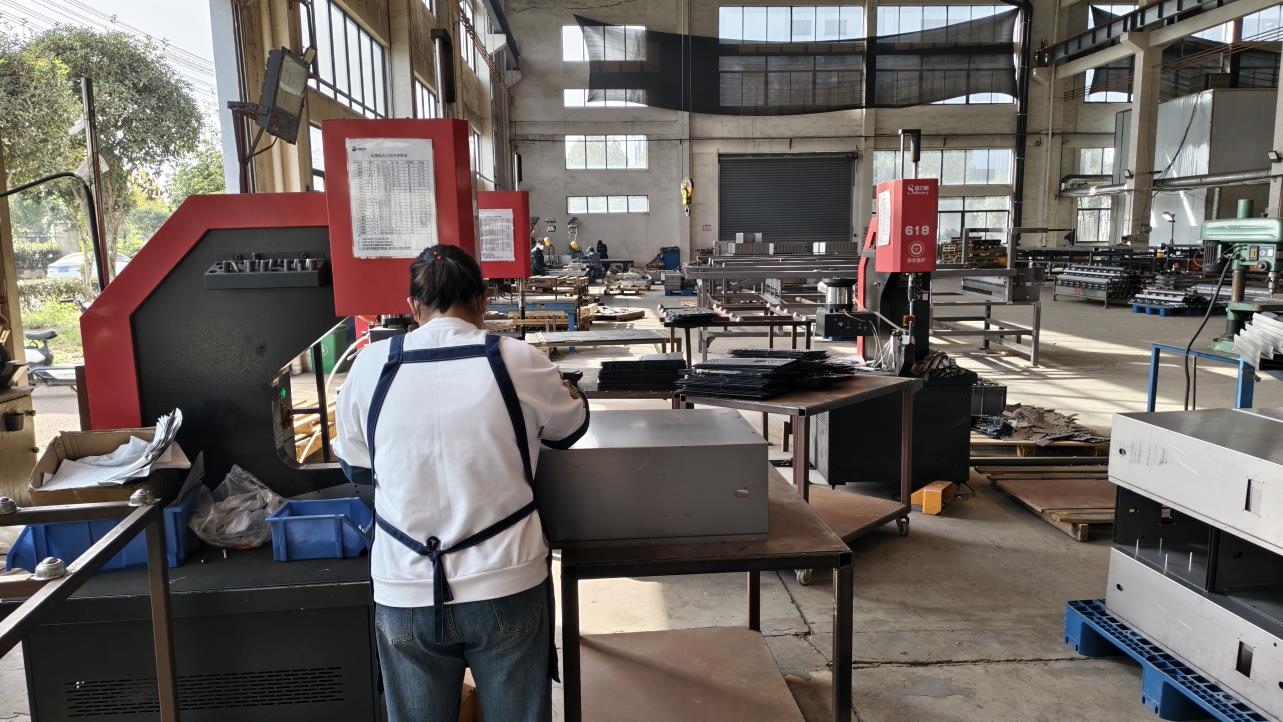
The global renewable transition requires massive manufacturing scales. By leveraging advanced automation and integrated manufacturing clusters, Wenzhou's modern factories have transitioned to Industry 4.0 standards. Automatic stamping, laser welding, and robotic component testing systems eliminate human assembly error, resulting in stable electrical contact profiles across millions of units produced.
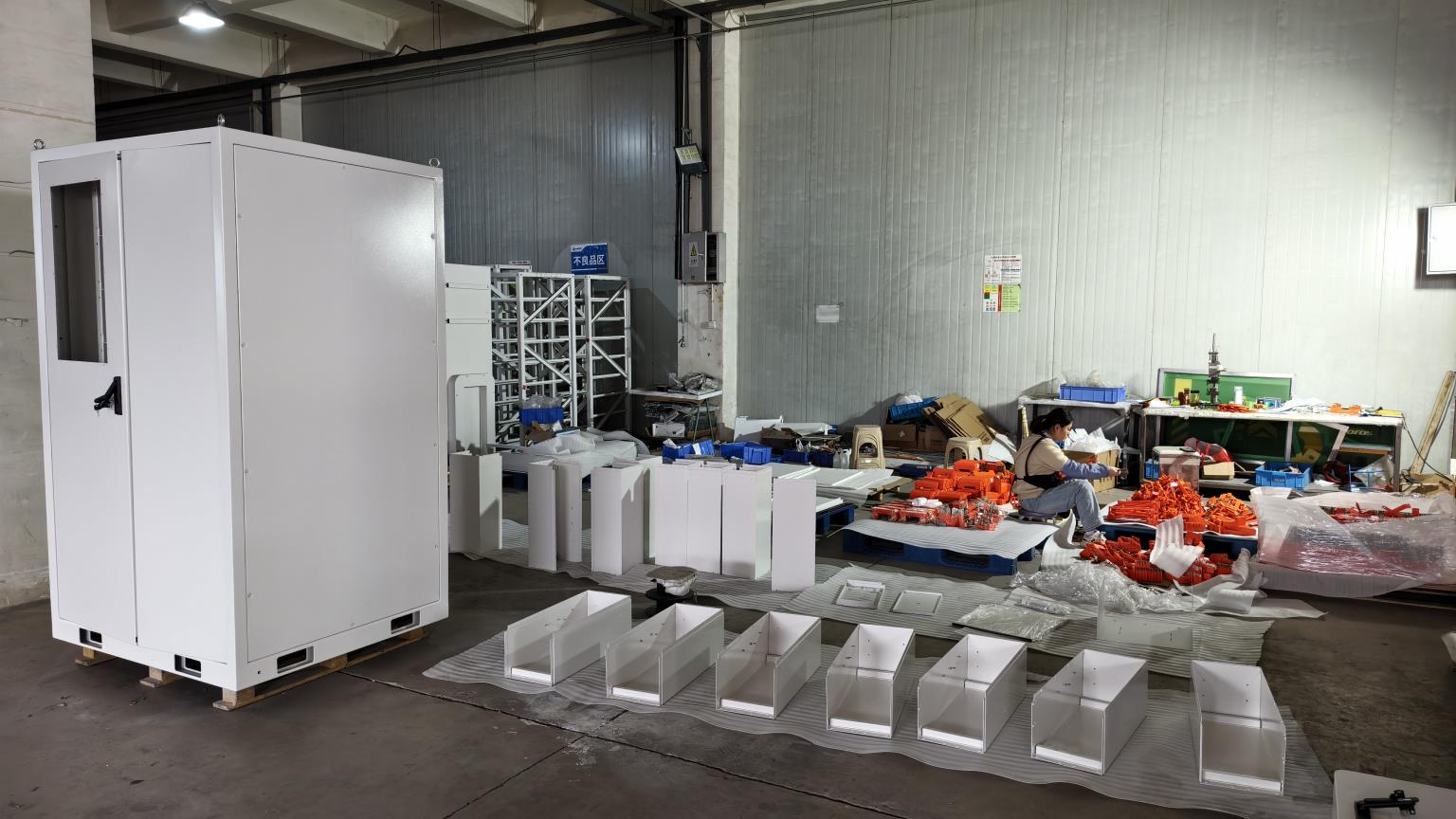
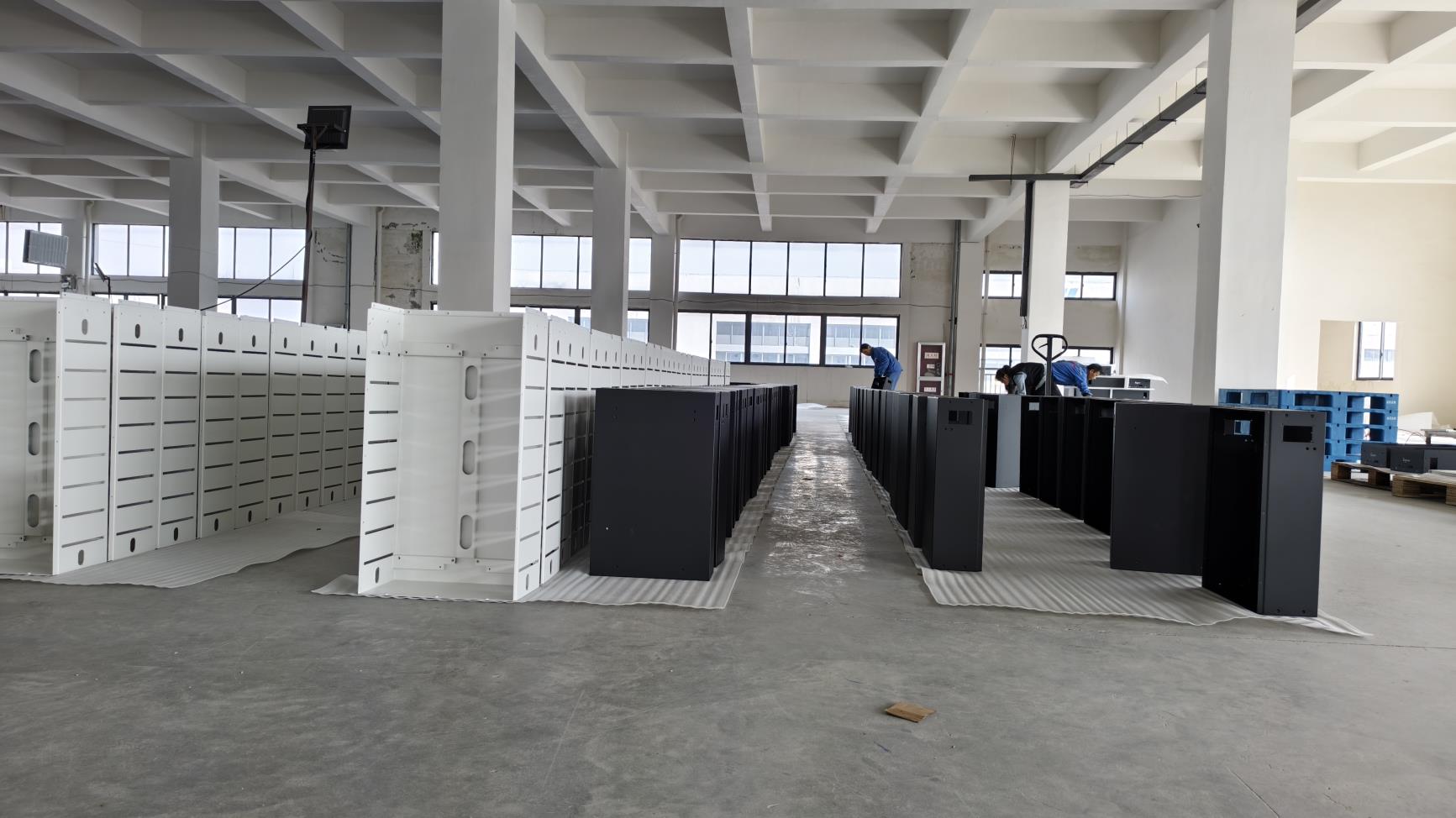
This automated supply chain offers distinct advantages: rapid custom tooling (for OEM/ODM partners), ultra-low material wastage, and integrated quality verification systems. At every stage—from sheet metal bending to electronic testing—strict control loops ensure zero-defect outgoing shipments.
Your Premium Global Partner for High-Quality Solar PV Protection and Electrical Connections.
Optimized solar protection components designed for the unique operational hazards of local markets.
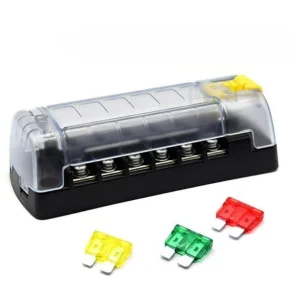
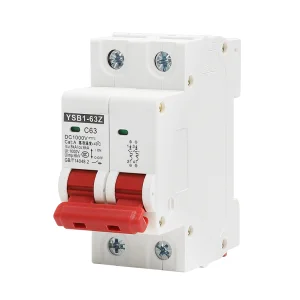
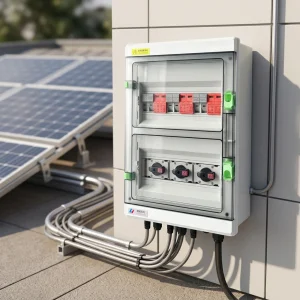
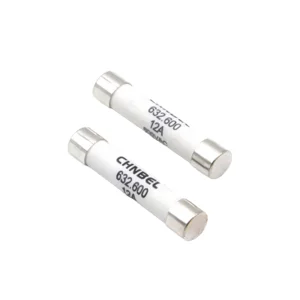
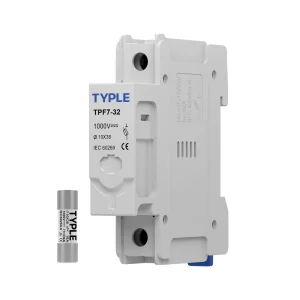
For large solar farms, high voltage reliability is crucial. Our 1000V/1500V DC fuses and combiner boxes isolate faulted strings, preventing catastrophic damage to centralized megawatt inverters. Ruggedized structures offer dust and moisture exclusion to ensure continuous operation in desert arrays.
Rooftop installations demand high fire safety mitigation. Implementing our Arc Fault Circuit Interrupters (AFCI) and IP65 isolator switches guarantees rapid shutdown of rooftop generation loops when building fire alarms are triggered, securing properties and human life.
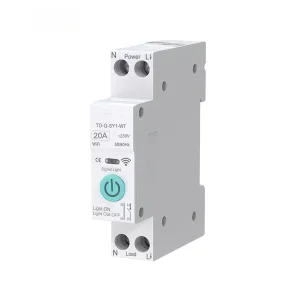
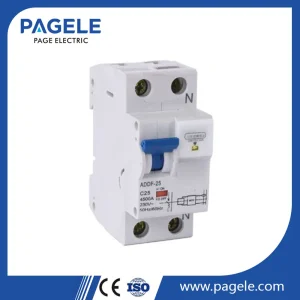
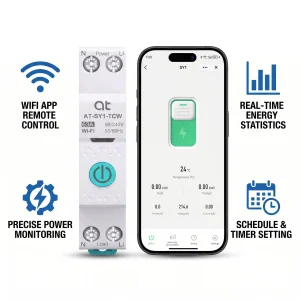
Homeowners benefit from compact, DIN-rail mounted protection devices that blend into existing electrical closets. Integration of Tuya/eWelink IoT smart MCBs allows homeowners to track daily power yields, manage loads remotely, and schedule charging loops easily.
Get technical answers to common queries on sizing, compliance, installation, and reliability of PV DC isolation systems.
 Phlox Energy