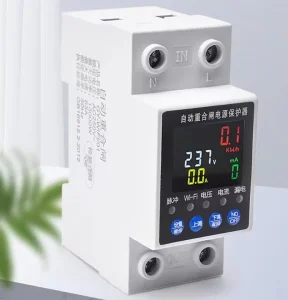
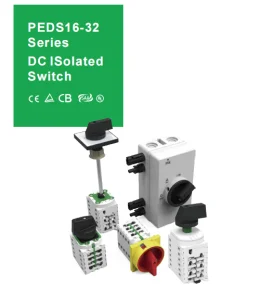
Explore our engineering-grade circuit protection selection, certified to global compliance frameworks for residential, C&I, and utility-scale networks.
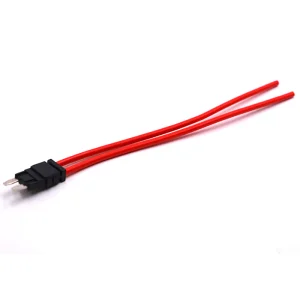
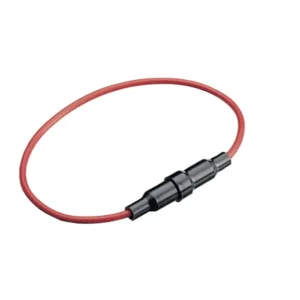
Factory Wholesale Mini Car Fuse Auto Fuse Tap 16AWG 150MM Blade Fuse Tap ACU/ACS/ACN for Monitoring
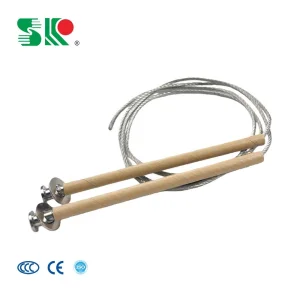
High Voltage Type K Copper Screw Fuse Link 10-40.5kV Fast Blow IEC For RW10 Cutout Fuses 1-200A
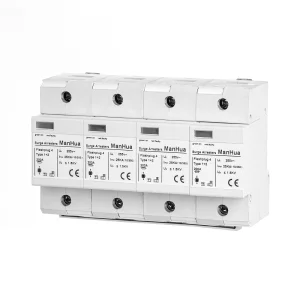
ManHua SPD Type 1+2 255V 25KA Flashplug4 Surge Protective Device
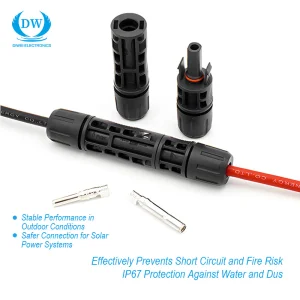
Male Female Photovoltaic IP67 Waterproof Solar PV Energy Connector For PV Solar System Panel Cable
A comprehensive technical brief on mitigating system faults, transients, and electrical stress in renewable infrastructures.
As the global power grid transitions from centralized fossil generation to decentralized, high-capacity renewable energy systems, the demands placed on electrical switchgear and circuit protection have increased exponentially. Today's commercial, industrial, and utility networks operate at higher DC voltages, fast transient states, and variable current profiles. This shifts the engineering paradigm from standard overcurrent prevention to integrated, intelligent, and highly localized protection topography.
Modern clean energy grids, particularly utility-scale solar photovoltaic (PV) setups and electric vehicle supply equipment (EVSE), routinely utilize system voltages reaching 1500V DC and beyond. At these levels, extinguishing DC electrical arcs presents severe engineering challenges. Unlike alternating current (AC), which naturally passes through zero-voltage points twice per cycle, direct current (DC) remains continuous, allowing arcs to persist across open contacts, leading to thermal runaway or structural fire hazards. The implementation of high-performance DC fuses, surge protection devices (SPDs), micro-circuit breakers, and intelligent isolators is critical to mitigating risk and maximizing uptime.
In DC networks, inductive energy determines the difficulty of interrupting fault currents. The L/R time constant (ratio of inductance to resistance) governs the rate at which fault current rises. Circuit protection components engineered by leading manufacturers must exhibit precise thermal and magnetic profiles to safely clear faults within milliseconds, neutralizing the risk of system-wide damage.
In mature markets across Europe, North America, and the Asia-Pacific, regulatory bodies are mandating stricter fire safety codes, such as the NEC (National Electrical Code) Rapid Shutdown requirements and IEC 60364-7-712 standards. Commercial and industrial facilities can no longer afford un-monitored, passive circuit components. System integrators and EPC contractors demand protection devices with integrated telemetry, allowing real-time monitoring of breaker status, load patterns, and leakage currents.
The push for intelligent electrical distribution has driven the adoption of smart MCBs and connected breakers. By transmitting predictive maintenance data to supervisory control and data acquisition (SCADA) platforms or cloud-based IoT engines, asset owners can identify high-resistance terminations, line degradation, or repetitive transient overvoltages before they manifest as critical faults.
To safely isolate and protect high-power solar arrays and industrial machinery, engineers implement multi-tiered safety topologies:
Utilizing high-capacity Type 1 and Type 2 Surge Protective Devices (SPDs) to arrest atmospheric overvoltages and switching surges, routing transient energy to ground within nanoseconds.
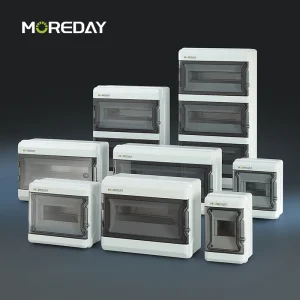
Integrating high-voltage PV cartridge fuses or miniature DC circuit breakers directly within smart combiner boxes to isolate faults in specific solar arrays without taking the entire array offline.
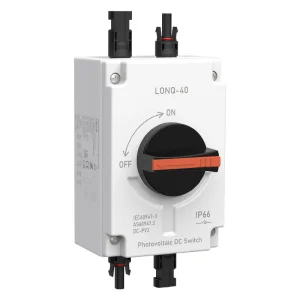
Employing heavy-duty, IP66-rated rotary DC disconnector switches capable of breaking load currents up to 1500V. This guarantees maintenance personnel a safe work environment.
The operational conditions for protection switchgear vary based on geography and industry:
A global leader in solar photovoltaic protection and heavy-duty electrical connection engineering.
Wenzhou Phlox Energy Co., Ltd. is a professional manufacturer and supplier specializing in solar photovoltaic protection and electrical connection solutions. With more than 10 years of industry experience, we are dedicated to the research, development, production, and innovation of high-quality solar accessories and low-voltage electrical products for global renewable energy markets.
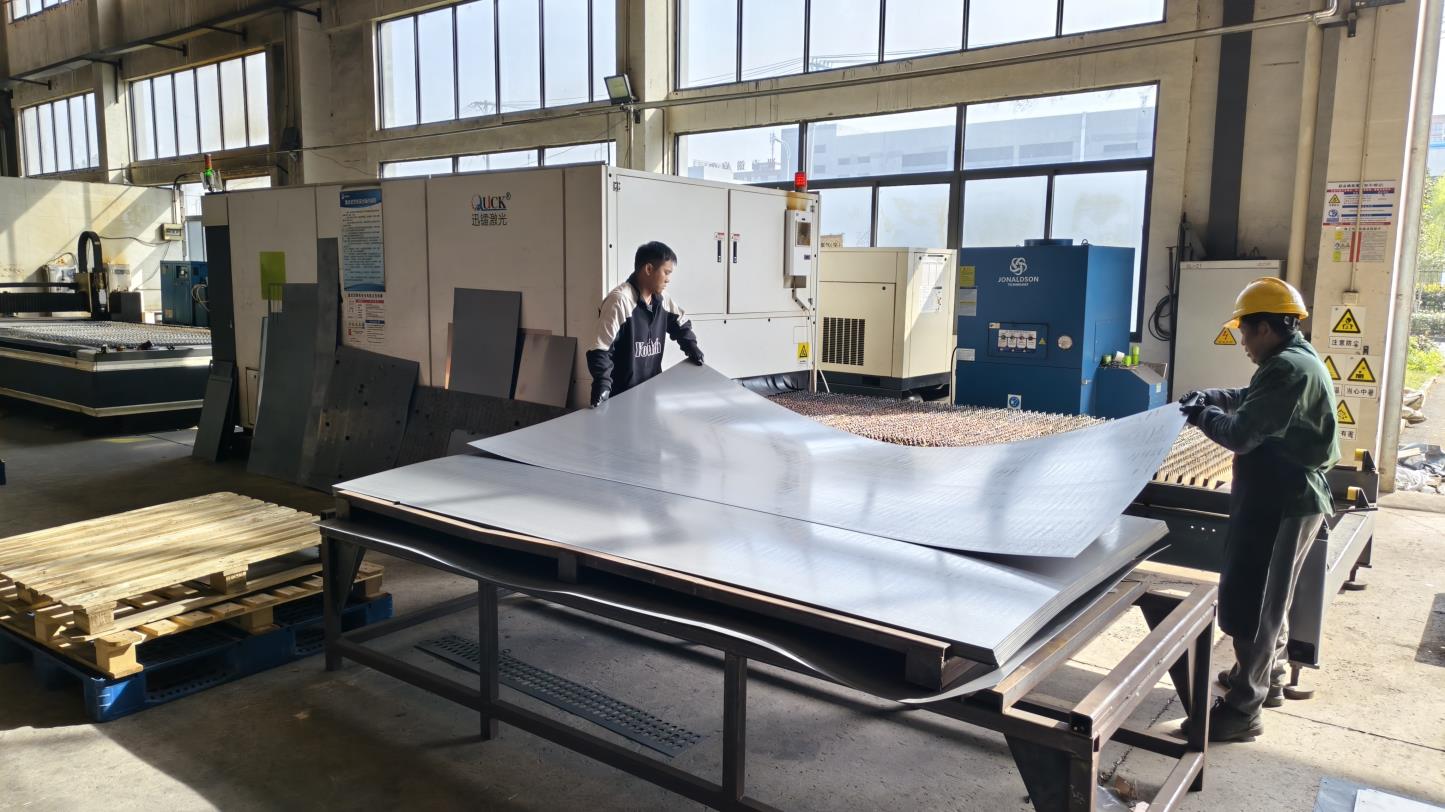
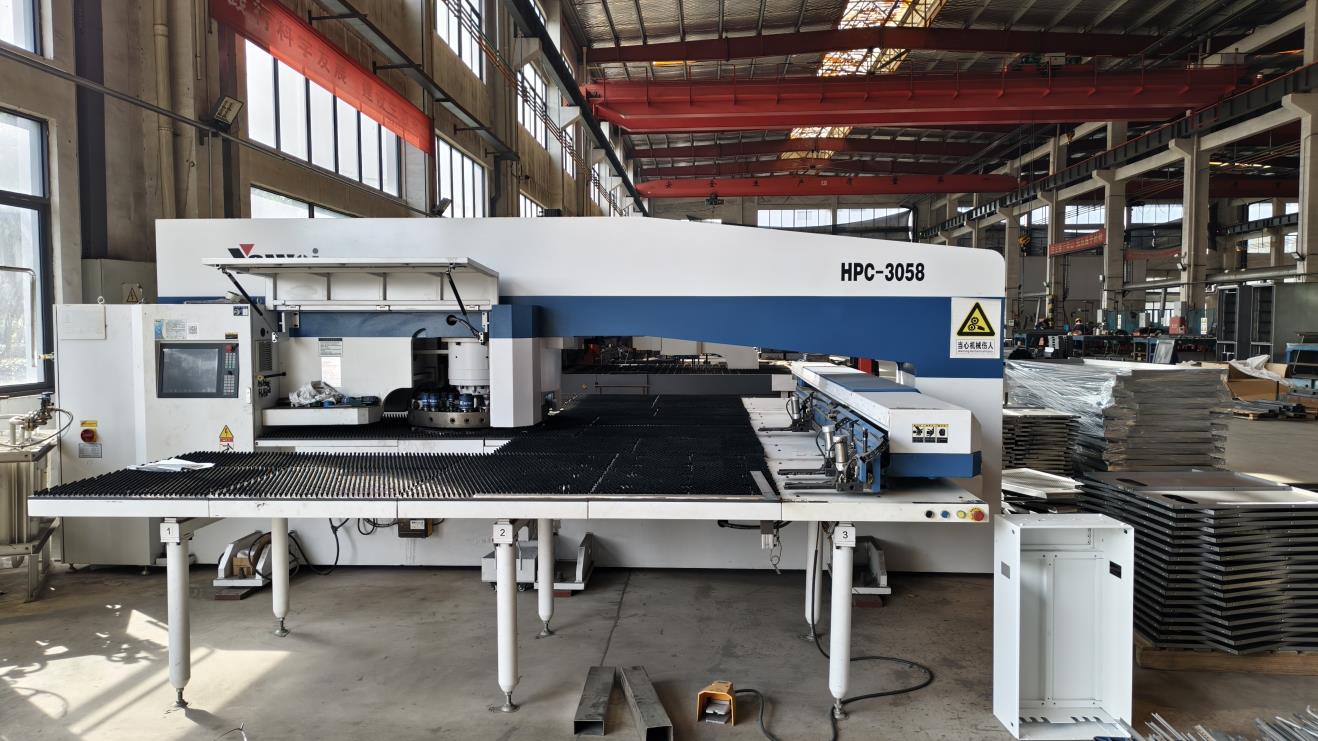
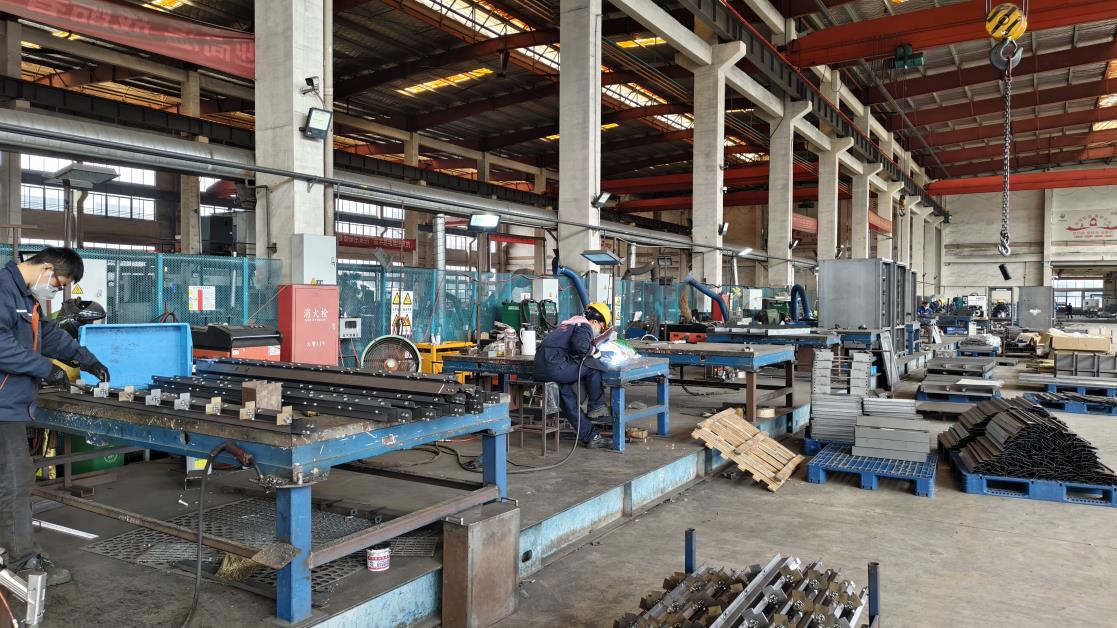
Our manufacturing facility covers an area of over 11,500 square meters and is equipped with 7 advanced production lines, more than 100 automated production machines, and a skilled workforce of over 150 employees. With strong production capacity and efficient management systems, our annual output value exceeds USD 20 million.
Phlox Energy specializes in the production of DC miniature circuit breakers (MCBs), surge protective devices (SPDs), photovoltaic fuses, solar connectors, DC isolator switches, distribution boxes, combiner boxes, and other solar power system components. Our products are widely used in residential, commercial, and industrial photovoltaic installations around the world.
Precision-engineered components built utilizing state-of-the-art CNC machinery, laser processing systems, and fully automated assembly lines.
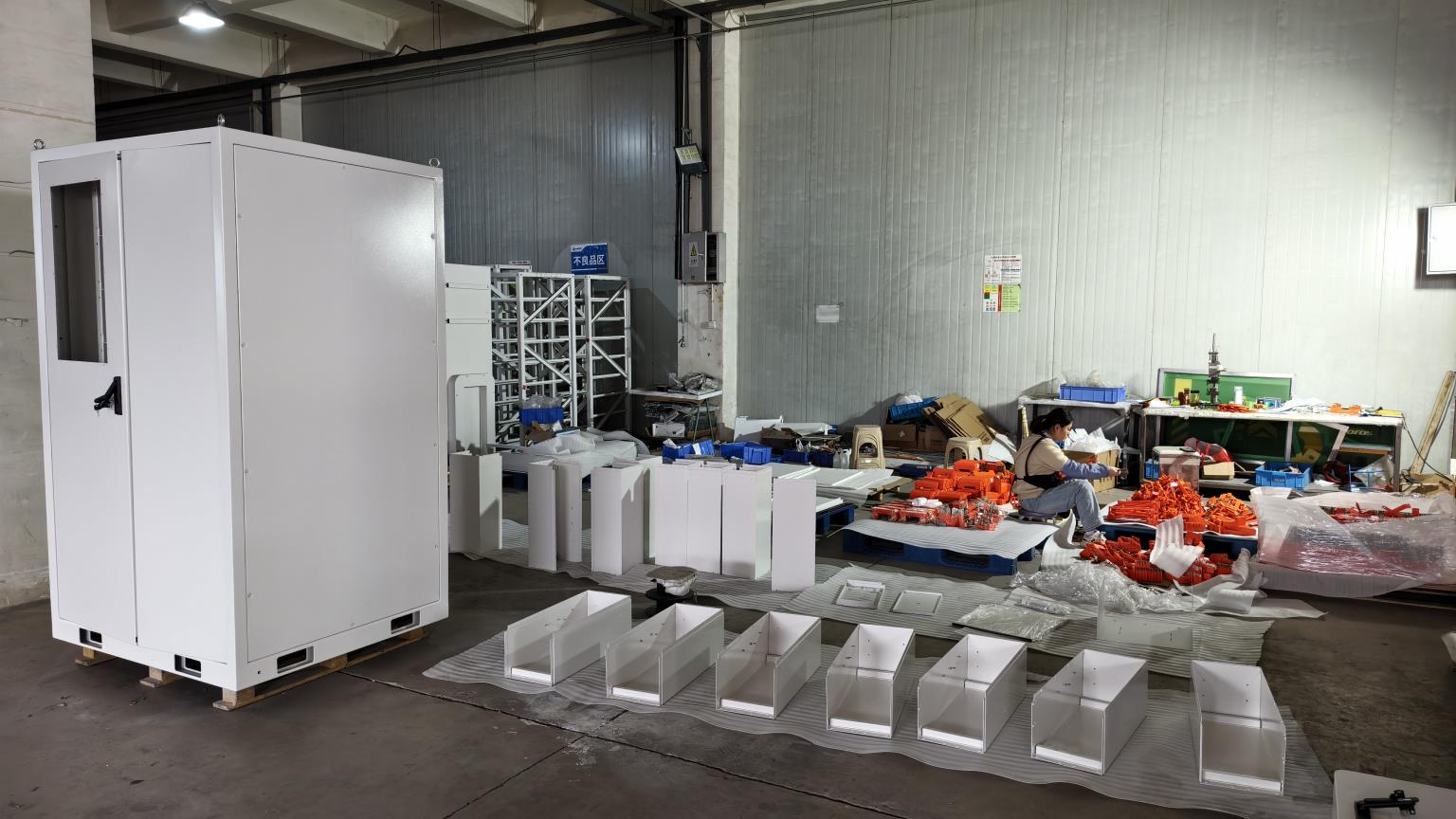
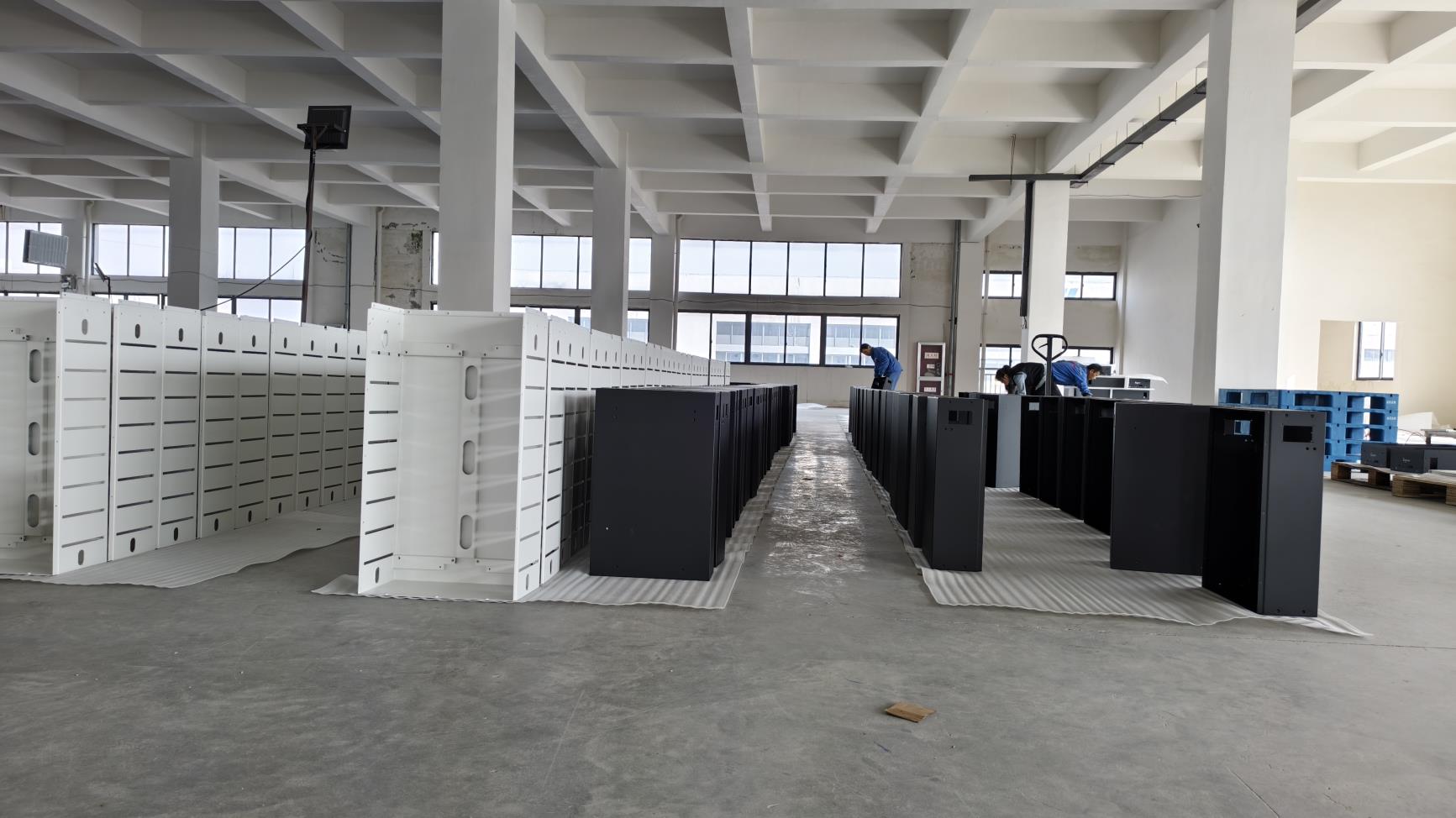
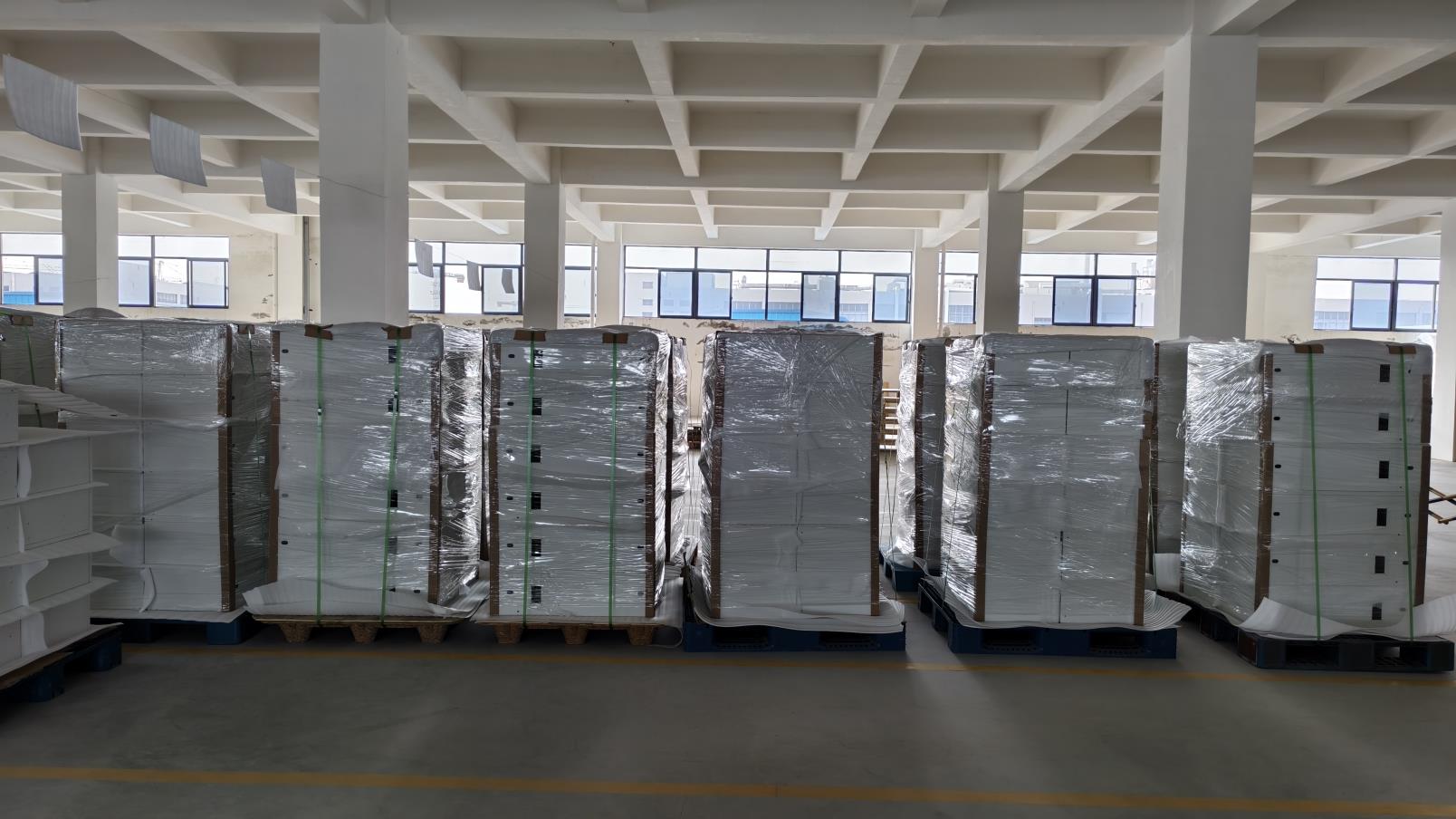
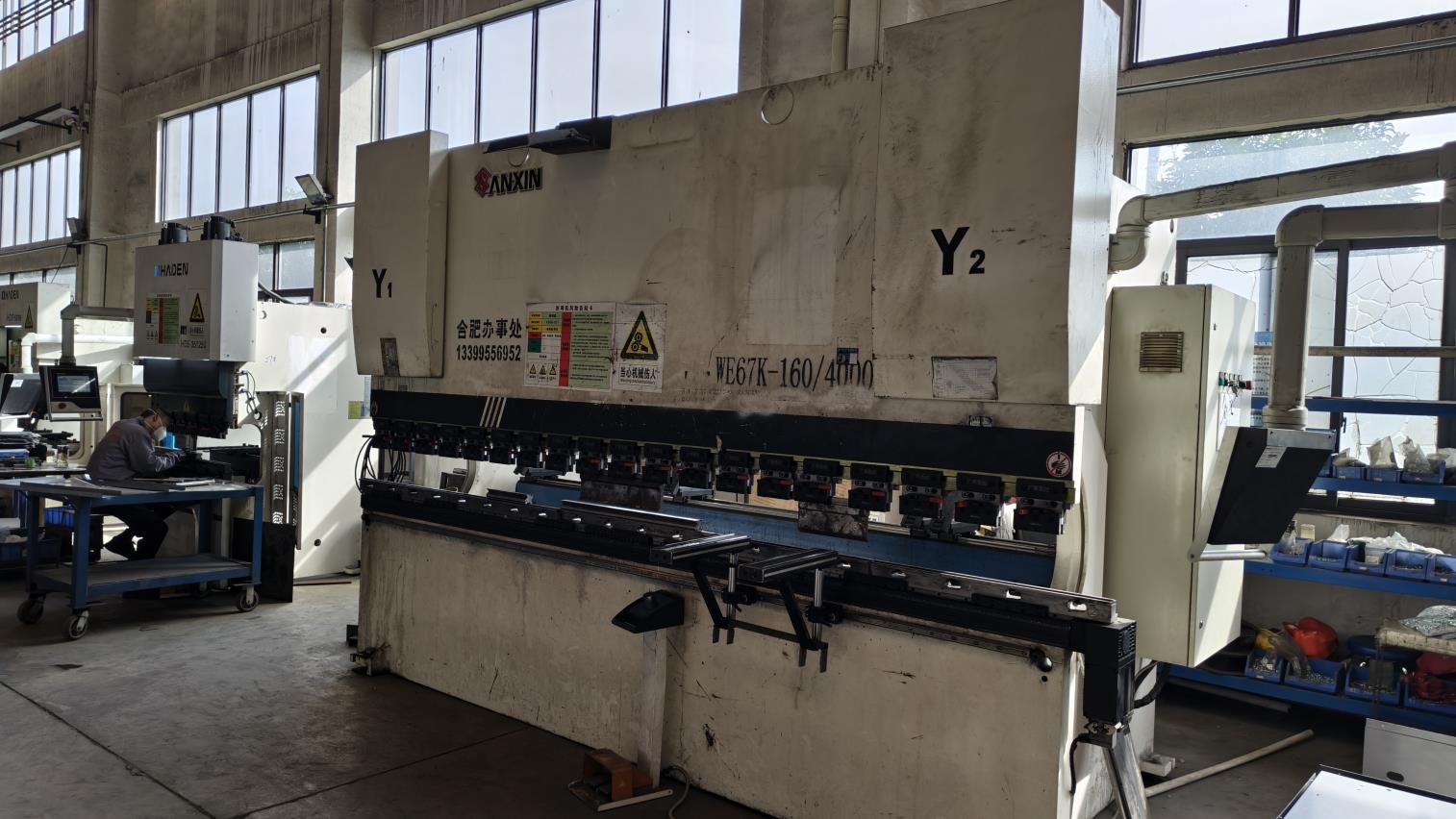
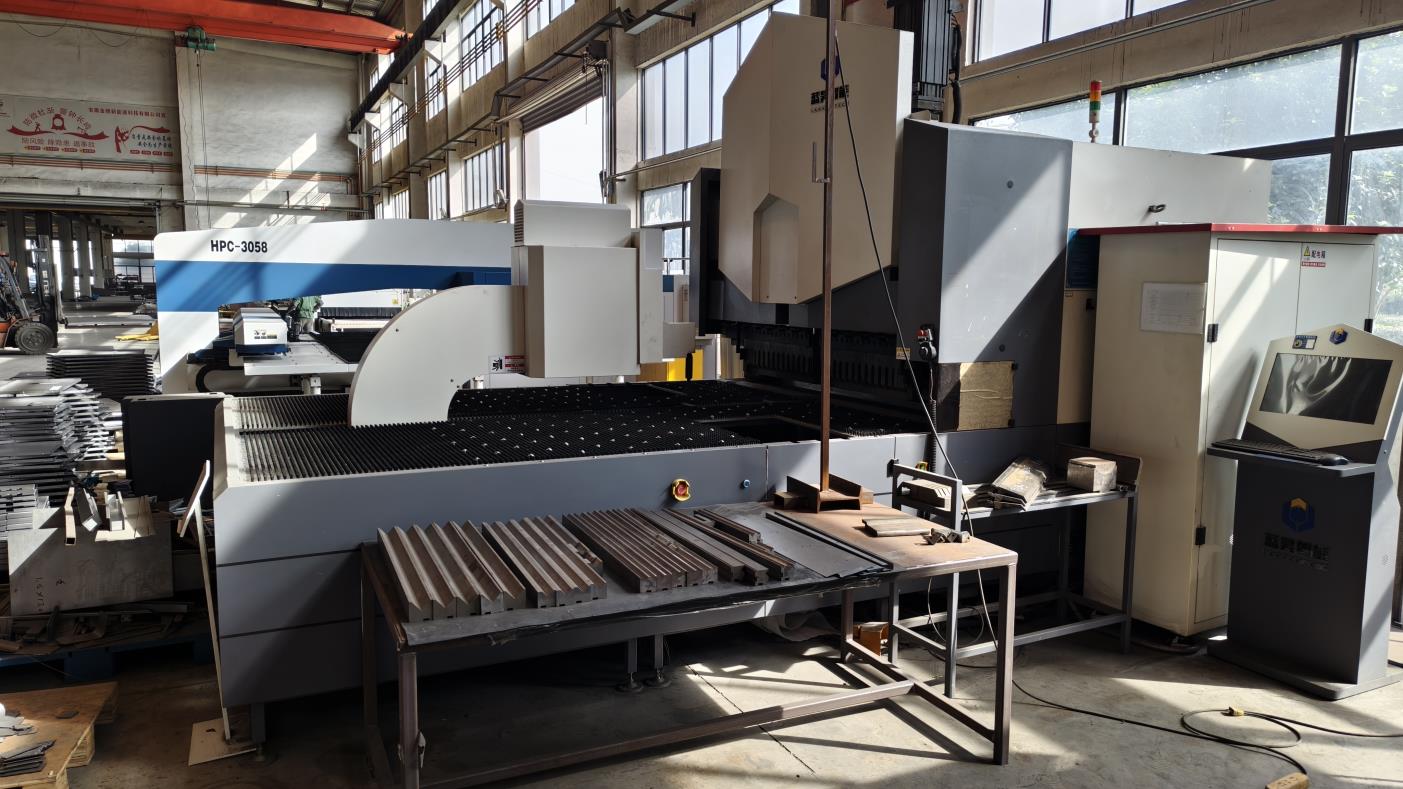
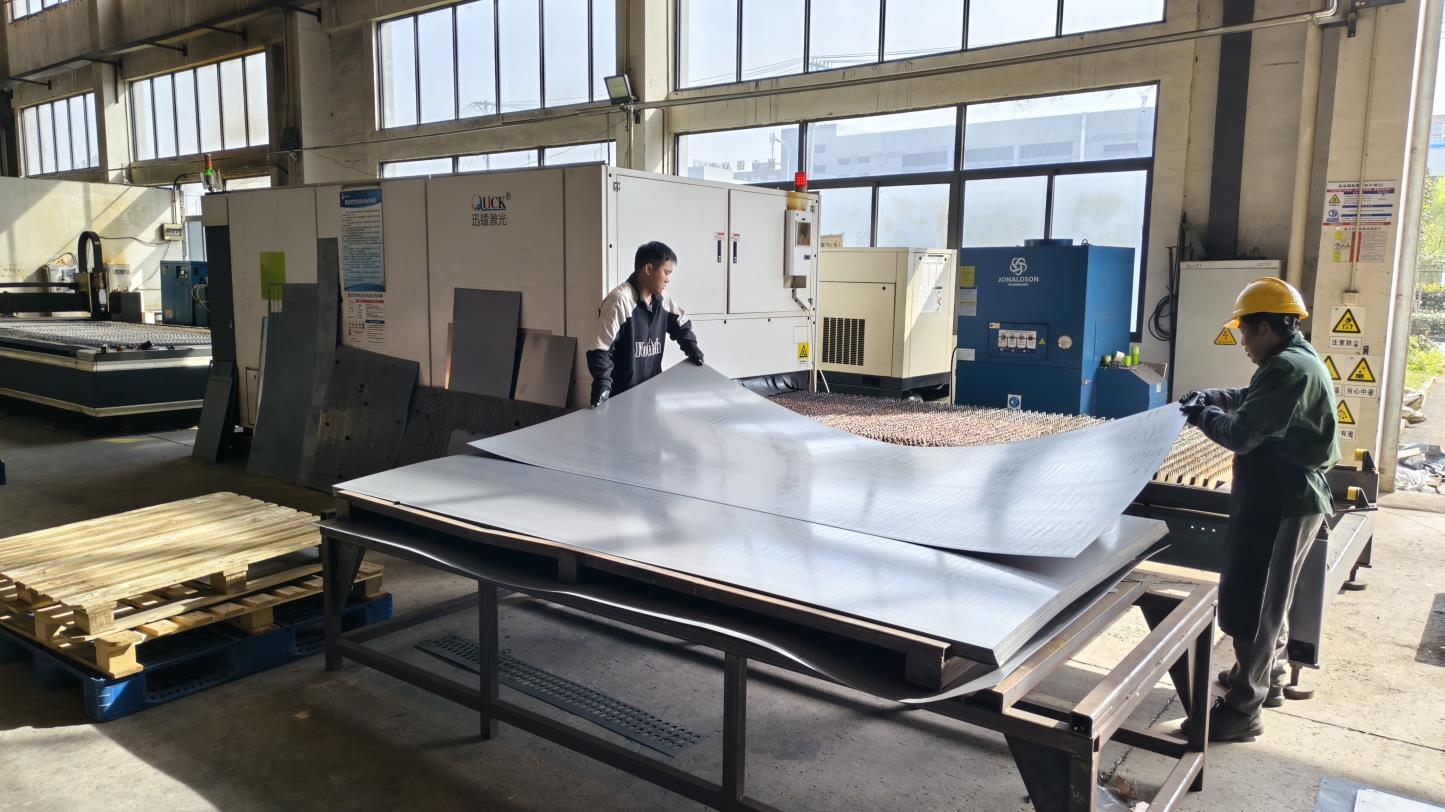
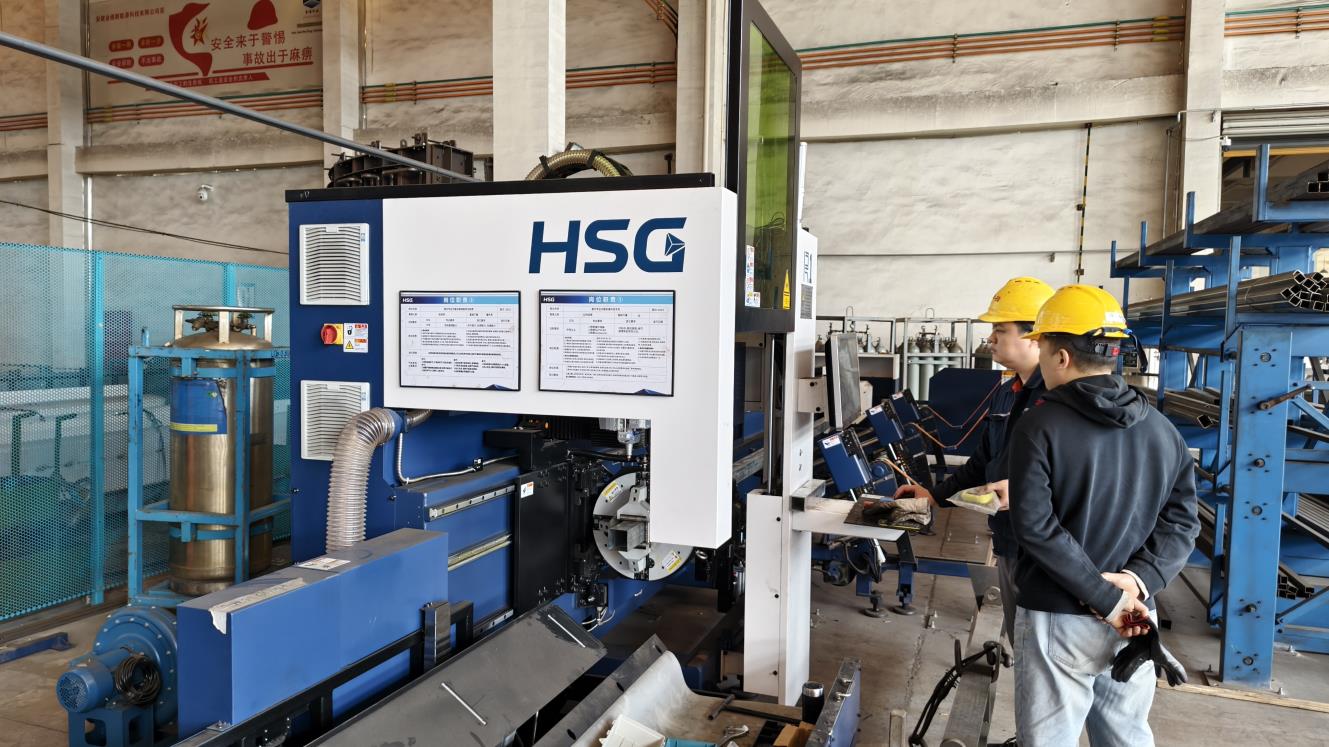
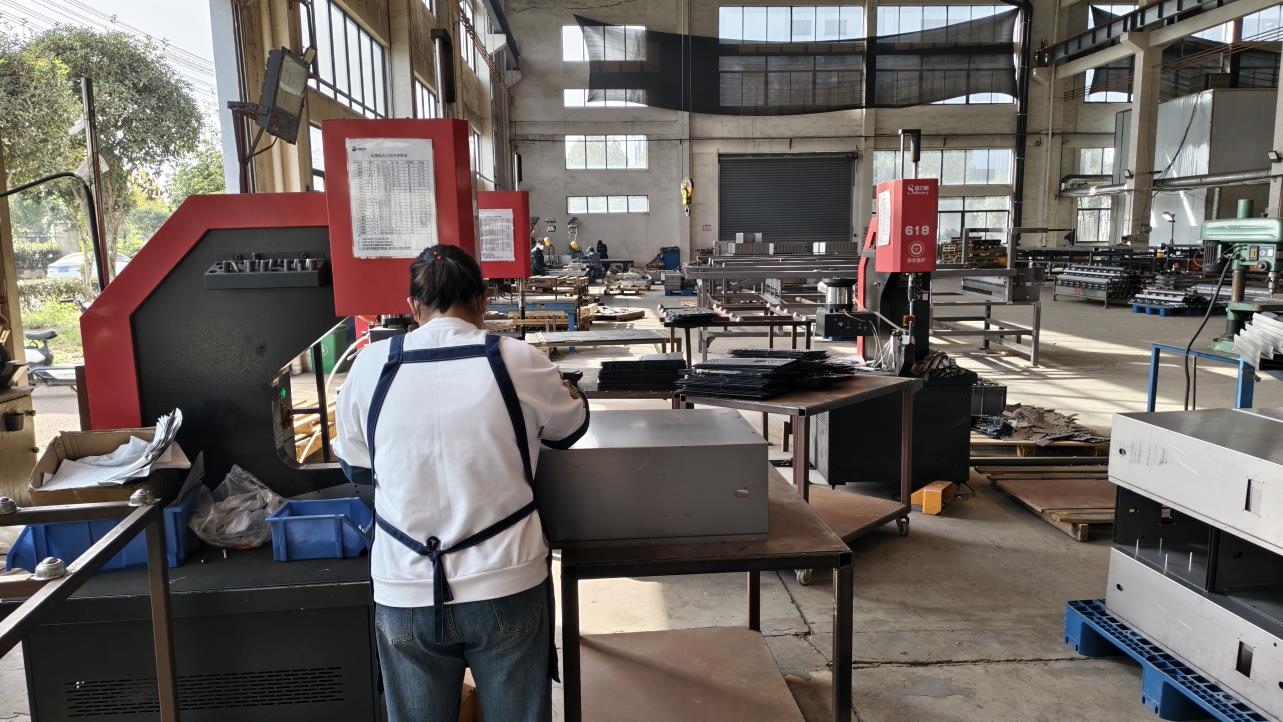
Phlox Energy products are rigorously certified to comply with standard frameworks across all major global jurisdictions.
Quality and reliability in electrical circuit protection are verified through rigorous external testing and factory audits. Phlox Energy operates a quality management system certified under ISO 9001. We maintain standard conformity for products intended for distribution in European, Asian, and American markets.
| Certification | Applicable Region / Authority | Key Standard Coverage | Target System Applications |
|---|---|---|---|
| TUV Rheinland | European Union / Global | IEC 60947-2, IEC 60269-6 | Solar PV Fuses & DC Miniature Breakers |
| CE Mark | European Economic Area | LVD 2014/35/EU, EMC 2014/30/EU | All Low-Voltage Switchgear & Components |
| IEC | International Electrotechnical Commission | IEC 61643-31, IEC 60947-3 | SPDs and DC Isolation Switches |
| CB Scheme | IECEE Global Mutual Recognition | Safety Test Reports | Circuit Breakers & Disconnect Enclosures |
| ISO 9001 | Global Quality Standard | Manufacturing & Engineering Quality Management | Full Production Facility & Material Traceability |
Every batch of raw materials is thoroughly tested upon receipt. From engineering-grade, self-extinguishing polyamide (PA66) used in our DIN-rail fuse holders, to high-conductivity silver-plated copper contacts in our disconnectors, every material must meet strict thermal and mechanical limits. Complete electrical testing is conducted post-assembly, including insulation resistance checks, dielectric withstand tests, and contact resistance measurements.
Addressing the upcoming trends in intelligent power grids and high-voltage DC protection systems.
As microgrids and energy storage systems (BESS) expand globally, circuit protection technology is evolving from passive mechanical trip designs to solid-state and cyber-physical protection topologies. Solid-State Circuit Breakers (SSCBs) are becoming more common in applications requiring near-instantaneous response times, with the ability to isolate faults in microseconds—hundreds of times faster than traditional electromechanical breakers.
Additionally, the integration of IoT telemetry into circuit protection (such as our WiFi-enabled smart circuit breakers) allows operators to monitor grid performance at the edge. By incorporating machine learning algorithms into SCADA software, future power networks can detect insulation degradation, locate ground faults, and automatically adjust overcurrent limits based on ambient temperatures and system degradation profiles.
At Wenzhou Phlox Energy Co., Ltd., our engineering teams are developing DC protection devices rated up to 2000V DC. By using advanced composite materials and specialized arc-extinguishing chambers, we continue to reduce the physical footprint of our DIN-rail products while maintaining reliable breaking performance.
Answering common technical questions regarding circuit protection integration, standards, and equipment selection.
Explore our high-voltage isolators, smart circuit breakers, and specialized sub-components for power distribution systems.
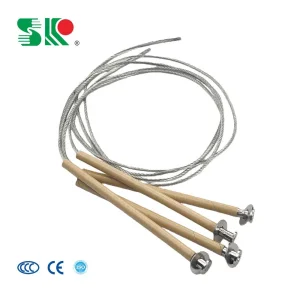
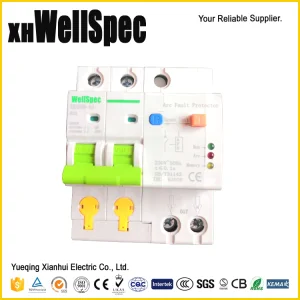
Arc Fault Circuit Breaker Arc Breaker
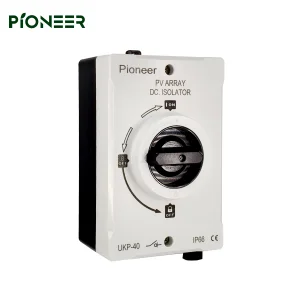
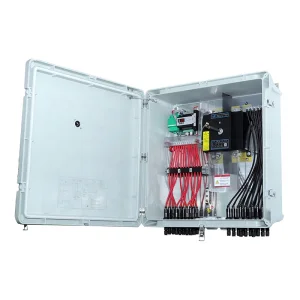
NSPV Small PV Combiner Box Smart String Box with DC Solar Accessory for Solar Electricity
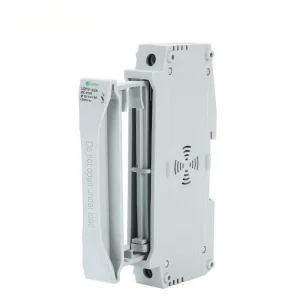
Pull out Low Voltage Fuse 10*85/14*85 DC1500V 50A DC Solar PV Fuse Holder with Link
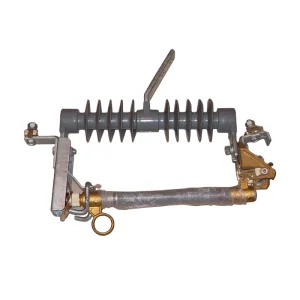
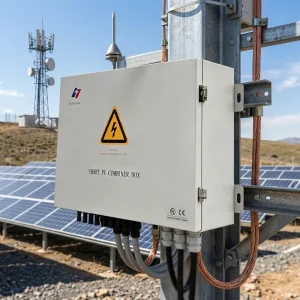
Reliable PV Combiner Box 1500V 6 String With DC Breaker Type 2 SPD For Solar Farm
 Phlox Energy