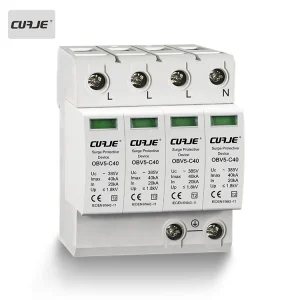
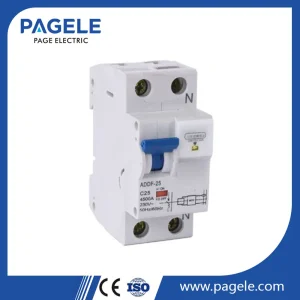
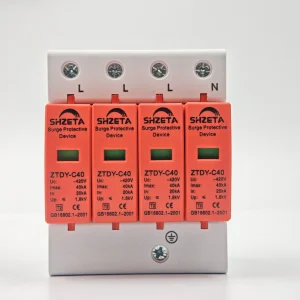
Engineered to withstand extreme short-circuit capacities and provide robust surge suppression in residential, commercial, and utility-scale installations.
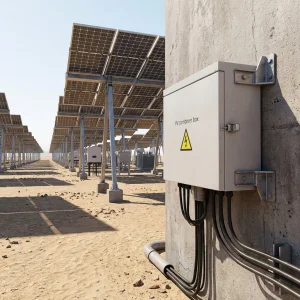
The global industrial sector is undergoing a profound paradigm shift. As clean energy integration, electric vehicle infrastructure, and advanced smart factories multiply, the demands placed on electrical safety infrastructure have grown exponentially. Industrial fuses are no longer considered simple sacrificial linkages; they are high-precision components vital to protecting multi-million dollar assets, avoiding unscheduled downtime, and preserving human life.
Unlike standard consumer-grade thermal links, modern industrial fuses must safely interrupt currents under extremely high potential fault conditions. For instance, the rapid growth of utility-scale solar photovoltaic (PV) setups requires DC fuses designed specifically to interrupt low-level fault currents generated by solar string arrays. Standard AC fuses, which rely on the naturally occurring zero-crossing point of the alternating current cycle to extinguish electrical arcs, fail when subjected to continuous direct current (DC). This creates a critical demand for specialized cartridge fuses, high-speed semiconductor fuses, and medium-voltage power fuses optimized for DC arcs.
Wenzhou Phlox Energy Co., Ltd. is a professional manufacturer and supplier specializing in solar photovoltaic protection and electrical connection solutions. With more than 10 years of industry experience, we are dedicated to the research, development, production, and innovation of high-quality solar accessories and low-voltage electrical products for global renewable energy markets.
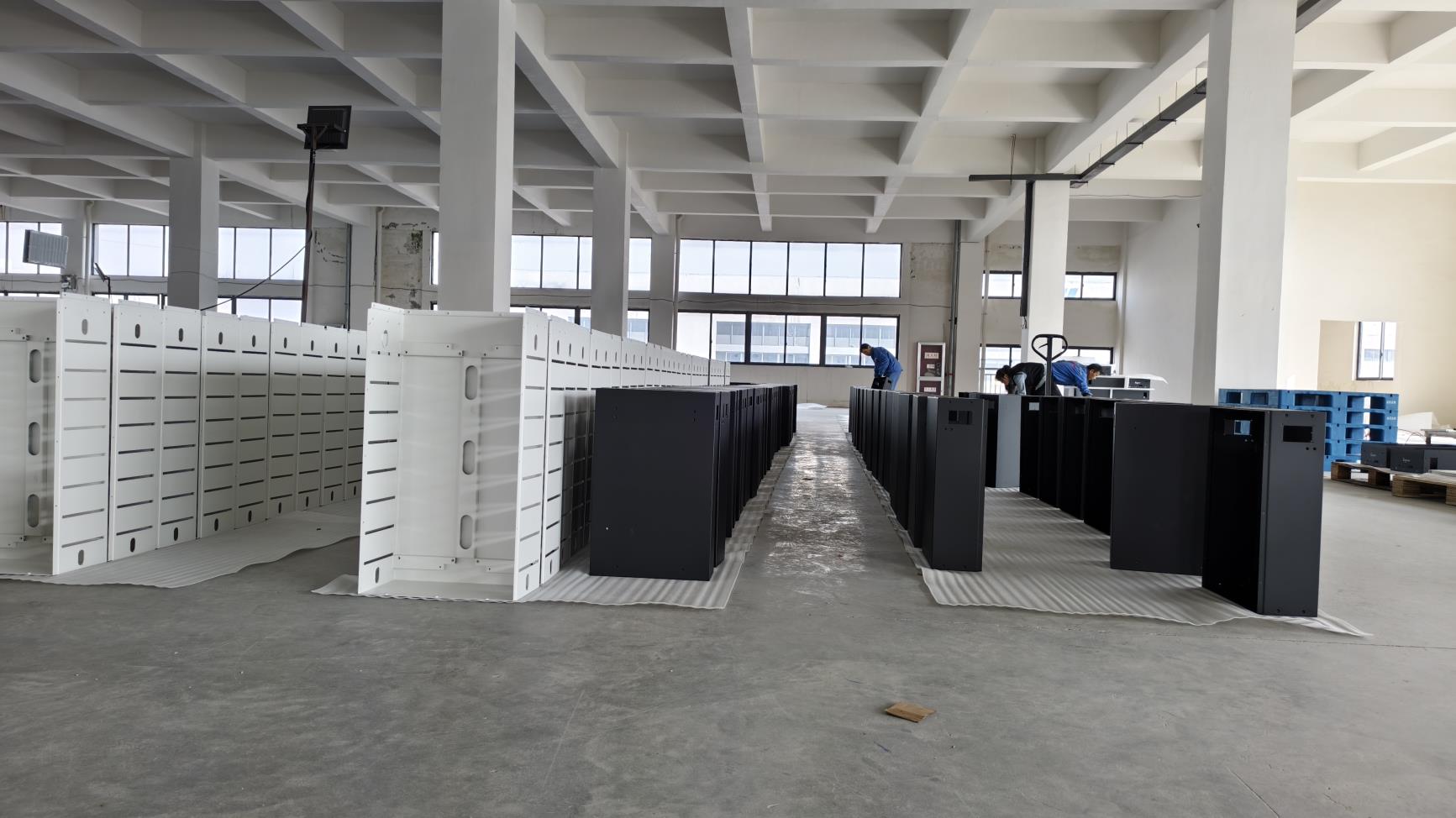
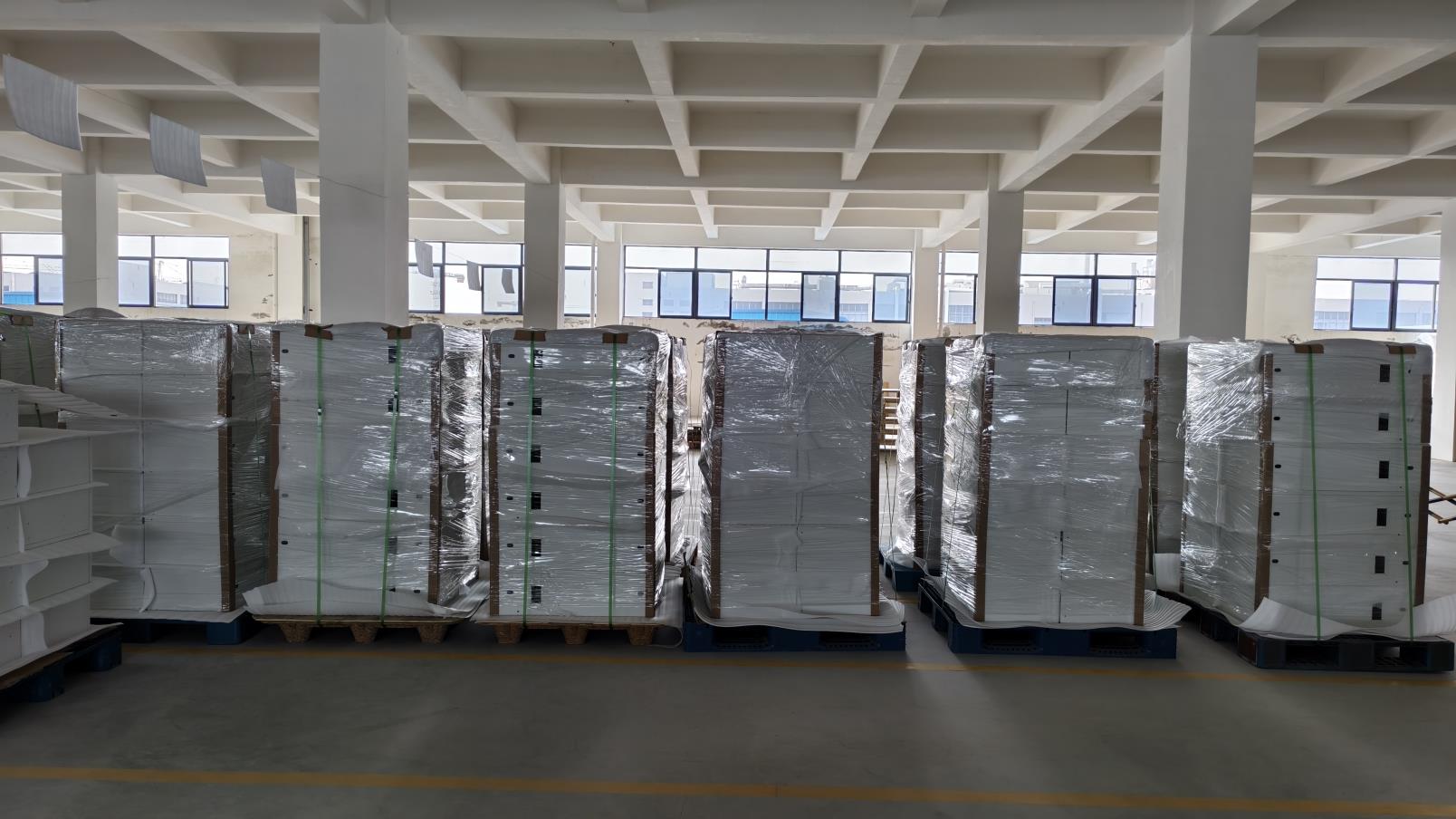
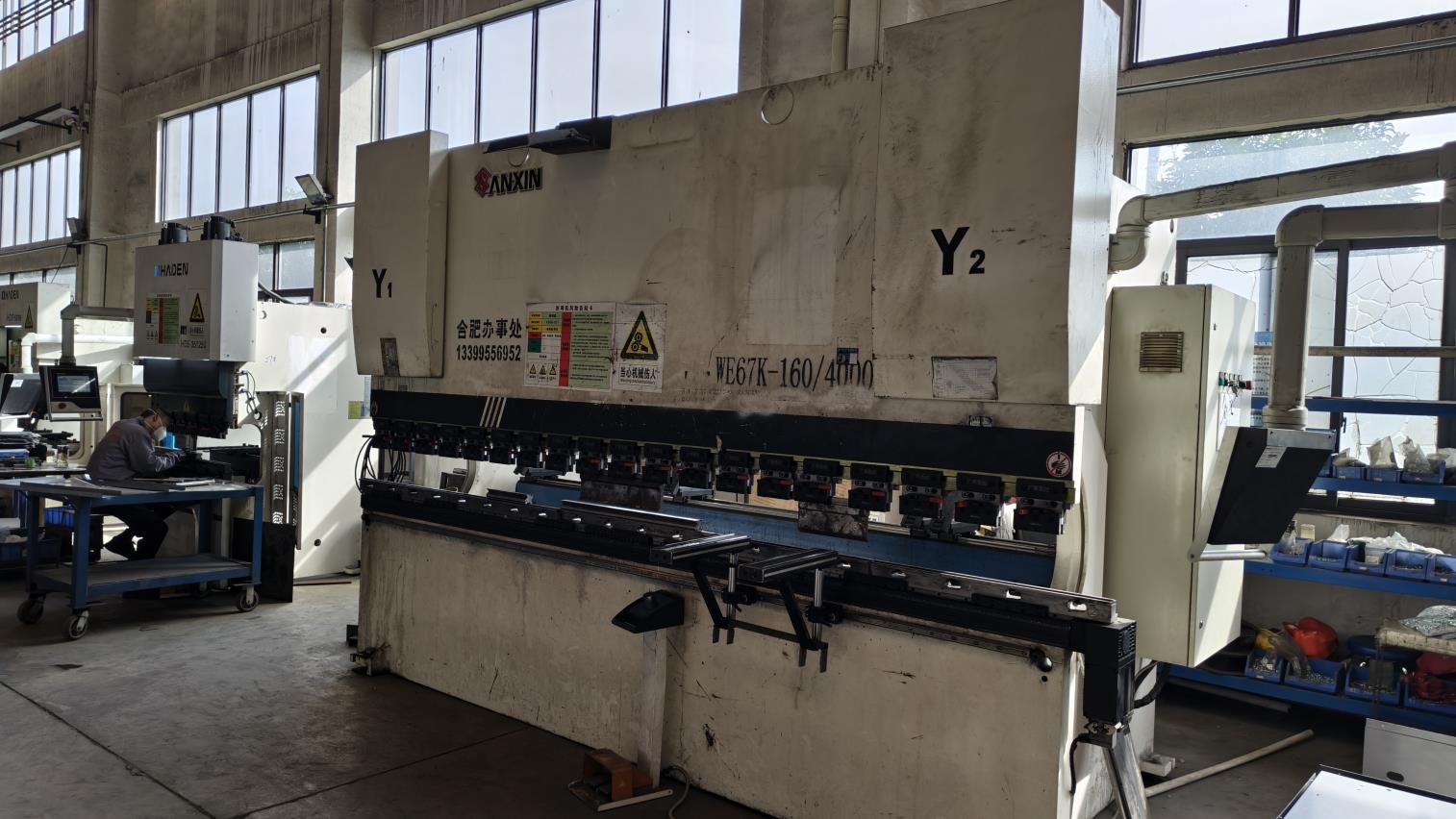
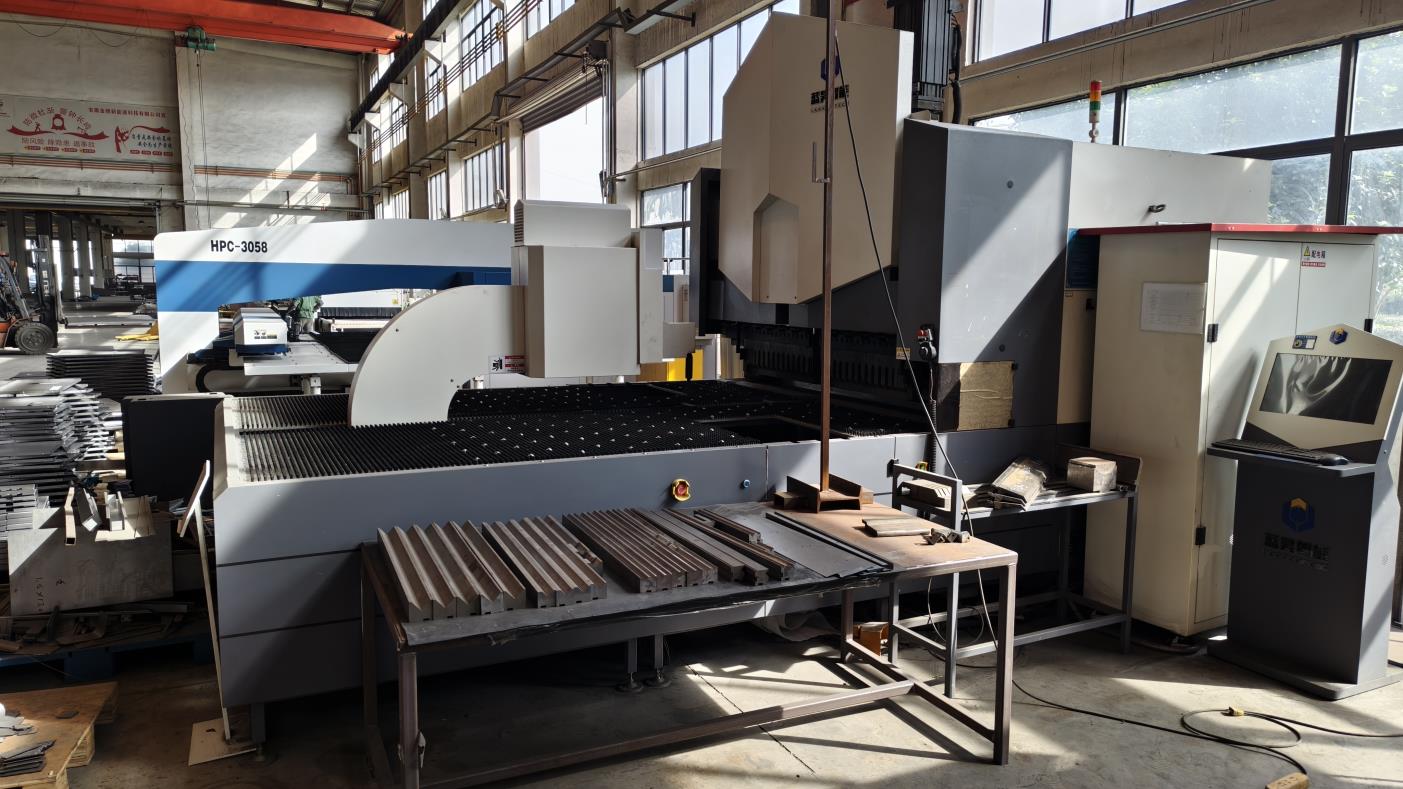
Our manufacturing facility covers an area of over 11,500 square meters and is equipped with 7 advanced production lines, more than 100 automated production machines, and a skilled workforce of over 150 employees. With strong production capacity and efficient management systems, our annual output value exceeds USD 20 million.
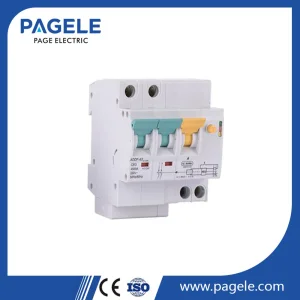
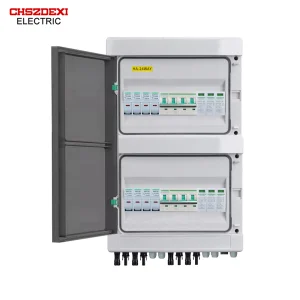
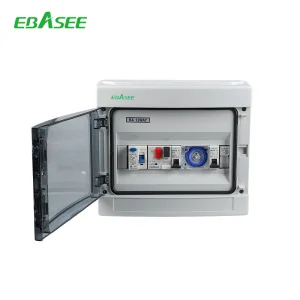
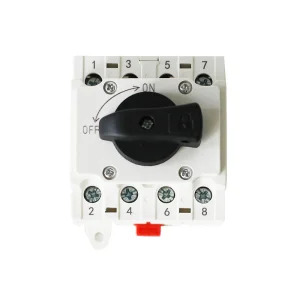
Phlox Energy specializes in the production of DC miniature circuit breakers (MCBs), surge protective devices (SPDs), photovoltaic fuses, solar connectors, DC isolator switches, distribution boxes, combiner boxes, and other solar power system components. Our products are widely used in residential, commercial, and industrial photovoltaic installations around the world.
Quality is at the core of everything we do. Our products are manufactured in strict accordance with international standards and have obtained certifications including CE, TUV, IEC, CB, and ISO 9001. Every product undergoes comprehensive quality inspections and rigorous testing procedures to ensure safety, reliability, and long-term performance in demanding environments.
Driven by continuous innovation, our experienced R&D team works closely with customers to develop customized solutions that meet evolving market requirements. We also provide OEM and ODM services, helping partners build competitive product portfolios and strengthen their market presence.
Having successfully participated in more than 3,900 solar energy projects worldwide, Phlox Energy has earned a strong reputation for premium product quality, competitive pricing, reliable delivery, and professional after-sales support. Our commitment to customer satisfaction and long-term cooperation has made us a trusted partner for distributors, installers, EPC contractors, and solar energy companies across the globe.
China's dominance in the global industrial electrical supply chain stems from structured industrial clusters, heavy capital investments in robotics, and vertical integration. In regions like Wenzhou, the raw materials—ranging from highly purified ceramic bodies to precision-engineered copper components—are sourced locally. This localized ecosystem significantly reduces lead times and material transit costs.
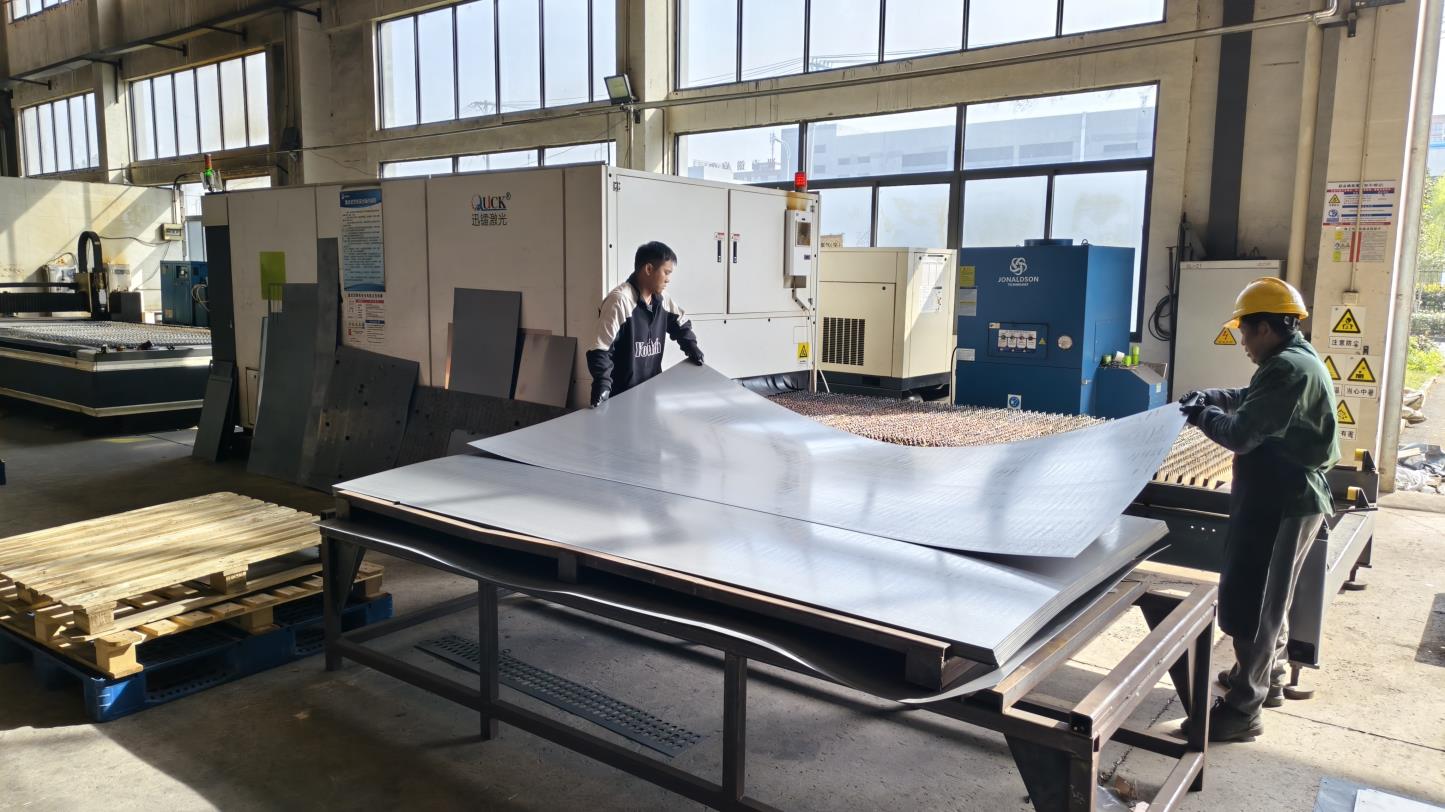
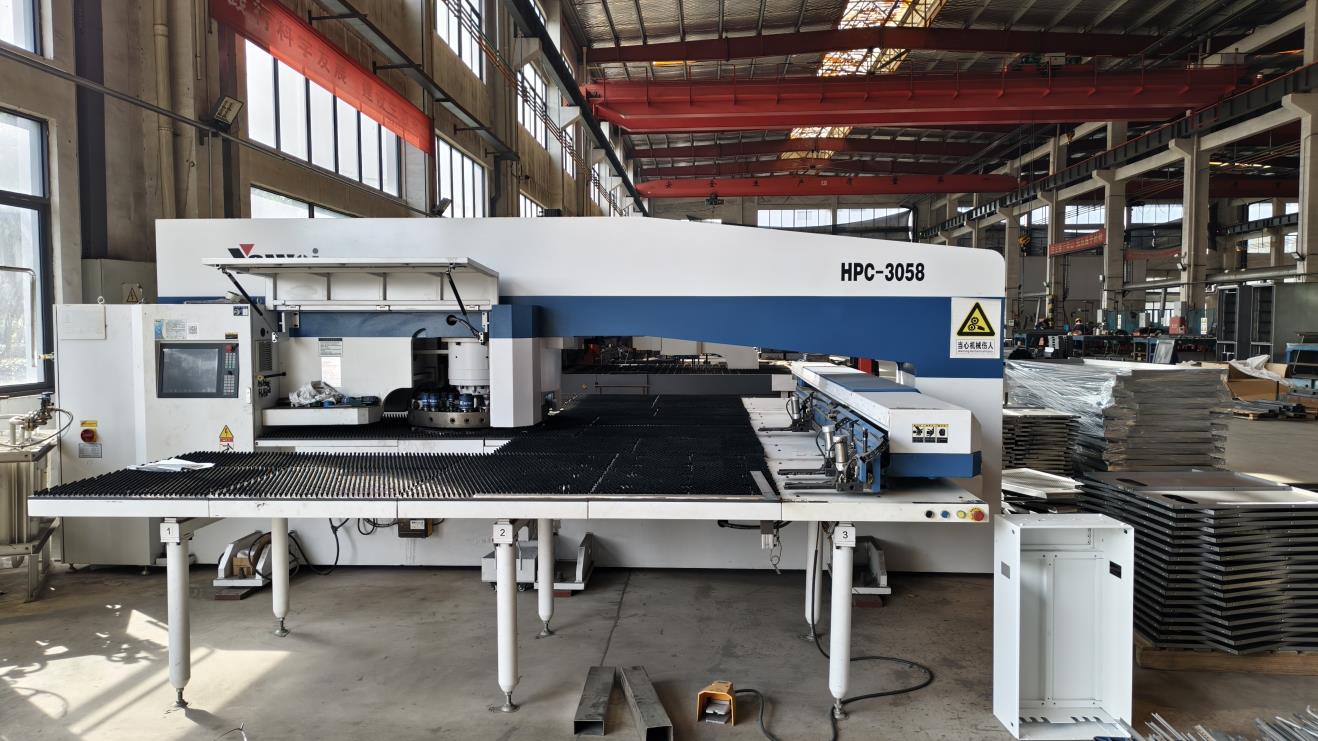
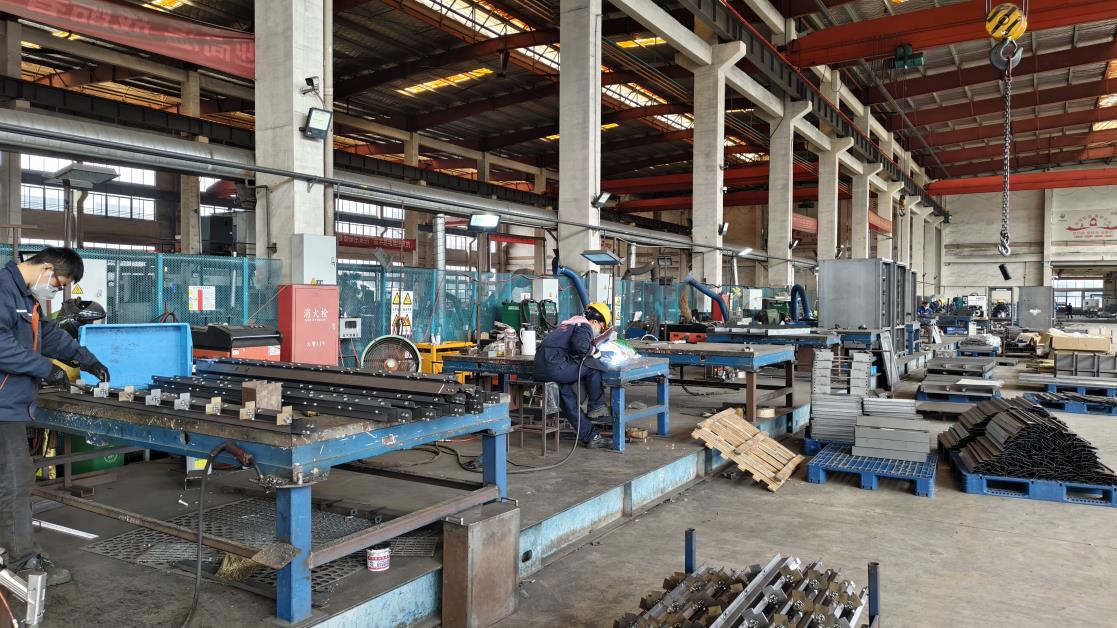
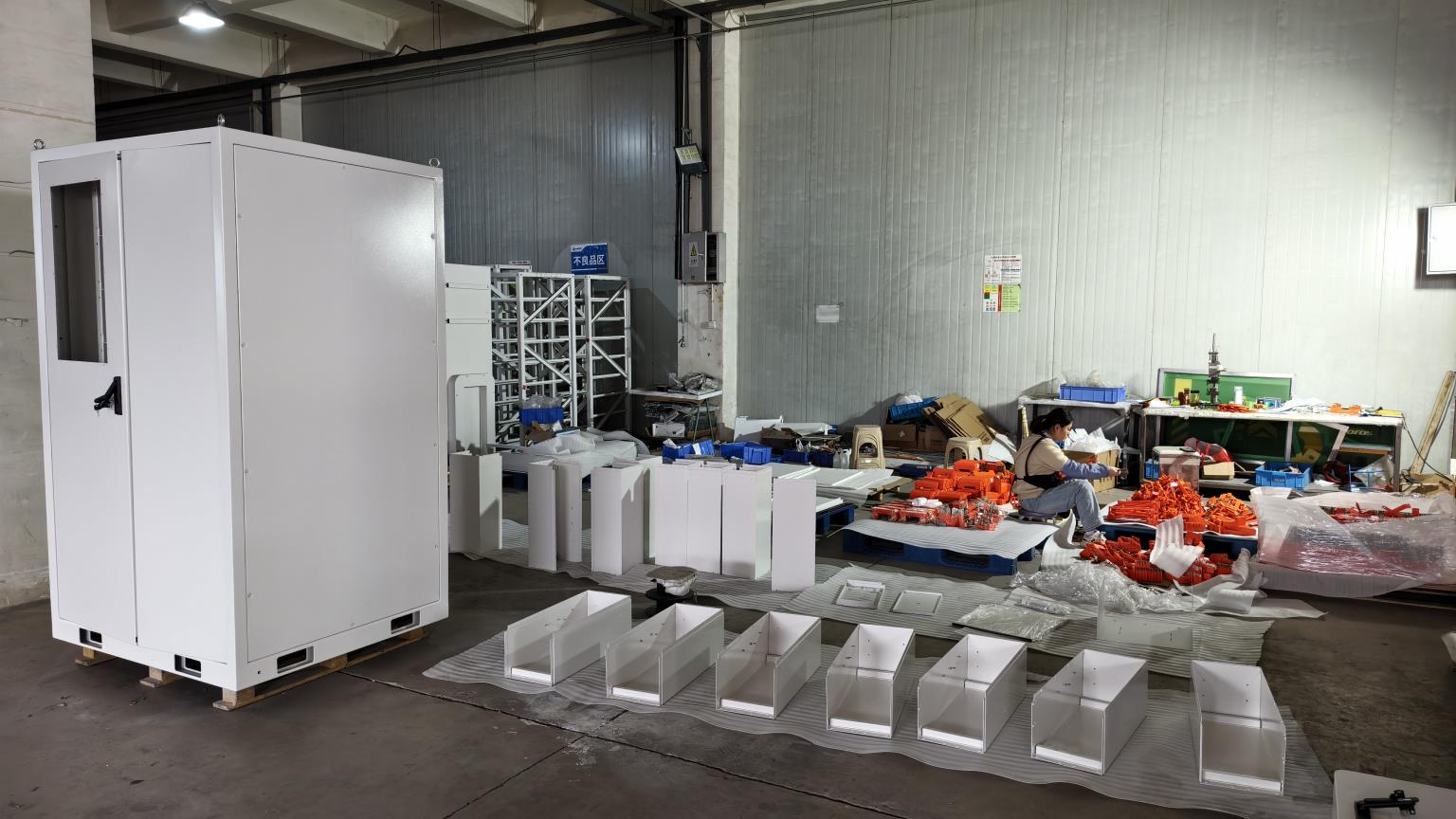
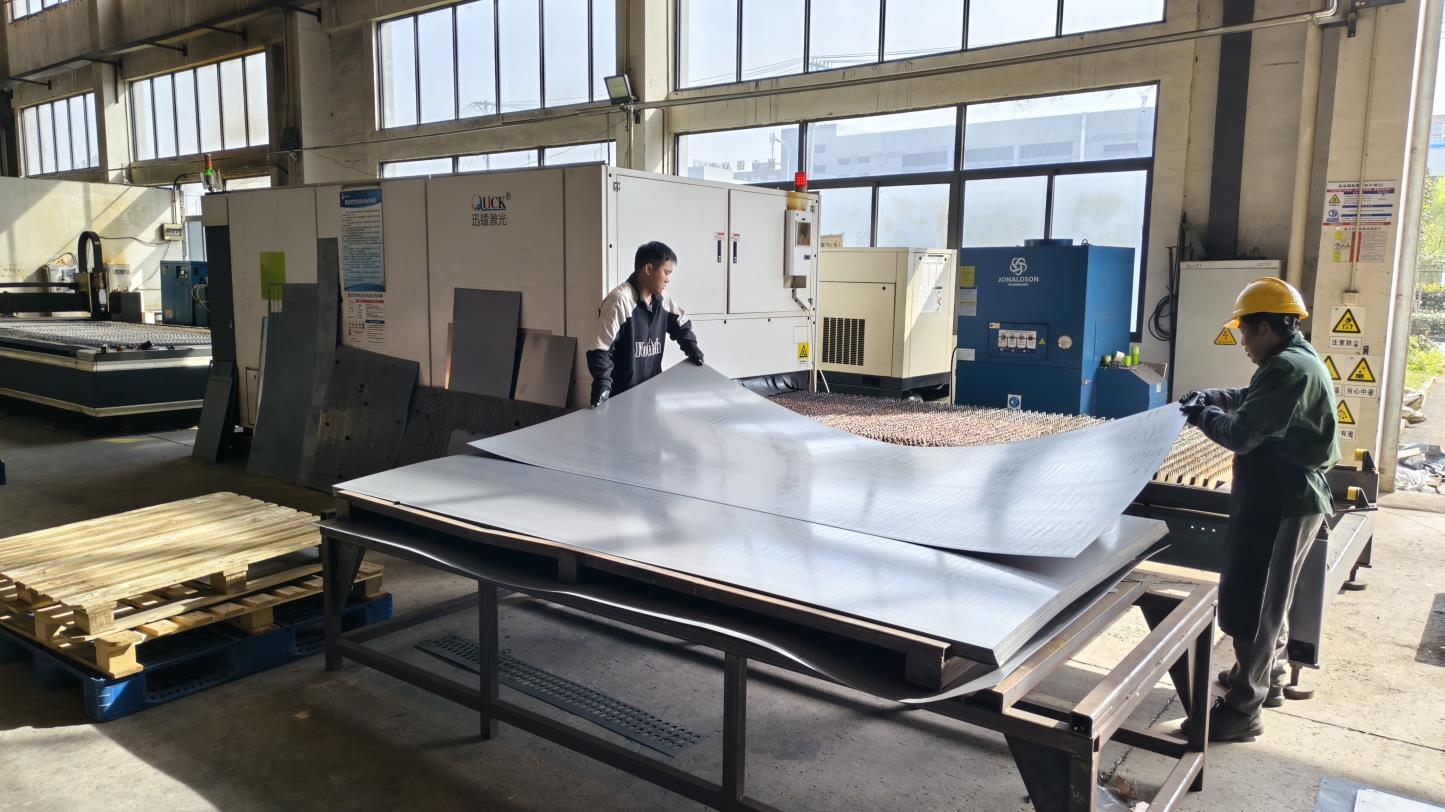
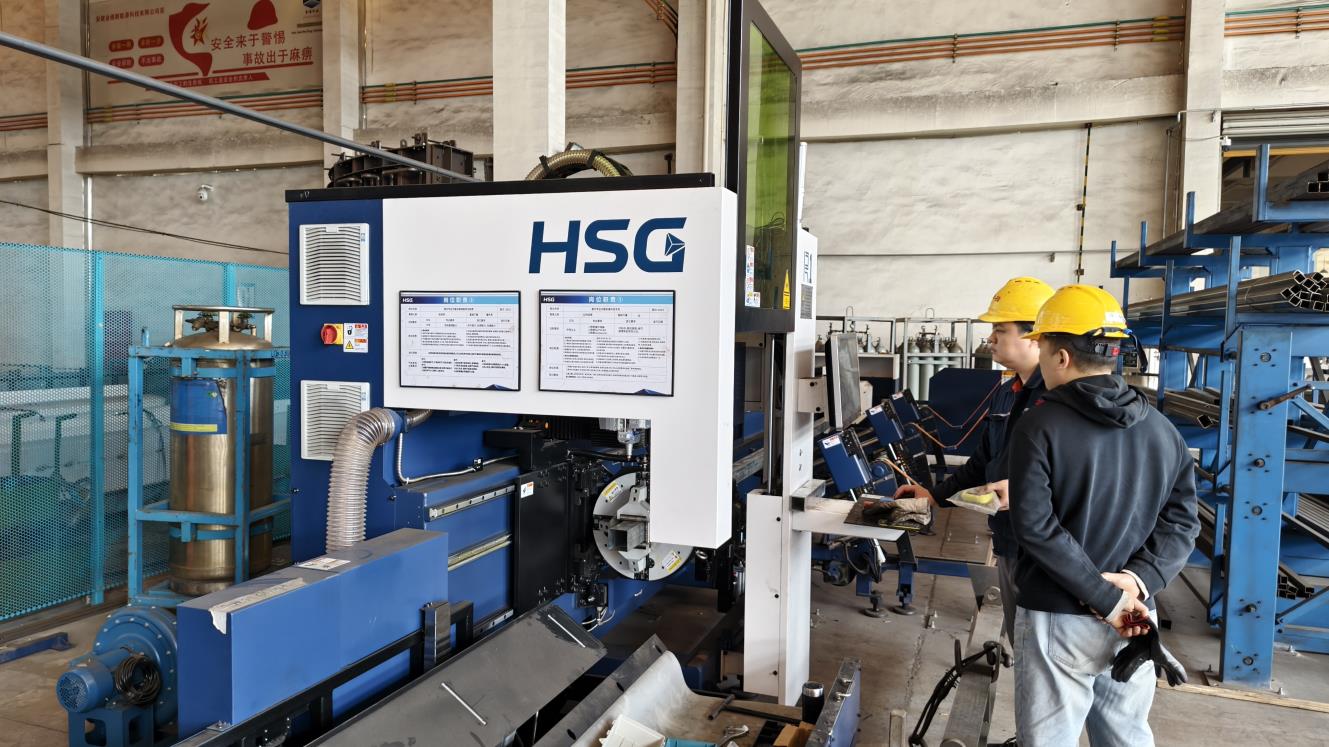
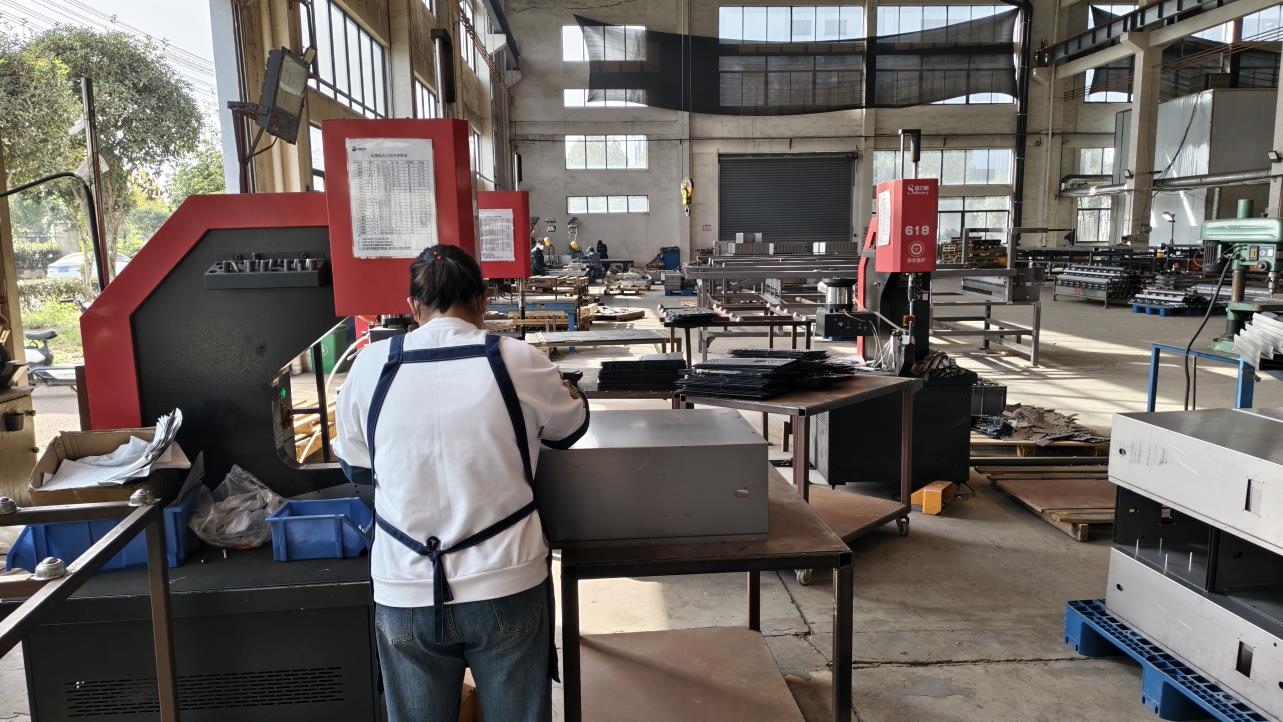
At Wenzhou Phlox Energy, our workshop layout maximizes throughput. Automated laser cutting, CNC bending, and robotic welding ensure that the housing, bases, and metallic links of our circuit protection components are fabricated to sub-millimeter tolerances. Automated assembly and calibration machines guarantee that every thermal element is calibrated to trip precisely at the prescribed time-current curves. This high-degree automation minimizes the human error typical of manual lines, yielding high reliability at a fraction of the cost found in Western counterparts.
Step inside our 11,500 square meter plant showcasing automated production, advanced testing rigs, and high-precision CNC machinery.
Different applications require distinct trip characteristics, response speeds, and voltage ratings. Modern industrial configurations present diverse environments:
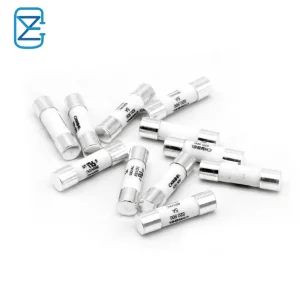
Solar string arrays generate low level overcurrents that must be cleared rapidly to avoid thermal runaway. gPV cartridge fuses (like 10x38mm links) operate optimally under DC voltages up to 1500V.
High-voltage batteries in EVs rely on ultra-fast acting semiconductor fuses. These clear electrical faults within milliseconds, protecting the primary powertrain and battery cells.
Inductive loads trigger heavy in-rush currents on start-up. Dual-element, time-delay fuses prevent nuisance tripping during peak demands while providing overload protection.
The electrical infrastructure of tomorrow is governed by digitalization, sustainability, and miniaturization. The primary industry trends are:
When sourcing industrial fuses, procurement managers and electrical engineers must scrutinize technical parameters to avoid matching errors that lead to catastrophic failures. Consider the following criteria:
Complete your protection and power distribution architecture with our premium isolator switches, combiner boxes, and surge protective devices.
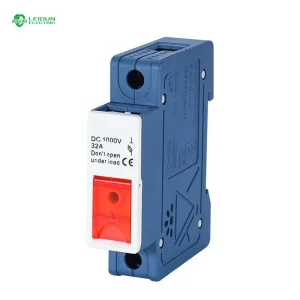
 Phlox Energy