Phlox Energy
1 / 5
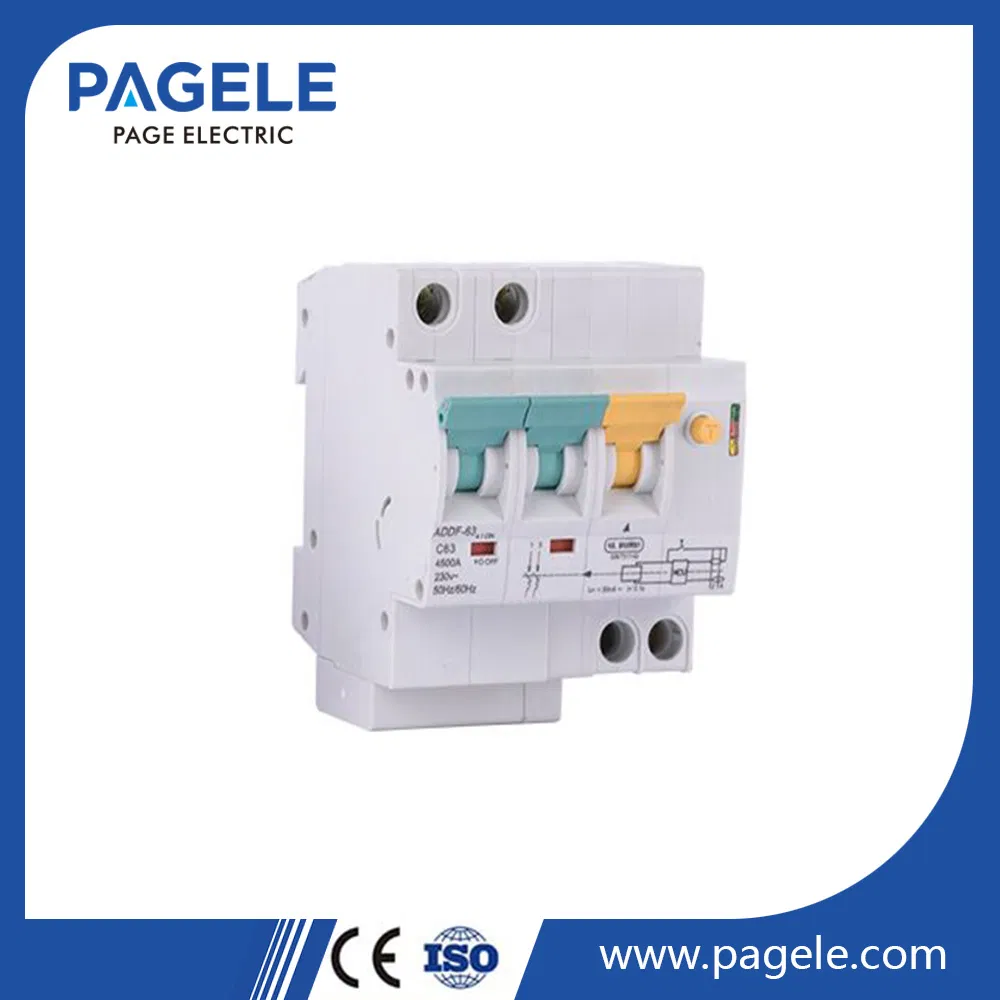
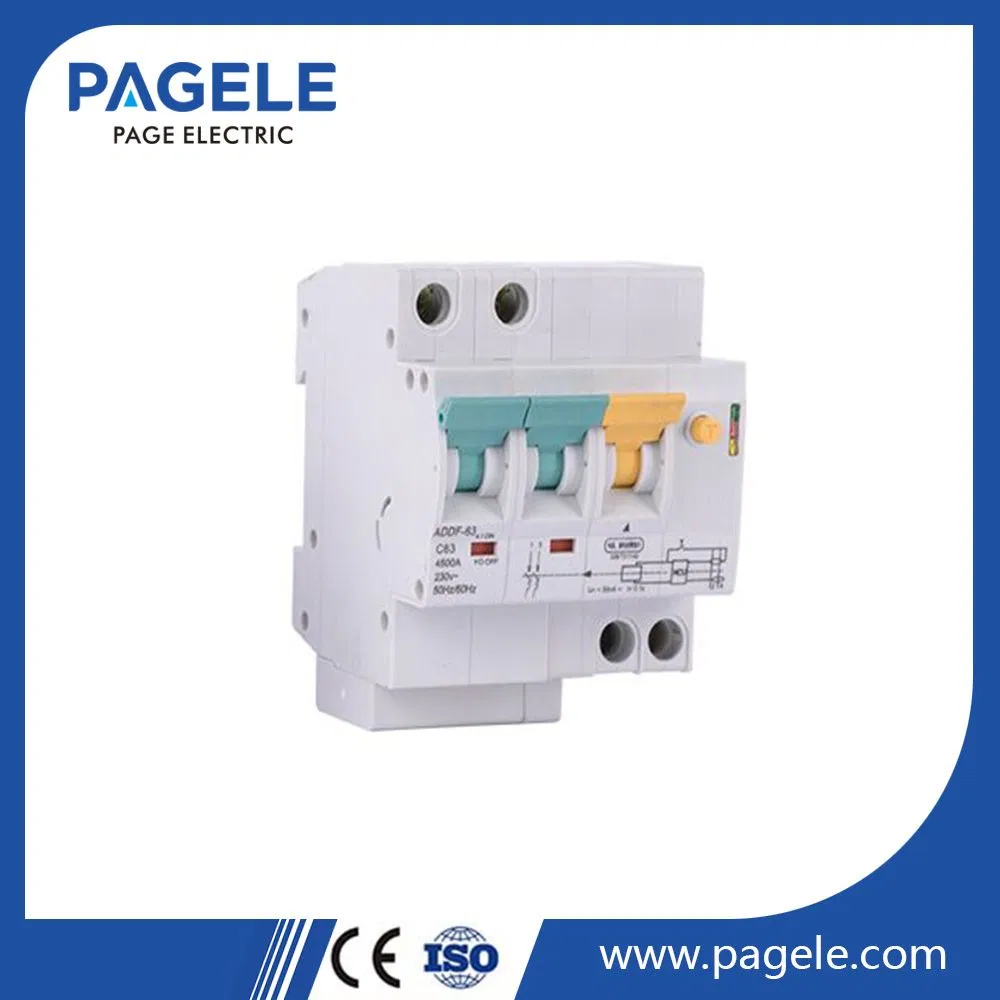
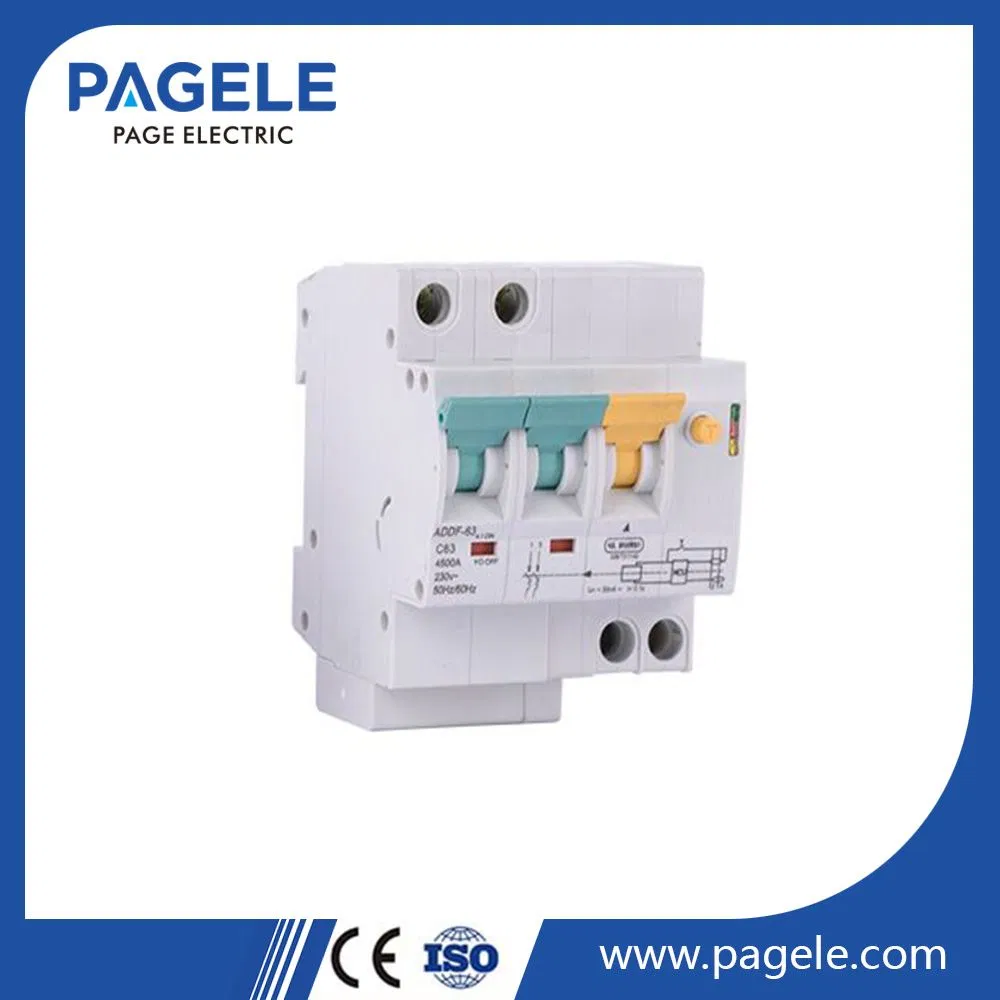
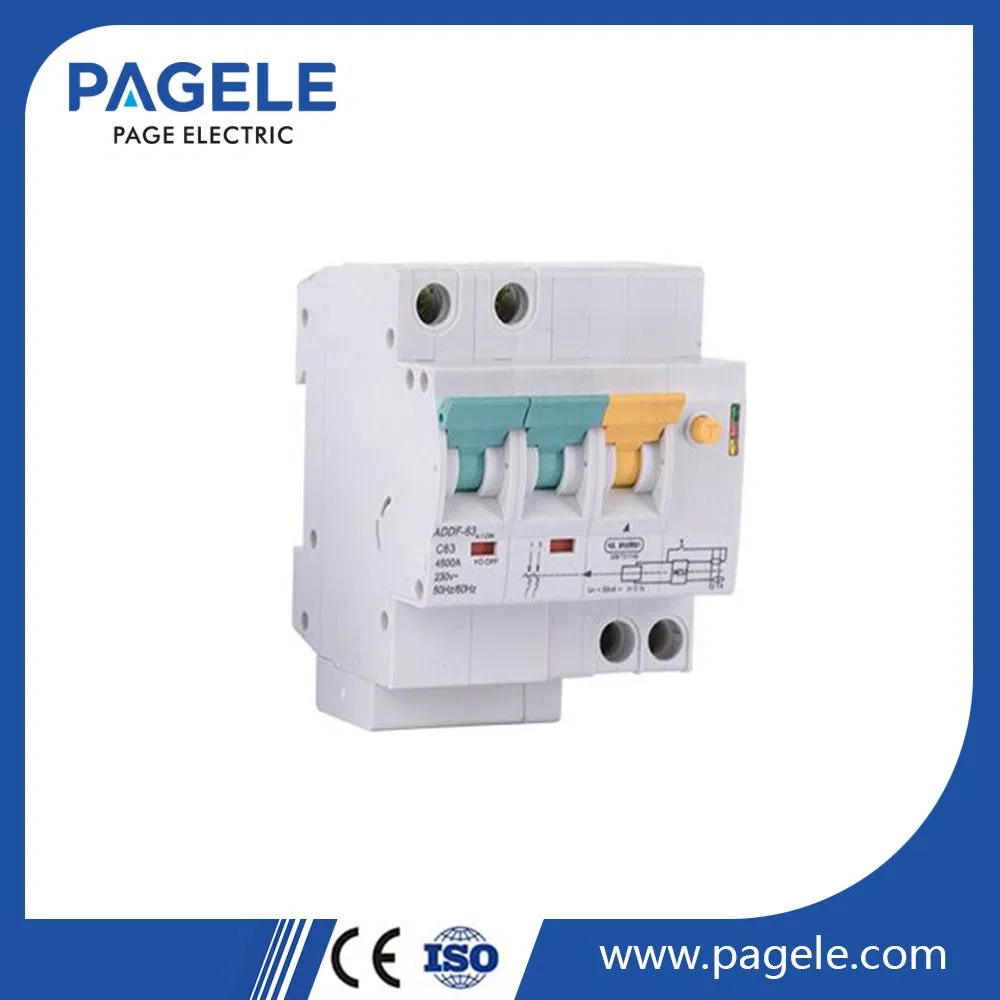
Where are we? Big of our warehouse as the following:




Arc Fault Circuit Interrupters (AFCIs) are required by the National Electrical Code for certain electrical circuits in the home. They offer significant benefits by protecting your living space from potential electrical fire hazards.
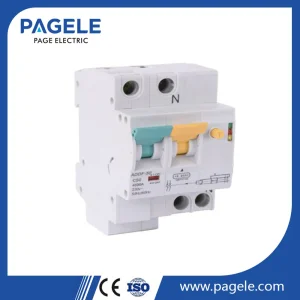
AFCIs are intended to mitigate the effects of arcing faults by functioning to de-energize the circuit when an arc fault is detected. AFCIs are required by the NEC® to be a listed product. This means that they must be evaluated by a nationally recognized testing laboratory to the national standard for AFCIs (UL 1699). NEC 210.12 establishes the requirement to use AFCIs. Protection is required for branch circuits in locations as specified in this NEC® rule.
A device intended to be installed at the origin of a branch circuit or feeder, such as at a panelboard. The branch/feeder AFCI provides for detection of arcing faults that can occur line-to-line, line-to-neutral and line-to-ground. To be able to handle shared neutral circuits (a common application in older homes), a two-pole AFCI can be used. This will accommodate the three-wire circuit arrangement used in shared neutral applications.
In addition to the protection provided by the Branch Feeder AFCI, the Combination AFCI provides for series arc detection down to 5 amperes. This series arc detection is beneficial to detect lower level arcing in both branch circuits and power supply cords. Combination AFCI protection is required by the NEC® as of January 1, 2008.
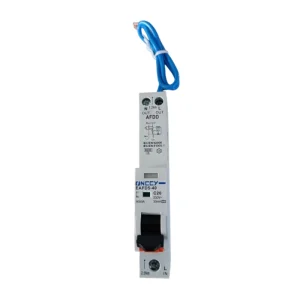
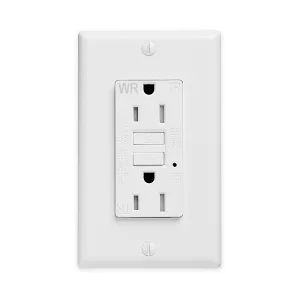
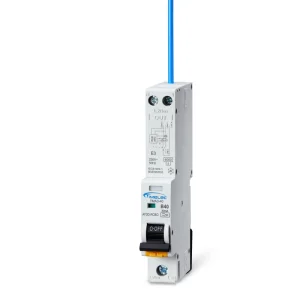
An AFCI can be used in conjunction with GFCI protection to provide both arcing fault protection as well as 5mA ground fault (people) protection. A common way to provide both types of protection is to use an AFCI circuit breaker and a GFCI receptacle. AFCIs can also incorporate 5mA GFCI protection into the same package. This solution for AFCI breaker and GFCI on the same circuit can be useful where the circuit design requires both types of protection or where the installer (or user) wants to have both types of protection.
There are no special requirements of an AFCI circuit other than proper installation and wiring practices. There are various special considerations that must be given to certain circuits that vary from the norm, such as shared neutral applications, but in general the application of a breaker AFCI is as simple as following the installation instructions that come from the manufacturer.
The basic difference between installing the breaker AFCI versus a standard thermal magnetic circuit breaker is the requirement to connect both the hot and neutral conductor to the proper terminals of the breaker AFCI. In a circuit wired with a conventional circuit breaker, the hot conductor is connected to the breaker and the neutral conductor is connected directly to the neutral bar of the load center.
When Ground Fault Circuit Interrupters (GFCIs) were introduced in the 1970s, similar discussions took place regarding the cost/benefit to the consumer, homebuilder and others. GFCIs have been a standard requirement in homes for over 30 years with additional locations and circuits being added over time as well. GFCI also has a statistical track record over time as to the reduction of electrocutions. On an annualized basis, in 1983, there were almost 900 electrocutions total per year with approximately 400 being consumer product related. Ten years later, the total was reduced to 650 annually and slightly over 200 consumer product electrocutions annually.
With over 20 years of history, statistically based analysis of GFCIs was built on a solid foundation of data. AFCIs are new and have only been installed in new construction on bedroom circuits for a few years. As with all products, given time, they too will be able to provide a solid statistical base of measure.
Some have argued that it should be shown how many times an AFCI has "prevented" a fire from occurring. Of course, this is not a feasible request. The AFCI disconnects the power when an arc fault occurs, therefore no incidence of fire or arc is reported to authorities. The same can be true when a smoke alarm siren alerts the homeowner and the small smoking event is extinguished without incident. Is that statistic reported to the Federal Government or local fire department? Of course not. Safety prevention is just that ... prevention. The only statistics that are reported are those that have resulted in a fire or a response of a fire department. Many safety protection actions go unreported.
If we are to offer consumers a safer home, then the appropriate technology should be put into place. Removing AFCI as a local or state code requirement is reducing safety requirements. These rules are established by a national body of experts that have heard testimony from many sources as well as reviewed a significant amount of data to make their recommendation. Shouldn't we trust the safety experts that develop our safety procedures?
An arc fault is an unintended arc created by current flowing through an unplanned path. Arcing creates high intensity heating at the point of the arc resulting in burning particles that may easily ignite surrounding material, such as wood framing or insulation. The temperatures of these arcs can exceed 10,000 degrees Fahrenheit.
An AFCI is designed to detect a wide range of arcing electrical faults to help reduce the electrical system from being an ignition source of a fire. Conventional overcurrent protective devices do not detect low level hazardous arcing currents that have the potential to initiate electrical fires which can cause significant property damage and safety risks.
Unlike standard circuit breakers, an AFCI utilizes advanced electronic technology to monitor the circuit for the presence of "normal" and "dangerous" arcing conditions. It constantly analyzes the characteristics of the electrical current and determines if it is a hazardous event, de-energizing the circuit when an arc fault is detected.
The function of the GFCI is to protect people from the deadly effects of electric shock that could occur if parts of an electrical appliance or tool become energized due to a ground fault. The function of the AFCI is to protect the branch circuit wiring from dangerous arcing faults that could initiate an electrical fire.
AFCIs provide a higher level of protection than standard circuit breakers. They detect and remove hazardous arcing conditions before they can become fire hazards. This technology was specifically developed in response to electrical issues identified as major causes of fires in homes.
Absolutely. Just like placing locks on all external doors and windows for security, it is logical to request AFCI protection on all 15 and 20A branch circuits to protect the entire home from electrical arcing ignition hazards, regardless of local minimal requirements.