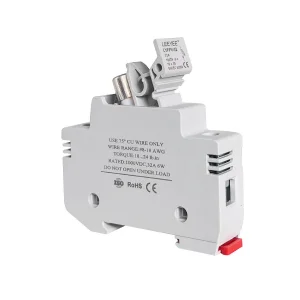
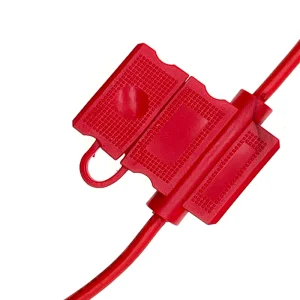
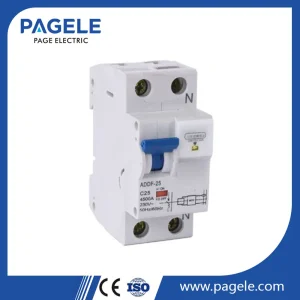
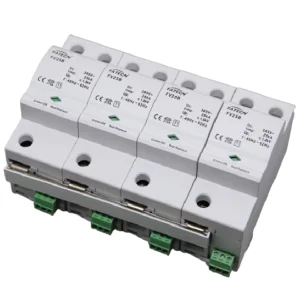
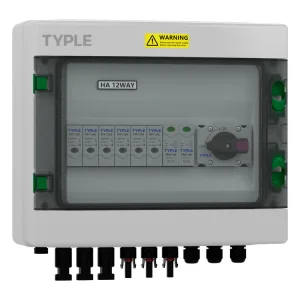
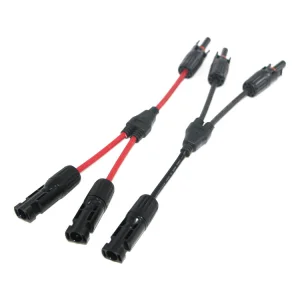
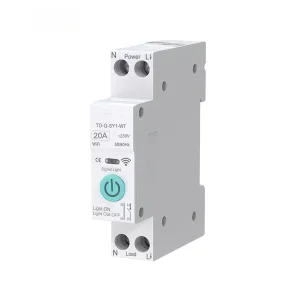
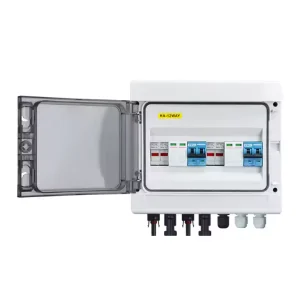
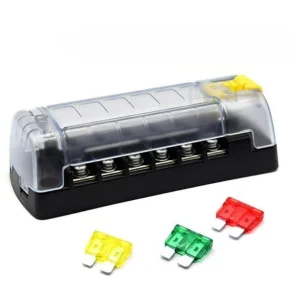
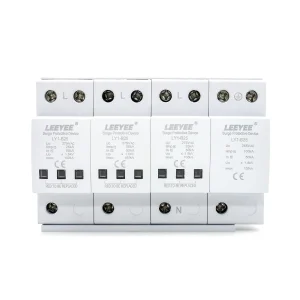
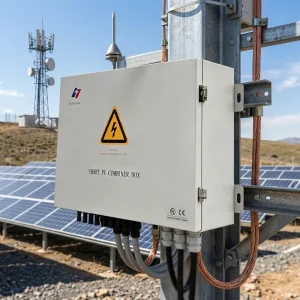
Explore our industrial-grade, certified PV combiner box units, fuse holders, switches, and surge protective devices (SPD) engineered for high reliability.
Critical market shifts transforming modern electricity grids and renewable energy protection architectures.
As utility-scale photovoltaic installations transit from 1000V DC to 1500V DC architectures, the demands on Surge Protection Devices (SPDs) have scaled exponentially. High-voltage DC topologies generate significantly higher energy arcs during fault clearances. Modern surge protection modules must employ advanced Metal Oxide Varistor (MOV) configurations coupled with fast-acting Gas Discharge Tubes (GDT) and specialized thermal disconnection mechanisms. This prevents catastrophic failures and ensures safe residual current clearance without degradation over repetitive high-energy transients.
The global surge protection industry is moving away from passive components towards active, smart diagnostic systems. Standard window status indicators are being replaced by microprocessors and communication buses (Modbus, RS485, and dry contacts) integrated directly within the DIN-rail modules. These smart modules monitor varistor leakage currents, real-time operating temperatures, and count transient strikes. This enables predictive maintenance scheduling, allowing operators to swap modular cartridges before end-of-life failures happen.
Extreme weather patterns globally have forced regulatory updates. Structural upgrades require lightning protection to withstand Type 1 (10/350 µs waveform) direct strikes and Type 2 (8/20 µs waveform) induced switching transients. Systems must maintain structural compliance under strict IEC 61643-11, IEC 61643-31, and UL 1449 4th Edition standards, requiring suppliers to test, audit, and verify batch-level safety factors thoroughly.
A rigorous checklist for procurement directors, EPC contractors, and global system integrators.
For industrial B2B buyers, the key metrics of a surge protection module are its nominal discharge current ($I_n$), maximum discharge current ($I_{max}$), and voltage protection level ($U_p$). Low-quality varistors degrade rapidly when exposed to continuous operating voltages ($U_c$), leading to thermal runaway. Sourcing from verified manufacturers who utilize high-purity metal oxides ensures that leakage currents remain minimal (< 20 µA), extending the operational lifespan of the equipment to over 10-15 years.
DIN-rail pluggable designs are crucial for reducing Mean Time to Repair (MTTR). During a major transient surge event, the cartridge should absorb the energy and fail safely. A clear visual status indicator (typically Green for Normal, Red for Replace) alongside auxiliary alarm remote signaling allows field operators to hot-swap cartridges without disconnecting the entire distribution panel wiring, protecting continuous plant operations.
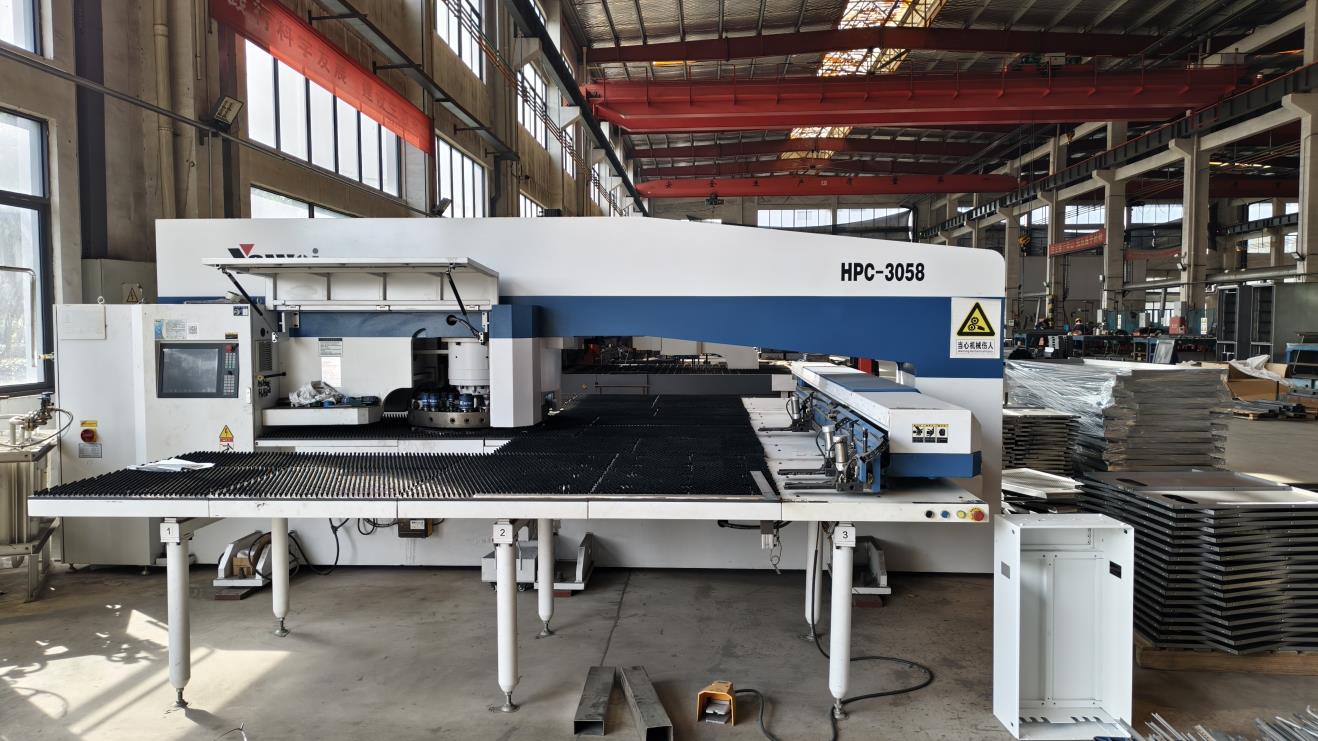
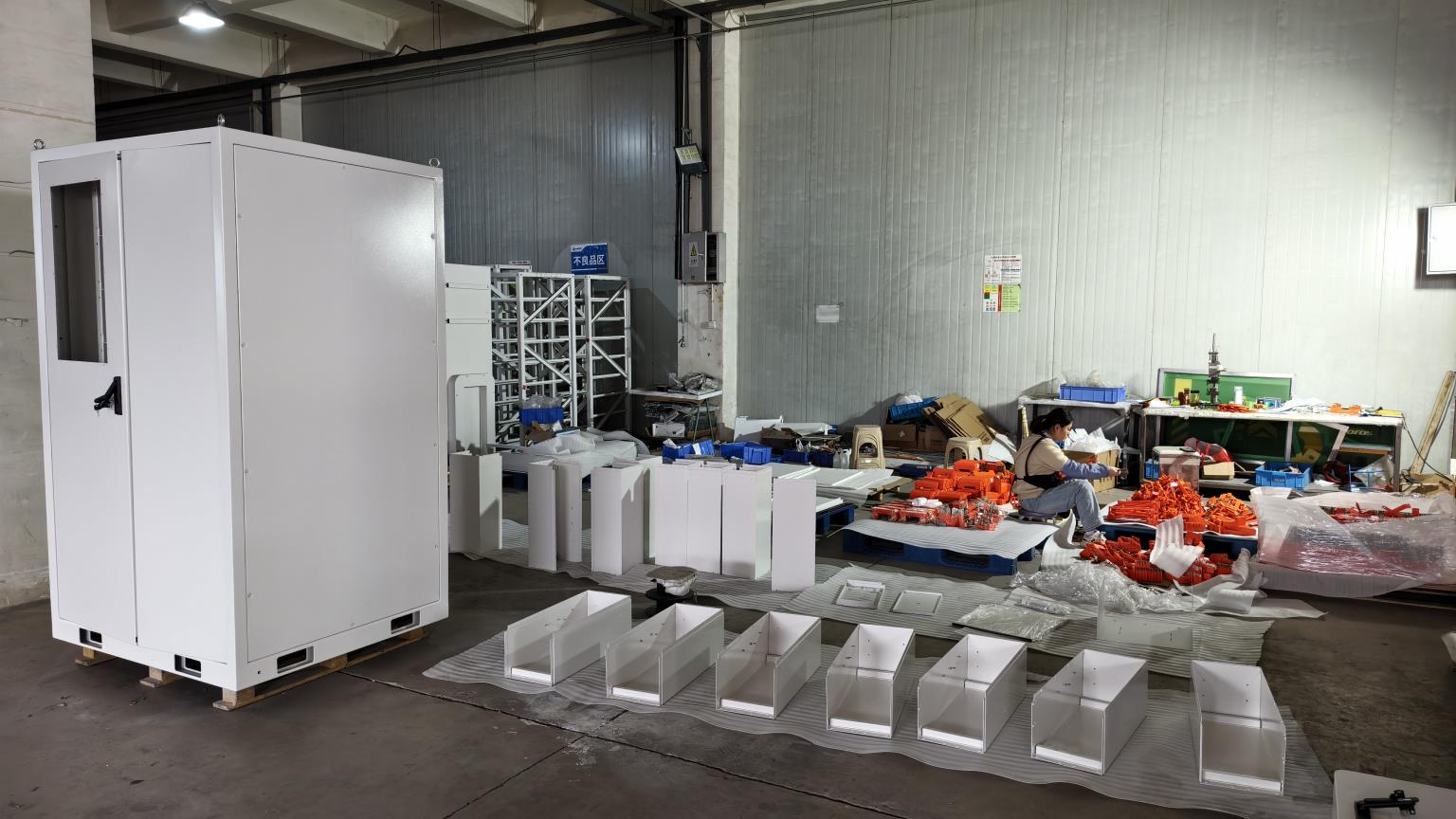
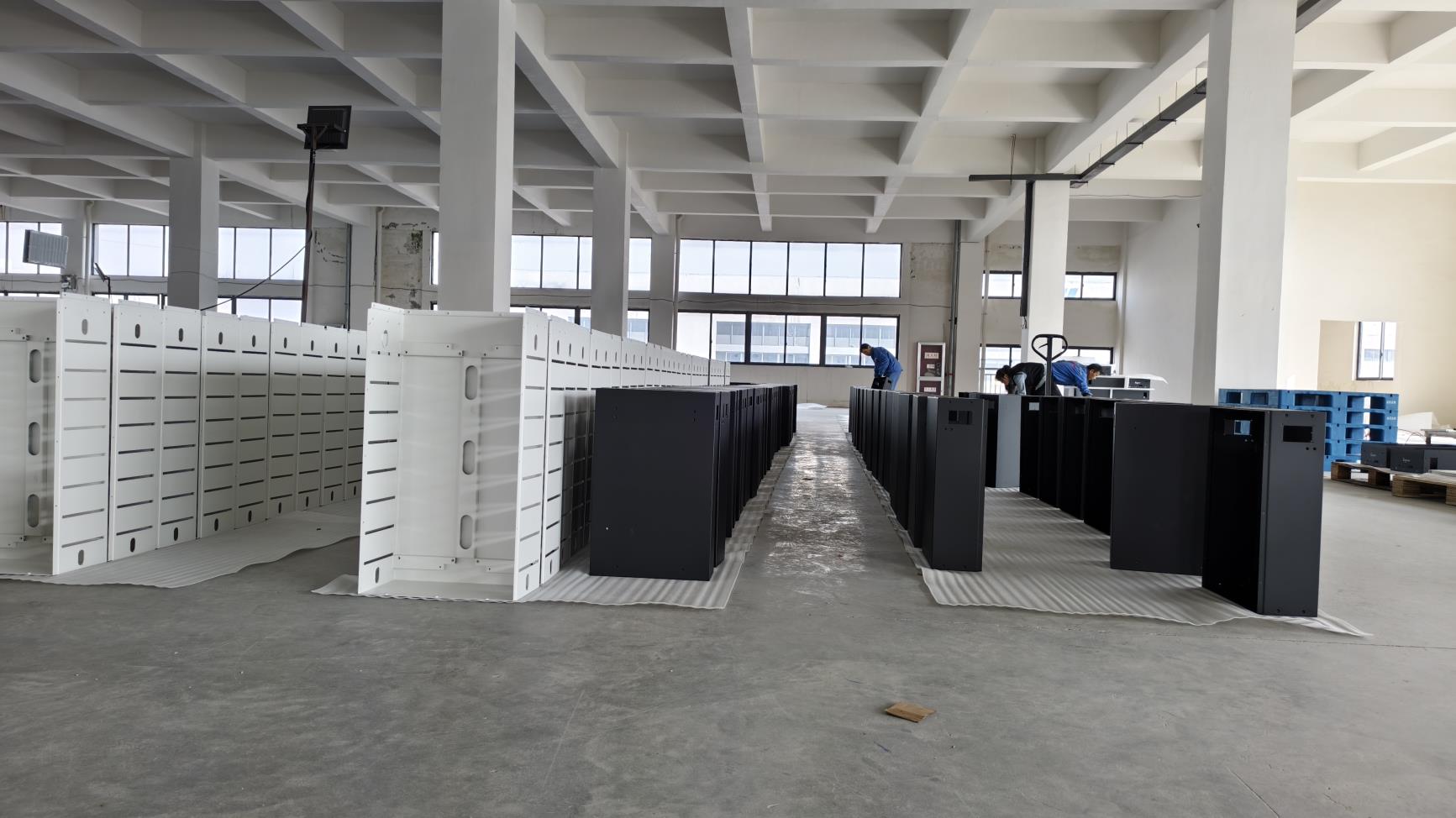
State-of-the-Art Factory Area
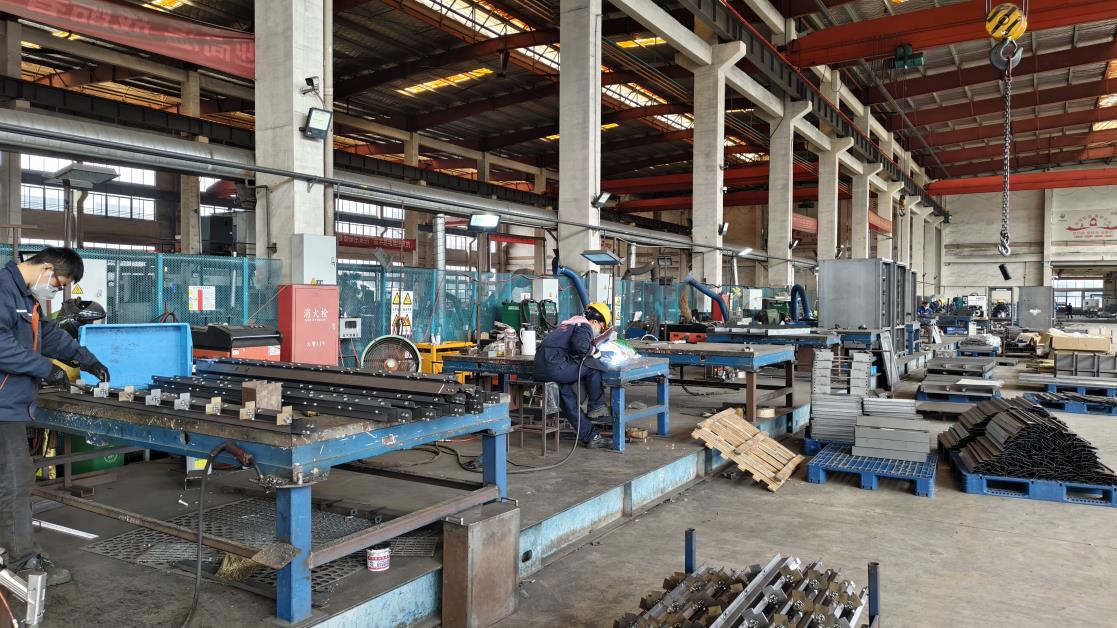
Advanced Automated Production
Global Solar Projects Completed
Annual Production Output Value
Custom electrical protection architectures designed for harsh operating environments and high-risk applications.
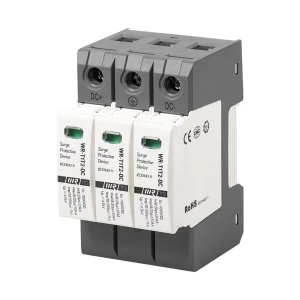
For utility photovoltaic systems, central and string inverters are highly sensitive to surges induced by lightning on long external cable runs. We supply custom DIN-rail surge protectors rated up to 1500V DC with high IP65-rated distribution boxes. Coupled with fast-clearing fuse links, this configuration protects tracking systems, inverters, and DC combiners against severe transient spikes, maintaining operational uptime.
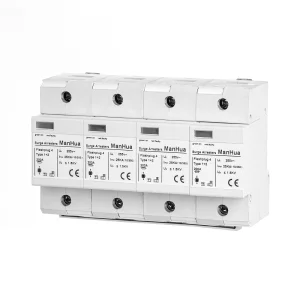
Heavy machinery and inductive load switching generate high-voltage switching surges (Type 2 & Type 3 transients) inside factory walls. Our three-phase AC SPDs (up to 255V/440V) use spark gap and MOV hybrid technology. They absorb local grid distortions, protecting PLCs, variable frequency drives (VFDs), and control circuits from data corruption and semiconductor breakdowns.
5G base stations, data centers, and remote telecom repeaters are vulnerable due to tall, exposed steel structures. Our high-discharge surge protection modules are integrated at the primary AC feed and DC output sides. This provides multi-level insulation coordination to prevent system outages and maintain continuous communication lines.
A professional manufacturer and supplier specializing in solar photovoltaic protection and electrical connection solutions.
Wenzhou Phlox Energy Co., Ltd. is a professional manufacturer and supplier specializing in solar photovoltaic protection and electrical connection solutions. With more than 10 years of industry experience, we are dedicated to the research, development, production, and innovation of high-quality solar accessories and low-voltage electrical products for global renewable energy markets.
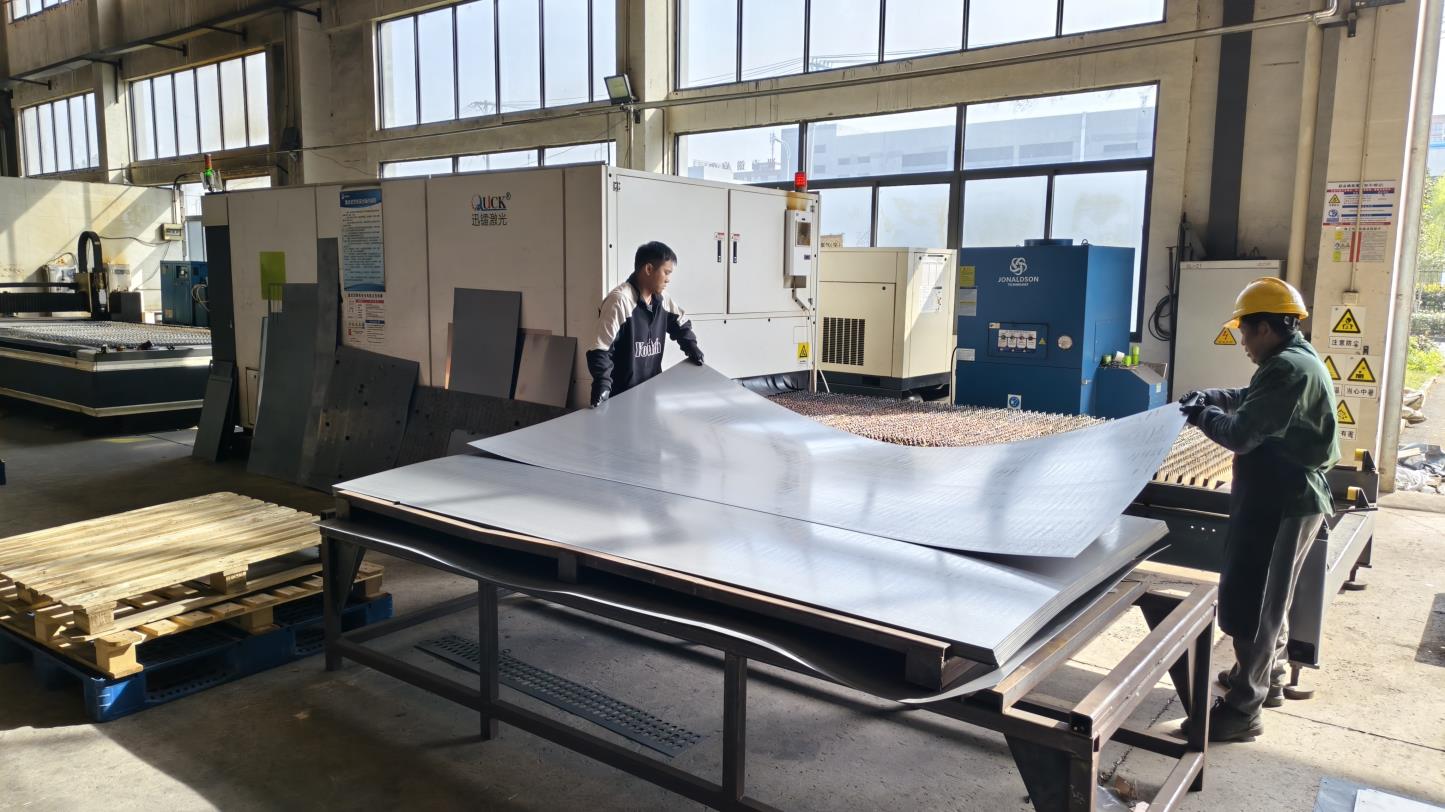
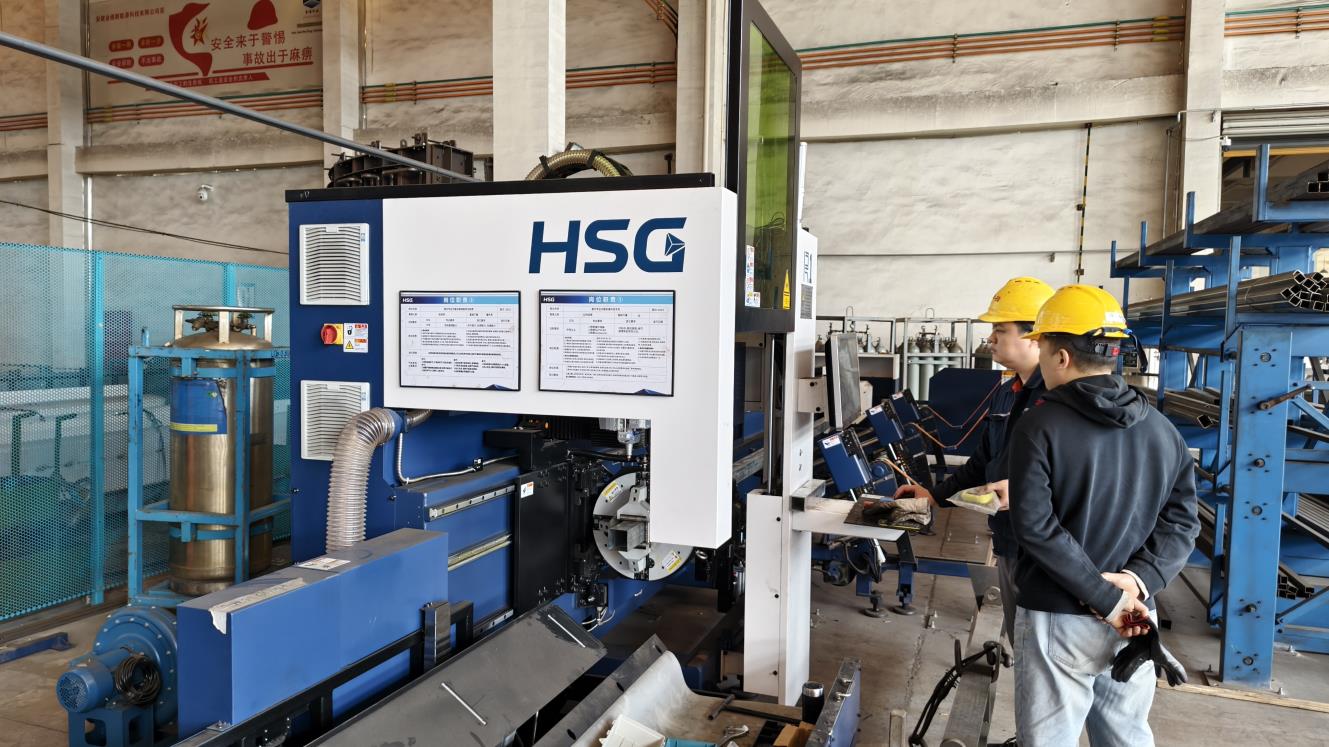
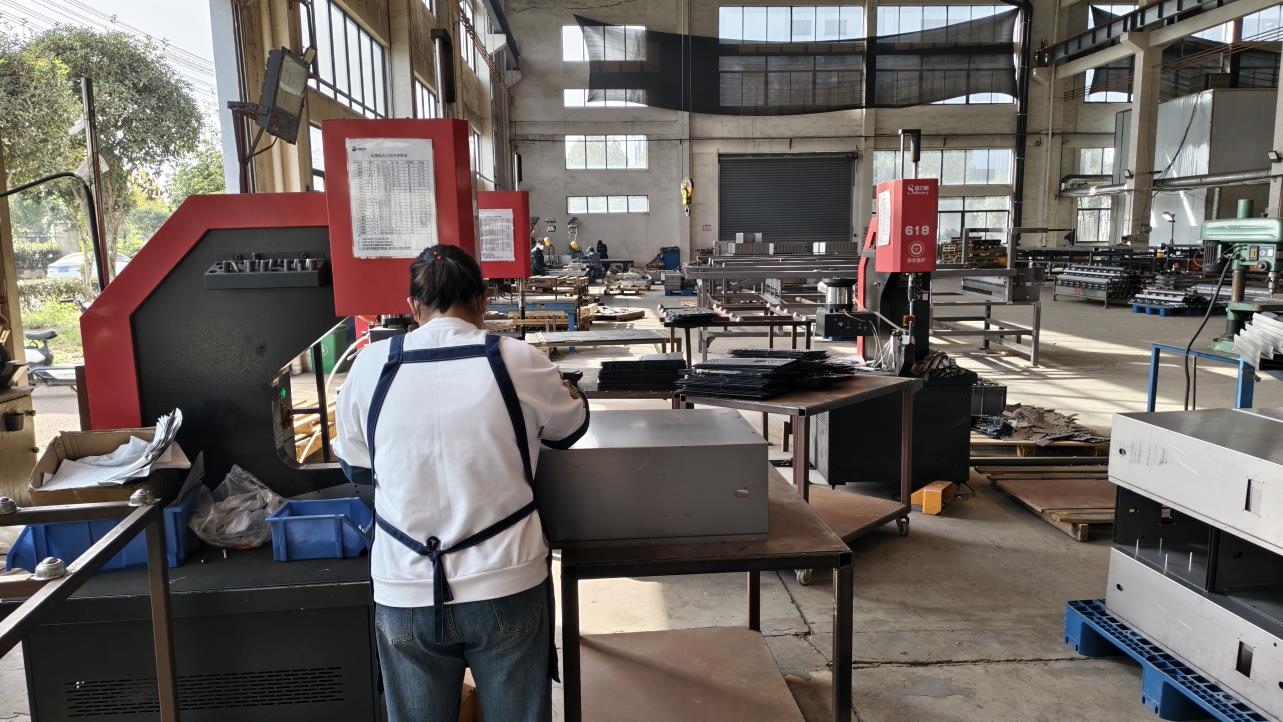
Our manufacturing facility covers an area of over 11,500 square meters and is equipped with 7 advanced production lines, more than 100 automated production machines, and a skilled workforce of over 150 employees. With strong production capacity and efficient management systems, our annual output value exceeds USD 20 million.
Phlox Energy specializes in the production of DC miniature circuit breakers (MCBs), surge protective devices (SPDs), photovoltaic fuses, solar connectors, DC isolator switches, distribution boxes, combiner boxes, and other solar power system components. Our products are widely used in residential, commercial, and industrial photovoltaic installations around the world.
Quality is at the core of everything we do. Our products are manufactured in strict accordance with international standards and have obtained certifications including CE, TUV, IEC, CB, and ISO 9001. Every product undergoes comprehensive quality inspections and rigorous testing procedures to ensure safety, reliability, and long-term performance in demanding environments.
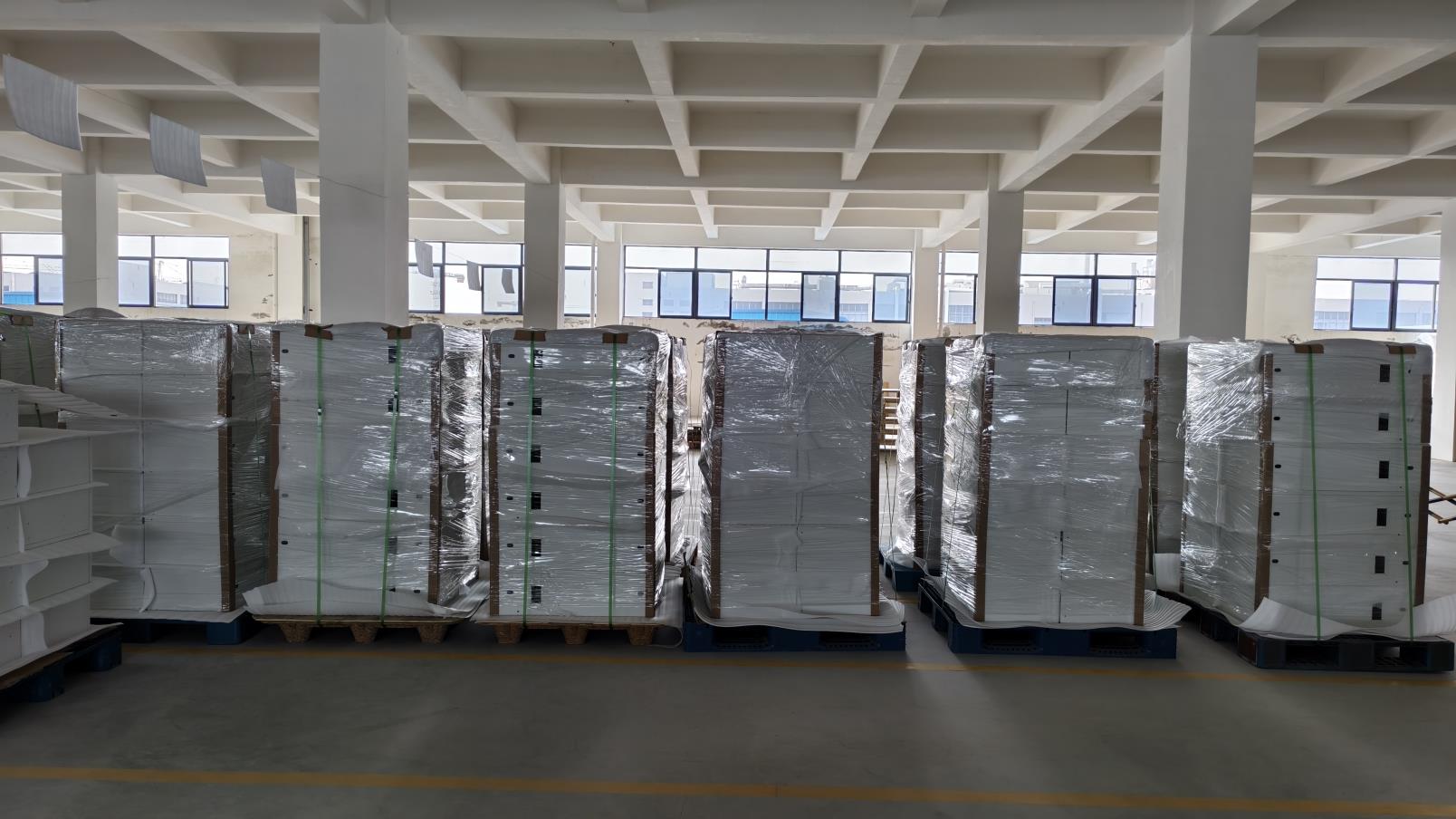
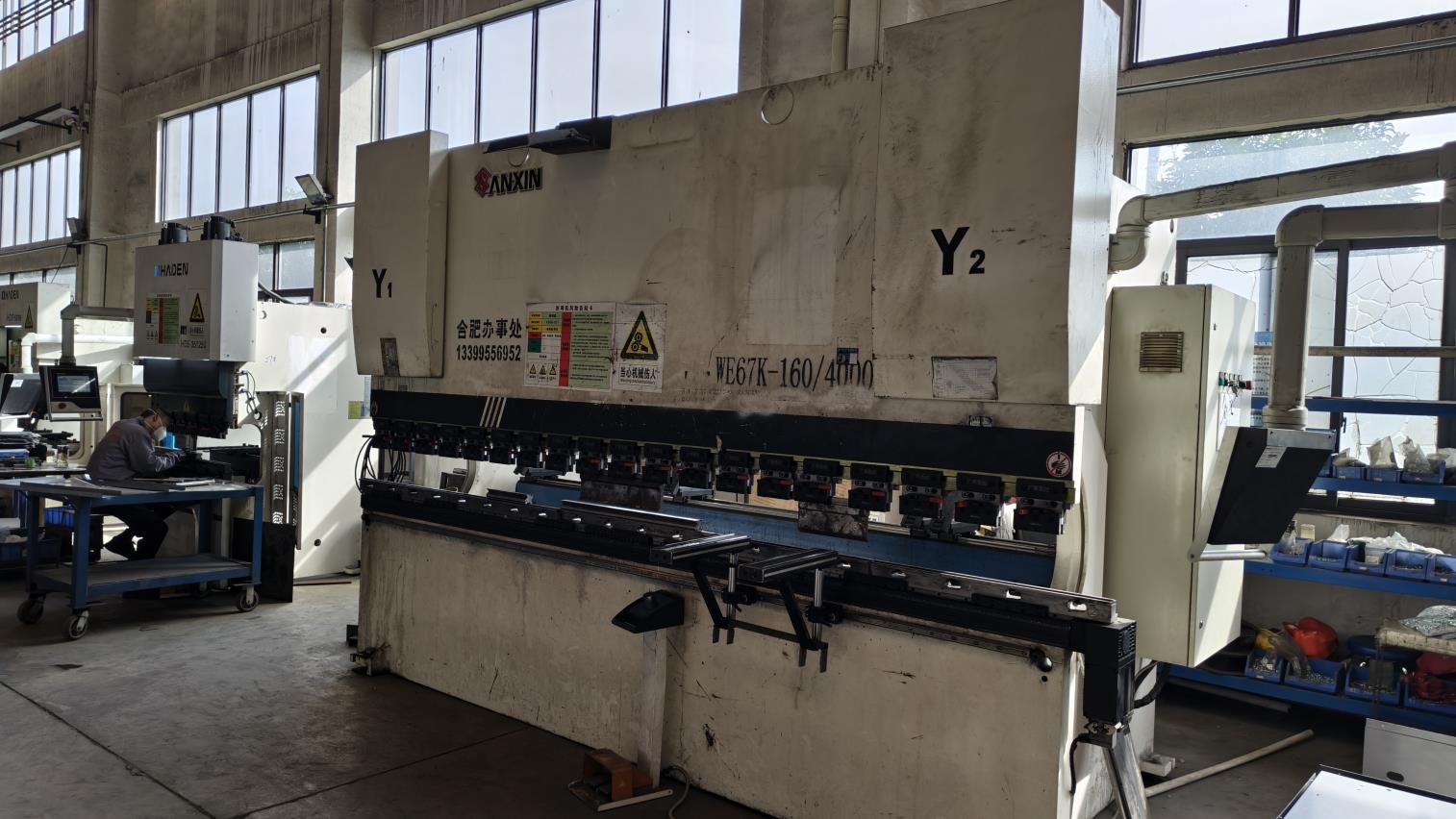
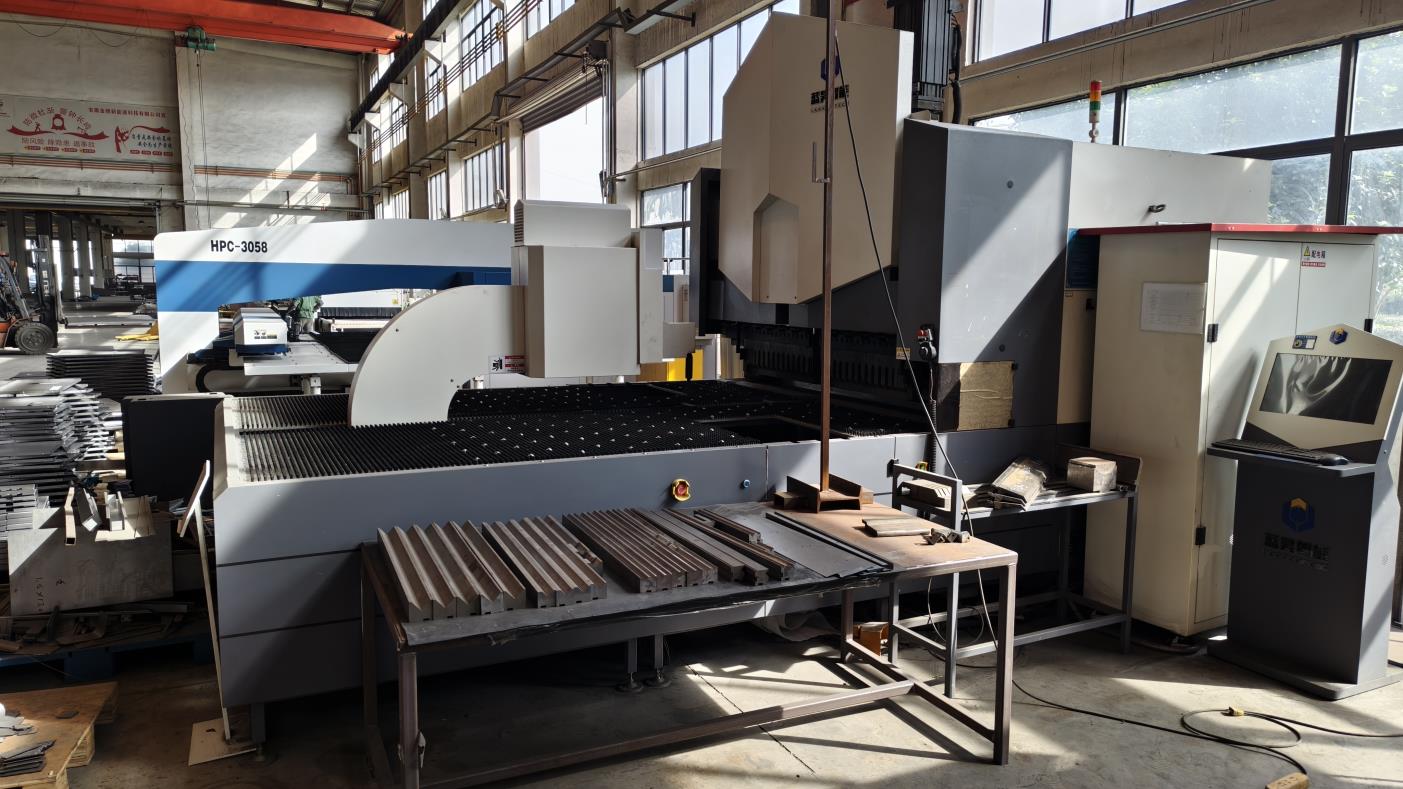
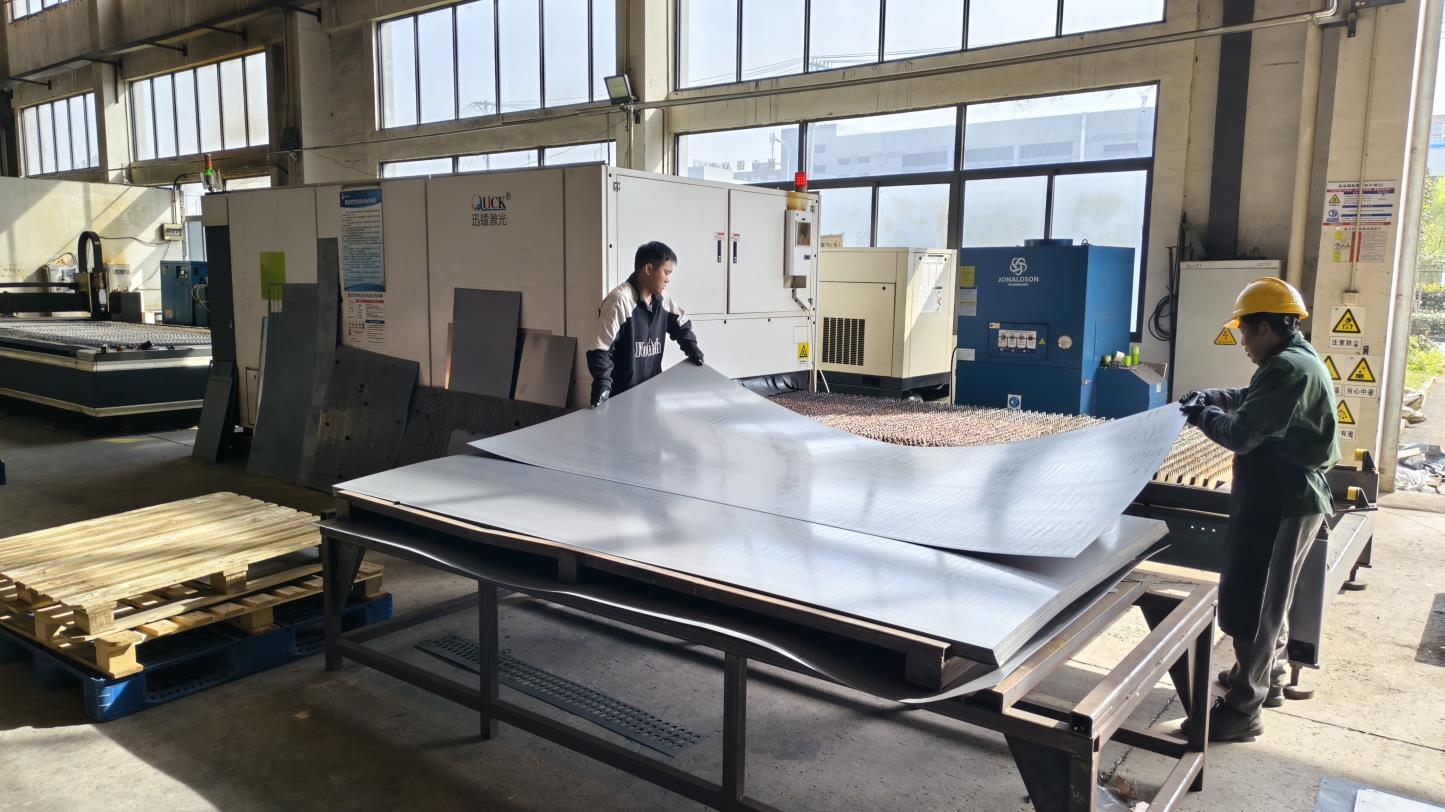
Where surge protection and system coordination technologies are heading over the next decade.
Traditional MOV-based SPDs experience micro-amp levels of continuous leakage current, leading to gradual component wear and thermal stress. The future of high-voltage circuit design lies in hybrid architectures integrating Silicon Carbide (SiC) semiconductors with fast Gas Discharge Tubes (GDT). Wenzhou Phlox Energy's R&D is exploring these hybrid designs to deliver near-zero leakage currents, minimizing standby power losses while maintaining sub-nanosecond response times.
Our upcoming product generations focus on material circularity. By optimizing thermodynamic path separations inside the plug-in cartridge, we reduce resin content and facilitate cleaner disassembly processes. This modular design strategy allows operators to recycle metal bases, replacing only the internal MOV/GDT cores. This approach minimizes e-waste and supports corporate scope-3 carbon reduction targets.
Insights from our R&D team on SPD selection, testing standards, and field deployments.
Type 1 SPDs are tested with a 10/350 µs waveform, simulating direct lightning strikes where current flows directly into the electrical system. Type 2 SPDs are tested with an 8/20 µs waveform to handle induced voltage transients caused by indirect lightning strikes or grid-switching operations.
Unlike AC systems that have zero-crossing points, DC currents do not cross zero. This makes power arcs difficult to extinguish. Without a reliable thermal disconnection mechanism, a degraded MOV in a DC circuit can enter a thermal runaway state, continuing to draw leakage current and risking thermal damage to the surrounding system.
The maximum continuous operating voltage ($U_c$) must be higher than the maximum open-circuit voltage ($U_{oc}$) of the solar array under extreme cold ambient temperatures. A standard calculation requires $U_c \ge 1.2 \times U_{oc(stc)}$ to prevent continuous conduction and premature aging of the internal varistors.
Replacement frequency depends on local transient exposure. Cartridges must be replaced immediately when the visual status window turns red. Under typical conditions, varistors degrade slowly over time; we recommend testing leakage currents every 12 to 24 months to ensure system reliability.
No. AC SPDs are designed for AC voltage waveforms and rely on zero-crossing points to extinguish arcs. Under DC voltages, an AC SPD may fail to extinguish a power arc during a transient event, creating a potential safety hazard. Only use designated DC SPDs for solar applications.
For European markets, CE marking, TUV certification, and testing reports under IEC 61643-11/IEC 61643-31 are required. For North American markets, UL 1449 listing or recognition is required to ensure compliance with local electrical safety codes.
Integrate our modular surge protectors with our specialized DC isolators, high-voltage fuses, and smart distribution components.
 Phlox Energy