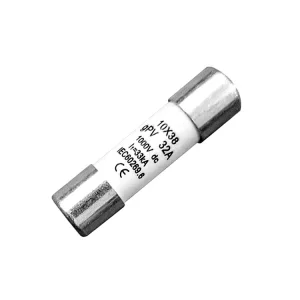
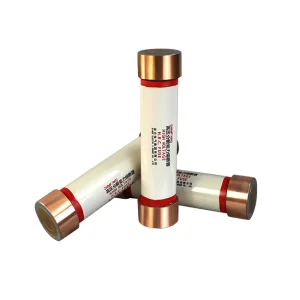
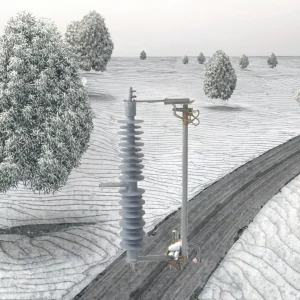
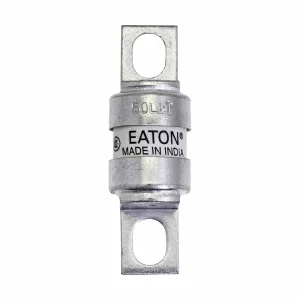
Designed for utility distribution, drop cutouts, and solar arrays. Direct supply and technical integration.
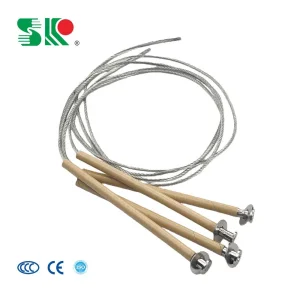
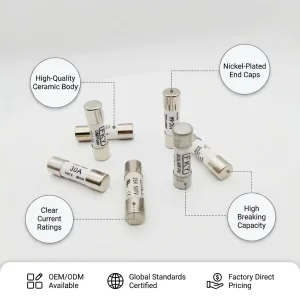
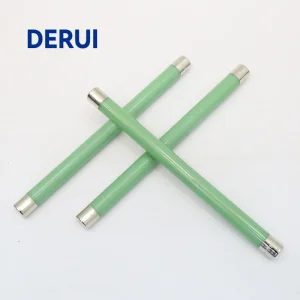
India is currently witnessing one of the world's most aggressive and comprehensive electric grid modernization plans, backed by federal policies like the Revamped Distribution Sector Scheme (RDSS) and the target of achieving 500 GW of non-fossil fuel energy capacity by 2030. In this environment, the demand for reliable sub-transmission and distribution network protective equipment is skyrocketing. Among these, High-Voltage (HV) Cartridge Fuses serve as the primary line of defense against overcurrents and short-circuit faults. With the accelerating installation of rooftop and utility-scale solar PV power, smart distribution grid infrastructures, and localized industrial zones, safety components must withstand diverse Indian climatic conditions, from the humid coastal areas of Gujarat and Tamil Nadu to the high-temperature desert locations of Rajasthan.
The manufacturing and deployment of High-Voltage Cartridge Fuses in the Indian market require strict compliance with international standards (such as IEC 60282-1) as well as the national standards defined by the Bureau of Indian Standards (BIS) and regional Power Distribution Utilities (DISCOMs). Selecting the correct cartridge fuse entails balancing environmental variables, breaking capacities, and the specific time-current characteristics required to coordinate with downstream protective devices like auto-reclosers and molded case circuit breakers (MCCBs).
The growth trajectory of high-voltage cartridge fuses manufacturers in India is directly tied to three main industrial sectors:
Engineered to tolerate extreme grid fluctuations and ambient temperatures of up to 50°C without premature aging or thermal derating.
High-purity quartz sand controls and extinguishes high-voltage electrical arcs efficiently within milliseconds, preventing package rupture.
High-conductivity copper and silver element structures minimize watt loss, keeping switchgear panel temperatures inside normal operating thresholds.
The manufacturing process of a premium High-Voltage Cartridge Fuse involves sophisticated engineering. The core materials must resist continuous thermal expansion and electrical degradation. Here is how Phlox Energy approaches the technological lifecycle of these crucial safety units:
1. Element Geometry and Metallurgy: Standard fuses use simple wire links, but high-voltage systems require precision-notched silver or silver-plated copper elements. Under overcurrent conditions, these notches (or M-spots) melt sequentially, limiting the peak fault current and controlling the transient recovery voltage (TRV).
2. Inner Core Arc Quenching: The internal cavity of the ceramic tube is filled with chemically pure, dry quartz sand of strict grain size distribution. When an arc strikes, the sand melts to form a glass-like structure (fulgurite) around the path of the arc, which drastically increases the resistance and drops the current to zero safely.
3. Outer Tube Composition: High breaking capacity fuses cannot rely on low-cost glass or composite tubes. They require high-grade glazed steatite or alumina-ceramic materials. These materials provide outstanding thermal shock resistance, preventing structural cracking or explosions under high-energy short circuits.
| Fuse Characteristic | Standard Specifications | Phlox Energy India-Localized Range | Primary Application Area |
|---|---|---|---|
| Voltage Ratings | 6kV to 36kV AC / 1000V DC | 10kV, 12kV, 24kV, 36kV, 40.5kV AC / 1500V DC | Utility Sub-transmission & Utility-Scale Solar PV |
| Breaking Capacity | 20kA to 40kA | Up to 50kA (Quartz sand filled) | Substation Transformers & Solar Combiner Boxes |
| Tube Material | Standard Steatite / Resin Glass | Glazed High-Alumina Ceramic & Fiber Reinforced Polymer | Industrial Switchgear & Cutouts |
| Standard Alignment | DIN / ANSI | IEC 60282, BS 88, IS 13703 (India Grid Compliant) | DISCOM Distribution Transformers |
While India is actively building out its internal manufacturing capabilities, local projects require immediately deployable, cost-effective, and highly certified power equipment. Wenzhou Phlox Energy Co., Ltd. bridge this market requirement by providing premium manufacturing efficiencies, rapid OEM/ODM design cycles, and raw material supply chain resilience that localized manufacturers cannot easily match.
Wenzhou, China is internationally recognized as a hub for electrical engineering, allowing Phlox Energy to source high-grade raw components, specialized silver foils, and premium ceramic tubes with scale efficiency. With over 7 advanced automated production lines and an annual output value exceeding USD 20 million, Phlox can fulfill large bulk orders from Indian EPC contractors and state-run DISCOMs in a fraction of the time required by regional suppliers.
Furthermore, Phlox Energy's specialized R&D team provides extensive customization options (ODM services), tailoring mounting dimensions, terminal shapes, and trip-indicator options to fit old legacy Indian substations as well as modern RMU profiles.
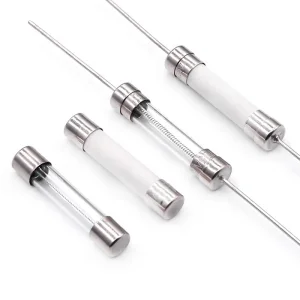
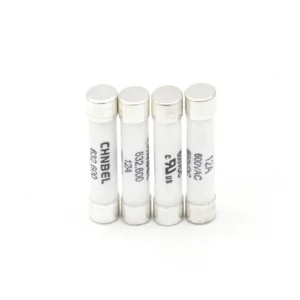
Original series components engineered for critical industrial systems and multimeter calibration protection.
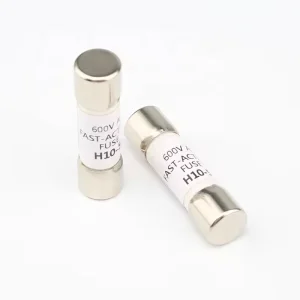
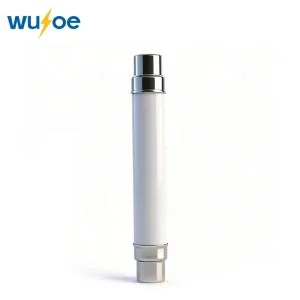
Wenzhou Phlox Energy Co., Ltd. is a professional manufacturer and supplier specializing in solar photovoltaic protection and electrical connection solutions. With more than 10 years of industry experience, we are dedicated to the research, development, production, and innovation of high-quality solar accessories and low-voltage electrical products for global renewable energy markets.
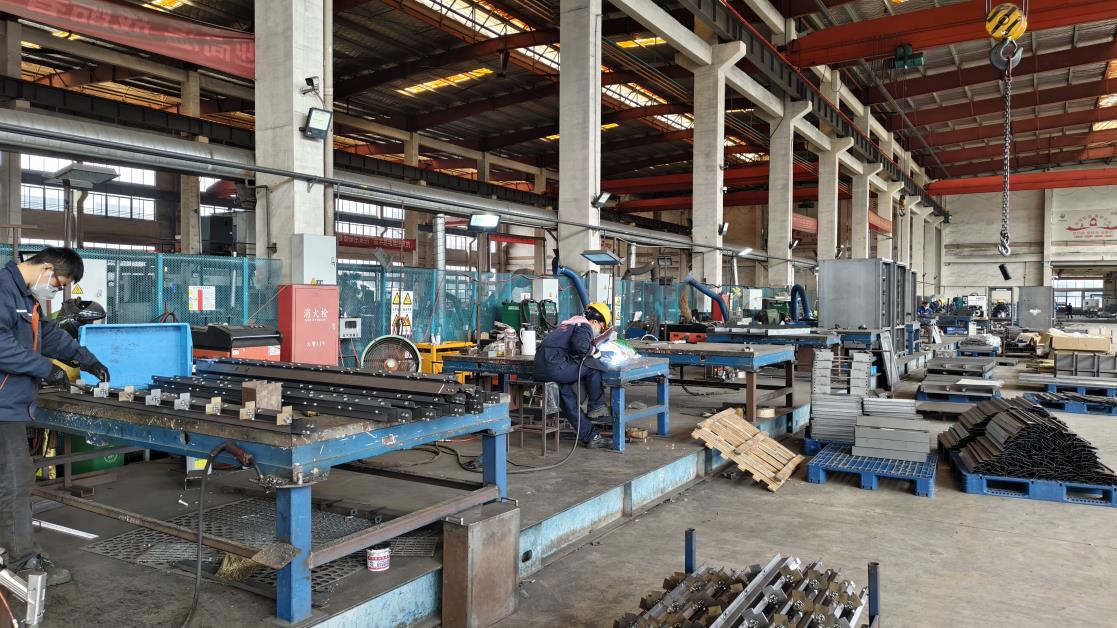
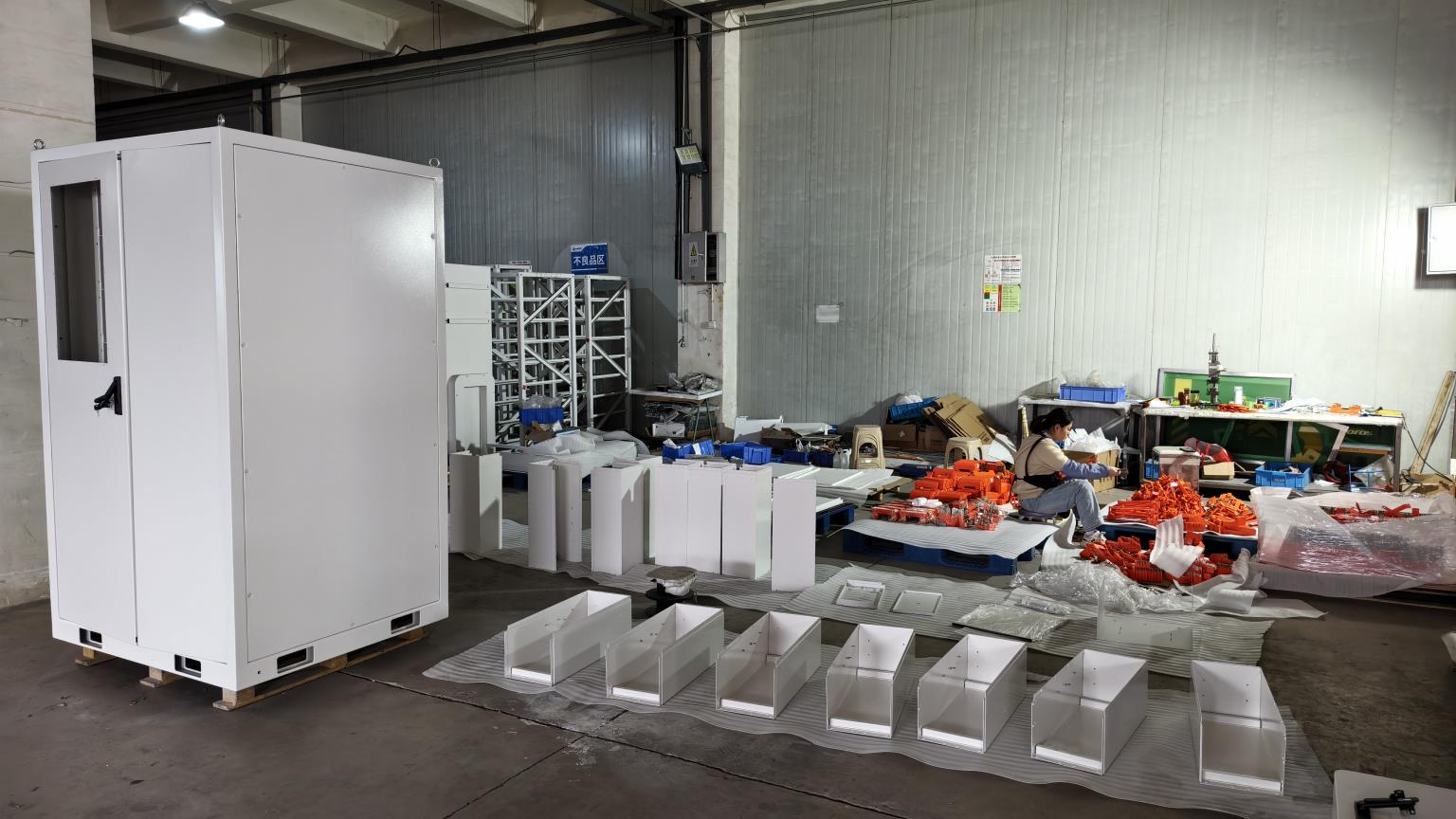
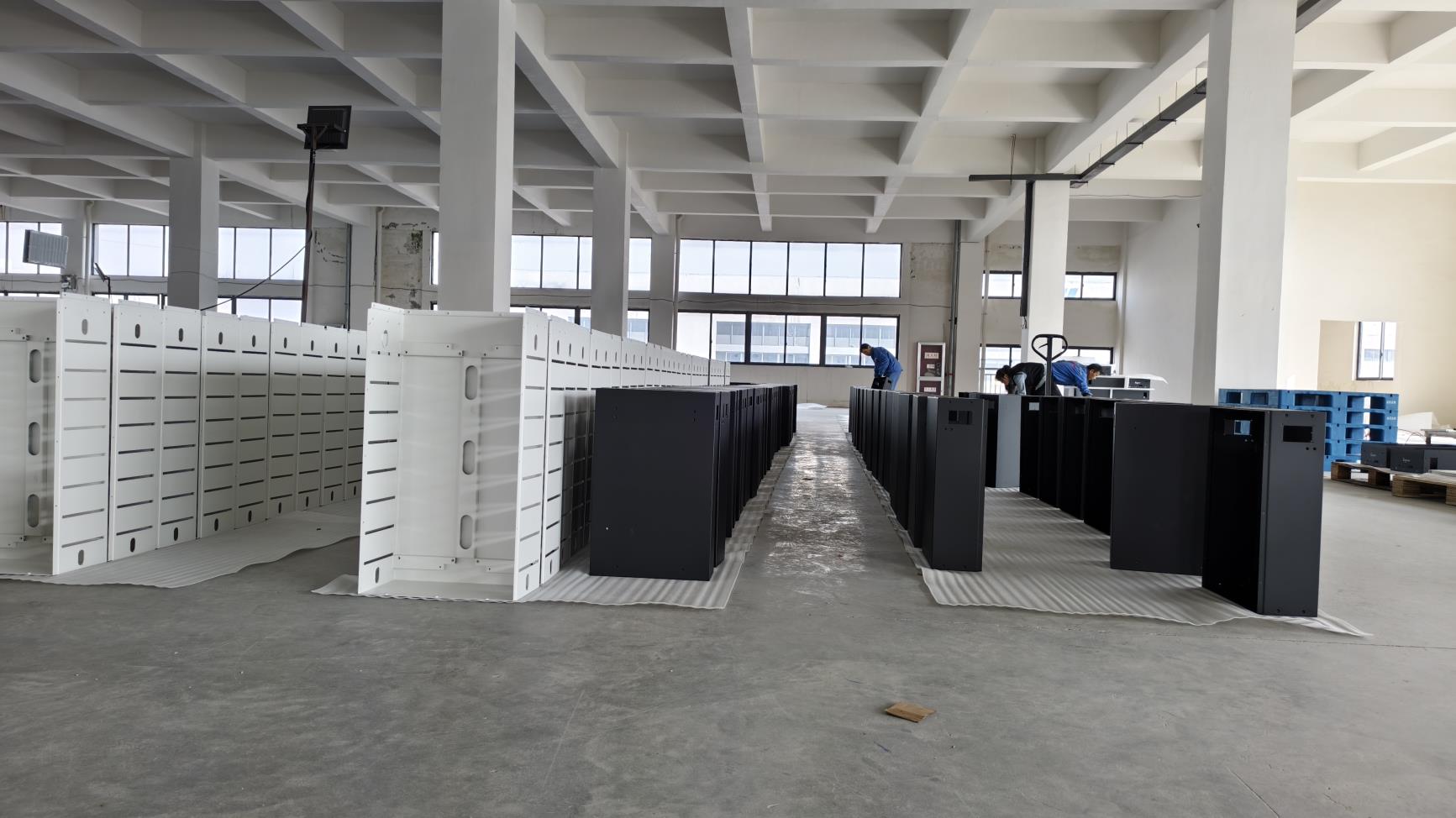
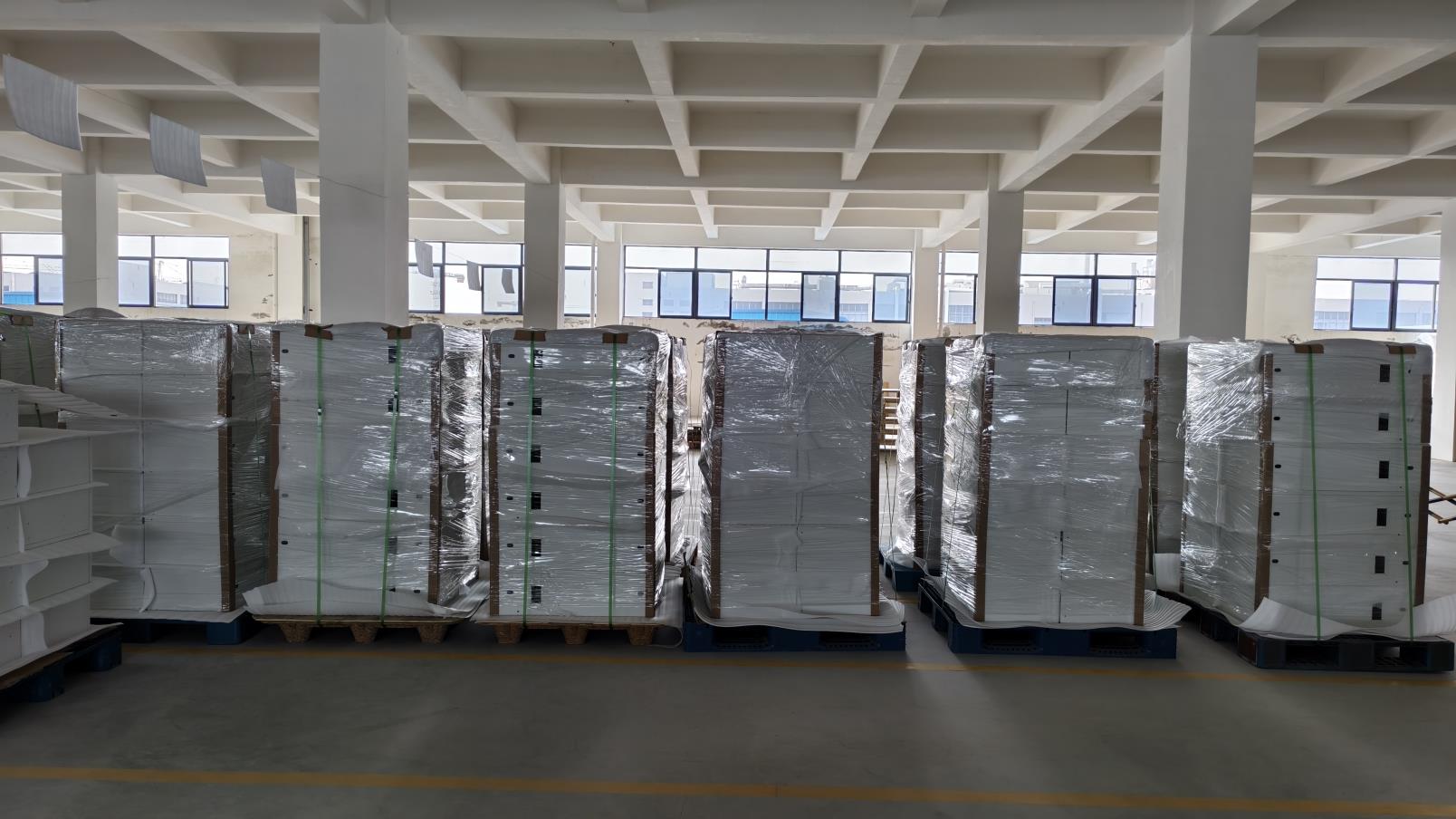
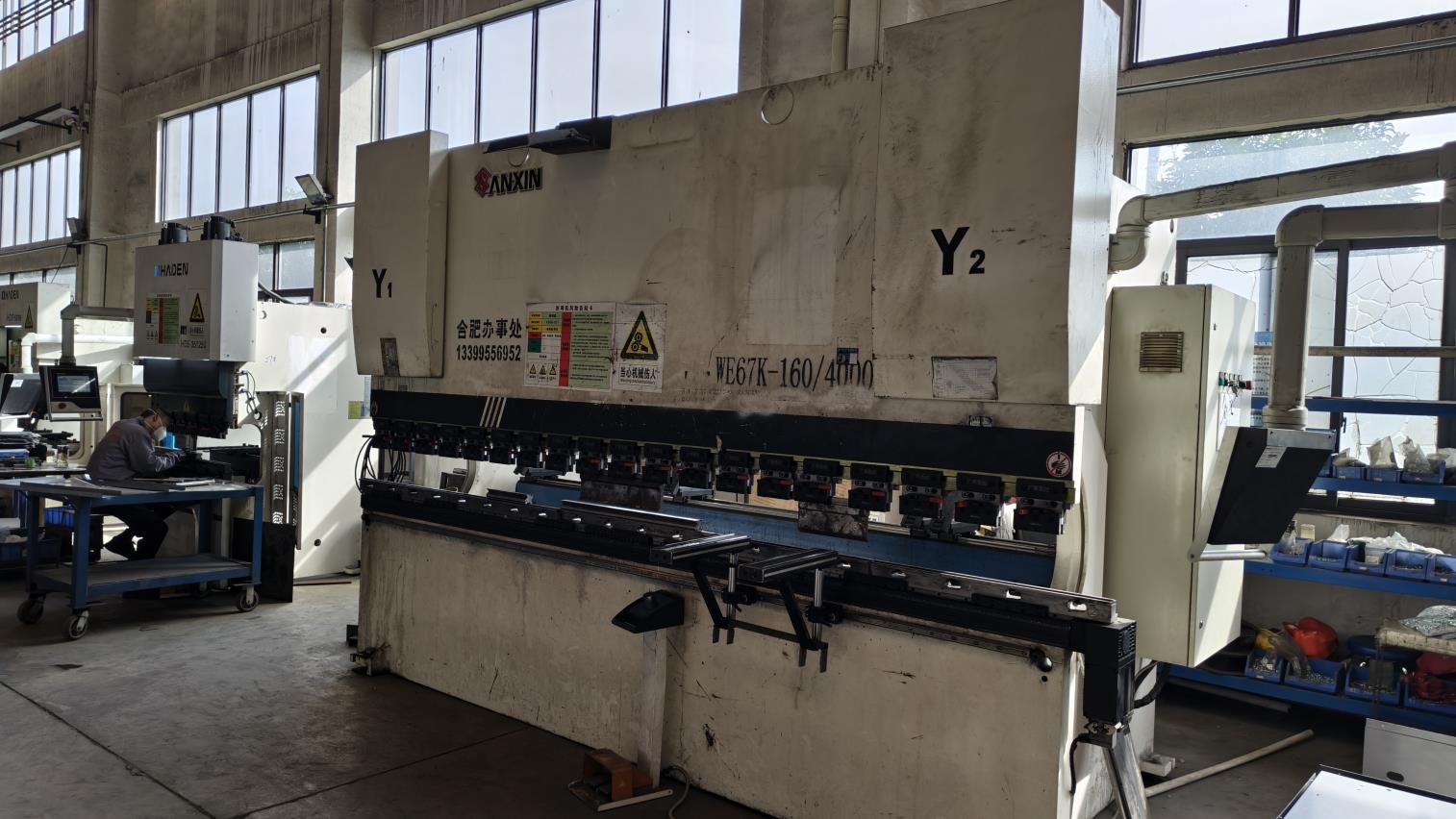
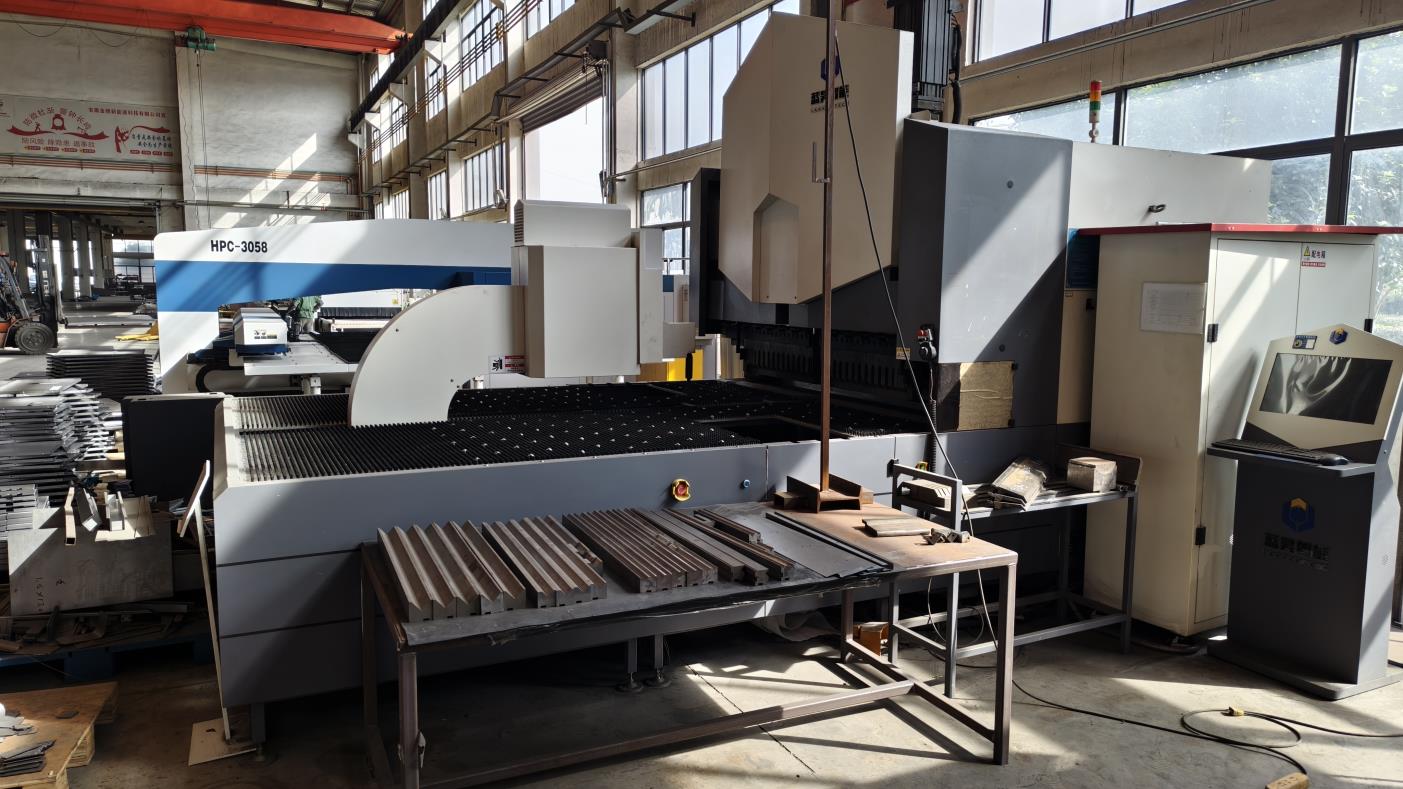
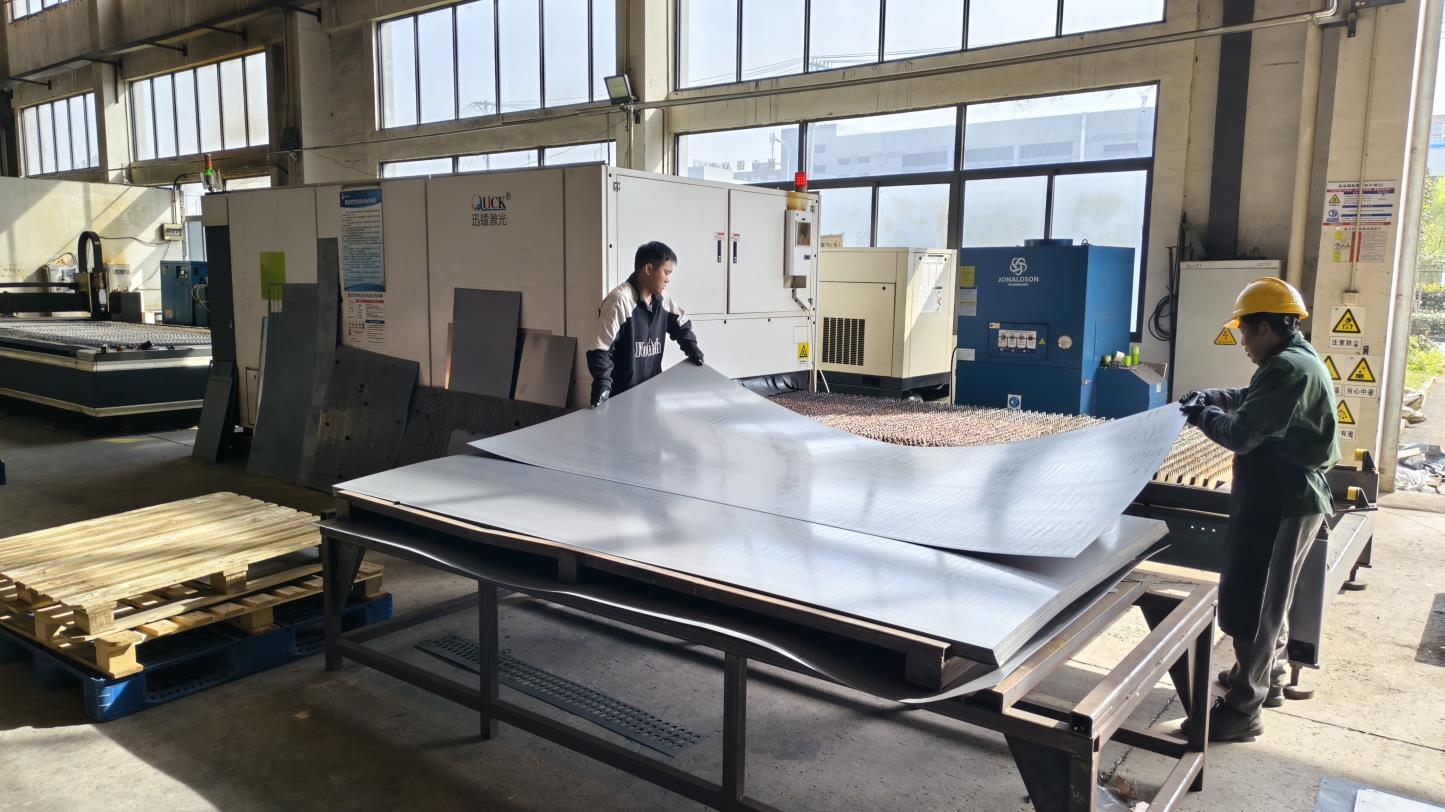
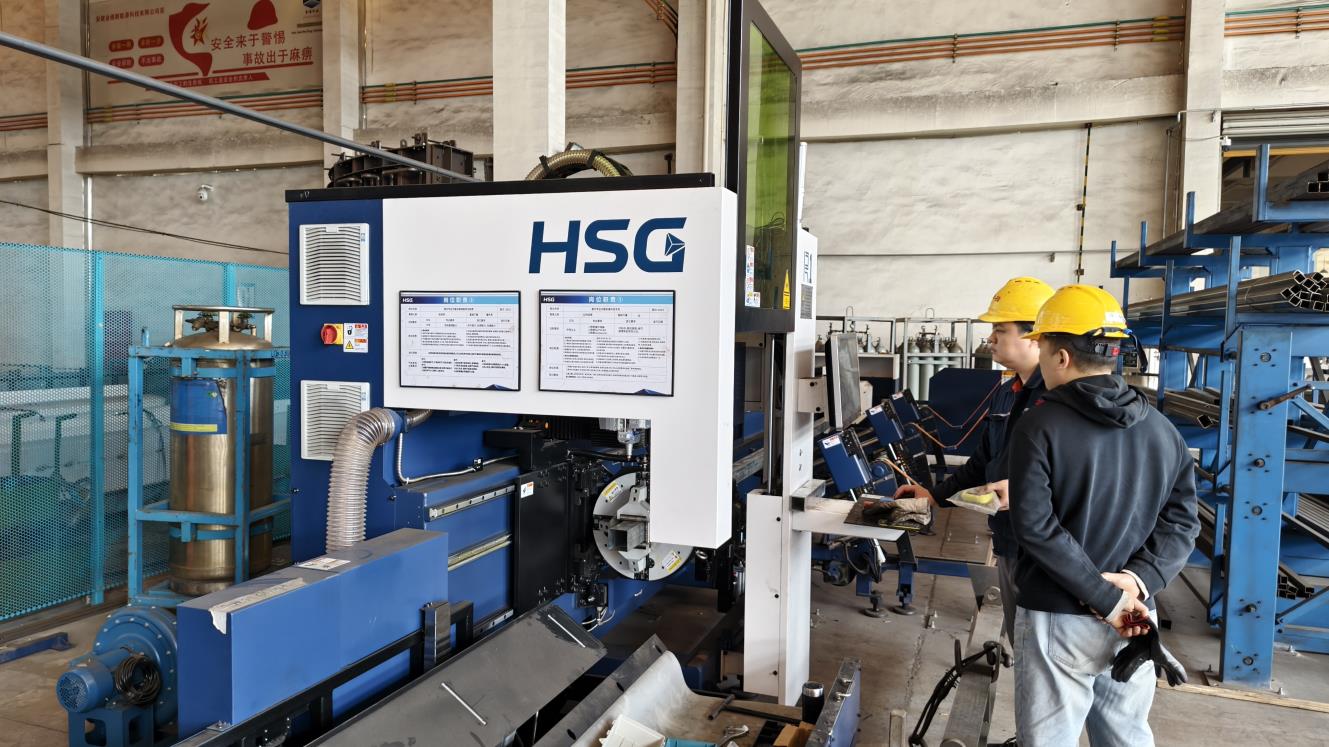
Our manufacturing facility covers an area of over 11,500 square meters and is equipped with 7 advanced production lines, more than 100 automated production machines, and a skilled workforce of over 150 employees. With strong production capacity and efficient management systems, our annual output value exceeds USD 20 million.
Phlox Energy specializes in the production of DC miniature circuit breakers (MCBs), surge protective devices (SPDs), photovoltaic fuses, solar connectors, DC isolator switches, distribution boxes, combiner boxes, and other solar power system components. Our products are widely used in residential, commercial, and industrial photovoltaic installations around the world.
Quality is at the core of everything we do. Our products are manufactured in strict accordance with international standards and have obtained certifications including CE, TUV, IEC, CB, and ISO 9001. Every product undergoes comprehensive quality inspections and rigorous testing procedures to ensure safety, reliability, and long-term performance in demanding environments.
Driven by continuous innovation, our experienced R&D team works closely with customers to develop customized solutions that meet evolving market requirements. We also provide OEM and ODM services, helping partners build competitive product portfolios and strengthen their market presence.
Having successfully participated in more than 3,900 solar energy projects worldwide, Phlox Energy has earned a strong reputation for premium product quality, competitive pricing, reliable delivery, and professional after-sales support. Our commitment to customer satisfaction and long-term cooperation has made us a trusted partner for distributors, installers, EPC contractors, and solar energy companies across the globe.
At Wenzhou Phlox Energy Co., Ltd., we are committed to supporting the global transition to clean and sustainable energy. We look forward to building long-term partnerships with customers worldwide and achieving mutual growth and success together.
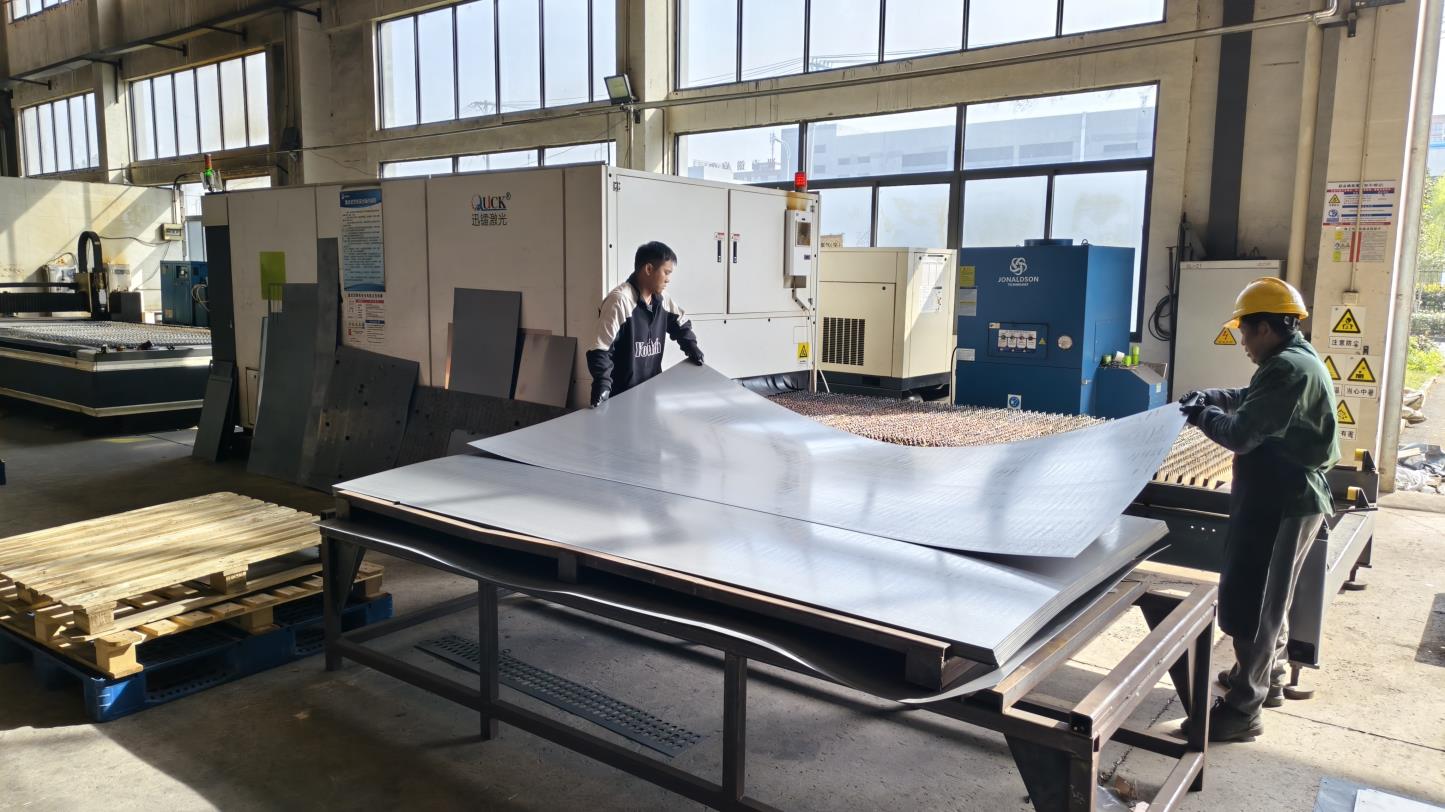
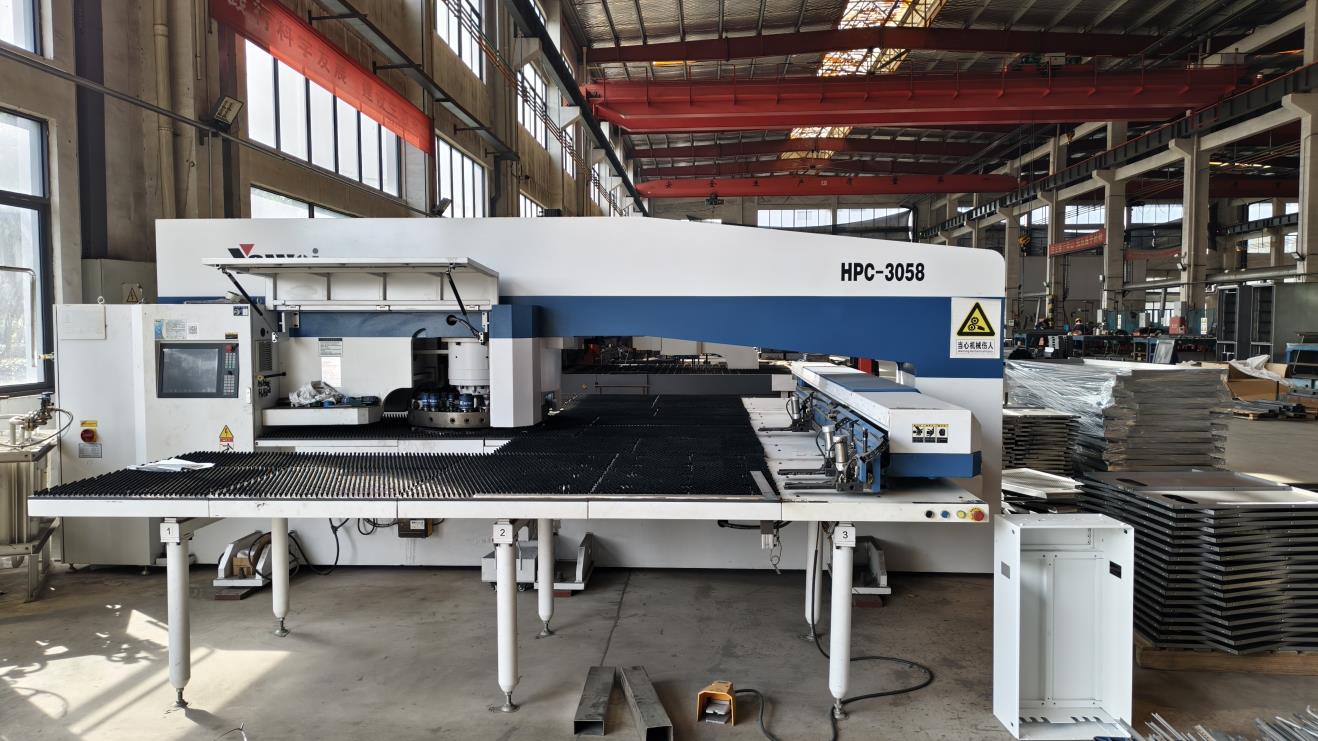
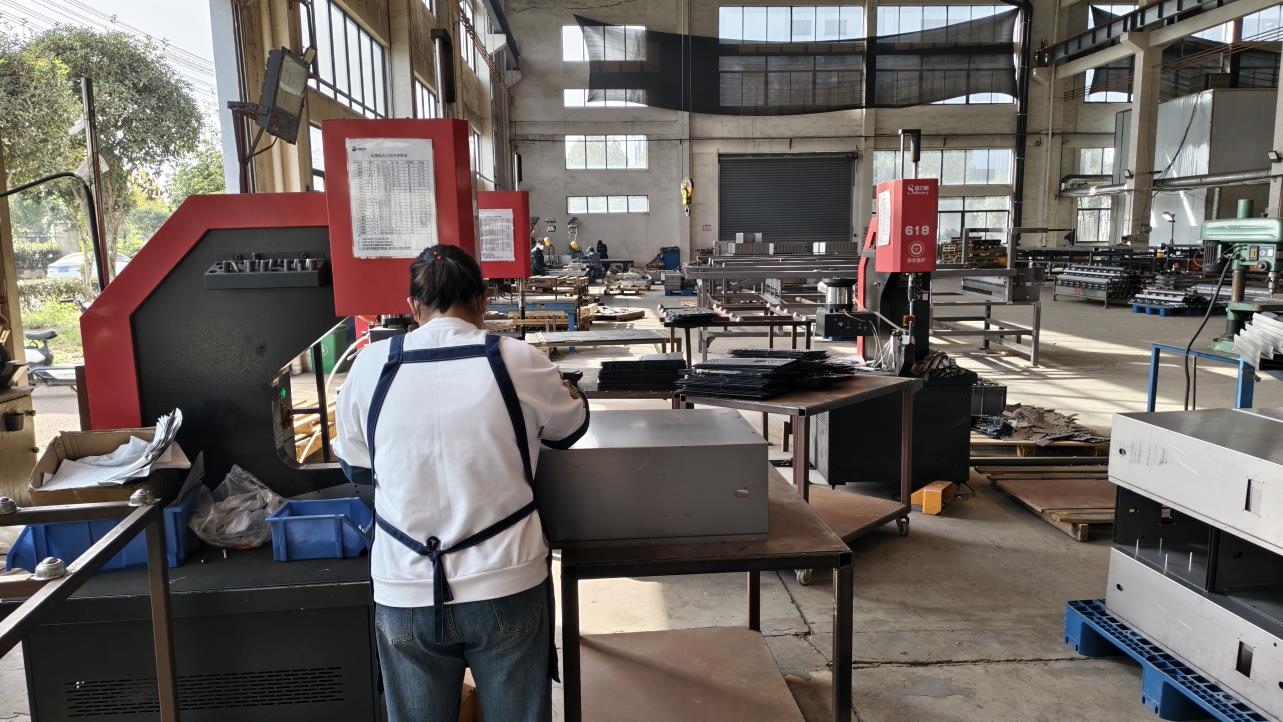
Inside Wenzhou Phlox Energy Co., Ltd. - Stamping, cutting, assembly, and strict laboratory testing rooms.
Technical explanations to help Engineers and Procurement managers select the correct fuse.
When working within design specs, a high-quality ceramic cartridge fuse filled with quartz sand can last for over 20 years. However, high ambient temperatures (such as 45°C+ in Central India or Rajasthan) require a minor thermal derating factor (typically 5-10% depending on exact loads) to prevent long-term silver element oxidation.
Glass fuses have low breaking capacities and are prone to shattering under high short-circuit faults. High-voltage applications require high-strength alumina ceramics to tolerate extreme internal pressures and high thermal shock during electrical fault interruption.
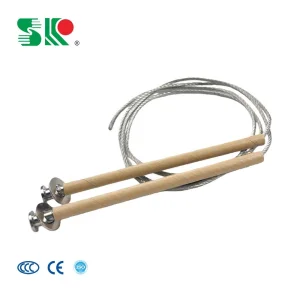
Yes, our K-type fuse links and composite polymer dropout fuses are manufactured in strict compliance with the IEC 60282 standard framework, which aligns directly with Bureau of Indian Standards (BIS) and regional DISCOM operating guidelines.
We require parameters including nominal working voltage (AC/DC), continuous current rating, required breaking capacity (kA), structural dimensions (length and cap diameter), type of terminal ends (blade, cylindrical, or tag layout), and whether a mechanical indicator pin is needed.
Connect directly with our engineering division for comprehensive technical sheets, industrial test reports, and highly competitive container-pricing configurations.
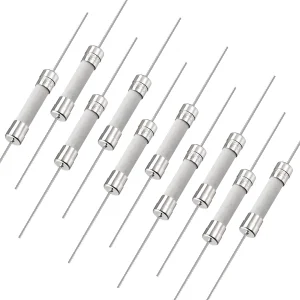
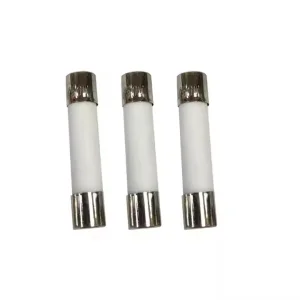
Send Inquiry NowSelect from our certified range of fast-acting, slow-blow, and high-breaking capacity protection links.
 Phlox Energy