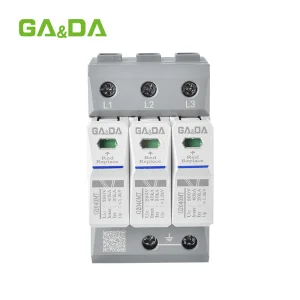
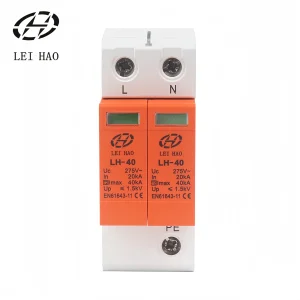
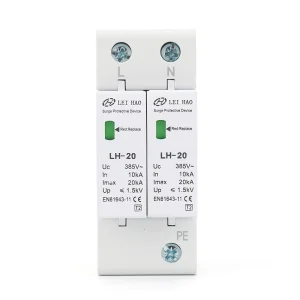
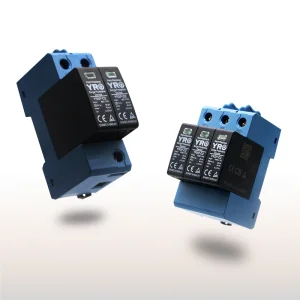
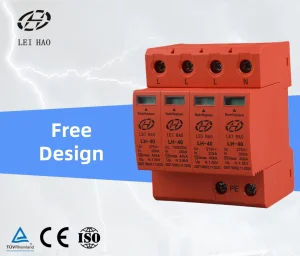
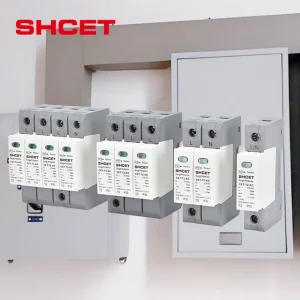
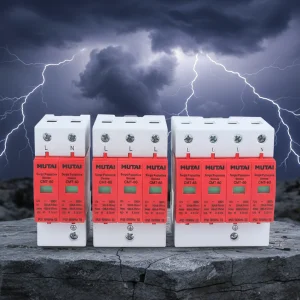
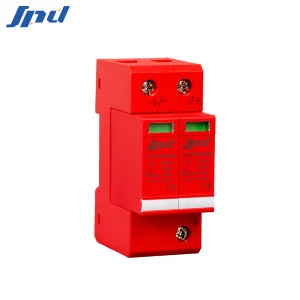
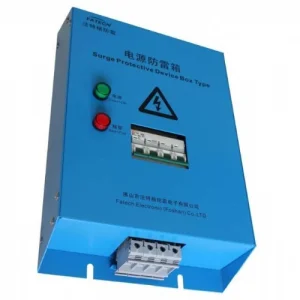
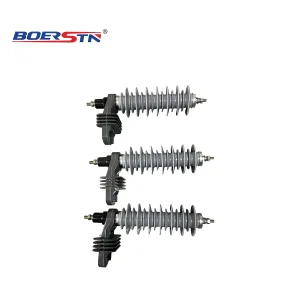
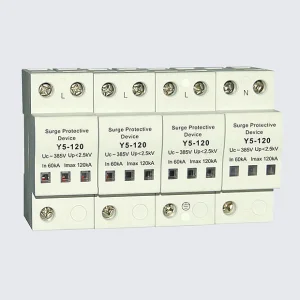
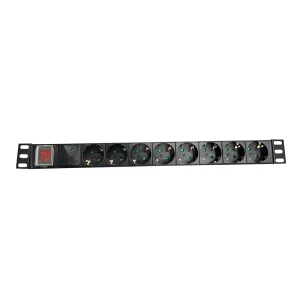
Engineered to defend Seattle's electrical service entrances against primary direct lightning strikes and utility switching transients.
As a primary hub for advanced technology, aerospace engineering, cloud data centers, and marine industrial applications, the Seattle-Tacoma metropolitan area requires highly resilient power infrastructures.
Seattle’s maritime climate, coupled with rapid urbanization and data center expansion in suburban corridors (such as Tukwila, Redmond, and Kent), presents unique electrical challenges. Grounding paths in high-tech complexes are sensitive to voltage transients from surrounding commercial operations and local utility switching.
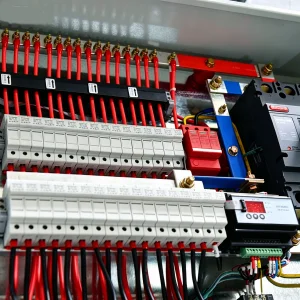
Additionally, the Pacific Northwest's integration of municipal solar power plants, electric vehicle fleet charging networks, and industrial manufacturing plants demands rugged Type 1 Surge Protective Devices (SPDs). Installed at the service entrance (on the line side of the main service overcurrent device), Type 1 SPDs serve as the first line of defense against severe external overvoltage events.
Under international benchmarks such as IEC 61643-11 and UL 1449, Type 1 SPDs are specifically characterized by their high discharge capacity. They are designed to manage the high-energy impulse currents ($I_{imp}$) typical of direct lightning strokes (commonly 10/350 µs wave shapes).
By shunting high-magnitude currents directly to earth, these units prevent catastrophic damage down the line to sensitive equipment like PLCs, industrial machinery, and telemetry servers.
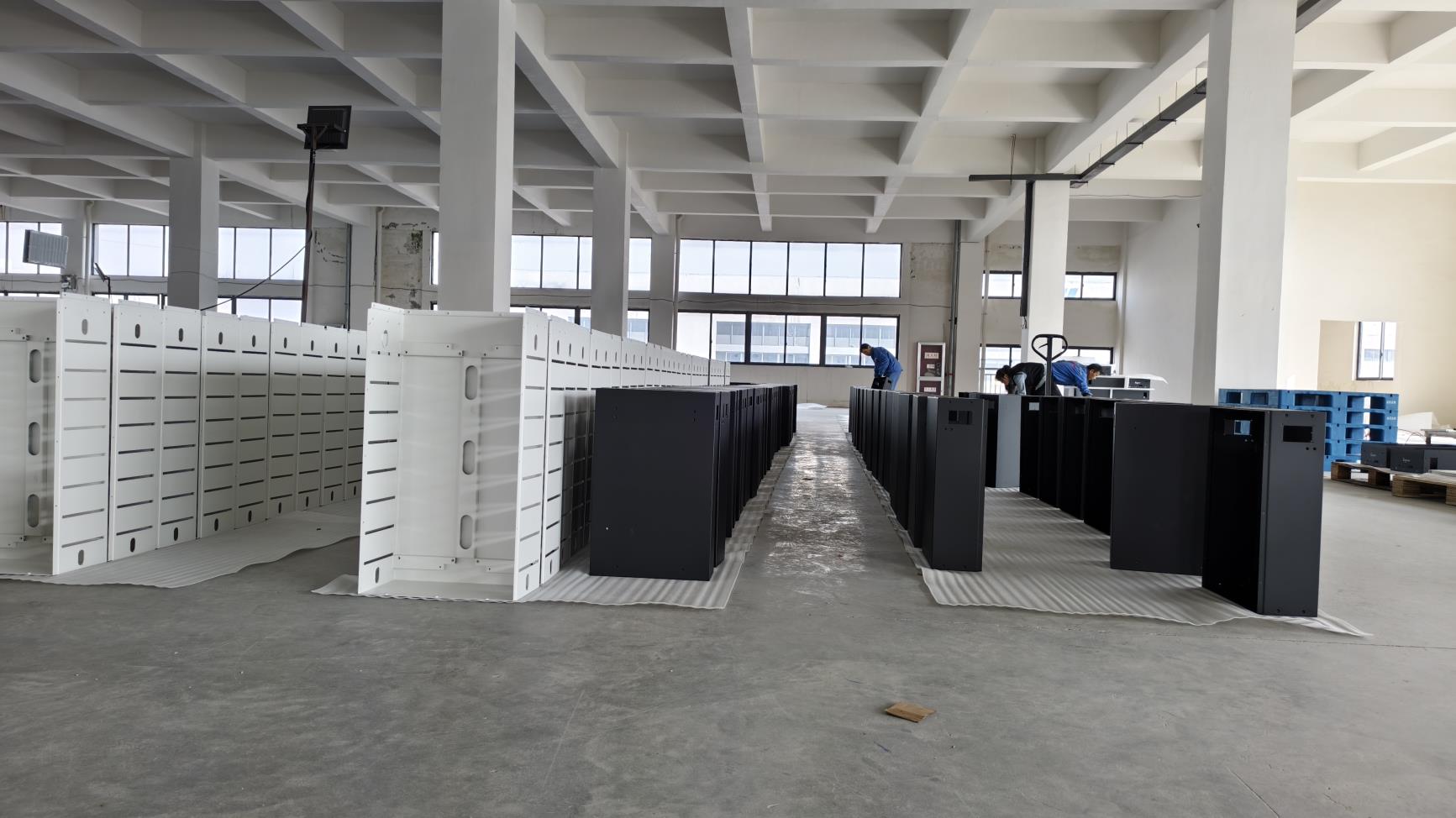
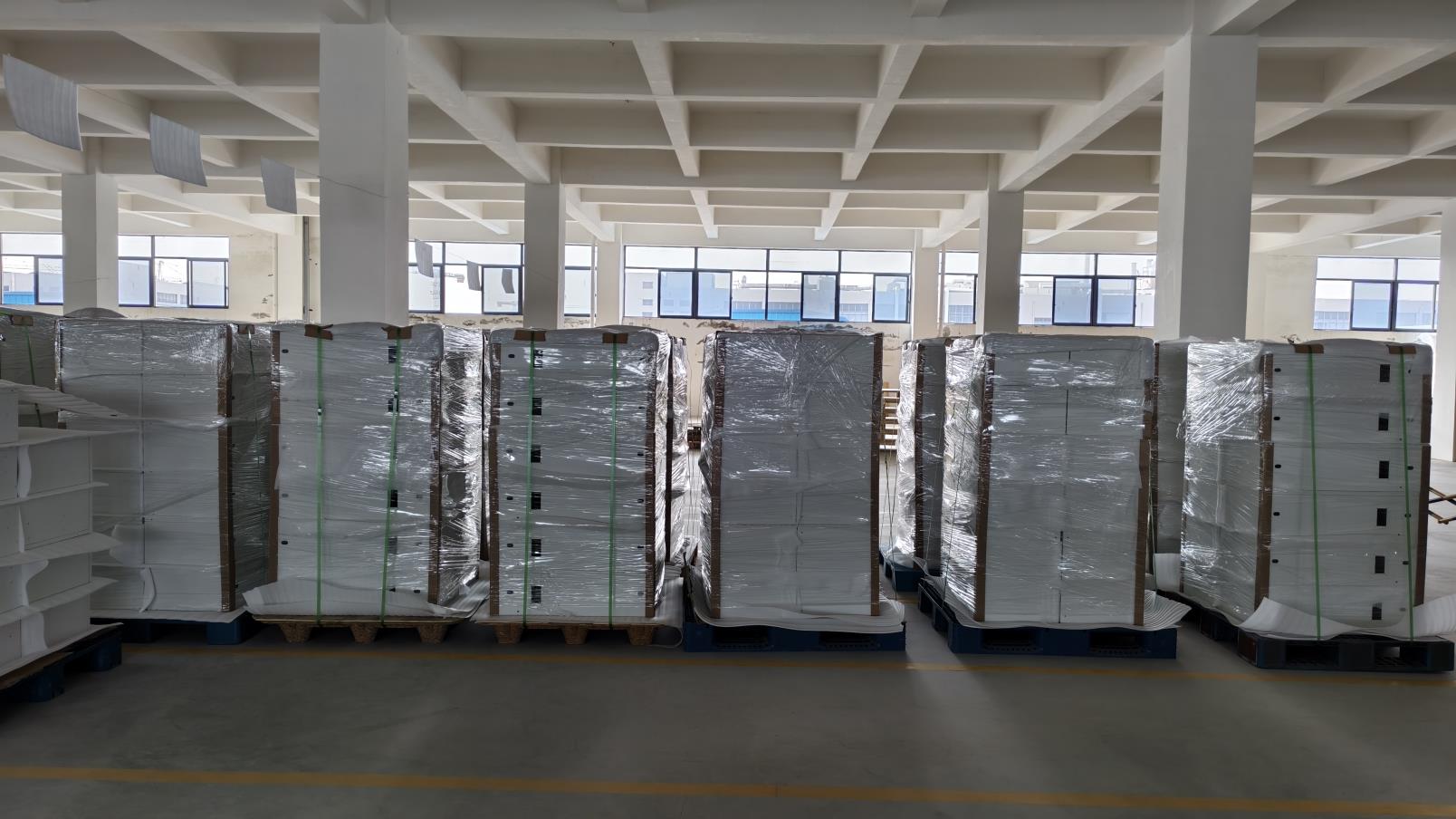
Based in the global hub of low-voltage electrical production, Wenzhou Phlox Energy Co., Ltd. coordinates state-of-the-art manufacturing with deep materials expertise to offer unmatched reliability.
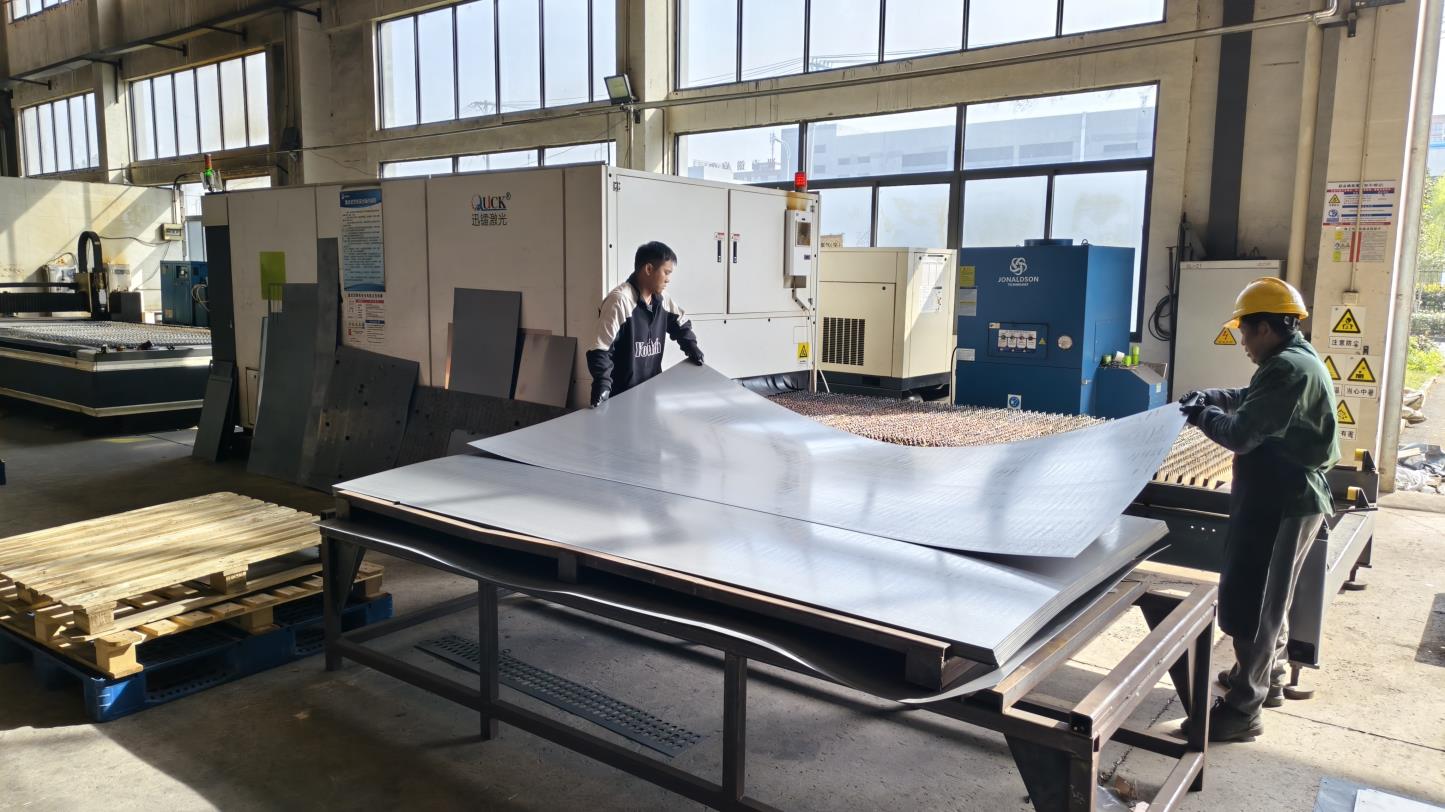
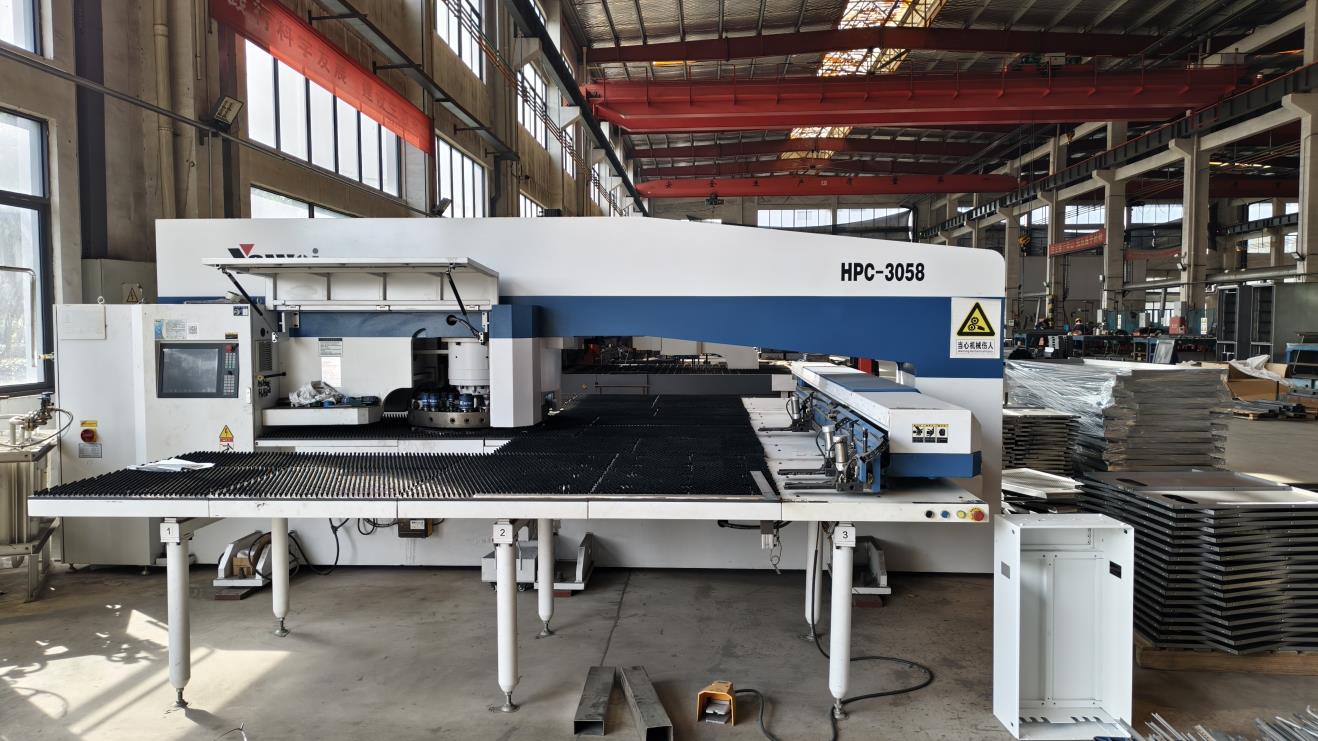
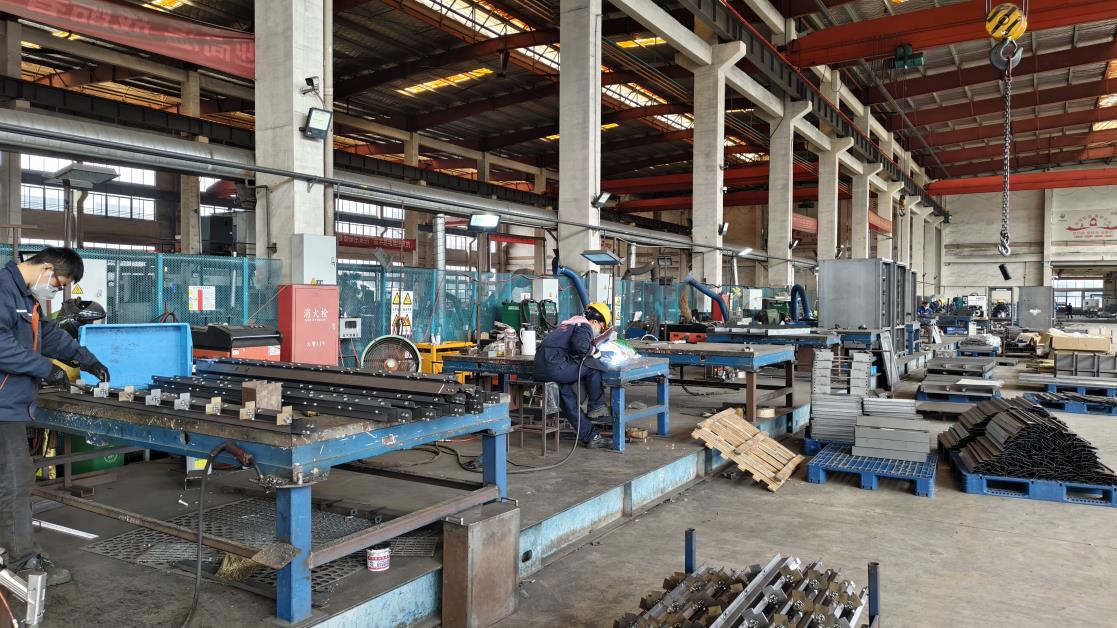
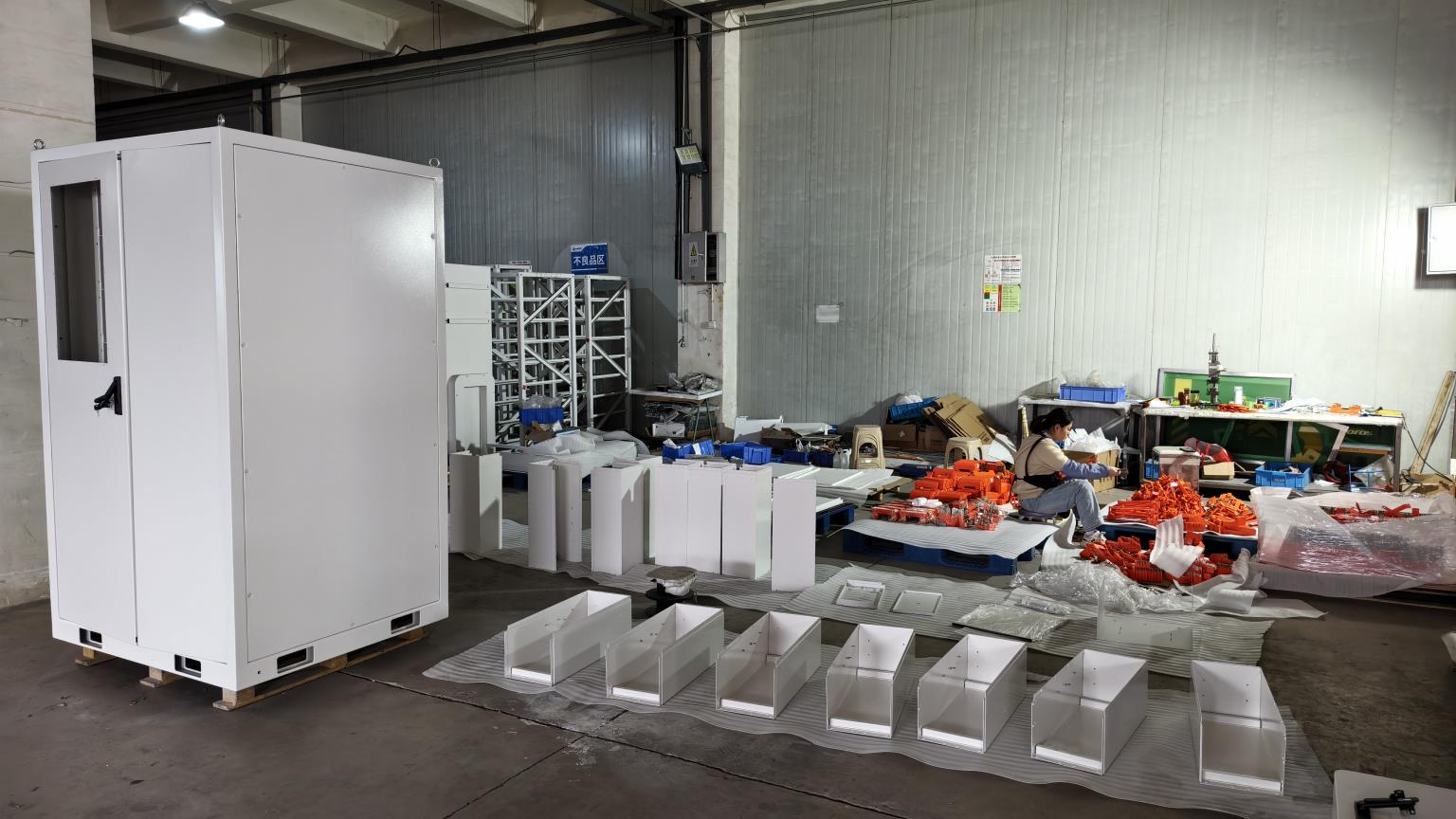
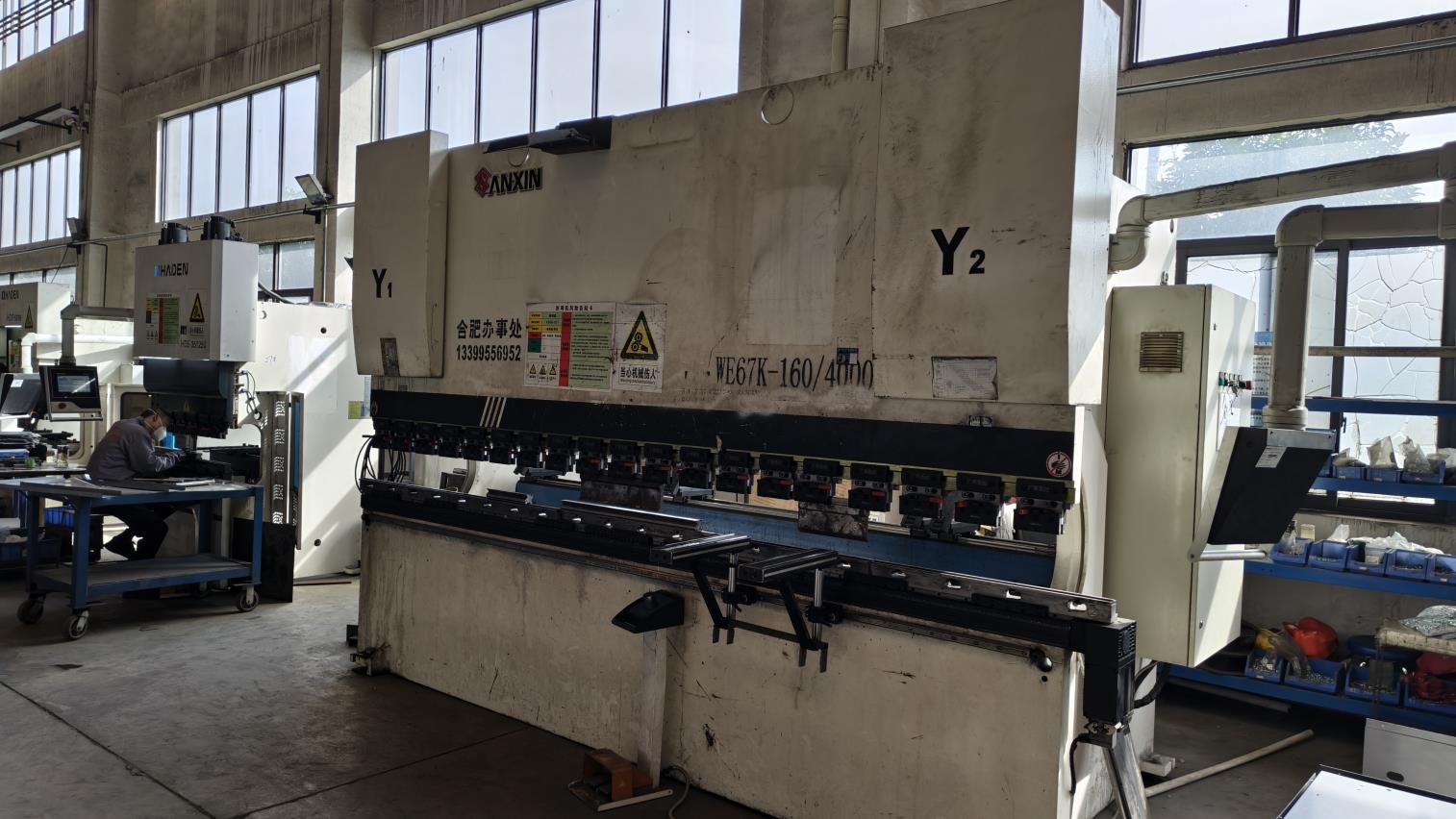
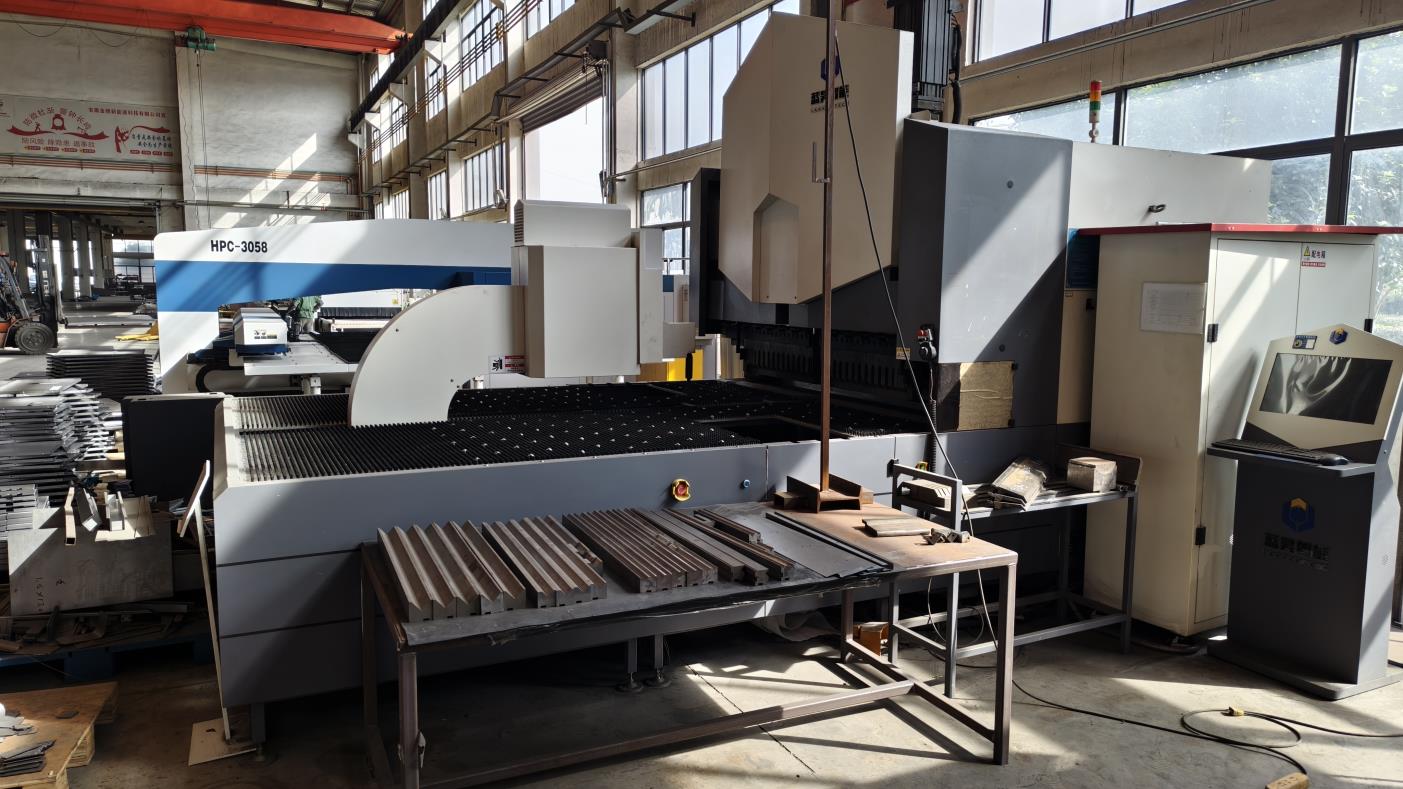
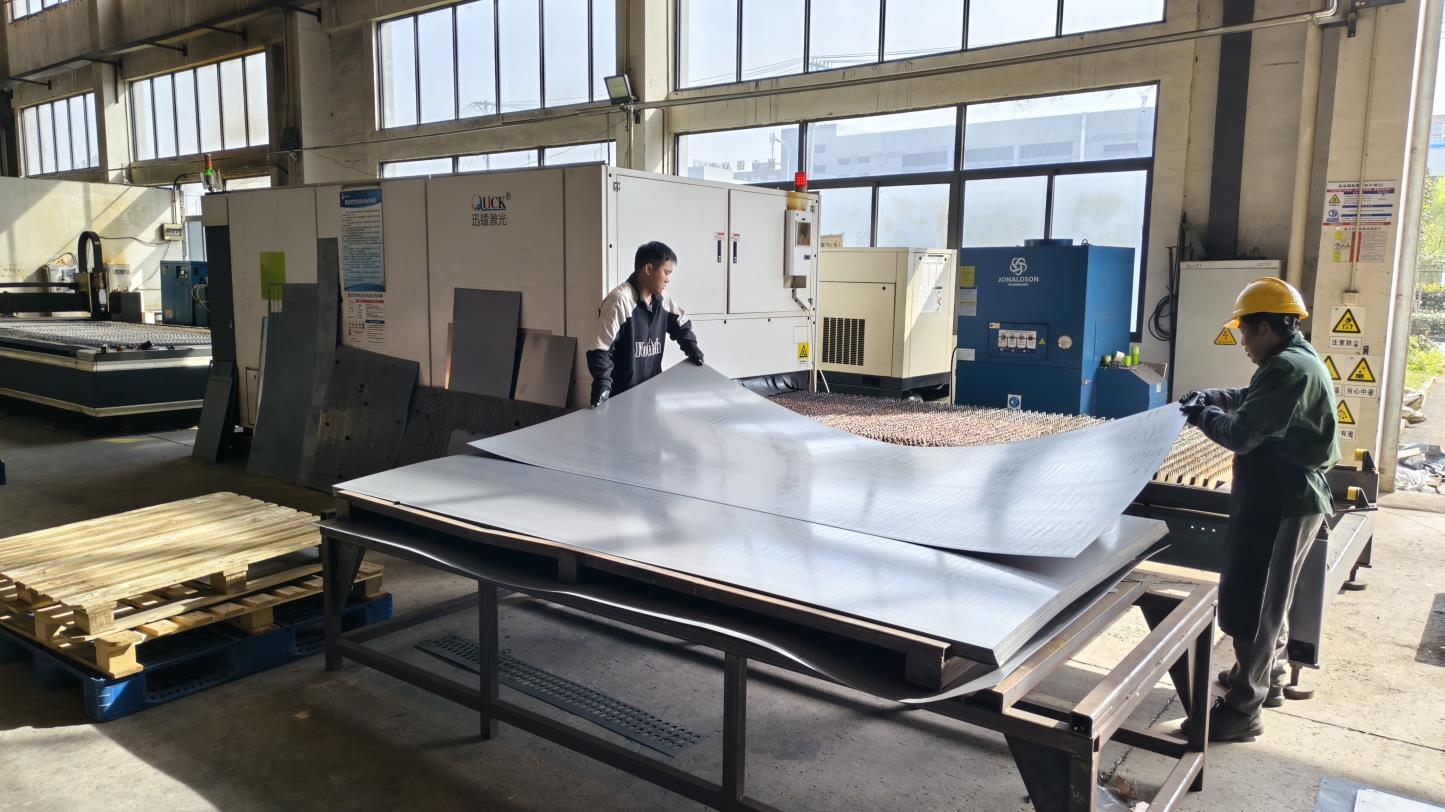
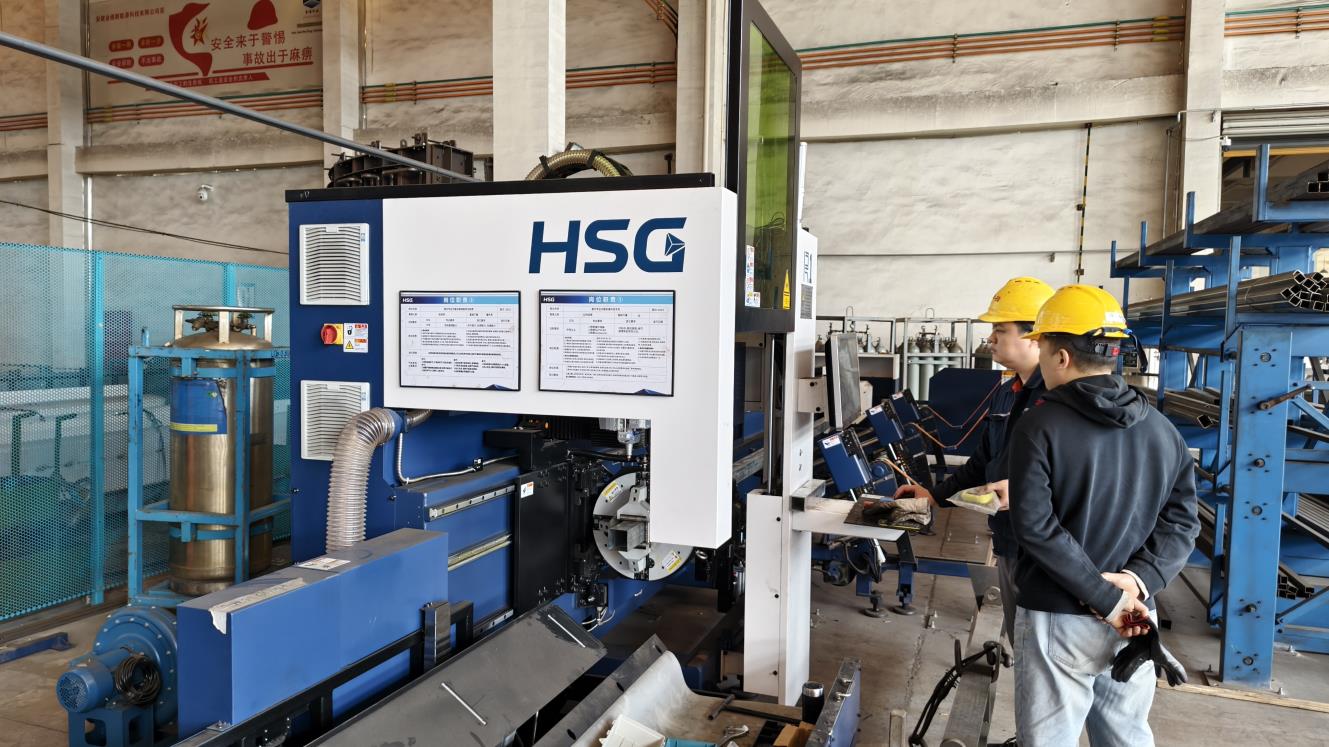
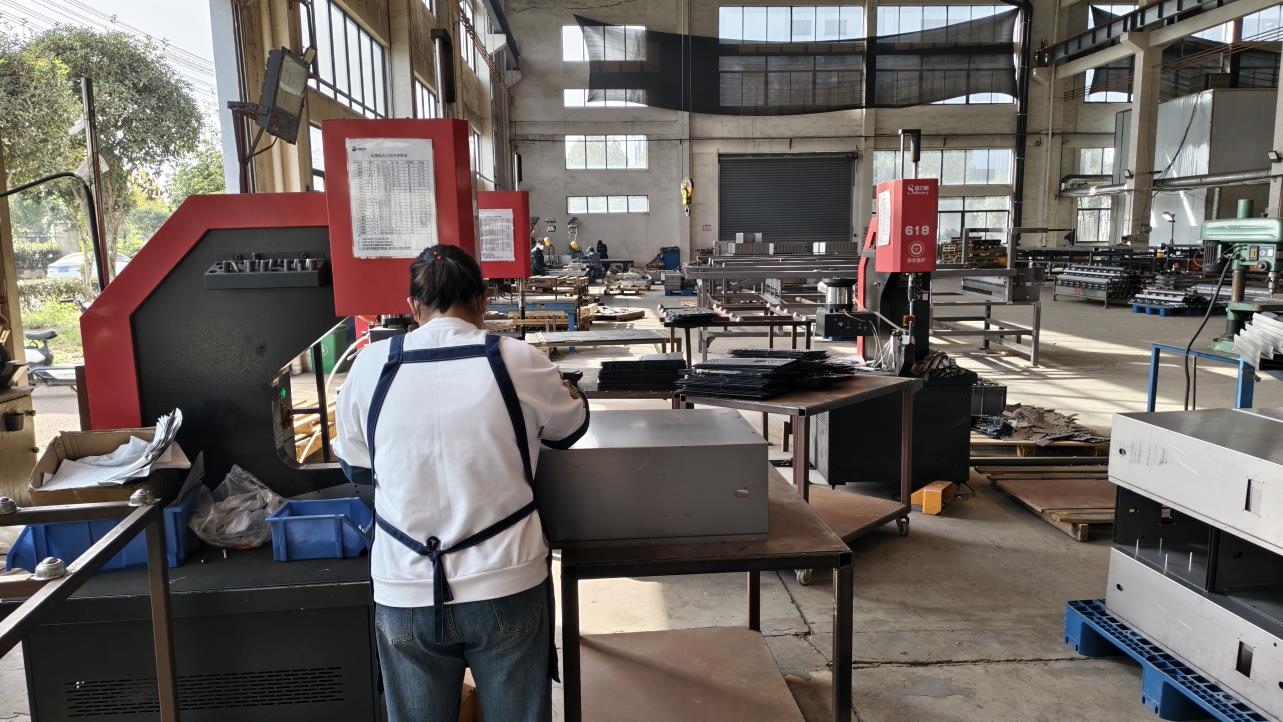
Chinese factories are uniquely positioned to offer cost-competitive manufacturing without compromising on global quality thresholds. Standardized component sourcing, advanced automated assembly (such as automatic MOV testing and sorting), and specialized supply chain integration allow Phlox Energy to maintain a stable, cost-efficient production cycle.
Our strictly monitored ISO 9001, CE, TUV, IEC, and CB processes ensure that every batch of surge arresters shipped to markets like Seattle matches the performance profiles demanded by municipal utilities and private EPC firms.
How international specifications shape current SPD design paradigms for solar, industrial, and utility infrastructure.
1. Remote Monitoring Integration: Industrial operators now demand dry contacts and IoT-enabled telemetry interfaces on SPDs to detect replacement requirements before a breakdown occurs.
2. Hybrid Protective topologies: Incorporating both Metal Oxide Varistor (MOV) and Gas Discharge Tube (GDT) technologies inside the SPD housing reduces thermal runaway risks and ensures zero leakage current under normal grid operations.
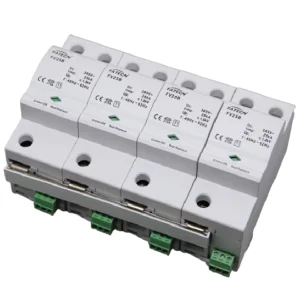
3. Rise of 1500V DC Solar Power plants: Photovoltaic arrays require high-performance DC protection units. Standard Type 1 and Type 1+2 surge suppressors are moving toward higher maximum continuous operating voltages ($U_{cpv}$) to handle transient swings in large commercial solar arrays.
For engineering companies supplying equipment to public works or commercial projects in Seattle and broader Washington State, verifying compliance with the National Electrical Code (NEC 2020/2023) is vital.
NEC Article 242 mandates the deployment of Type 1 or Type 2 SPDs for service panels of residential and commercial structures to minimize fire hazards. Selecting SPDs with UL-listed or TUV/CE marked compliance guarantees that incoming units meet municipal inspection standards.
Review our comprehensive lineup of low-voltage surge arresters, DC photovoltaic protections, and high-performance power distribution solutions.
Professional guidance from our R&D engineers on choosing, testing, and installing Type 1 Surge Protective Devices.
 Phlox Energy