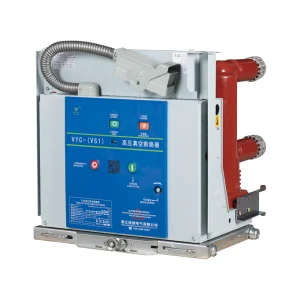
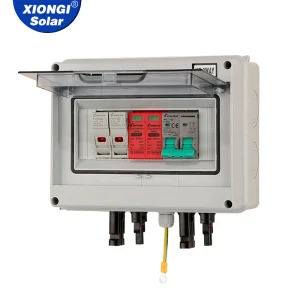
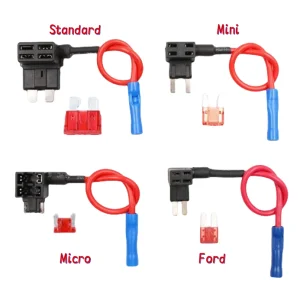
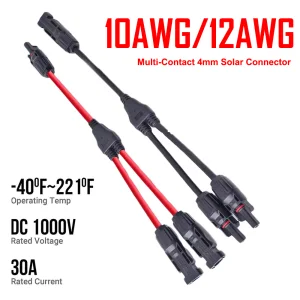
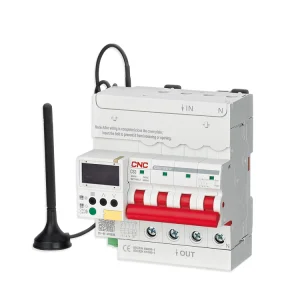
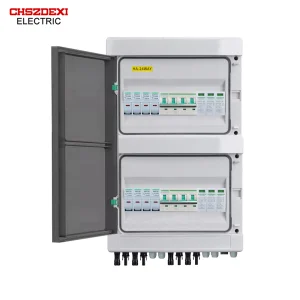
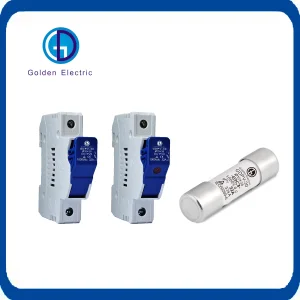
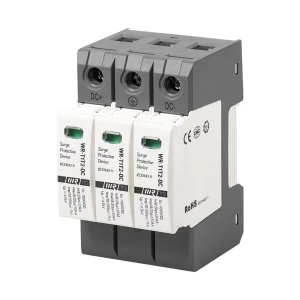
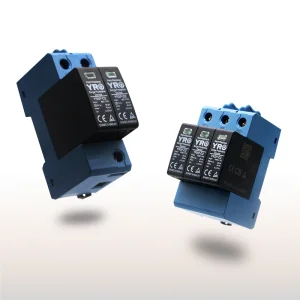
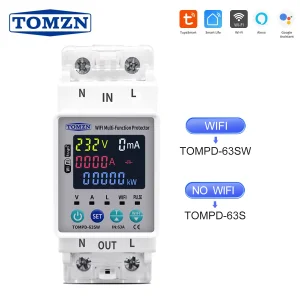
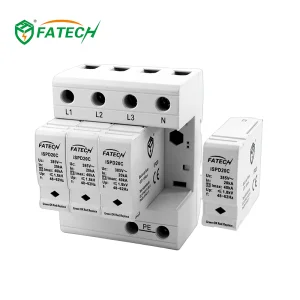
High-reliability circuit breakers, PV combiners, surge protection devices, and premium solar connector technologies engineered for continuous operation under harsh environments.
Conventional circuit breakers represent the cornerstone of electrical protection, shielding power systems from catastrophic thermal overloads and short circuits. Utilizing mechanical contact parting, arc chute dissipation, and precise electro-magnetic trip curves, modern circuit breakers prevent thermal runaway in electrical grids. Despite the rapid advance of pure-solid-state switching, the physical air gap offered by mechanical circuit isolation remains indispensable for electrical safety.
For global engineering procurement and project execution (EPC), selecting top-tier conventional circuit breakers is not merely about finding a fuse alternative. It involves planning for system discrimination, cascade coordination, and maximum breaking capacity under fault conditions. The interaction of thermal bimetal elements with magnetic trip armatures ensures dual protection: inverse-time characteristics for mild overloads, and instantaneous electromagnetic trips for massive fault currents.
Today’s complex grids carry a wide variety of load types, including non-linear switching power supplies and high-inrush inductive motors. Selecting a circuit breaker requires understanding curves B, C, and D to prevent nuisance tripping. Additionally, the proliferation of solar PV installations has introduced higher DC voltages (up to 1500V DC). Because DC arcs do not have a natural zero-crossing point, they are much harder to extinguish than AC arcs. As a result, DC solar grids require specialized internal magnetic arc-extinguisher structures inside miniature and molded case circuit breakers.
Bridging physical contact mechanical isolation with advanced microprocessors and industrial IoT monitoring systems.
Traditional breakers use bimetal strips with differing thermal expansion coefficients to detect overcurrents, combined with solenoid armatures for instantaneous short-circuit protection. Modern engineering has refined the metallurgy of these contacts. Today, silver-nickel and silver-tin-oxide contacts minimize contact resistance and prevent micro-welding during peak let-through energy surges.
Conventional circuit breakers are incorporating electronic microprocessors that run advanced RMS current sampling algorithms. By measuring current continuously, electronic trip units can dynamically adjust their trip profiles (L.I.S.G: Long time delay, Instantaneous, Short time delay, Ground fault). This provides precise protection and helps avoid nuisance tripping in complex power grids.
The convergence of low-voltage switchgear with the Internet of Things (IoT) has enabled features like real-time energy metering, thermal sensor telemetry, and remote shunt tripping via Wi-Fi, Zigbee, or Modbus. Predictive maintenance protocols can analyze trip histories, arc times, and temperature anomalies to identify potential issues before they cause costly downtime.
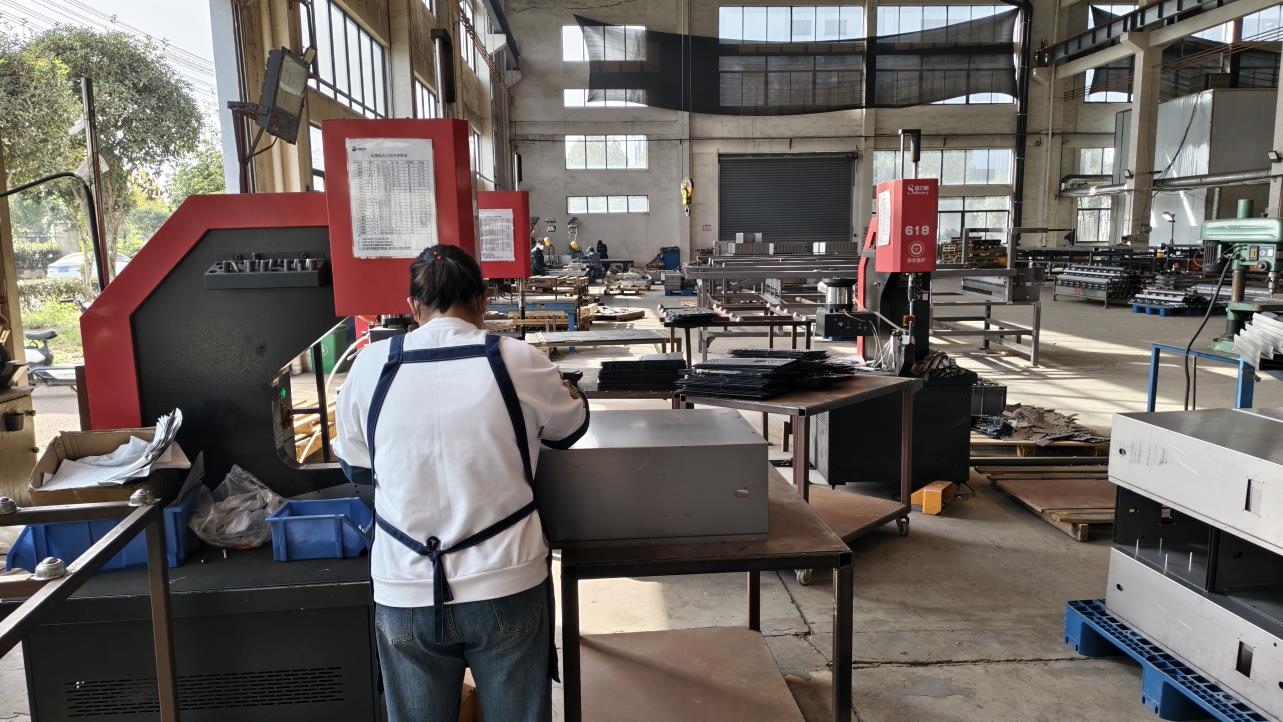
Inside Wenzhou Phlox Energy Co., Ltd.: Standard-defining production capacity spanning over 11,500 square meters.
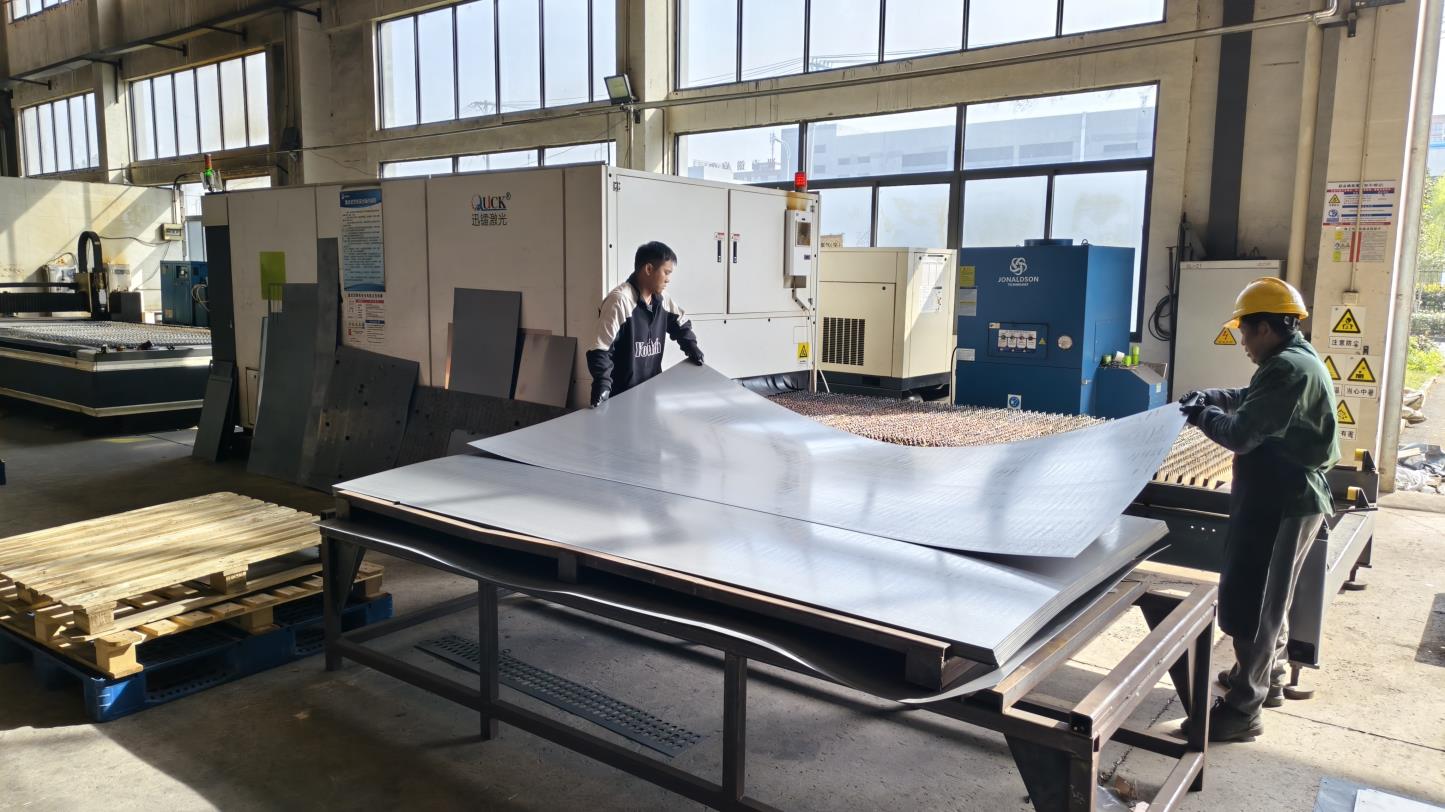
Our state-of-the-art facility in Wenzhou, China, leverages automated robotic systems to manufacture premium-grade electrical components. Wenzhou Phlox Energy ensures complete quality control over our entire supply chain. From the initial high-precision laser cutting of core structural parts to the automated calibration and testing of thermal trip mechanisms, every step is rigorously monitored to meet CE, TUV, IEC, CB, and ISO 9001 standards.
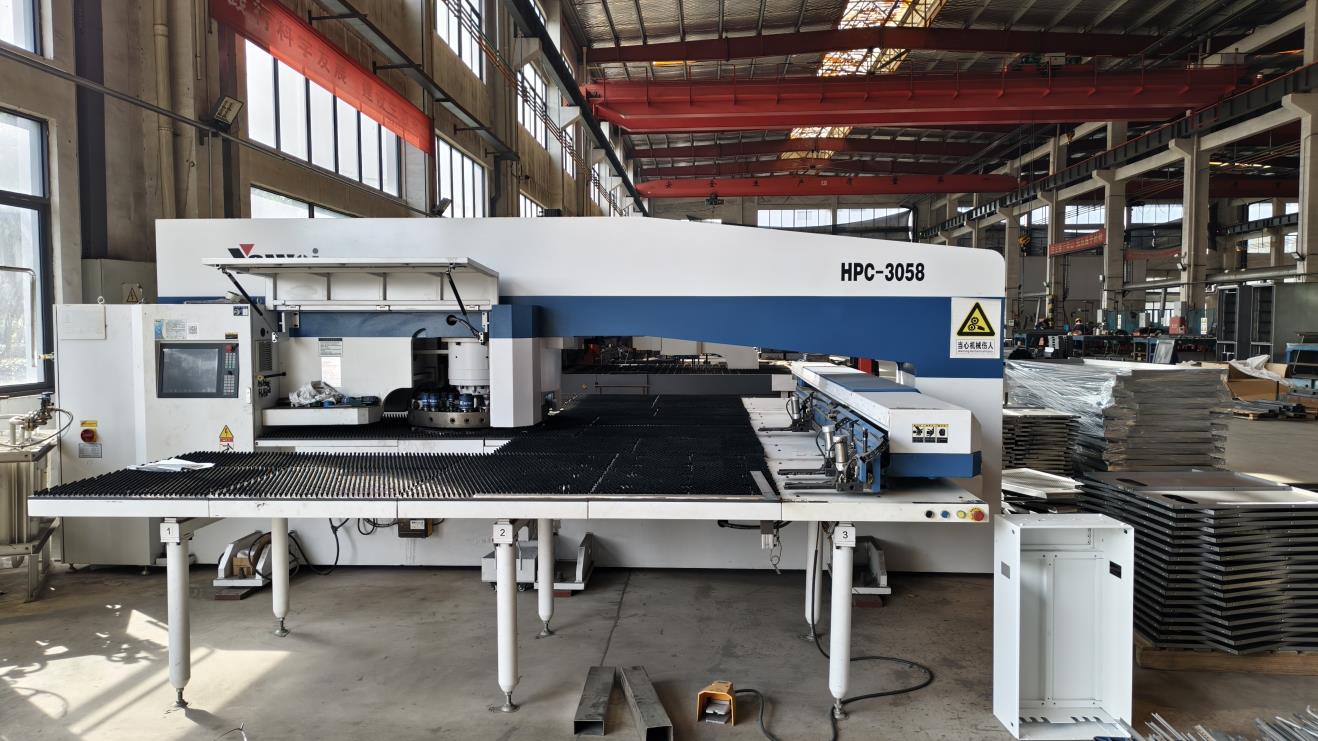

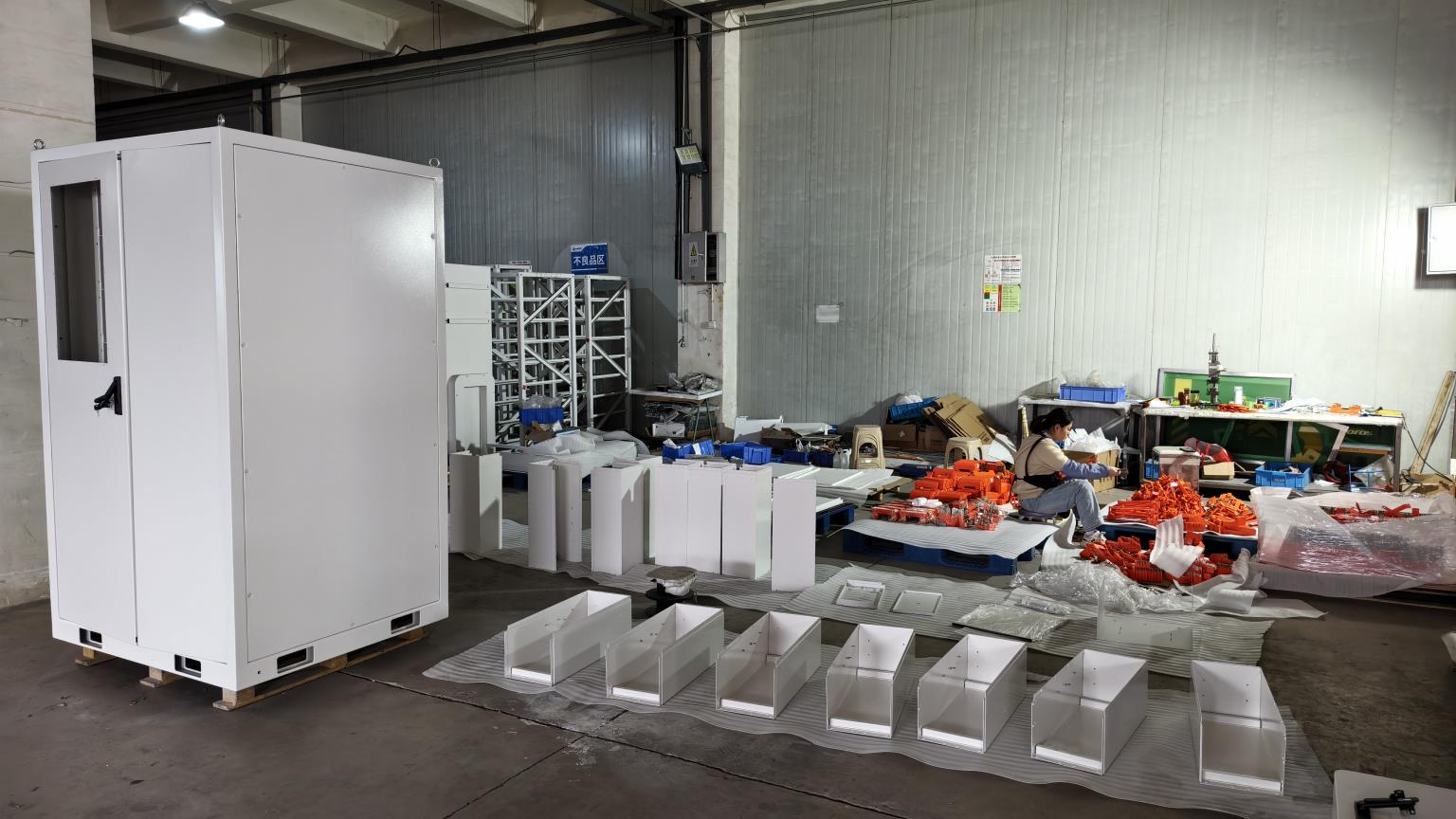
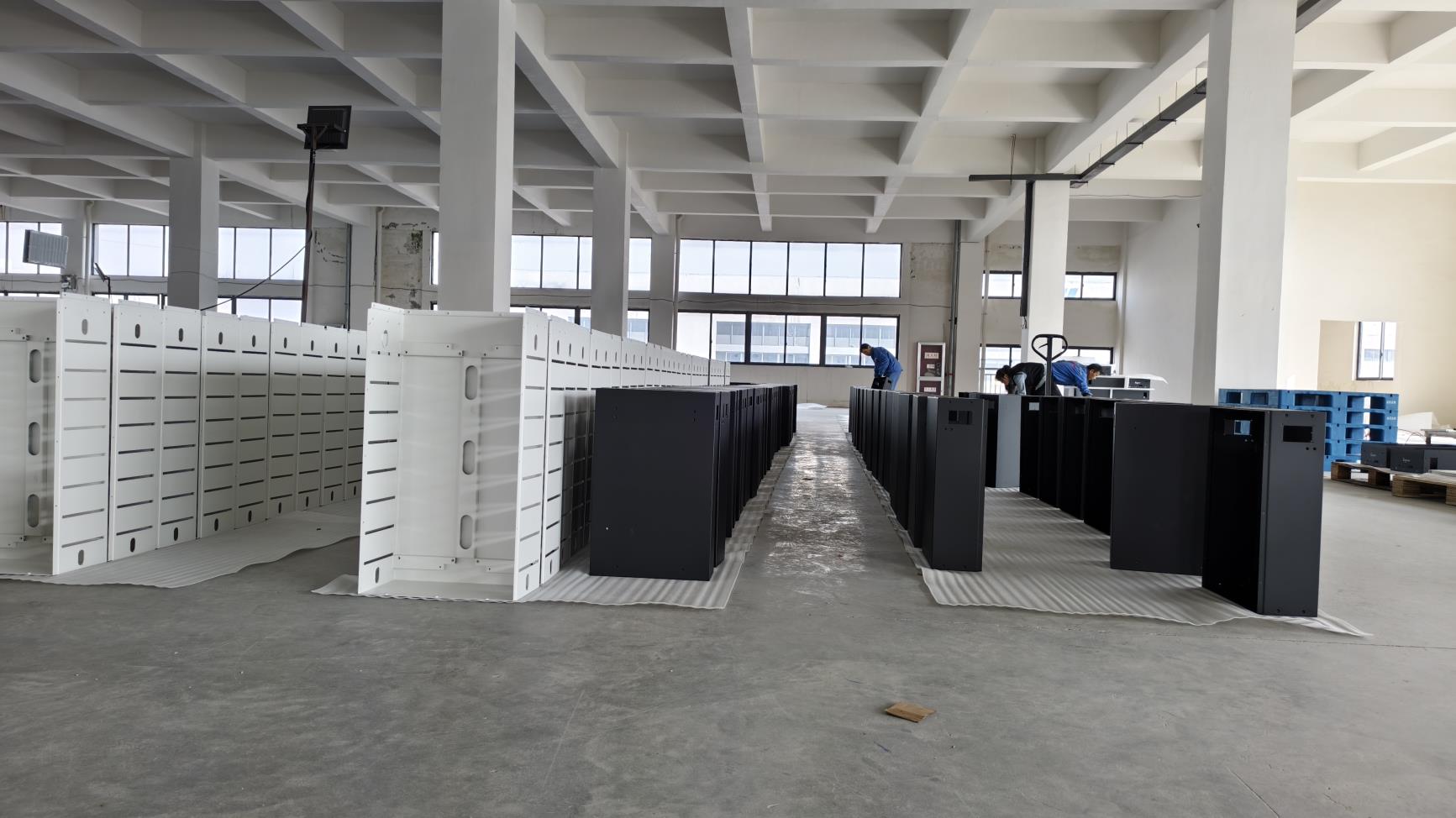
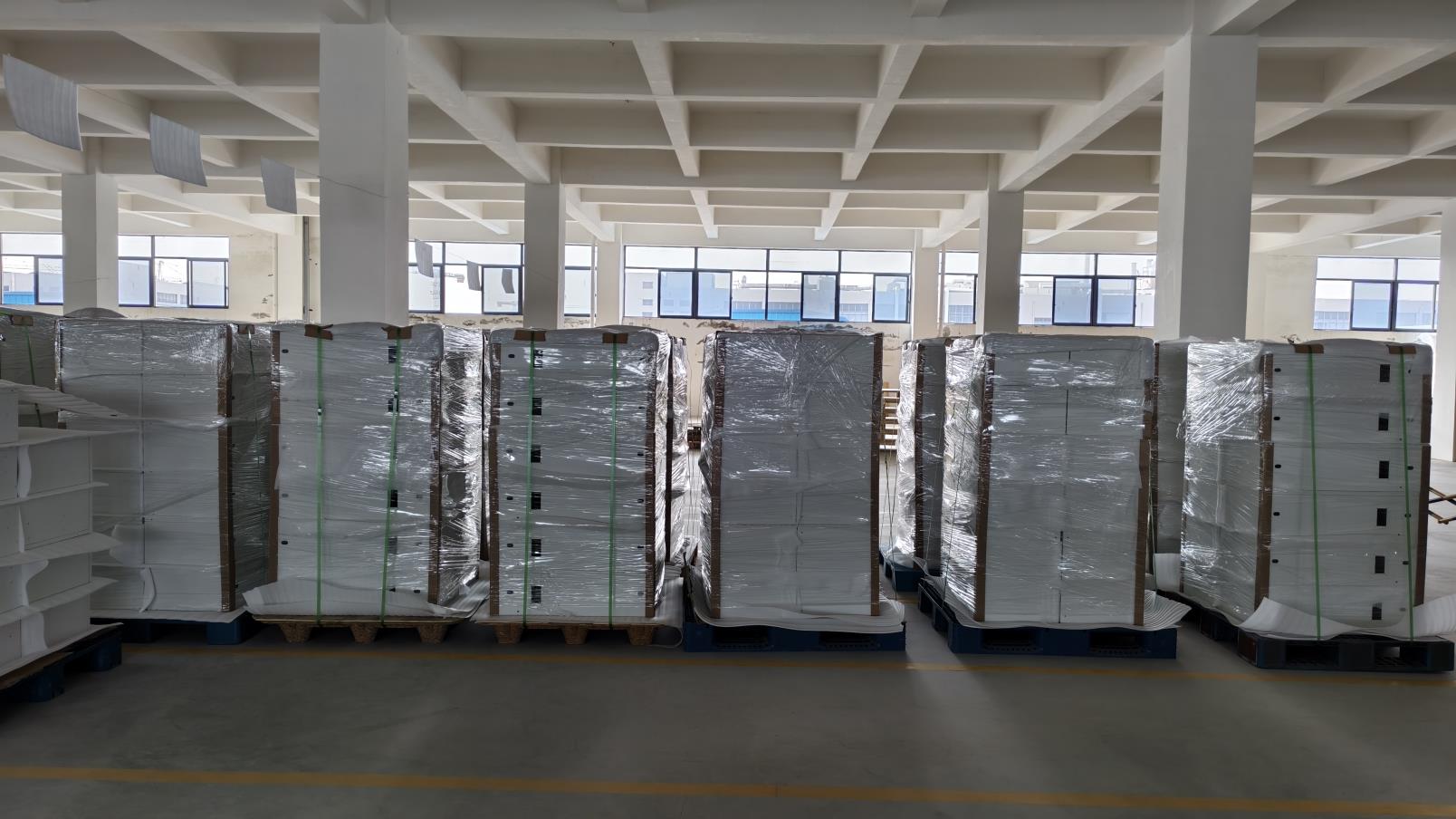
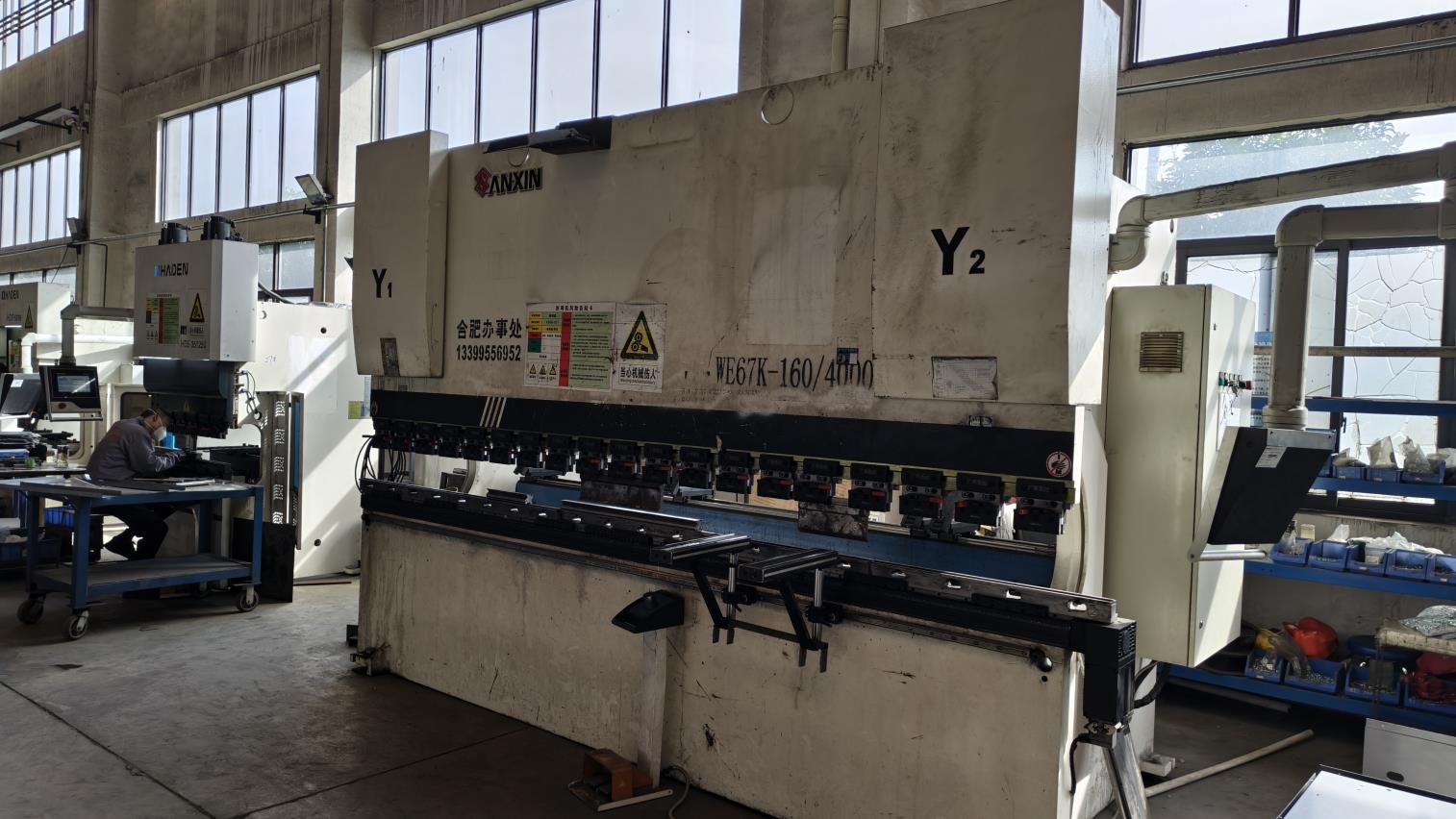
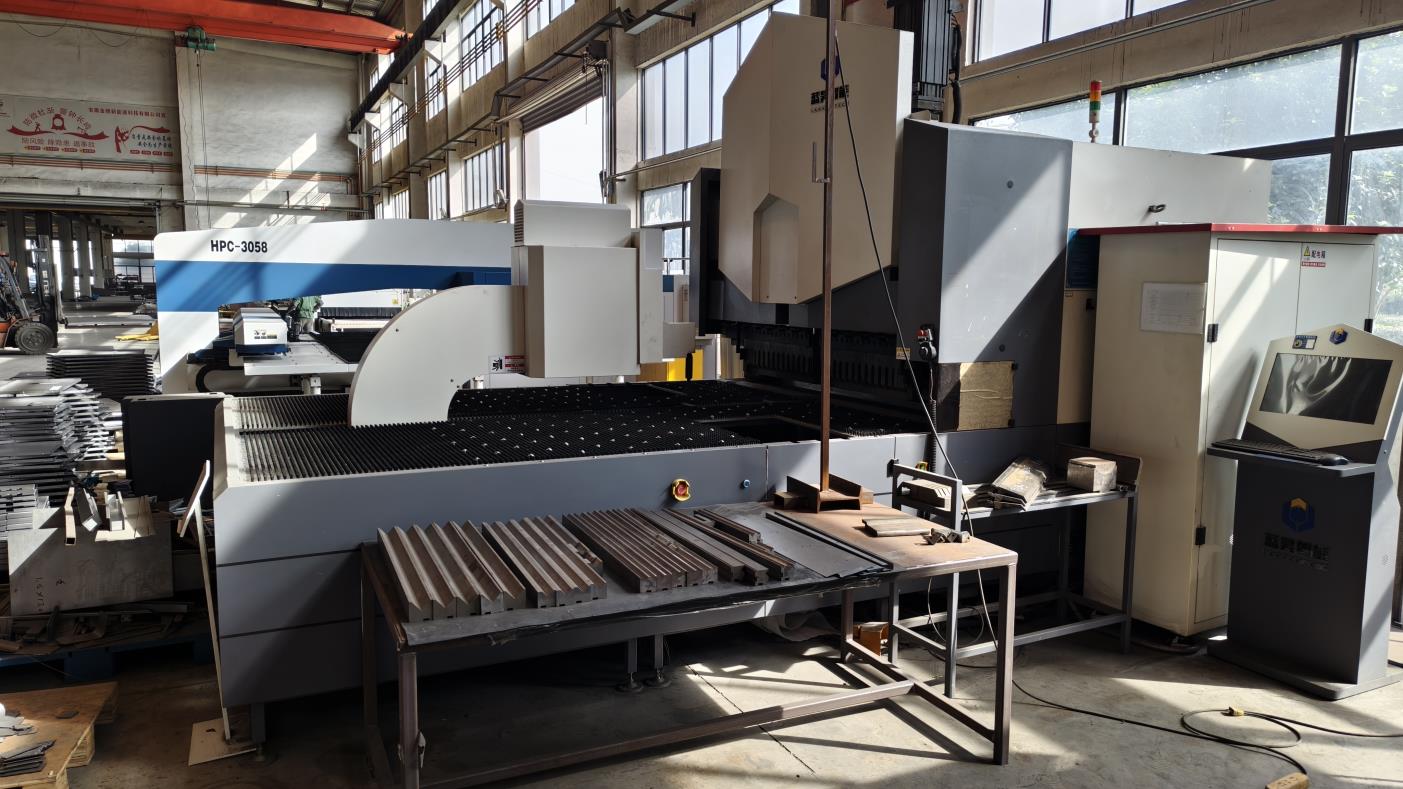
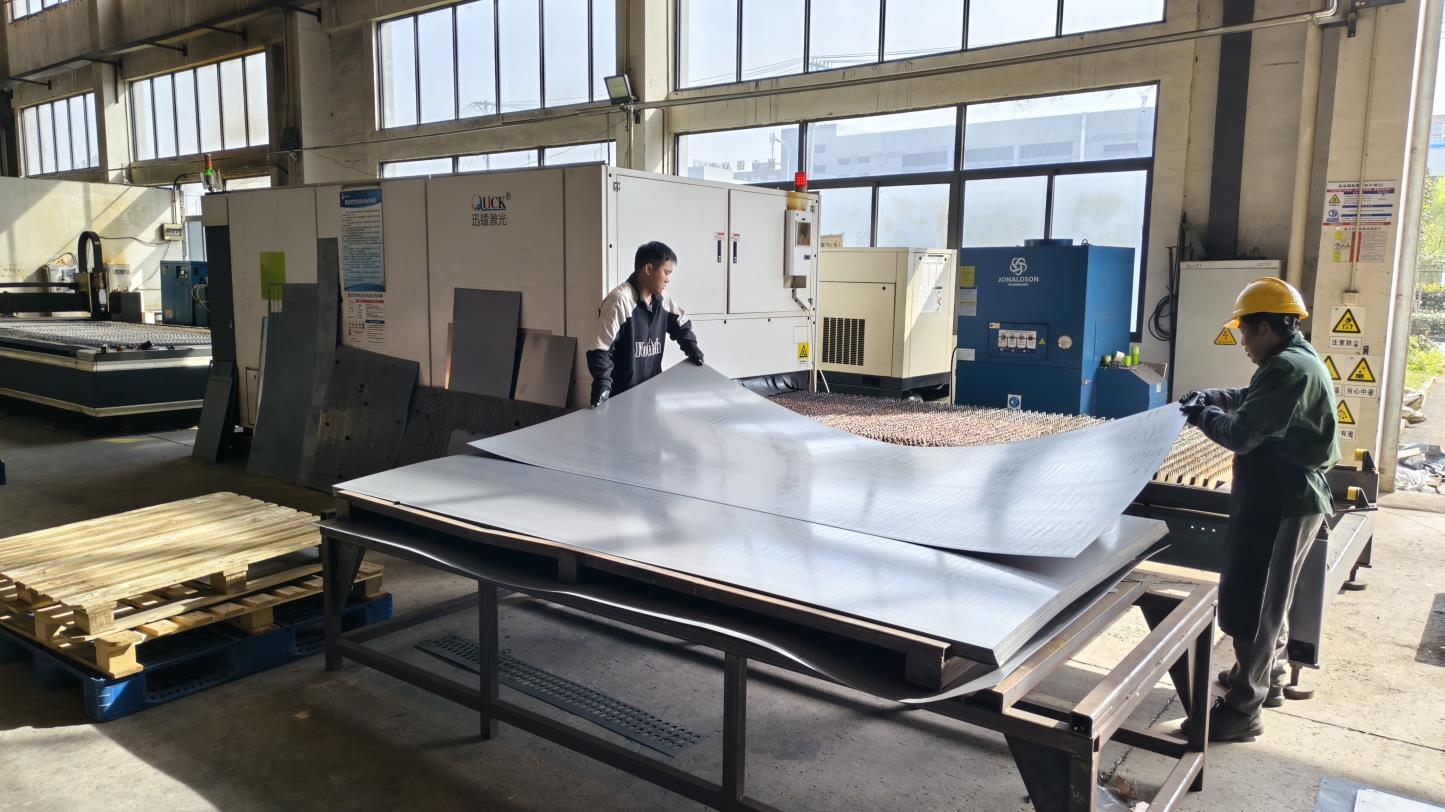
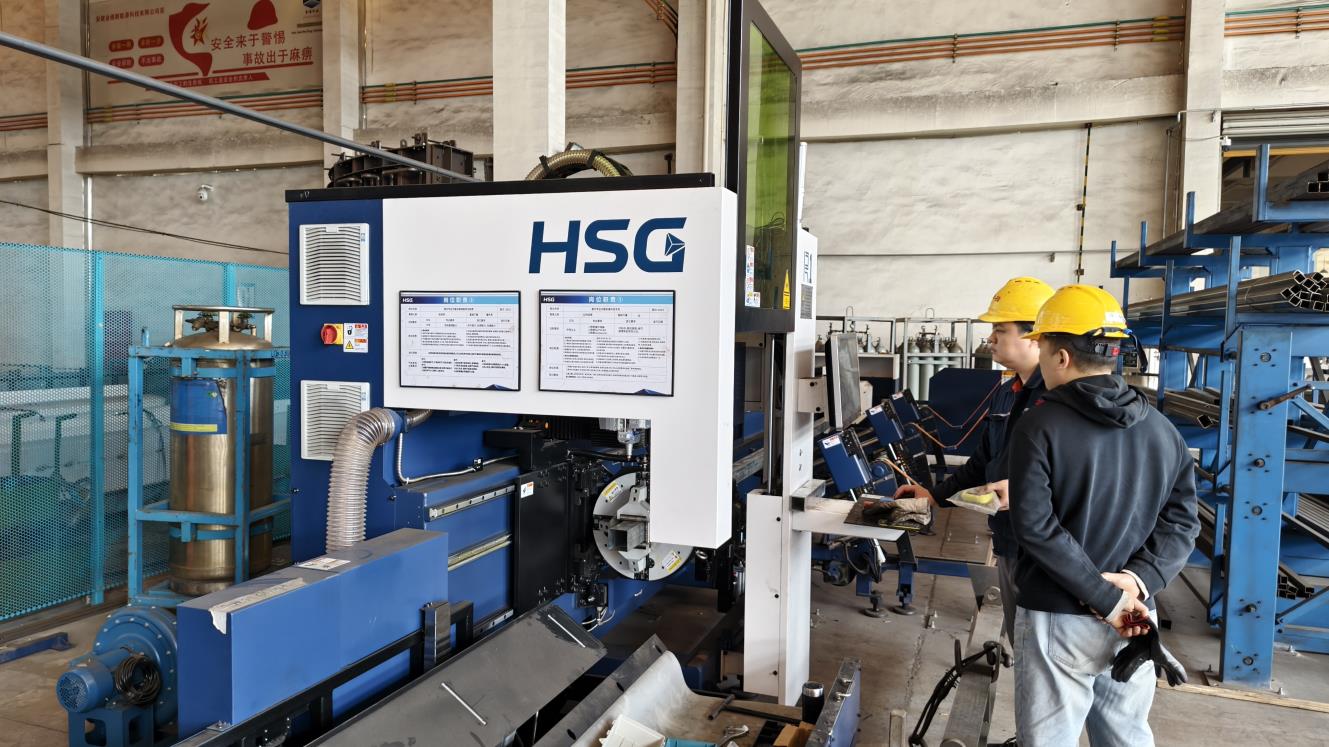
Conventional circuit breakers perform differently depending on local environmental factors. In industrial zones, high humidity, saltwater corrosion, and extreme temperatures can accelerate contact oxidation and shift thermal trip calibrations. Our breakers are engineered with temperature derating compensation curves to ensure dependable performance in settings ranging from arid desert solar arrays to humid coastal marine complexes.
Additionally, sub-zero installations—such as wind energy systems in Northern Europe or industrial refrigeration warehouses—can cause mechanical lubrications to stiffen, which risks delaying the breaker's release latch. Phlox Energy uses high-performance, weather-resistant low-temperature synthetic lubricants that keep mechanical response times under 15 milliseconds. This protects your critical systems even in climates down to -40°C.
Whether protecting commercial sub-panels or high-voltage solar DC combiner boxes, you must carefully evaluate environmental and operating factors:
Altitude Adjustments: Over 2000m, dielectric properties drop. Voltage tolerance must be derated by 1% per 100m.
IP Ratings: Outdoor applications require IP65 enclosures to protect components from dust and rain.
Surge Coordination: Cascading Type 1 and Type 2 surge protectors prevents high let-through transient spikes from reaching sensitive control electronics.
Ensuring electrical performance across international test scopes, certifications, and compliance benchmarks.
At Phlox Energy, electrical safety is non-negotiable. Every circuit breaker, solar PV combiner box, fuse, and surge protection device is built to comply with international low-voltage standards. We help global clients navigate the complex landscape of regulatory compliance and localized installation approvals.
These standards govern Molded Case Circuit Breakers (MCCBs) and Air Circuit Breakers (ACBs) for industrial distribution systems. Compliance ensures that our products maintain their rated breaking capacity (Icu) and service breaking capacity (Ics) under repeated short-circuit faults.
This standard specifies test requirements for household and commercial Miniature Circuit Breakers (MCBs). It guarantees safe operation for non-professional end-users by ensuring reliable overcurrent trips at standard ratings up to 125A.
Designed to address requirements in North American and global solar PV installations. These certifications verify that DC electrical disconnect switches, combiner boxes, and fuses can safely isolate DC fault currents up to 1500V DC without causing fire hazards.
Expert engineering answers to common technical inquiries regarding circuit breaker selection, safety parameters, and solar DC integrations.
Explore our intelligent telemetry-enabled switches, robust high-voltage fuses, and class-leading surge protective options.
 Phlox Energy