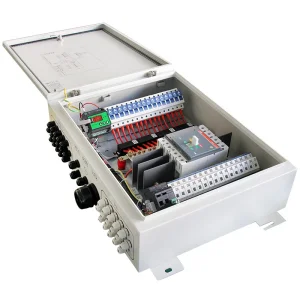
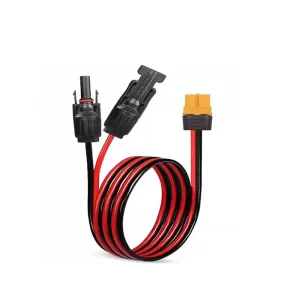
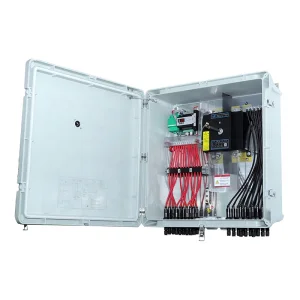
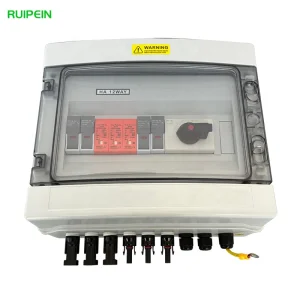
Explore our foundational range of circuit protection devices, smart lock enclosures, and heavy-duty connectors designed to minimize BOS costs and maximize utility uptime.
An in-depth whitepaper assessing the evolutionary shift from standard distribution assemblies to smart, high-density, centralized DC monitoring and safety platforms.
The global utility-scale solar landscape has largely transitioned from legacy 1000V DC system architectures to 1500V DC configurations. This migration allows engineers to run longer string profiles, minimizing the overall amount of DC combiner boxes, wiring, and associated balance-of-system (BOS) components. Consequently, manufacturers must develop combiner boxes with enhanced dielectric strength, optimized thermal dissipation, and highly reliable DC fuses capable of interrupting heavy fault currents under high voltage stresses.
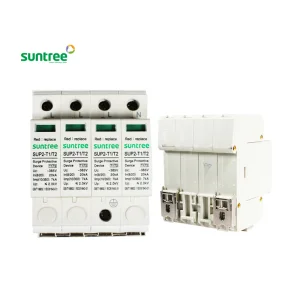
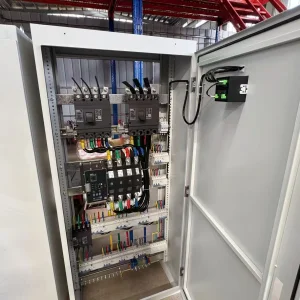
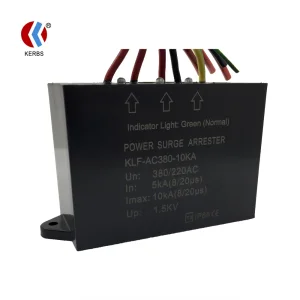
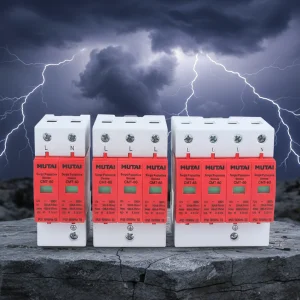
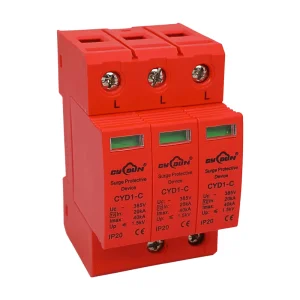
Commercial and Industrial (C&I) deployments mandate rigorous risk mitigation protocols. In regions such as Europe and North America, compliance with IEC 61439-2 and UL 1741 standards is imperative. Modern combiner cabinets incorporate robust protection circuits featuring surge protective devices (SPDs), DC isolator switches, and fast-acting fuses. These safeguard critical downstream components—like central or string inverters—from catastrophic lightning-induced transients and line-to-line faults.
Traditional passive combiner solutions are being systematically phased out by modern operators in favor of smart, sensor-integrated combiner systems. Utilizing Modbus RTU or wireless IoT protocols, these digital systems continually assess parameters including current levels per string, array voltage, internal cabinet temperatures, and the real-time operational status of surge suppressors. This granular data transmission empowers operations and maintenance (O&M) teams to perform predictive analysis, minimizing downtime.
As PV plant capacities continue to scale into gigawatt thresholds, the engineering demands on the central DC distribution points intensify. Today’s technology roadmap prioritizes absolute system reliability under fluctuating atmospheric conditions. To achieve this, leading developers utilize specialized PPO (Polyphenylene Oxide) and PC (Polycarbonate) materials alongside structural powder-coated sheet metal to construct corrosion-resistant enclosures. These materials are chosen for their superior thermal mechanical stability, resistance to intense UV radiation, and excellent dielectric characteristics.
Furthermore, the integration of Rapid Shutdown (RSD) systems directly inside the combiner assembly represents a significant leap forward in fire safety. In compliance with National Electrical Code (NEC) regulations, RSD solutions automatically drop the internal voltage levels within the array to touch-safe thresholds within seconds of a critical event trigger. This guarantees that emergency personnel can operate safely around the high-voltage system without fear of electrocution from energized DC conductors.
The core objective of modern solar installations is achieving the lowest possible Levelized Cost of Energy (LCOE). Centralized DC combiner configurations achieve this by optimizing structural cabling. Instead of deploying numerous long, high-cross-section AC cables, designers run cost-effective, thin DC PV wires to localized combiner systems, consolidating the current before feeding the central inverter using a single pair of heavy-gauge conductors. This method significantly reduces copper volume, diminishes thermal power loss ($I^2R$ losses), and streamlines labor requirements during EPC execution phases.
How specialized combiner cabinet designs are custom-tailored to combat extreme site environments and preserve internal electronics over 25+ year life spans.
Environment: Intense humidity, high ambient salinity, and constant structural movement.
Solution: We leverage hermetically sealed IP68-rated cabinets constructed from corrosion-proof thermoplastic materials. The internal components are protected using specialized anti-condensation valves and marine-grade tin-plated copper busbars to resist galvanic oxidation over extended periods.
Environment: Extreme ambient temperatures reaching up to 55°C, high ultraviolet index, and heavy particulate dust.
Solution: Heavy-duty metal enclosures with solar radiation shields are deployed. These feature thermal analysis-driven natural ventilation channels. These systems do not require active fan cooling, which could introduce dust ingress, maintaining an IP65 barrier and preventing thermal de-rating of internal fuses.
Environment: Low atmospheric pressure, extreme sub-zero temperatures, and severe lightning strike frequencies.
Solution: Enhanced dielectric clearance distances are factored into the interior layouts to prevent high-altitude arcing. Combined with heavy-duty Type 1+2 surge protective units and low-temperature tolerance wiring, these systems maintain electrical stability down to -40°C.
Integrating protective components into cohesive, safe, and highly efficient DC arrays to streamline modern renewable energy infrastructure.
In large-scale solar projects, the combiner box is not merely a collection point but the primary defensive shield of the entire array. From a macro-engineering perspective, optimizing the electrical layout involves analyzing string counts, input/output current limits, and transient lightning frequencies. By deploying localized combiner boxes with built-in DC isolator switches, O&M teams can safely isolate specific zones of the array for maintenance without shutting down the entire PV plant. This selective isolation preserves generation metrics and stabilizes feed-in tariffs.
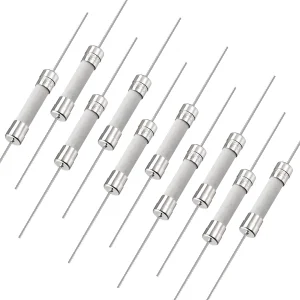
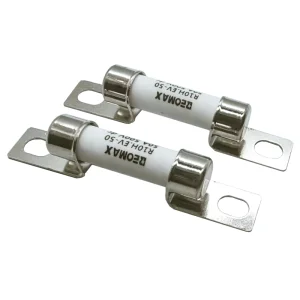
Additionally, selecting the correct fuse and surge protection coordination is vital. If a short circuit occurs within a solar string, the localized fuse must blow rapidly to isolate the faulted circuit before the back-fed currents can damage adjacent strings or cause thermal runaway inside the combiner. Our manufacturing standards prioritize this high-speed clearing behavior, utilizing pure silver fuse links housed in high-grade ceramic bodies.
A premier global developer of advanced photovoltaic protection and electrical connection systems, engineering reliability for a sustainable future.
Wenzhou Phlox Energy Co., Ltd. is a professional manufacturer and supplier specializing in solar photovoltaic protection and electrical connection solutions. With more than 10 years of industry experience, we are dedicated to the research, development, production, and innovation of high-quality solar accessories and low-voltage electrical products for global renewable energy markets.
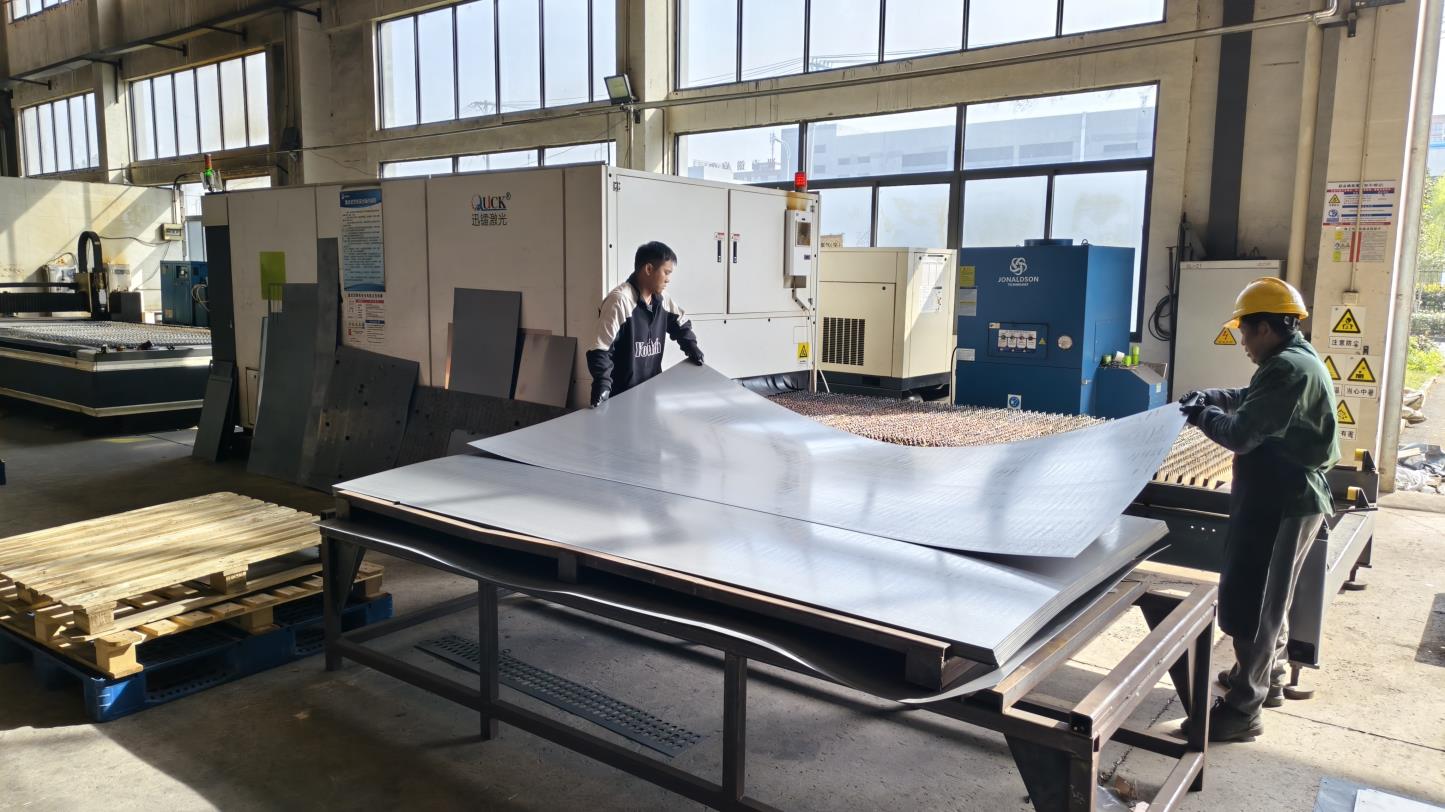
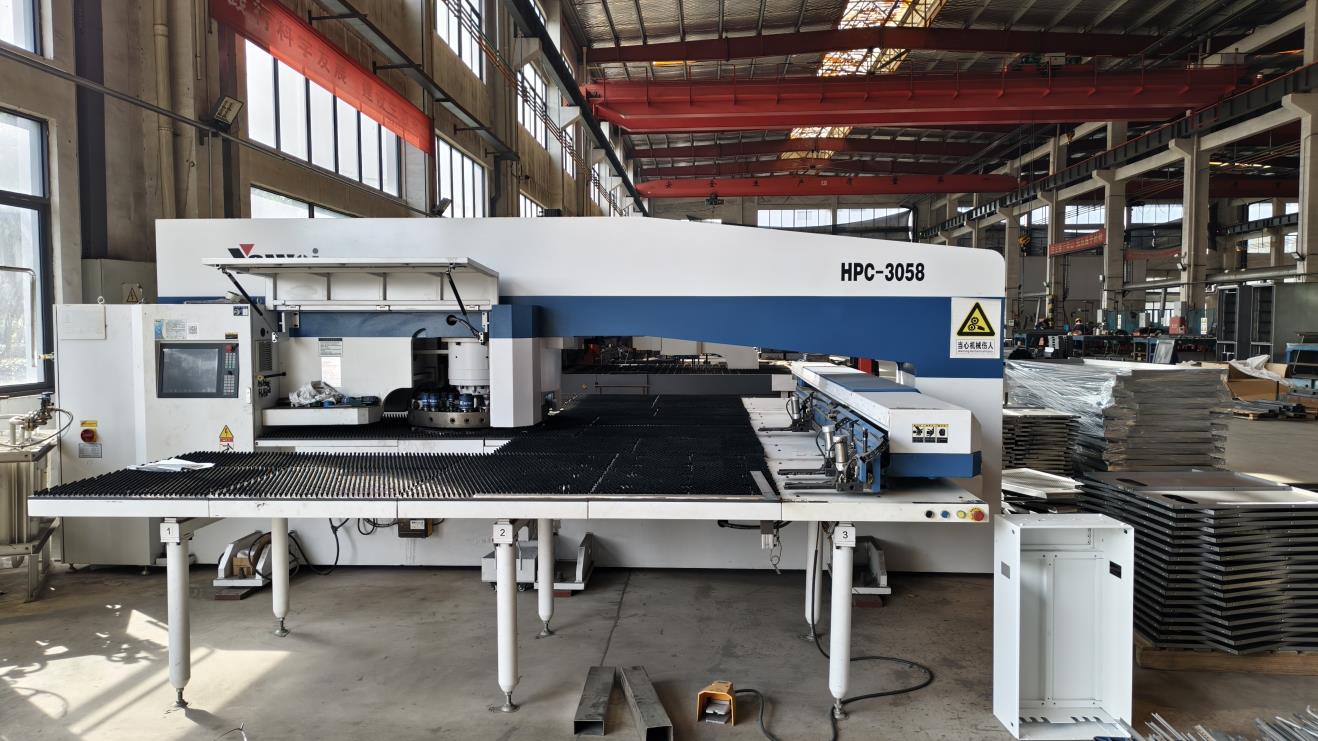
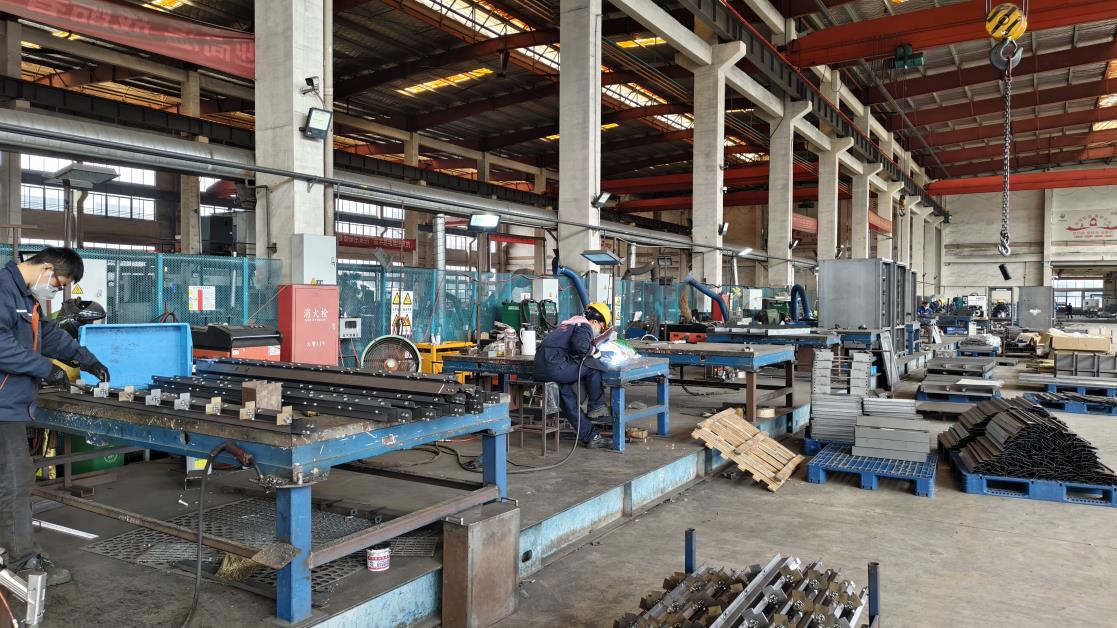
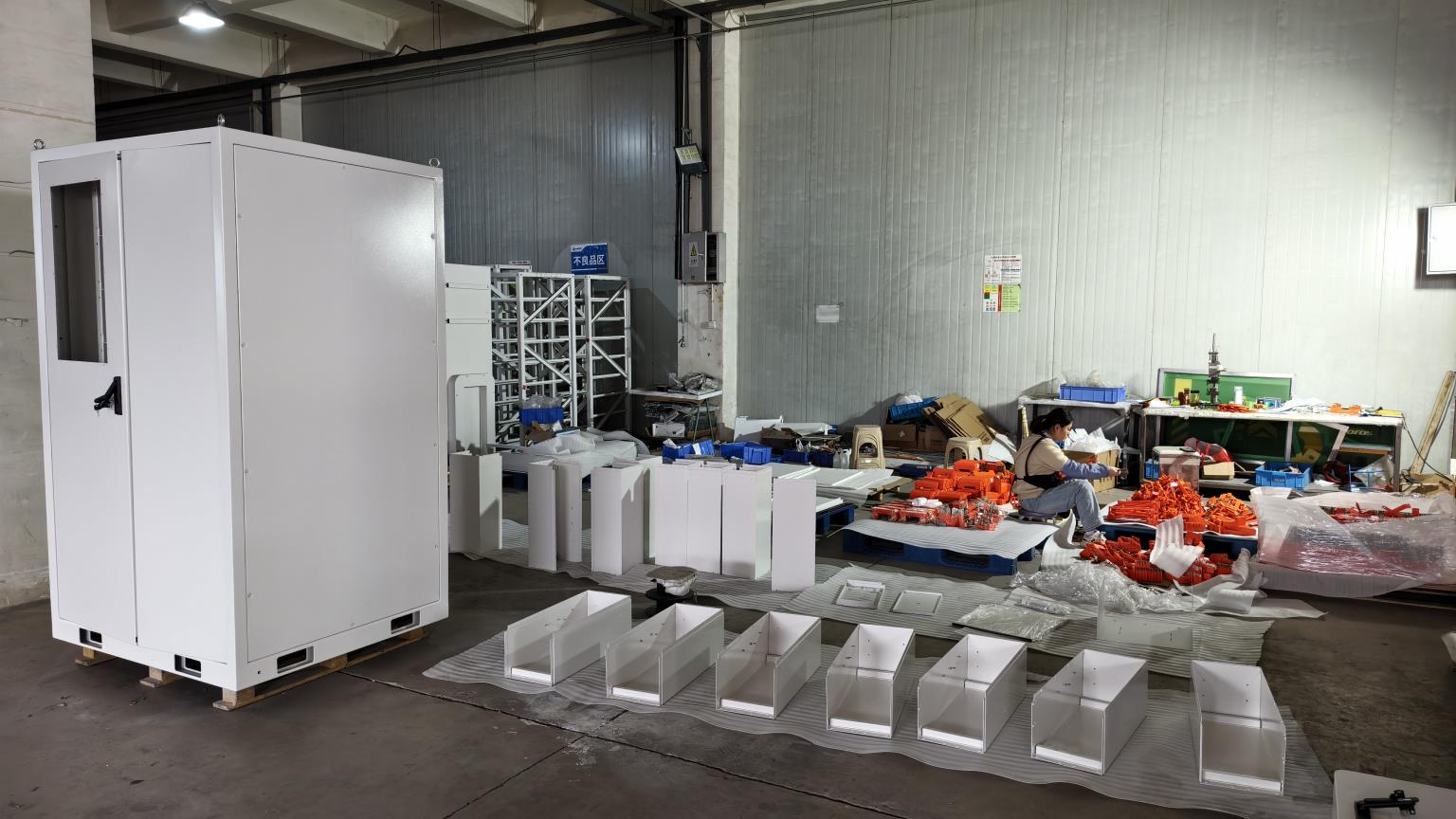
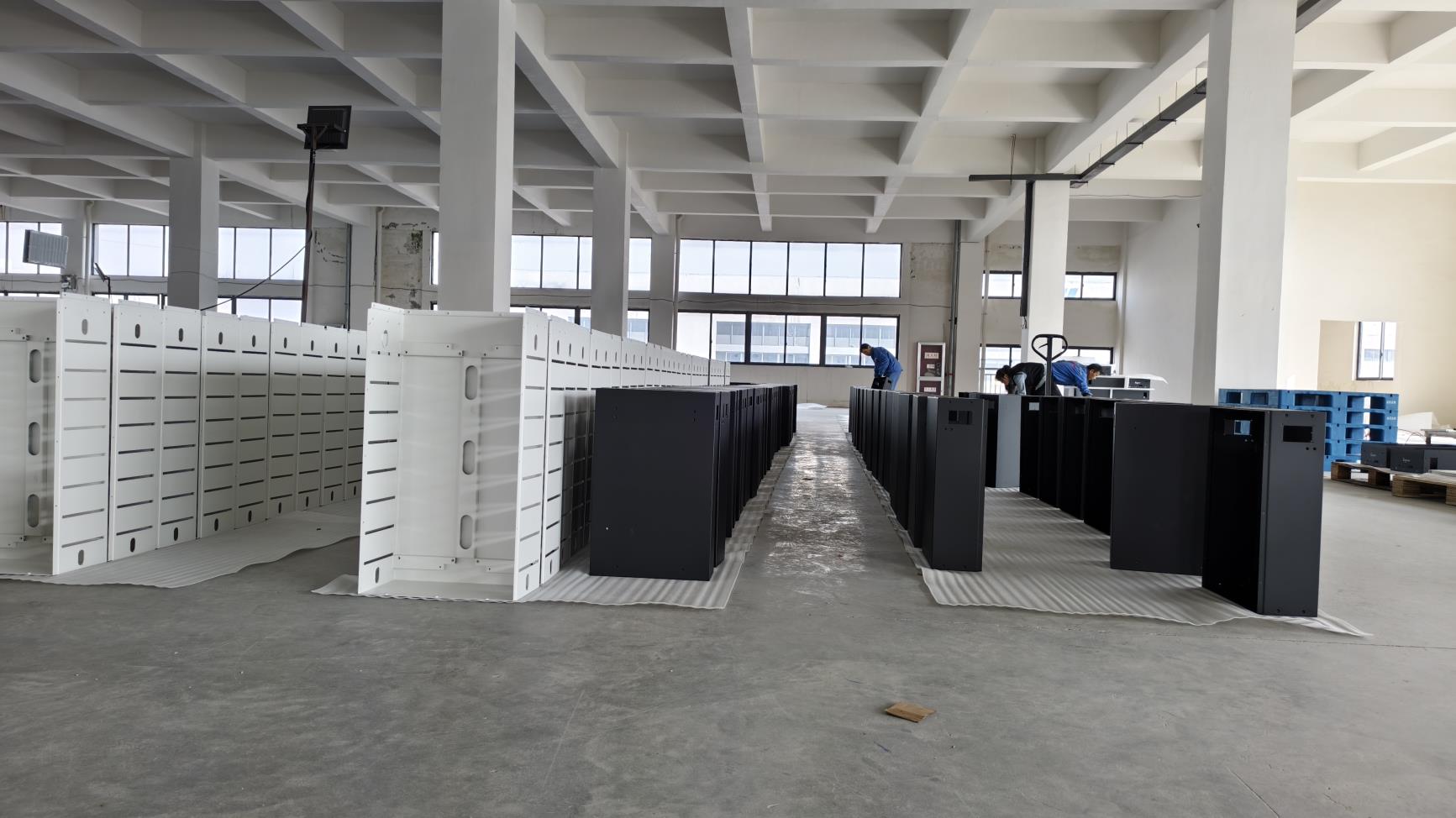
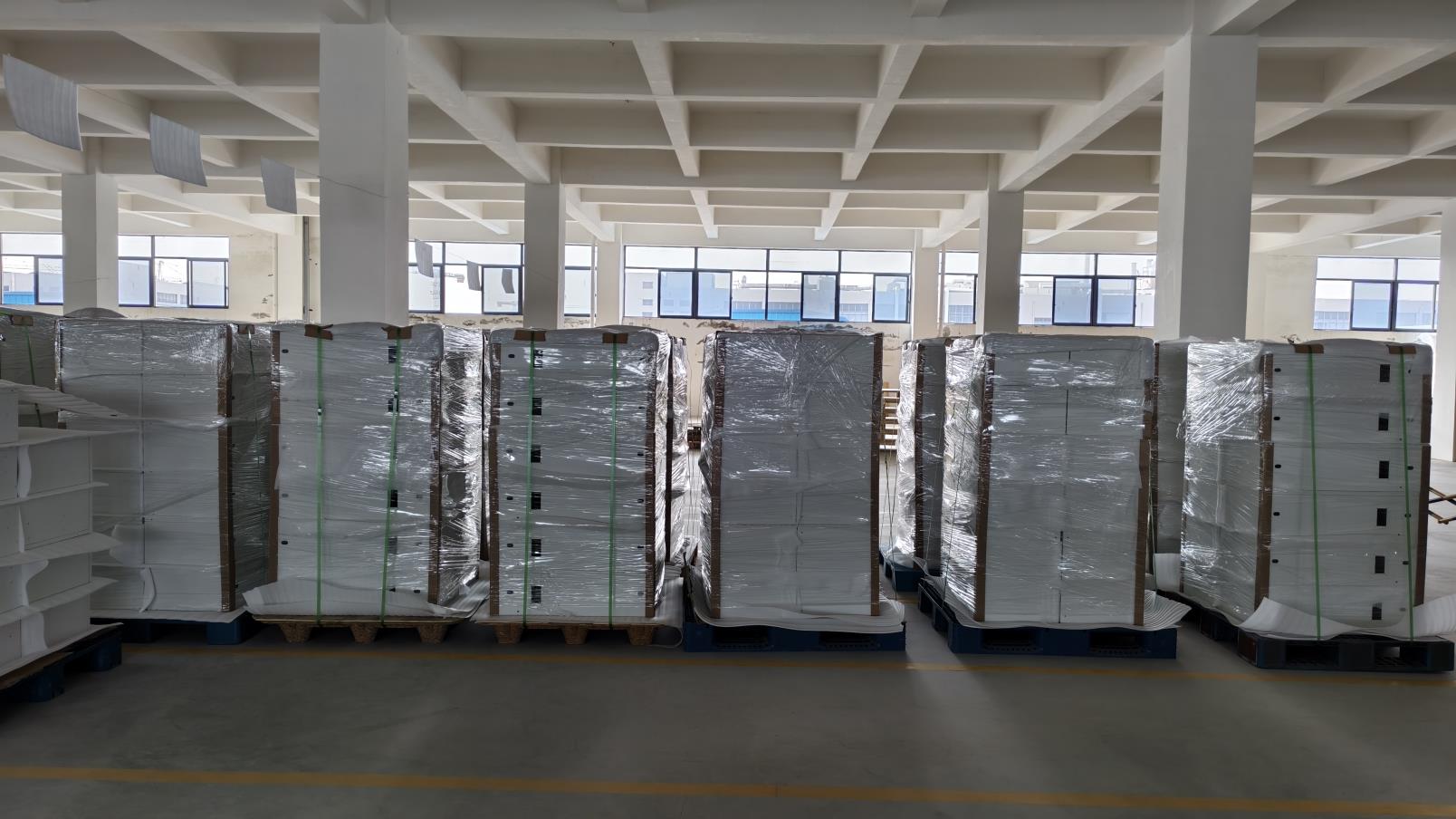
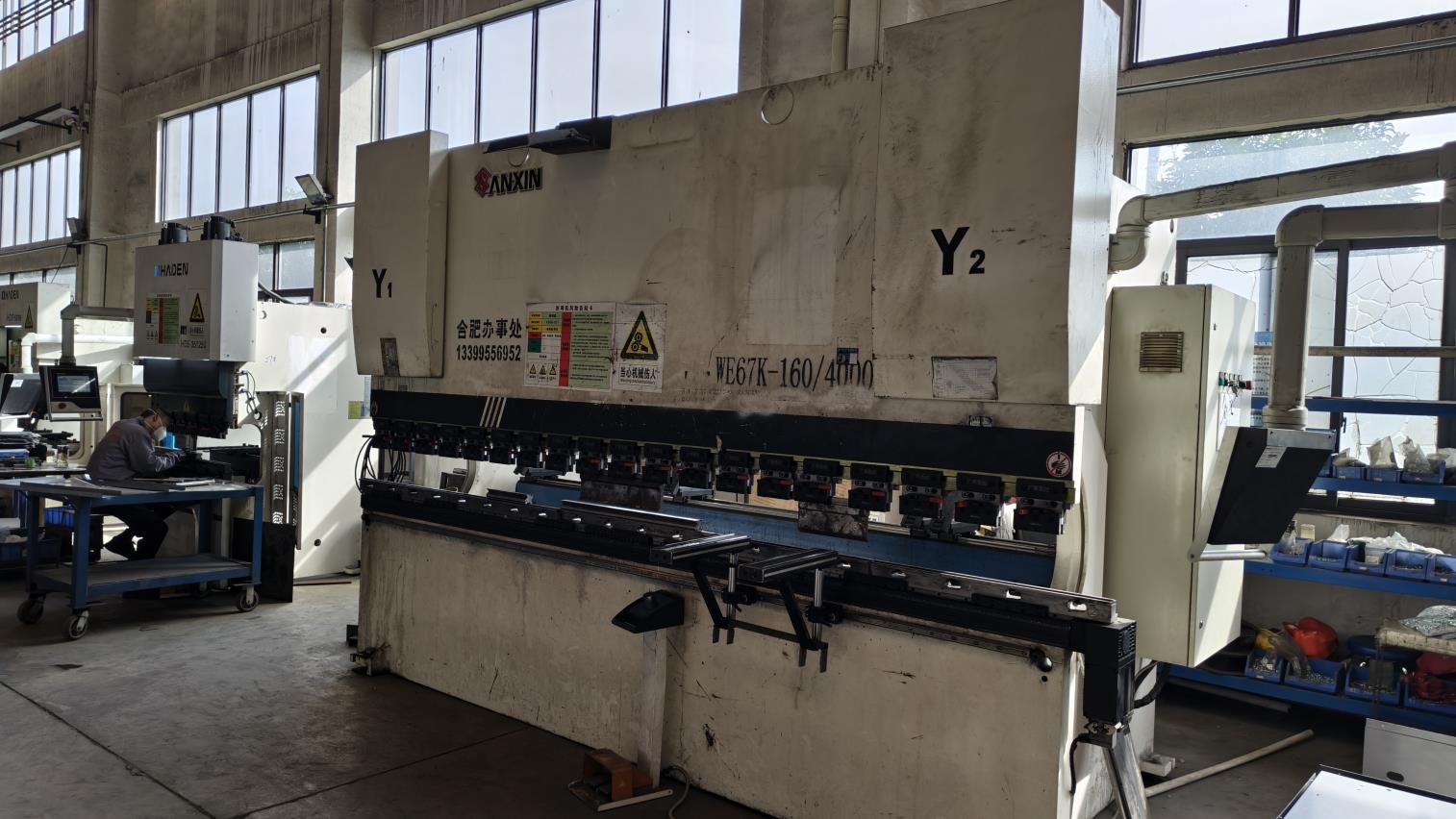
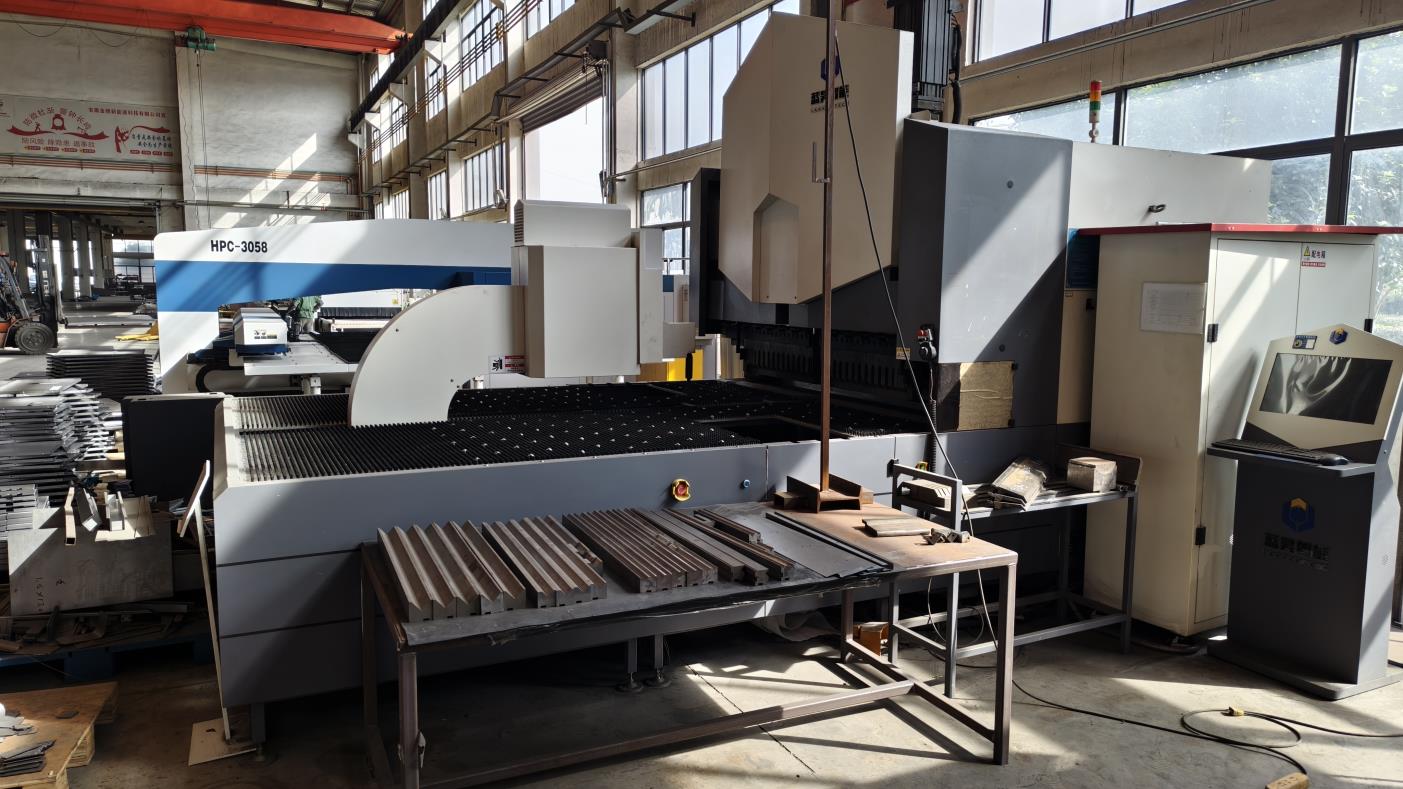
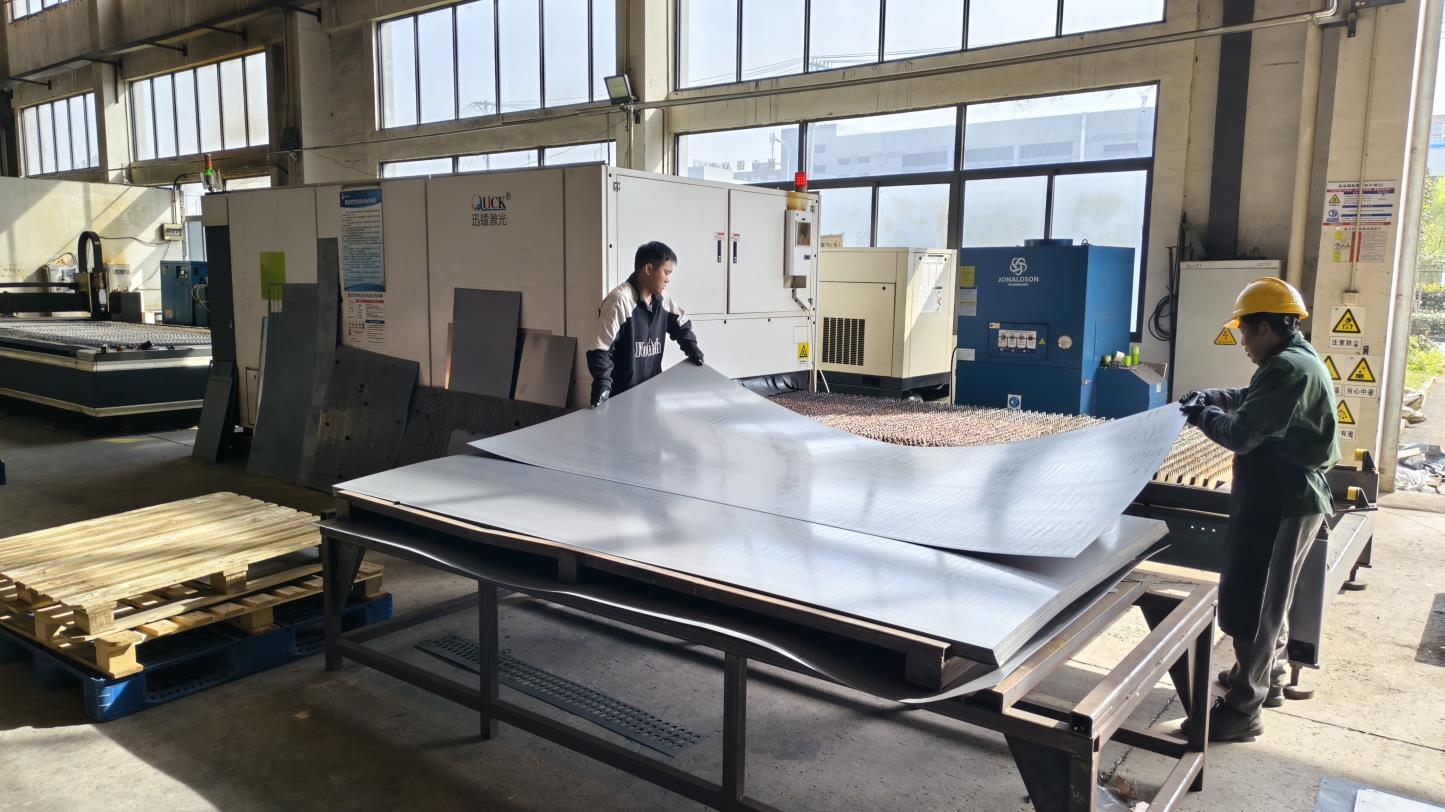
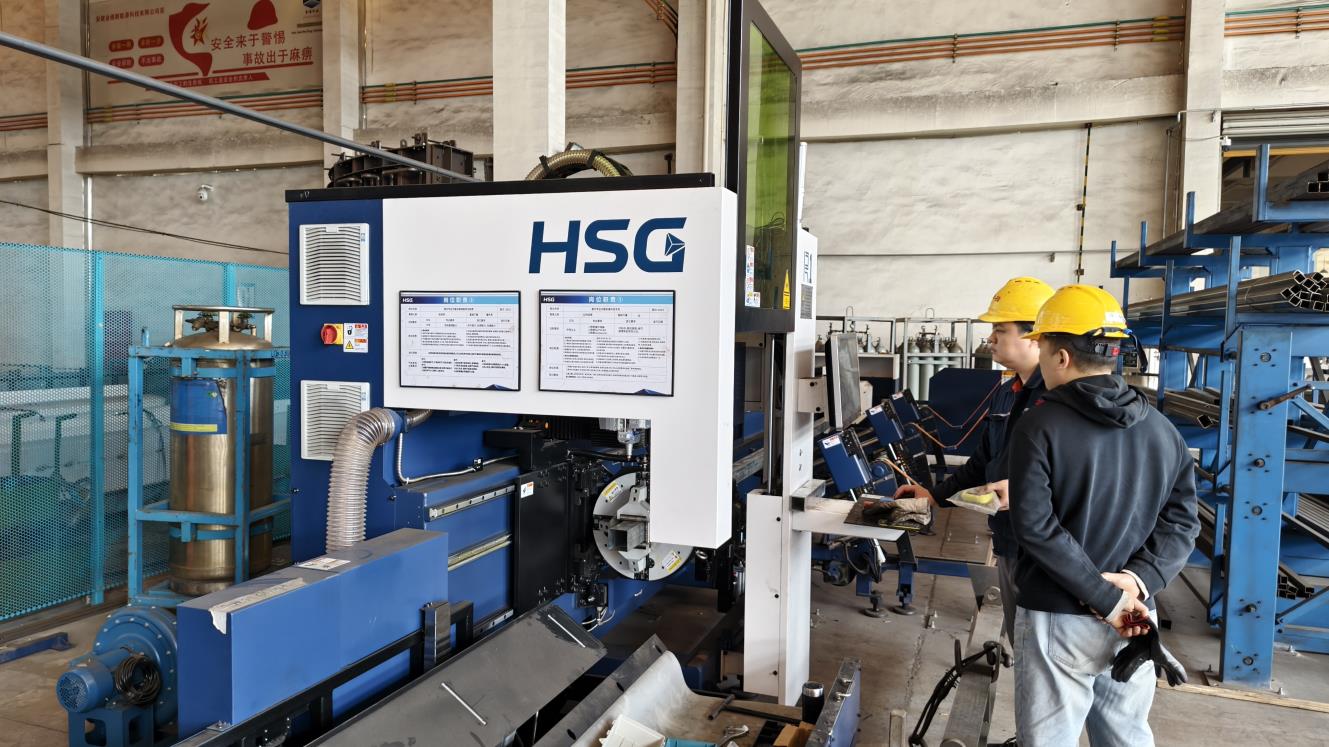
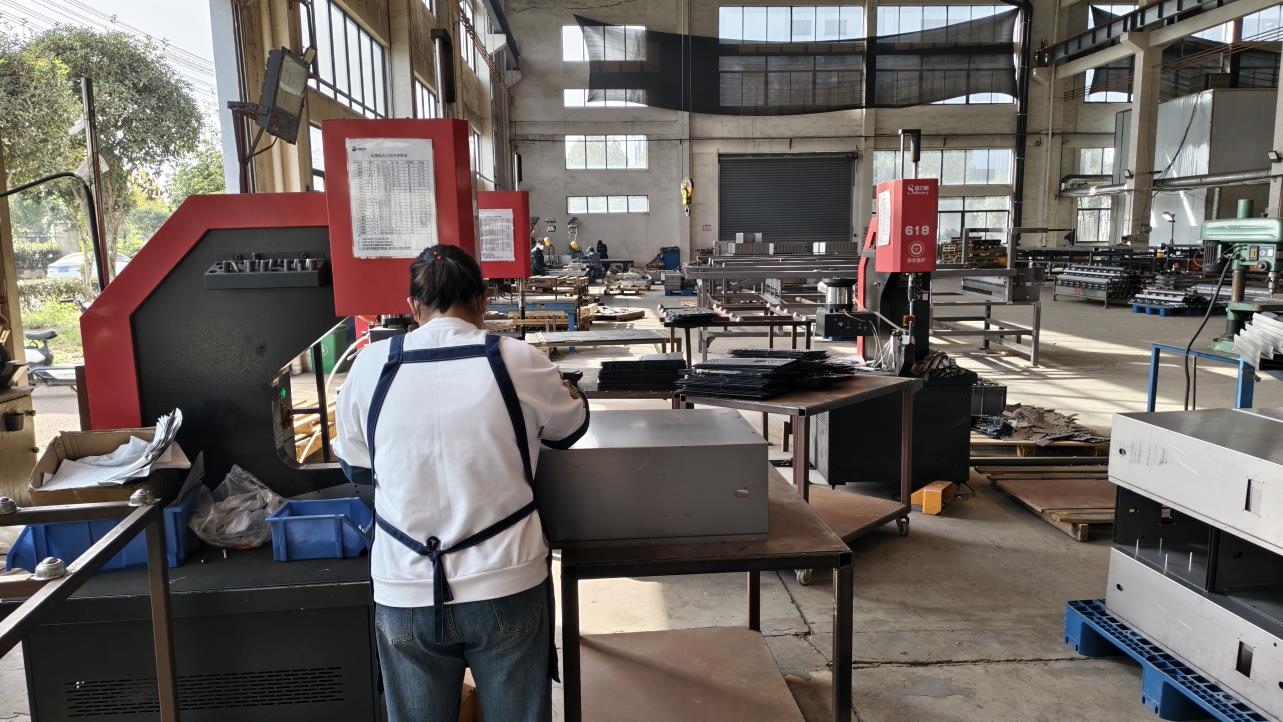
Our manufacturing facility covers an area of over 11,500 square meters and is equipped with 7 advanced production lines, more than 100 automated production machines, and a skilled workforce of over 150 employees. With strong production capacity and efficient management systems, our annual output value exceeds USD 20 million.
Phlox Energy specializes in the production of DC miniature circuit breakers (MCBs), surge protective devices (SPDs), photovoltaic fuses, solar connectors, DC isolator switches, distribution boxes, combiner boxes, and other solar power system components. Our products are widely used in residential, commercial, and industrial photovoltaic installations around the world.
Quality is at the core of everything we do. Our products are manufactured in strict accordance with international standards and have obtained certifications including CE, TUV, IEC, CB, and ISO 9001. Every product undergoes comprehensive quality inspections and rigorous testing procedures to ensure safety, reliability, and long-term performance in demanding environments.
Driven by continuous innovation, our experienced R&D team works closely with customers to develop customized solutions that meet evolving market requirements. We also provide OEM and ODM services, helping partners build competitive product portfolios and strengthen their market presence.
Having successfully participated in more than 3,900 solar energy projects worldwide, Phlox Energy has earned a strong reputation for premium product quality, competitive pricing, reliable delivery, and professional after-sales support. Our commitment to customer satisfaction and long-term cooperation has made us a trusted partner for distributors, installers, EPC contractors, and solar energy companies across the globe.
At Wenzhou Phlox Energy Co., Ltd., we are committed to supporting the global transition to clean and sustainable energy. We look forward to building long-term partnerships with customers worldwide and achieving mutual growth and success together.
Get professional, engineering-focused insights about system configuration, electrical safety compliance, and installation best practices.
Ensuring system durability with high-breaking-capacity fuses, lightning protection systems, and weather-resistant distribution boards.
 Phlox Energy