Analyzing the comparative advantages that place Wenzhou and broader China at the epicenter of the global solar BOS (Balance of System) supply chain.
As the global community shifts decisively toward net-zero targets, the reliability of photovoltaic systems hinges not just on panel efficiency, but on the ruggedness of the safety, switching, and isolation infrastructure. China's industrial clusters, particularly in manufacturing centers like Wenzhou, have developed a highly integrated ecosystem that yields unmatched advantages in low-voltage DC protective equipment. This is not merely a matter of labor arbitrage; it is a complex combination of supply chain depth, raw material accessibility, advanced metalworking and polymer processing, and rigorous compliance testing.
In Wenzhou, the proximity of component suppliers (from contacts, silver alloys, springs, and injection-molded flame-retardant housings to CNC machining shops) reduces transaction costs and shortens lead times. A factory like Wenzhou Phlox Energy Co., Ltd. functions at the center of this web, leveraging immediate access to high-purity copper, precision tooling, and advanced electronic components. This proximity allows for real-time iterative design, facilitating rapid prototyping and OEM customization that Western competitors struggle to match in agility.
Photovoltaic components operate under harsh ambient conditions—exposed to intense UV rays, high thermal fluctuations, and continuous DC loads. China's raw material dominance in high-performance materials like polycarbonate (PC) with glass-fiber reinforcement for IP66 enclosures, alongside specialized silver-tin-oxide (AgSnO2) alloy contacts, ensures that isolators and contactors have high electrical endurance. This prevents contact degradation, micro-welding, and localized heating, directly mitigating the risk of thermal runaway in solar arrays.
A deep dive into our manufacturing competence, automated production capabilities, and rigorous compliance systems.
Wenzhou Phlox Energy Co., Ltd. stands as a specialized developer and manufacturer dedicated to photovoltaic protection and electrical connection solutions. Operating from an 11,500-square-meter facility with over 150 highly trained technicians and quality assurance engineers, the company has integrated automated assembly, precise structural metalworking, and comprehensive quality control to fulfill the demand of global solar installers, distributors, and EPC companies.
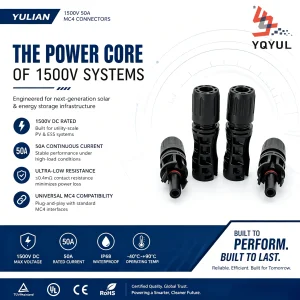
With an annual output exceeding USD 20 million, the factory utilizes seven specialized production lines and over 100 automated production units. Our specialization covers DC Miniature Circuit Breakers (MCBs), Surge Protective Devices (SPDs), PV Fuses, MC4-compatible connectors, DC Isolator Switches, and custom Combiner Boxes. Each product line runs under strict ISO 9001 quality management guidelines, achieving conformity with international safety regulations such as CE, TUV, IEC, and CB.
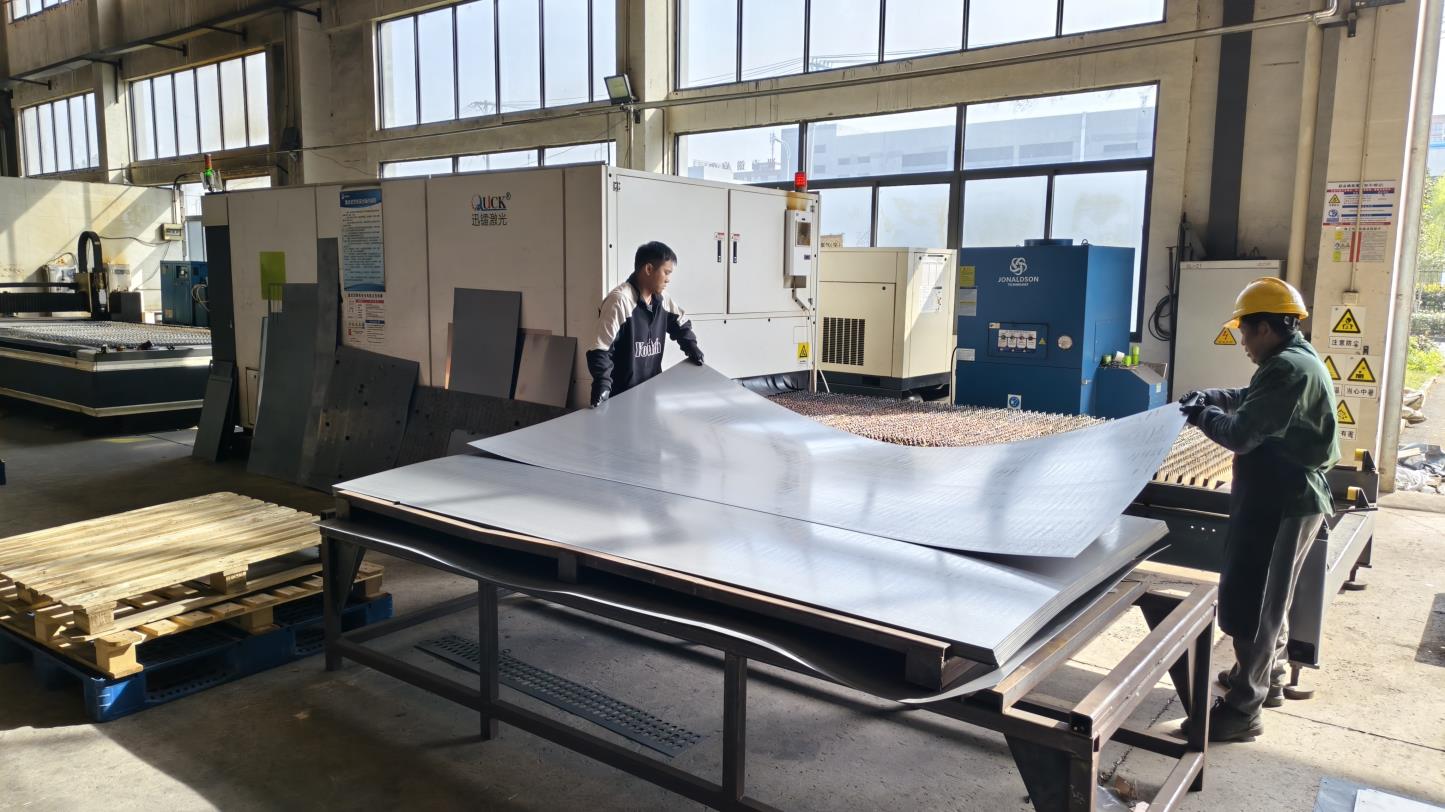
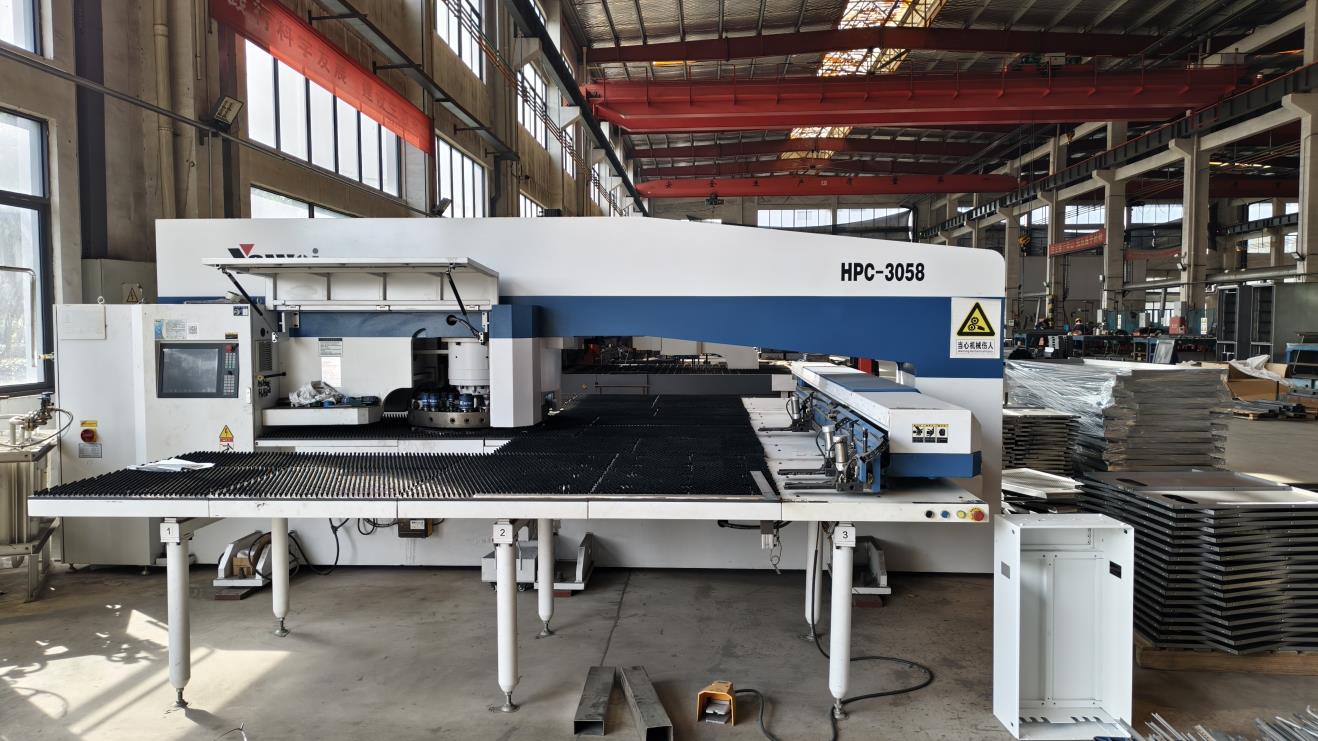
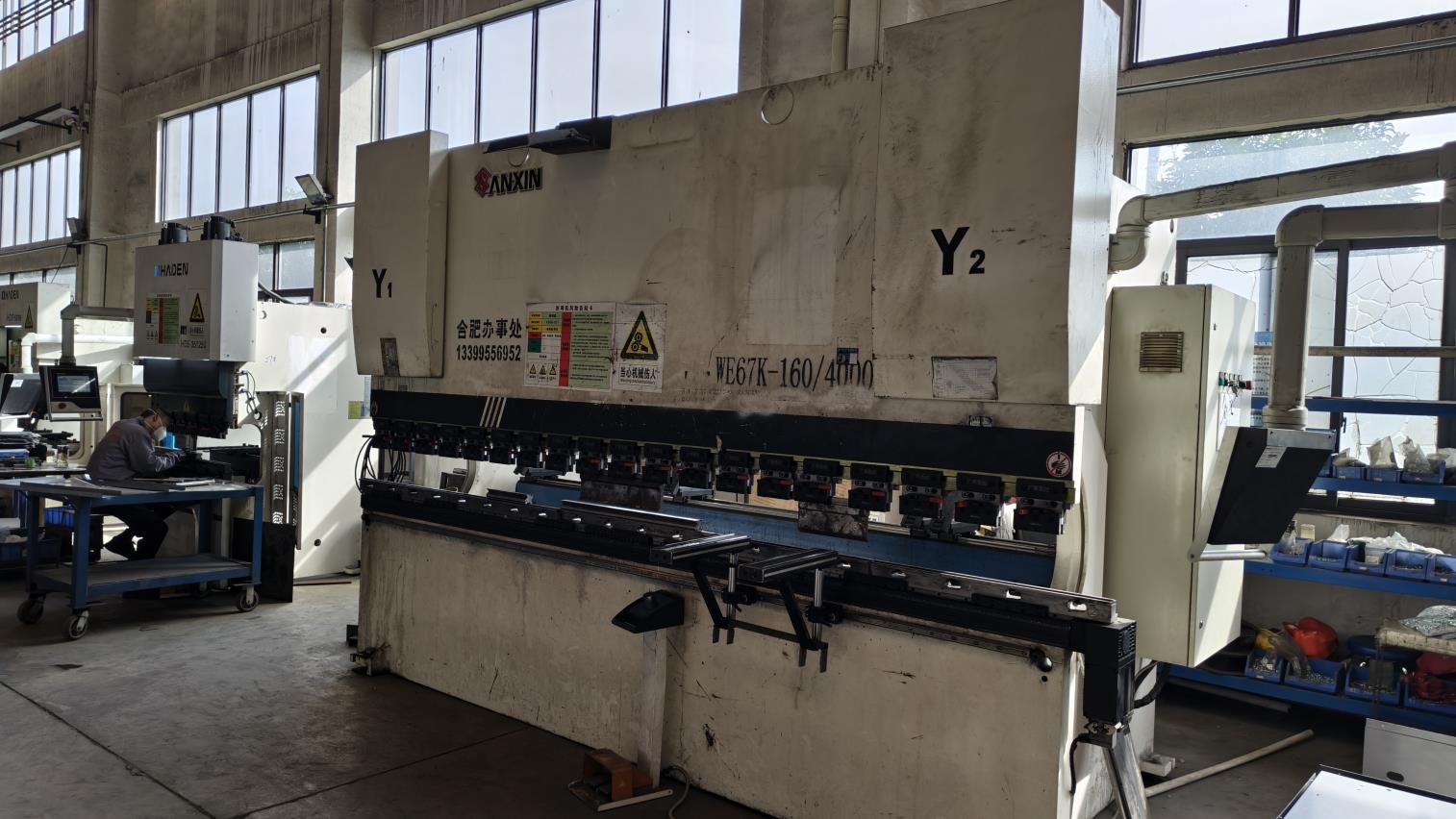
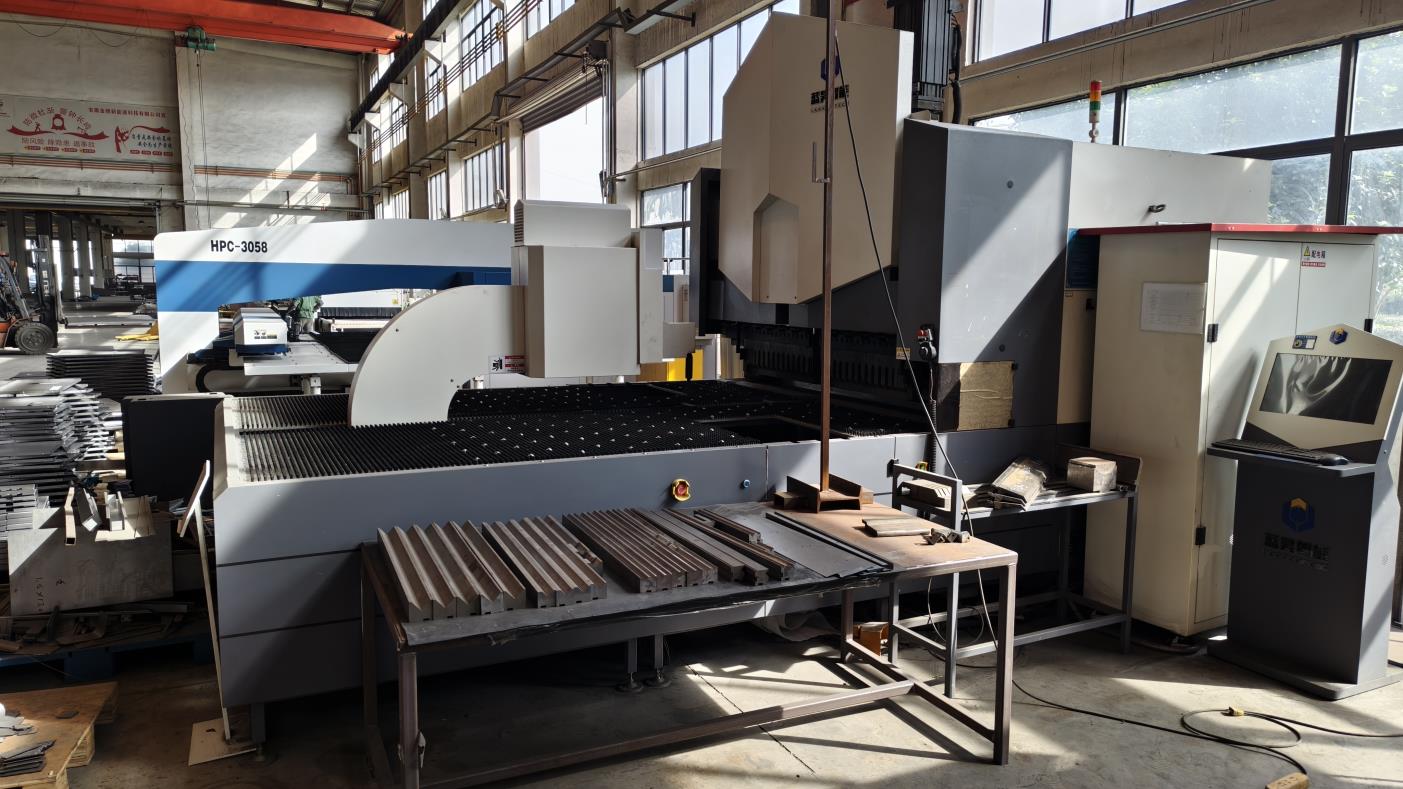
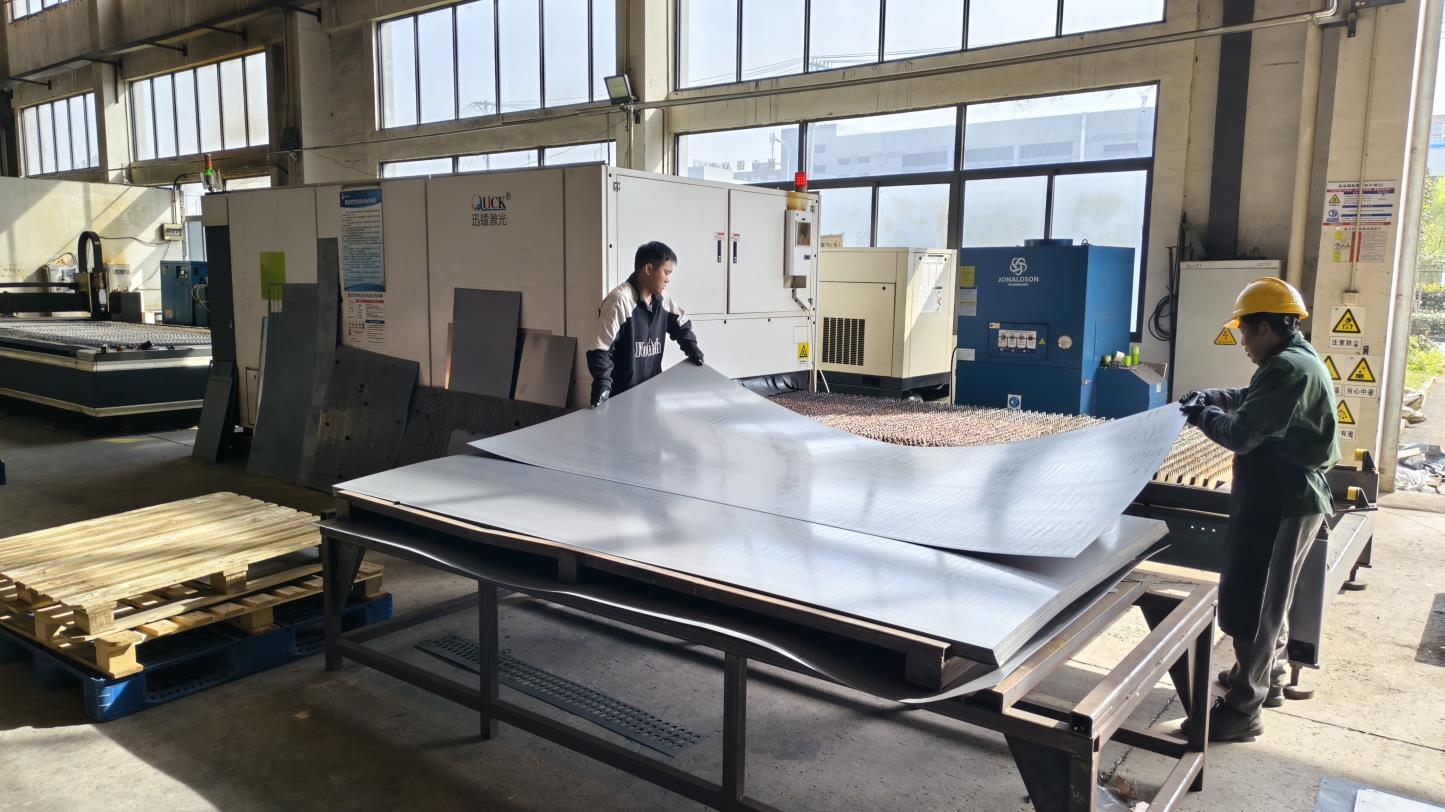
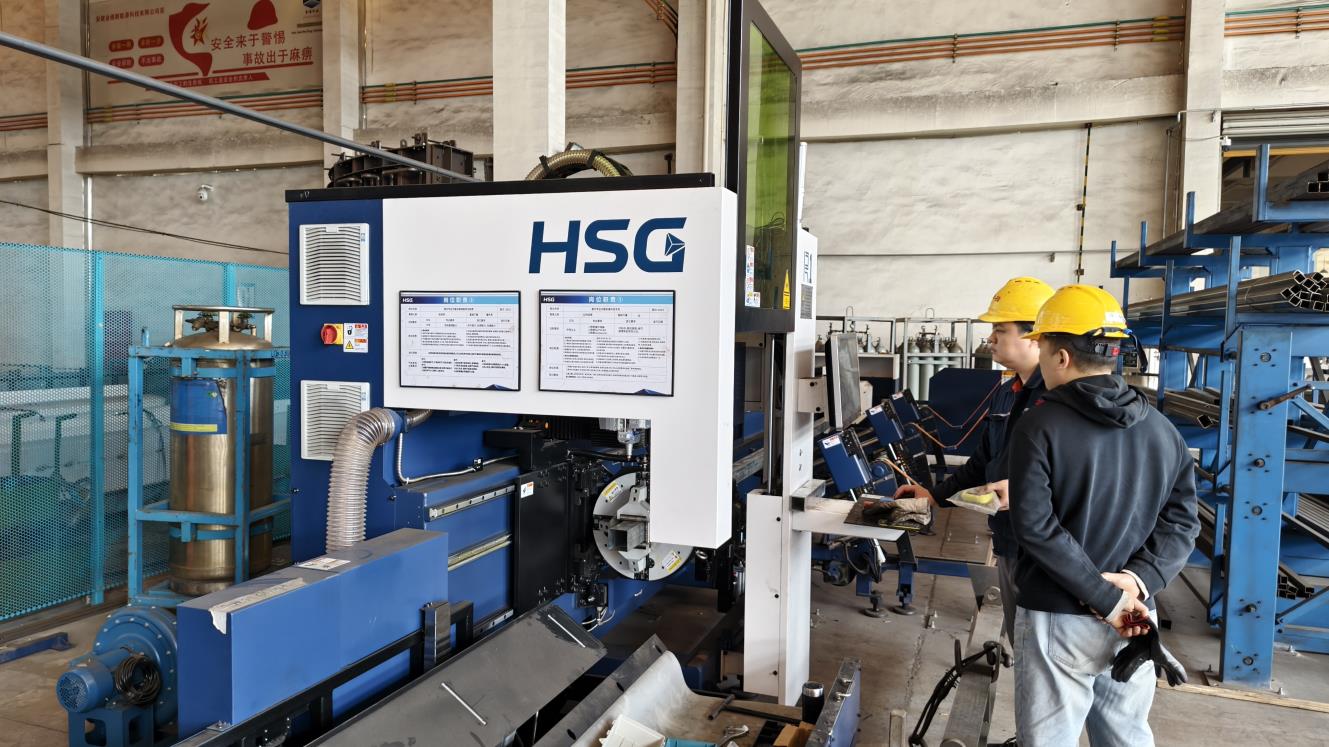
By operating modern assembly centers, laser cutting systems, and CNC bending stations, Phlox ensures that every metal bracket, connector blade, and breaker housing satisfies tight physical tolerances. We bridge the gap between design theory and real-world durability, keeping safety at the center of each product line.
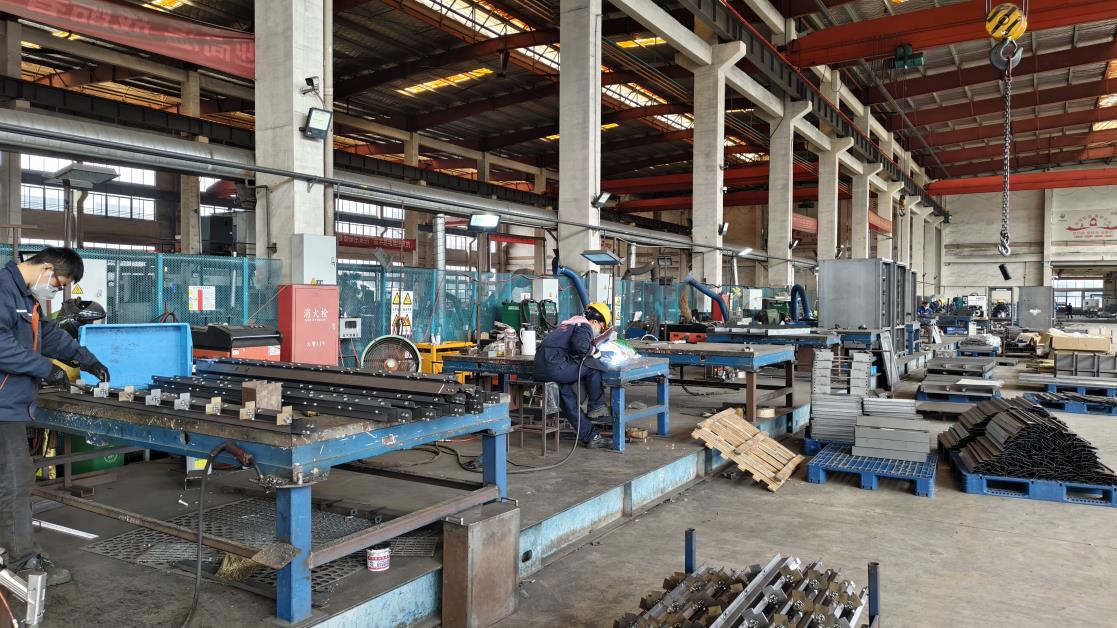
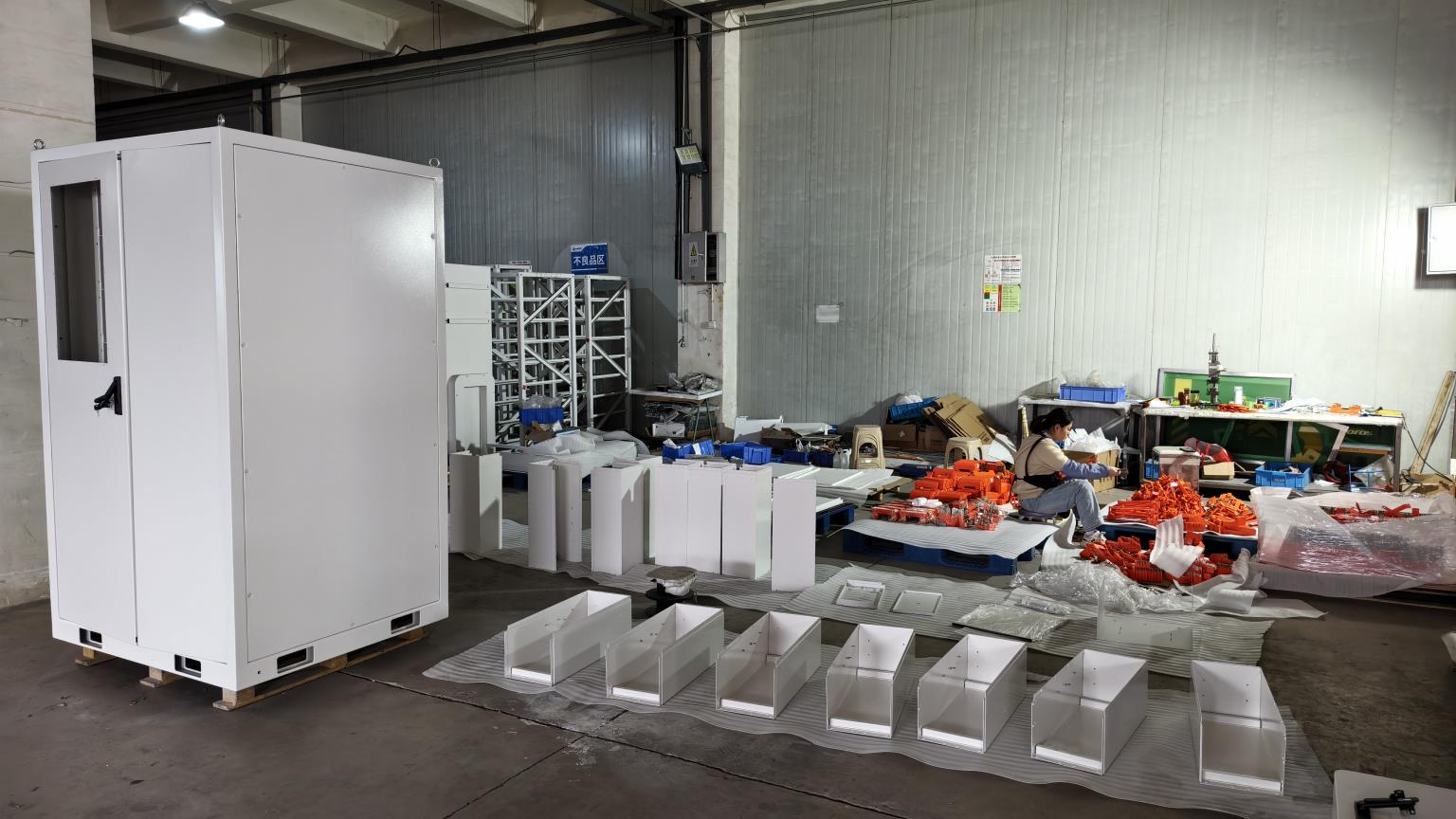
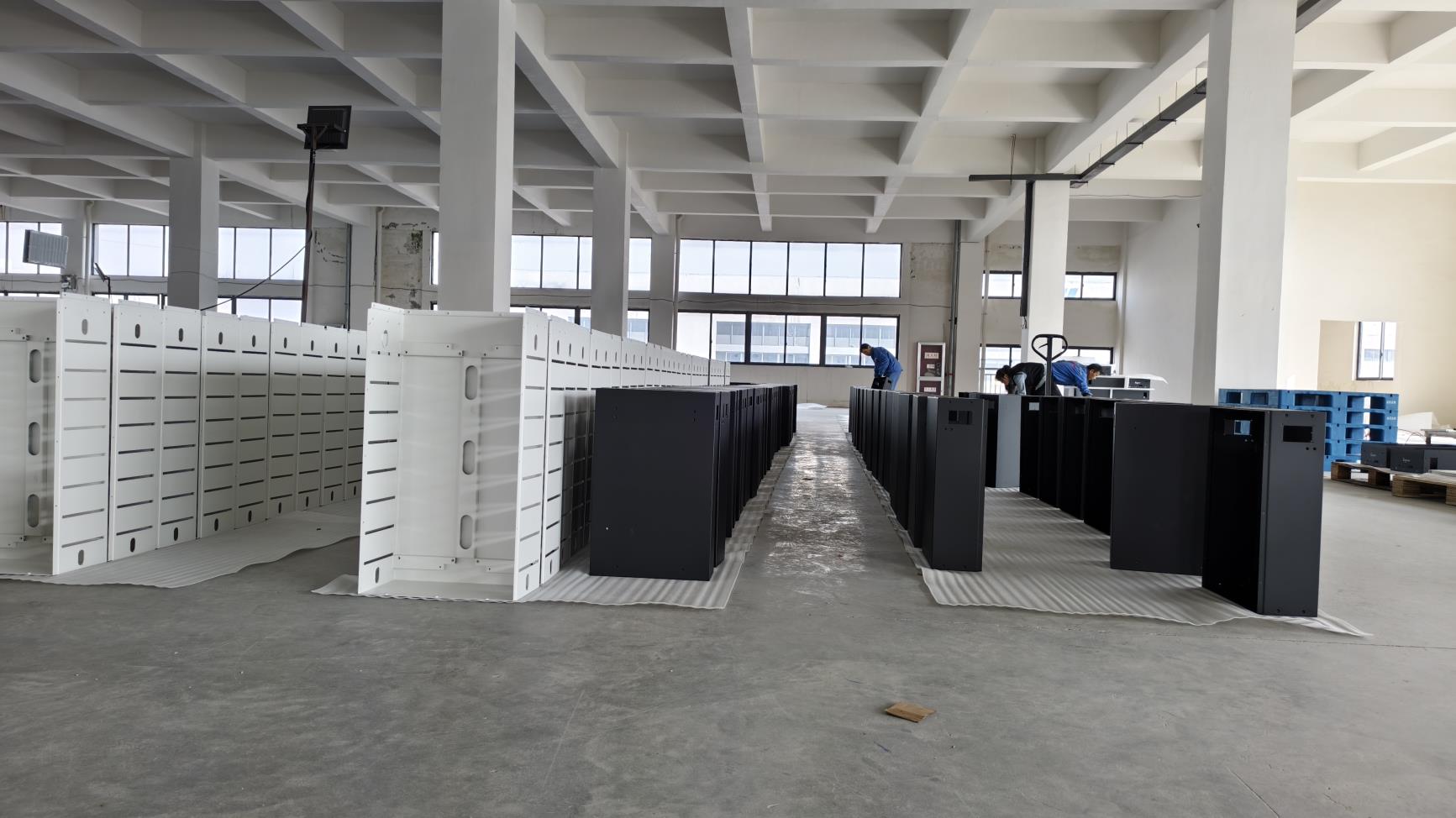
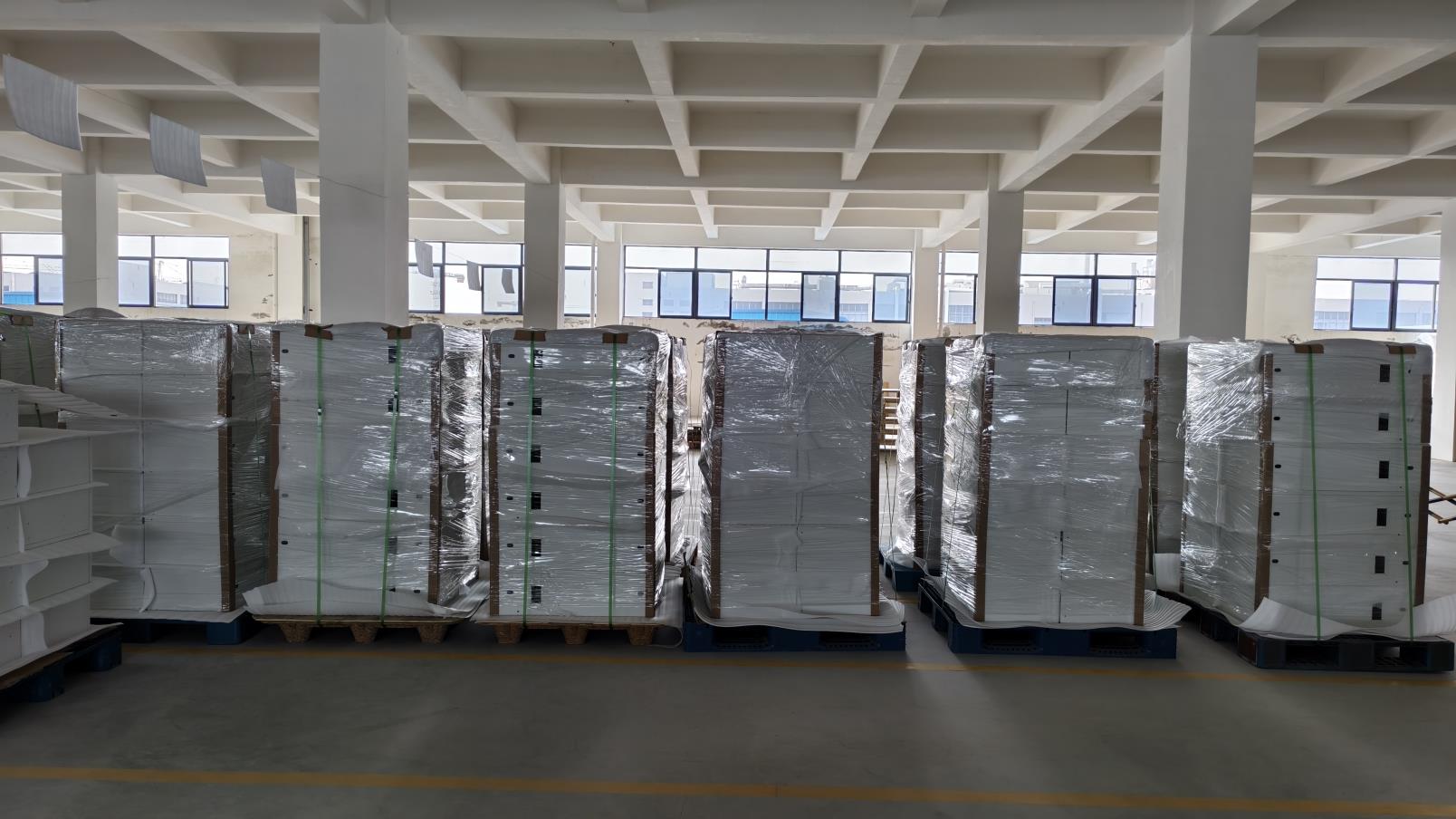
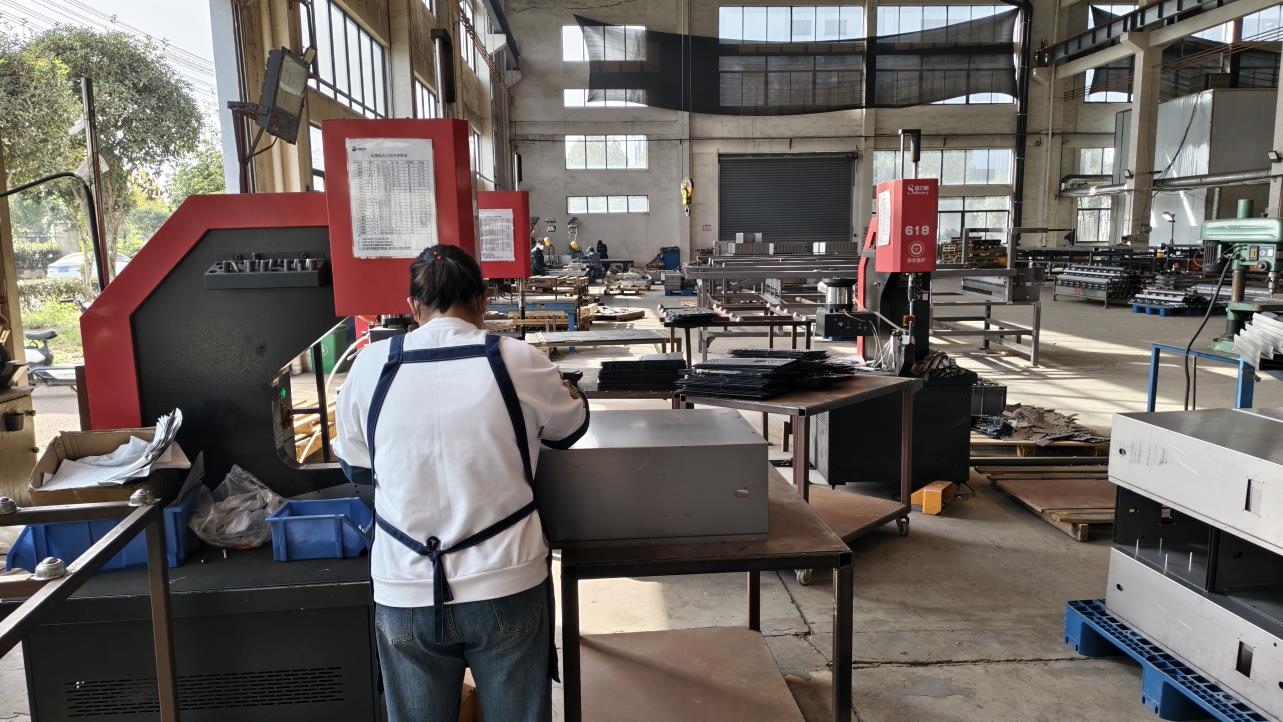
Under the hood of our automated production floor in Wenzhou, displaying precision metalworking, CNC bending, and assembly processes.
Tracking the regulatory changes, safety requirements, and engineering trends driving the high-voltage component sector.
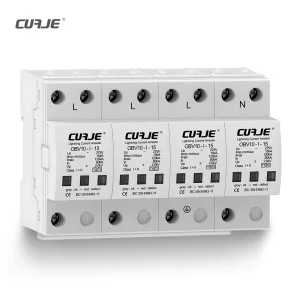
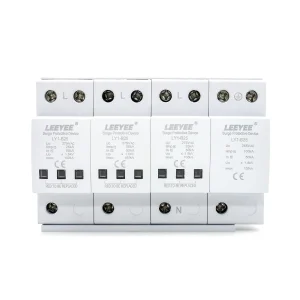
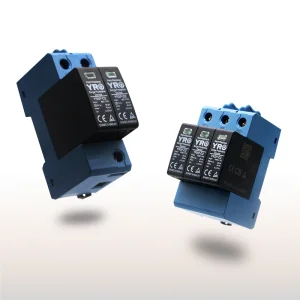
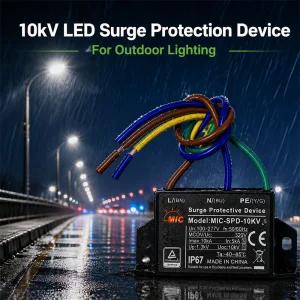
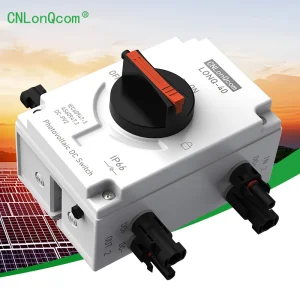
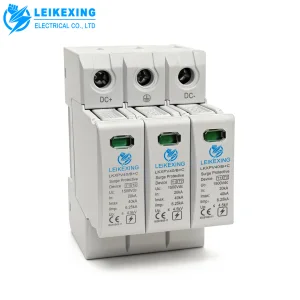
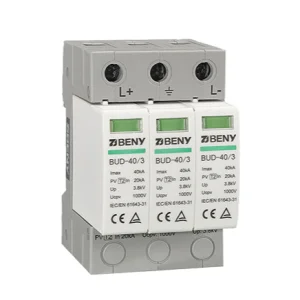
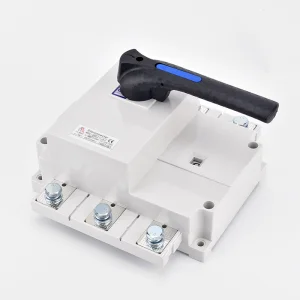
Modern utility-scale solar farms are standardizing on 1500V DC topologies, which yield system-level cost savings by allowing longer strings, fewer combiner boxes, and reduced cabling. However, this shift places greater electrical stress on disconnect switches, isolators, and fuses. The arc energy of DC is continuous and lacks the natural zero-crossing point found in AC systems. Consequently, components like the T1+T2 40kA DC1500V Surge Protector and 1200V-1500V DC Disconnect Switches must utilize specialized magnetic blowouts and advanced arc chutes to pull the arc away from contacts and extinguish it safely.
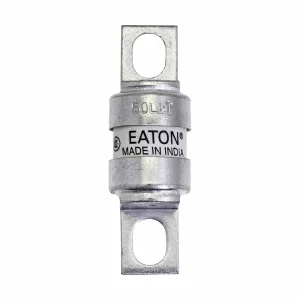
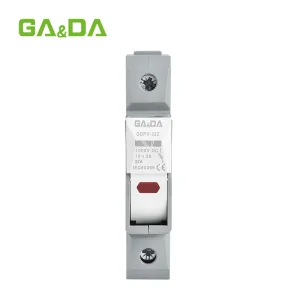
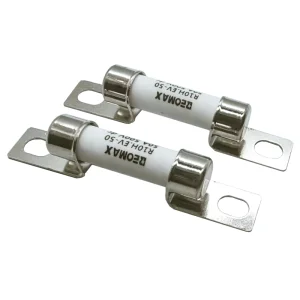
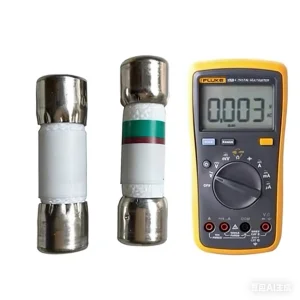
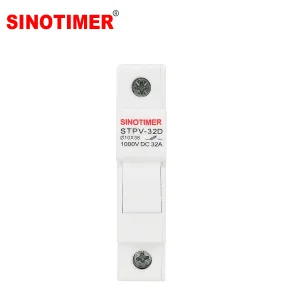
As string sizes increase, protecting individual panels against reverse-current faults becomes essential. Integrating fast-acting cartridge fuses (such as 32A 10x38mm Solar PV DC Fuses) inside combiner boxes ensures that individual faulty loops are isolated within milliseconds. This isolates the fault without taking down the entire solar array, protecting modules from heat degradation and preventing fire hazards.
From residential smart rooftops to harsh industrial applications—tailored electrical safety setups.
For residential PV, safety centers on rapid shutdown and protection against residential structural fires. Systems utilize IP66 waterproof disconnect boxes and whole-house surge arrestors, safeguarding expensive smart inverters and home energy storage systems (BESS) from transient overvoltages.
Commercial installations utilize longer cable lengths and high-capacity string inverters, exposing the DC lines to inductive coupling risks from lightning strikes. Implementing T1+T2 40kA class SPDs at both the solar arrays and main AC distribution panels forms a coordinated surge protection plan.
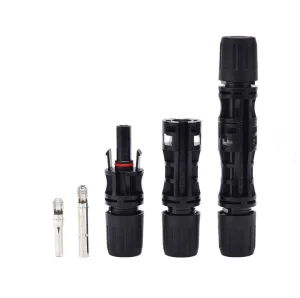
Deserts, offshore, and saline-alkali environments present severe challenges: high temperatures, humidity, and salt mist. Here, IP67 MC4 solar connectors and hermetically sealed PV fuses are essential. They maintain contact pressure and exclude moisture, preventing corrosion-induced contact failures.
Addressing the challenges international EPC buyers, distributors, and engineering firms face when sourcing components.
For international procurement directors, selecting the correct manufacturer involves evaluating engineering capability, quality systems, and supply chain resilience. High-performance solar projects require more than low unit costs—they demand component consistency across massive batches.
Addressing common design challenges, safety standards, and selection criteria faced by electrical engineers and PV designers.
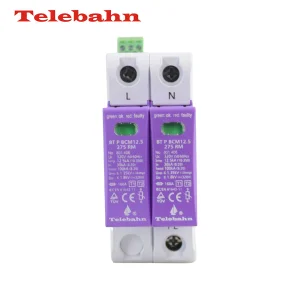
Type 1 SPDs are designed to discharge direct lightning currents (simulated with a 10/350 µs waveform) and are installed at the primary entrance of installations where direct strikes are a risk. Type 2 SPDs protect against induced overvoltages and switching transients (simulated with an 8/20 µs waveform). In utility-scale solar environments, a coordinated approach using both types (like our T1+T2 hybrid modules) is recommended to protect sensitive inverter electronics.
DC installations run continuously outdoors. IP66 ratings ensure the enclosure is dust-tight and protected against powerful water jets, which is critical for wall-mounted disconnects. IP67-rated connectors (like our MC4-compatible line) can withstand temporary immersion, preventing water ingress along PV cables that leads to ground faults and insulation issues.
PV fuses operate within combiner boxes that experience high internal temperatures from solar radiation and current loading. Standard 10x38mm fuses must be derated based on local ambient profiles. Choosing a high-capacity base with venting, combined with high-quality ceramic fuses, prevents premature aging and nuisance trips.
Every product batch is subject to electrical insulation tests, contact resistance measurements, mechanical cycling trials, thermal chamber simulations, and waterproof testing. Our Quality Assurance lab ensures that all shipments match the specifications outlined in our CE, TUV, and IEC documentation.
 Phlox Energy