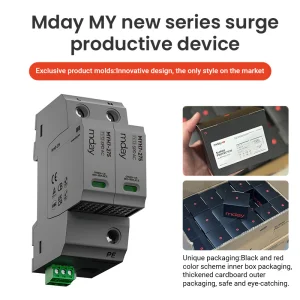
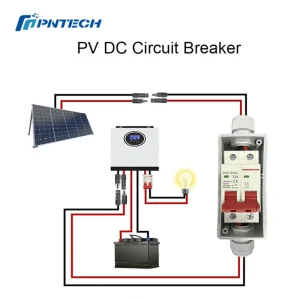
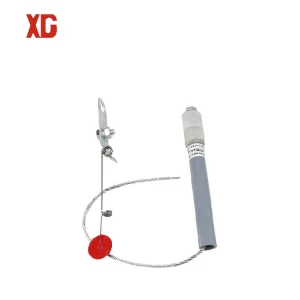
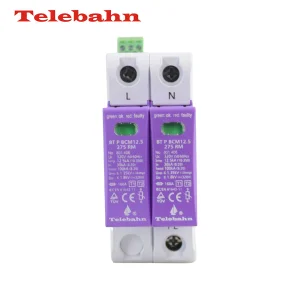
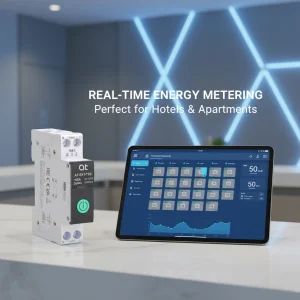
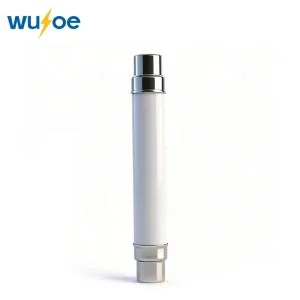
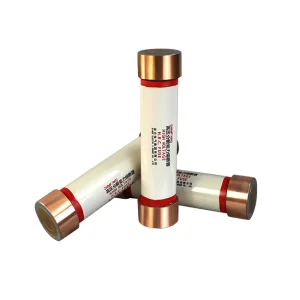
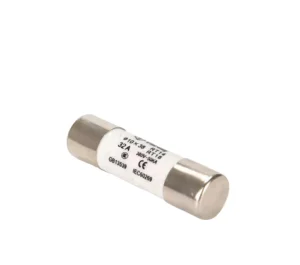
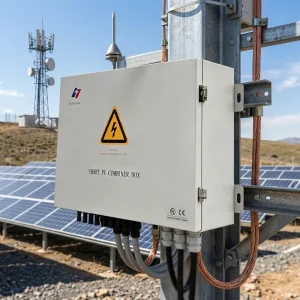
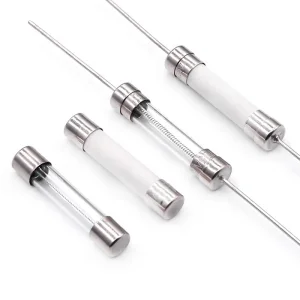
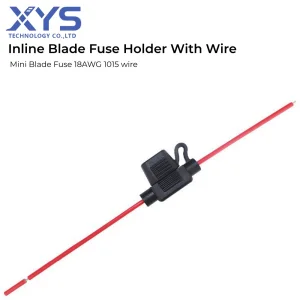
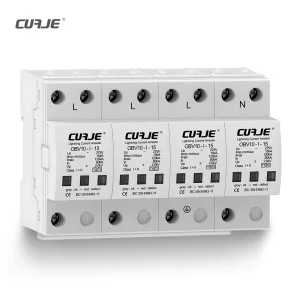
Explore our high-performance DC protection units, surge arresters, high-voltage ceramic fuses, and intelligent circuit breakers certified for global solar utility applications.
In modern utility-scale solar installations, the role of electrical protection components has evolved from basic circuit safeguarding to high-reliability insulation design. The physics of Direct Current (DC) electricity present unique challenges for overcurrent protection. Unlike Alternating Current (AC) networks, which naturally drop to zero voltage twice every cycle (facilitating easier arc extinguishment), DC systems maintain continuous voltage. This characteristic makes electrical arcing extremely stable and difficult to suppress once a fault occurs.
A dedicated solar DC fuse must be specifically engineered to interrupt low-fault currents in highly complex circuits. When solar panels operate under low irradiance conditions, short-circuit current outputs can be relatively close to the normal operating currents. Traditional standard fuses (such as gG or gL classes) fail to clear these low-level faults effectively, leading to prolonged electrical arcing, localized heat generation, and thermal runaway. Consequently, the industry mandates gPV class fuses—components designed specifically to isolate faults under precise conditions down to 1.35 times the rated nominal current, conforming to global safety codes like IEC 60269-6 and UL 248-19.
"Understanding the L/R time constant (typically calibrated between 1ms to 3ms in solar arrays) is essential when selecting the appropriate DC fuse. High breaking capacities up to 50kA or 100kA at 1500VDC are critical to safely interrupt fault currents before catastrophic inverter or combiner box fires occur."
Our specialized product lines feature high-grade quartz sand filling, precision-wound silver elements, and reinforced fiberglass or high-density ceramic bodies. Together, these features enable rapid heat absorption, instant arc quenching, and absolute containment of high-energy releases.
The global solar power sector is undergoing a massive shift toward higher DC operational voltages. Transitioning from traditional 1000V DC architectures to advanced 1500V DC topologies has become standard for utility-scale photovoltaic systems. By increasing the system voltage, engineers can design longer PV strings, which significantly reduces the amount of copper wiring, combiner boxes, and balance-of-system (BOS) components.
However, operating at 1500V DC significantly raises electrical stress on insulation, switches, and overcurrent protectors. This transition demands high-voltage DC fuses with exceptional dimensional stability, high clearing speed, and low power dissipation. Low power dissipation is critical, as fuses operating inside high-temperature outdoor combiner boxes must minimize internal heat losses to prevent thermal derating and nuisance blowing.
Maximizes string lengths while reducing BOS wiring costs. Requires high-voltage rated gPV fuses capable of interrupting heavy faults at elevated voltages.
Energy storage systems require bidirectional fast-acting fuses that handle cyclic loads and suppress massive short-circuit currents from battery racks.
Integration of intelligent sensors within combiner boxes to monitor real-time thermal conditions, fuse degradation metrics, and operational performance.
Additionally, the integration of Battery Energy Storage Systems (BESS) directly into DC link circuits introduces complex bi-directional power flows. These hybrid storage networks expose protection devices to massive potential fault energy. If a fault occurs, the short-circuit current from the batteries can rise incredibly fast, requiring the installation of high-speed semiconductor-grade DC fuses (class aR or gR) to protect critical IGBT controllers and power converters.
China, particularly the industrial hub of Wenzhou, is recognized as the global leader in solar electrical component manufacturing. The clustering of component vendors, raw material suppliers, automated plating lines, and specialized testing facilities provides Chinese factories with a significant competitive advantage in producing DC protection components.
At Wenzhou Phlox Energy Co., Ltd., we utilize this localized industrial supply chain to manufacture high-reliability, certified electrical accessories. By manufacturing components like copper terminals, ceramic tubes, and complex metal contacts in-house or sourcing them from adjacent precision manufacturers, we maintain tight control over raw material quality and lead times.
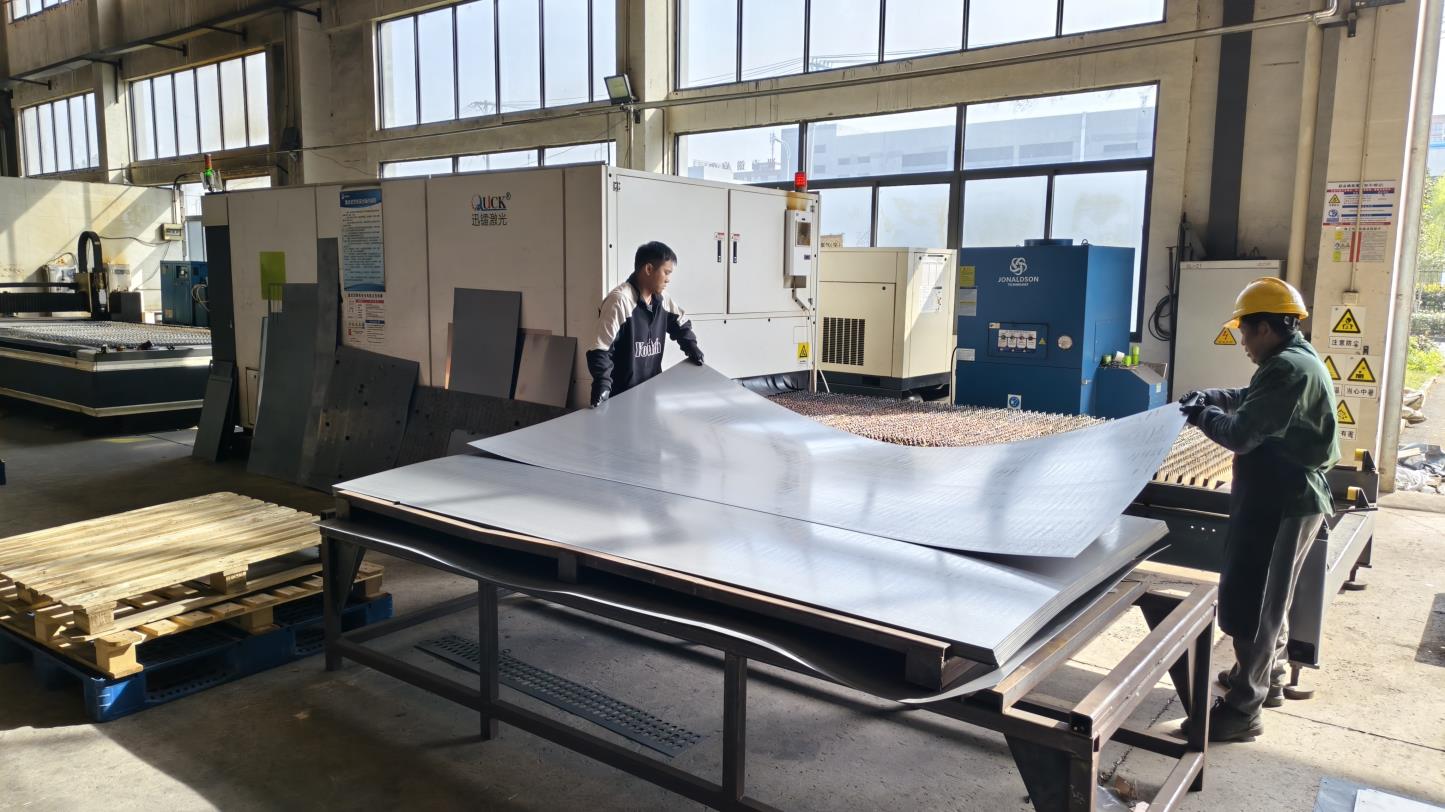
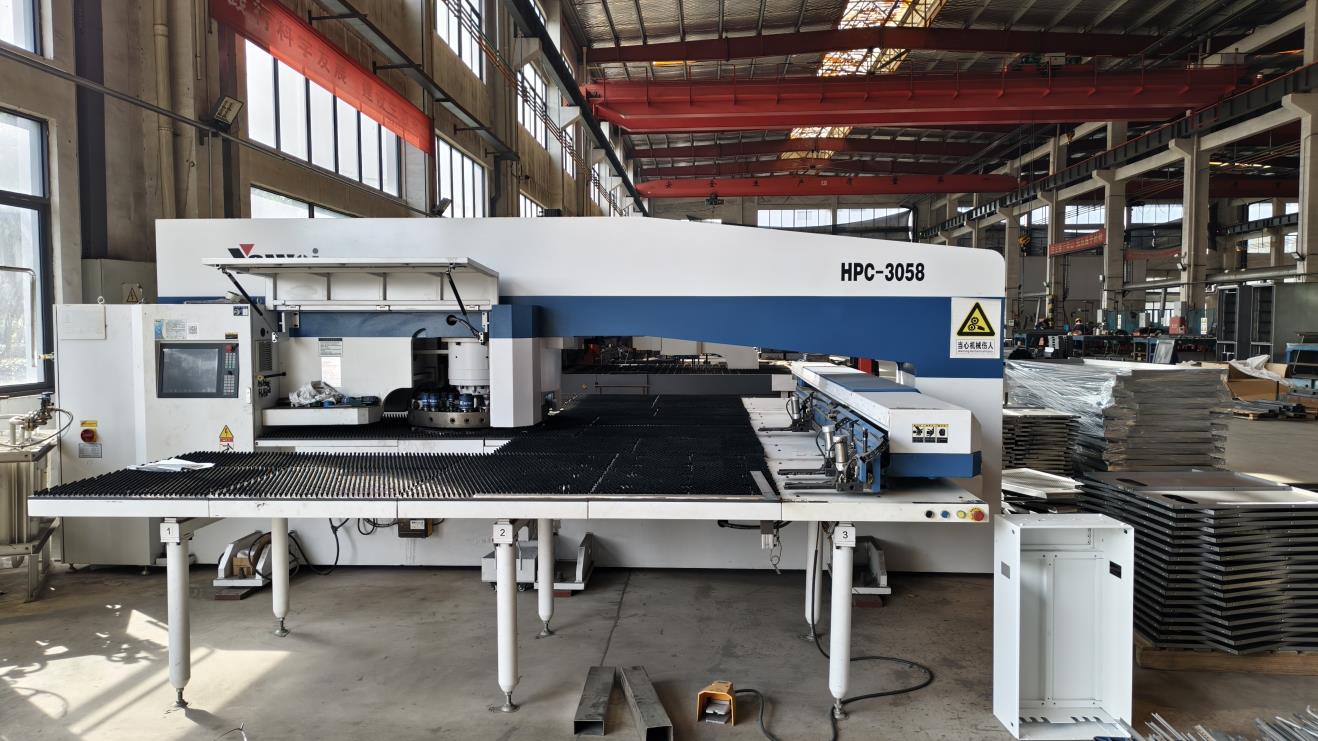
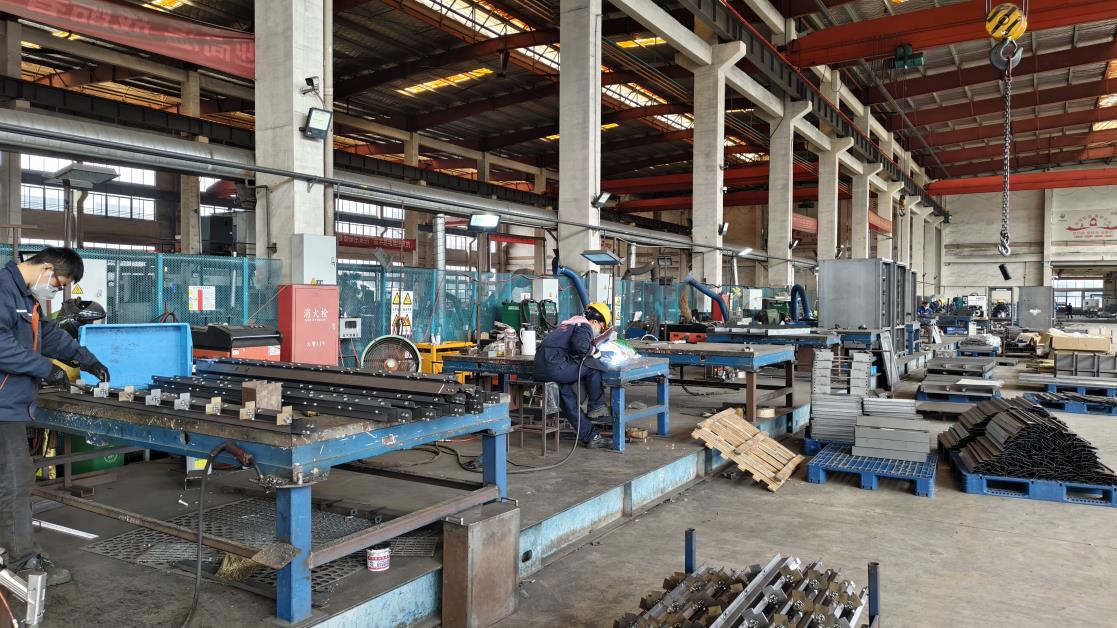
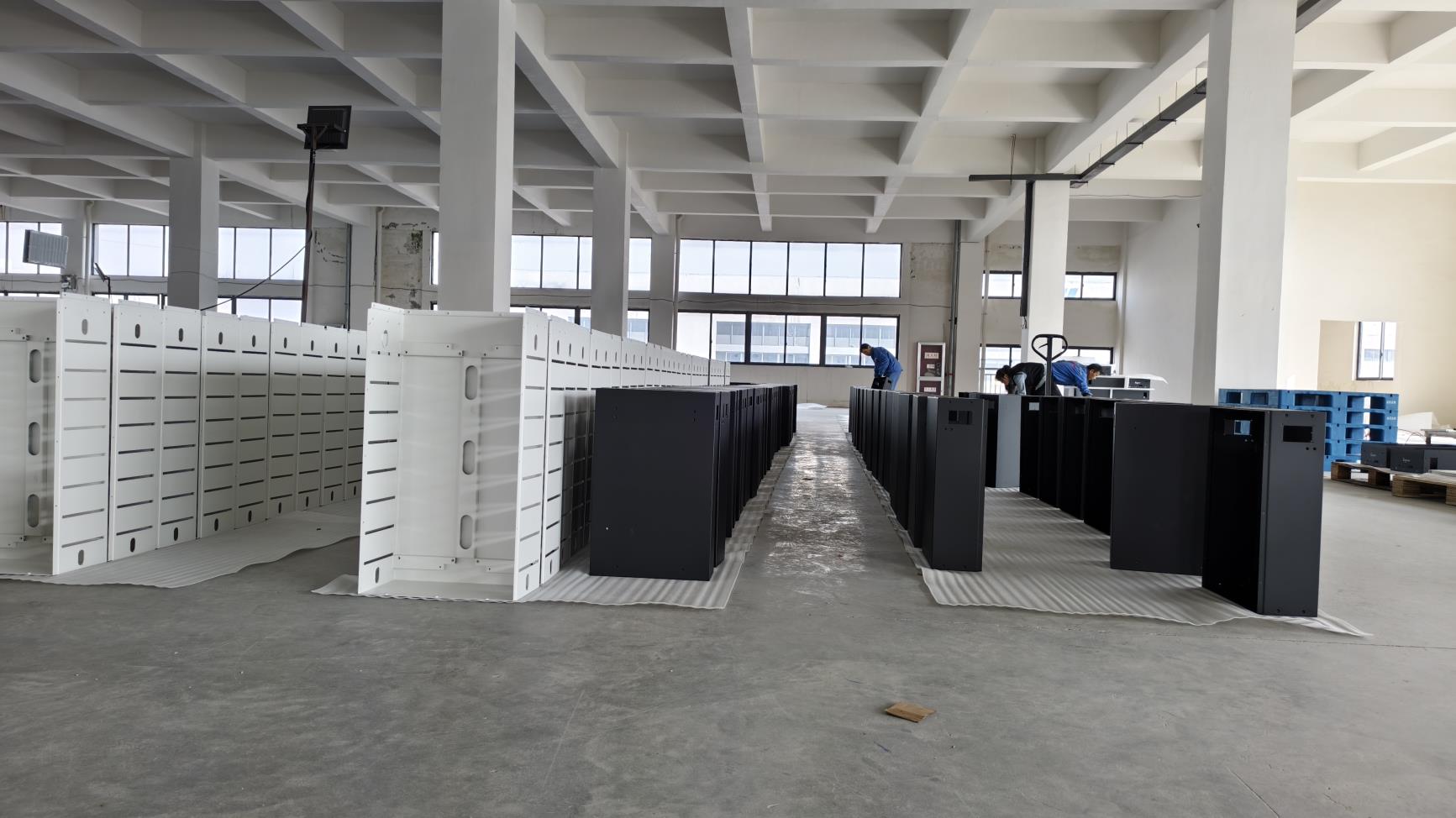
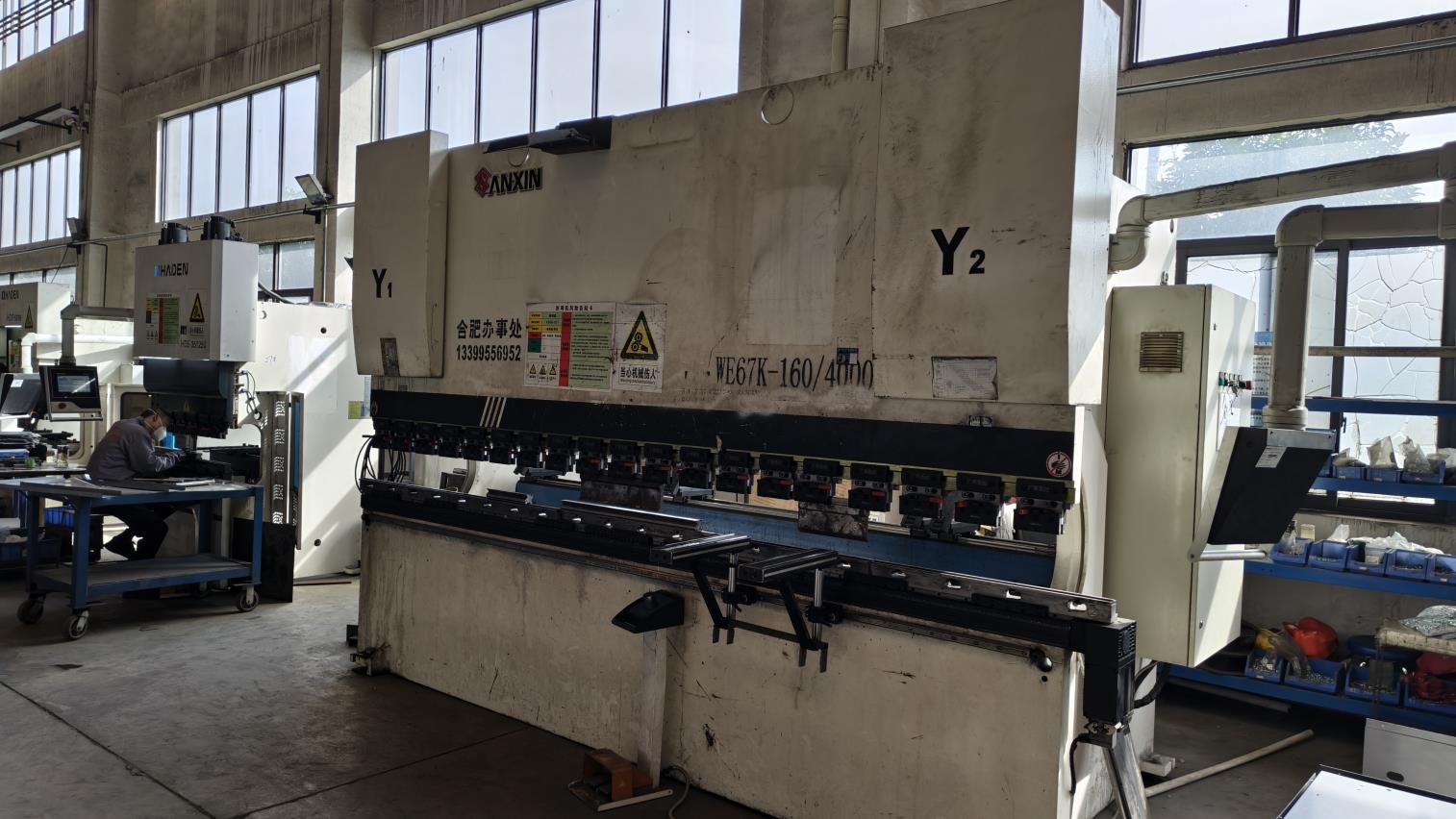
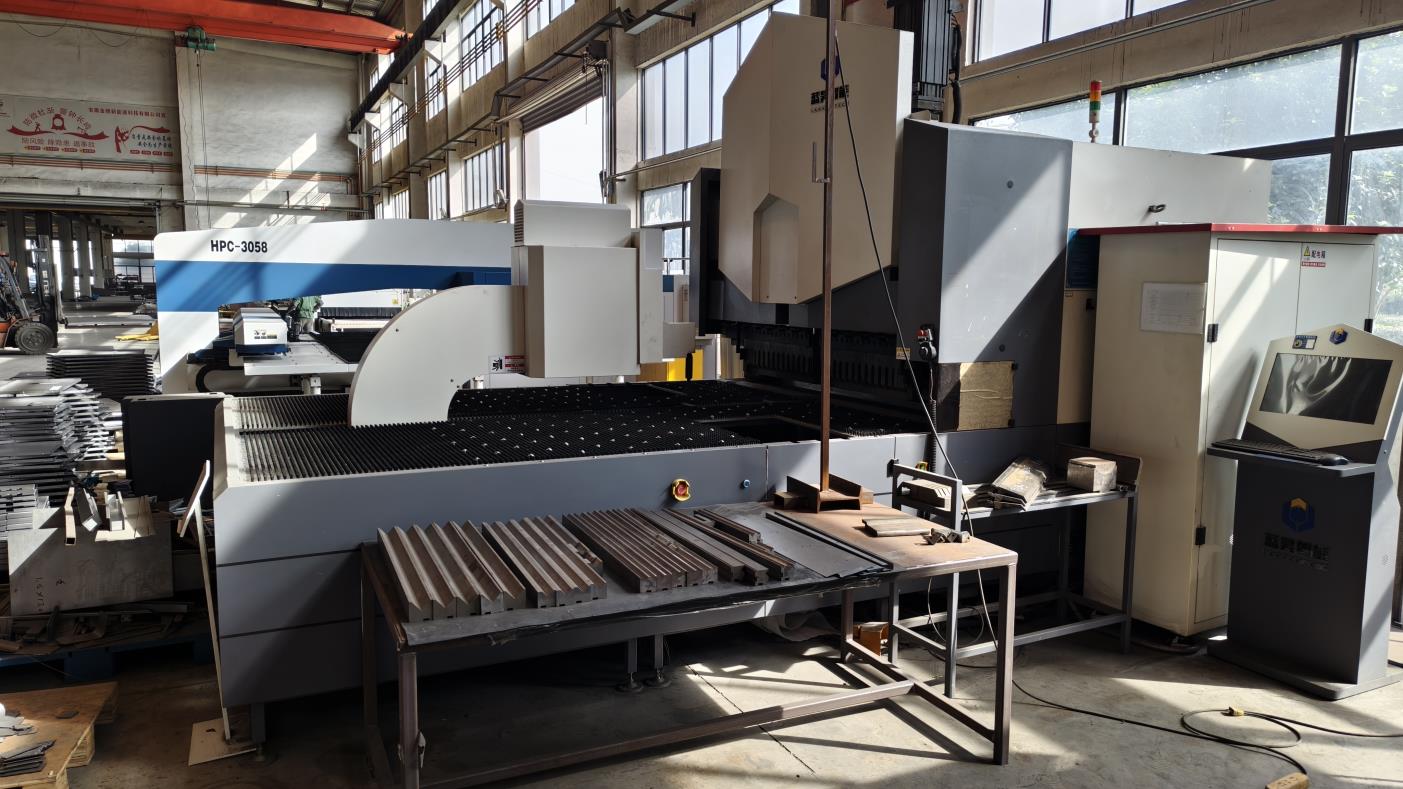
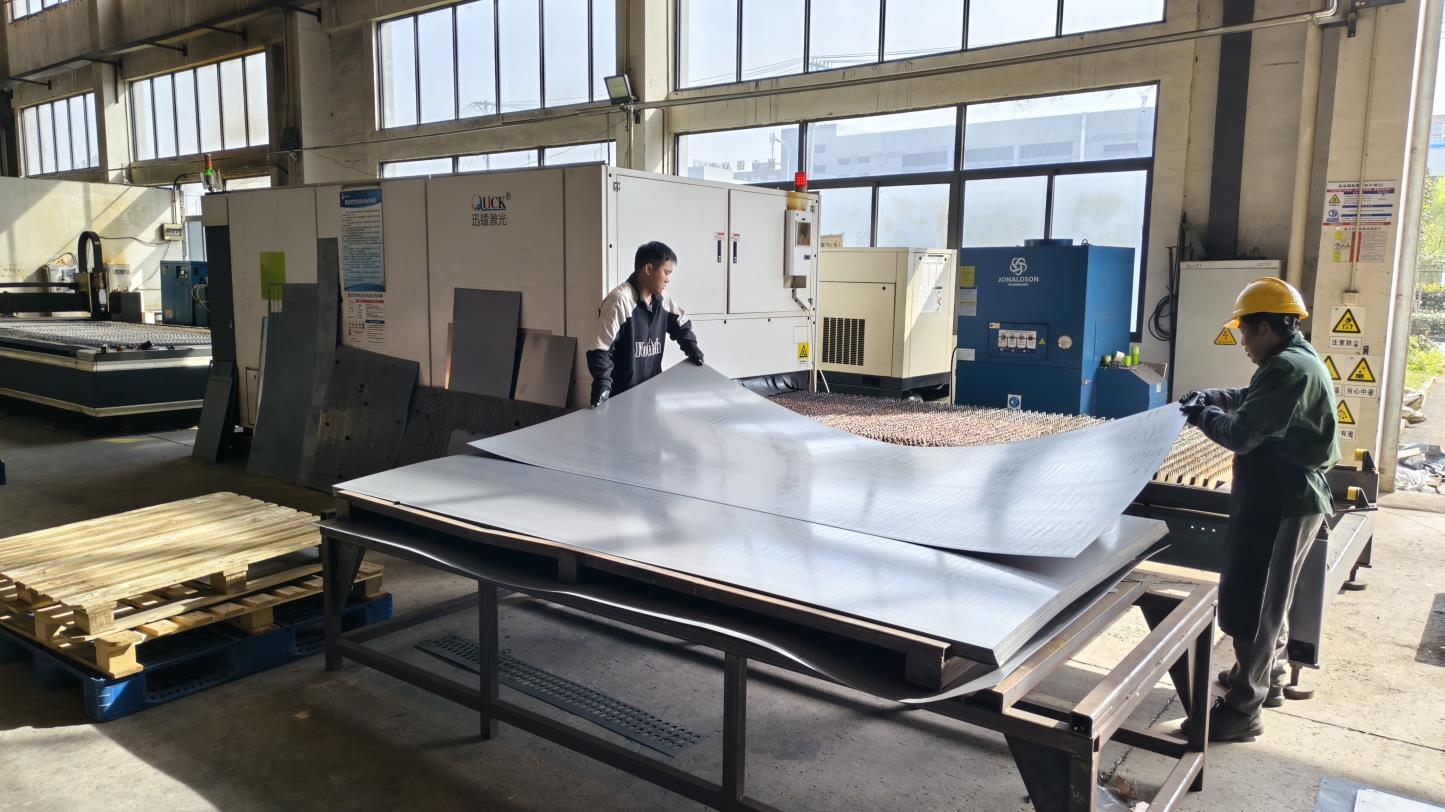
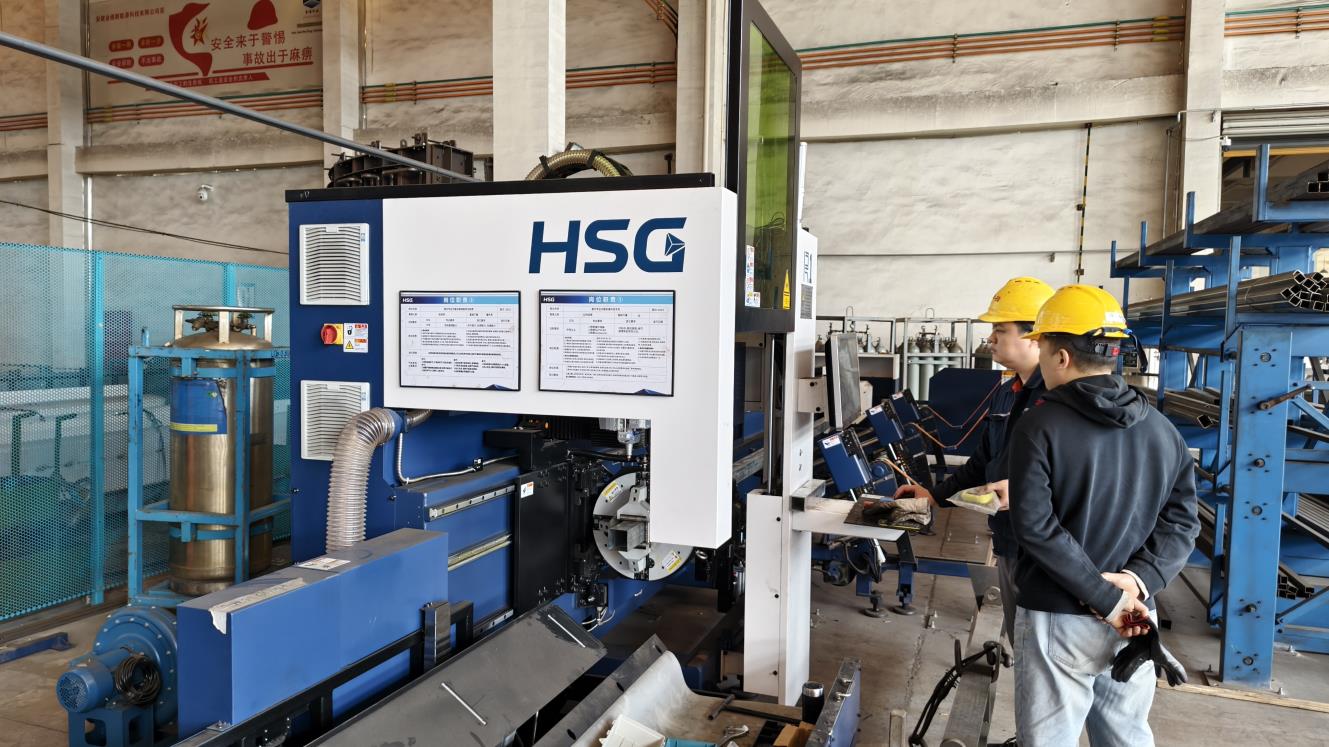
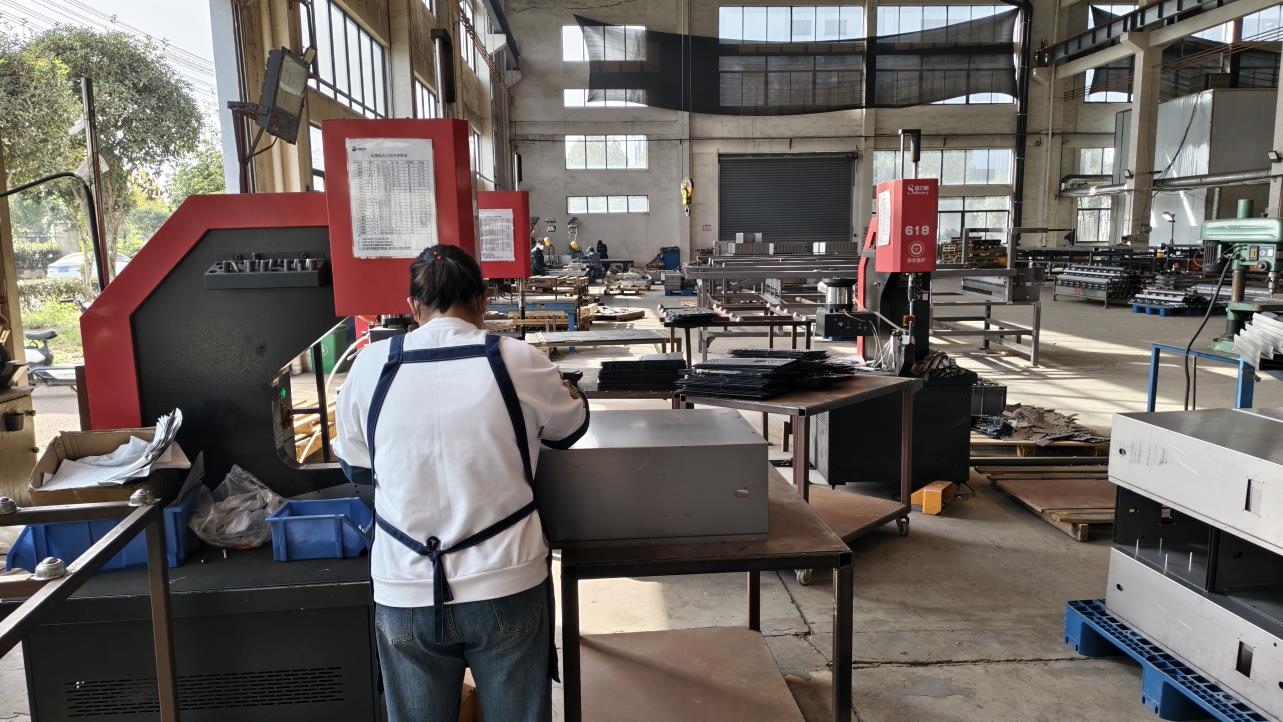
Our manufacturing facility employs advanced processes, including CNC bending, laser tube cutting, automated riveting, and computerized welding. These automated systems eliminate human error, ensuring that every batch of fuses has a consistent melting characteristic curve (I-t curve) and a uniform contact resistance.
Additionally, our on-site testing laboratories conduct rigorous quality checks, including temperature-rise tests under load, cycling fatigue tests, insulation resistance measurements, and salt-spray environmental chamber validation. This comprehensive testing ensures our products deliver reliable protection in harsh solar installations worldwide.
Solar installations operate in diverse global environments, each presenting unique challenges to electrical safety and hardware reliability. Understanding these localized application scenarios is essential for selecting the correct protection devices.
Characterized by intense UV radiation, high ambient temperatures, and dust storms. Fuses require specialized thermal derating calculations and dust-tight IP65 combiner box enclosures to prevent premature melting.
Exposed to constant high humidity, salt-fog corrosion, and water mist. Protection components require high-grade marine tinned copper, silver-plated fuse caps, and hermetically sealed ceramic bodies to prevent oxidation.
Rooftop installations require rapid fault isolation and fire safety mitigation. Systems integrate smart DC isolators, rapid shutdown controllers, and fuses with built-in microswitches for remote fault signaling.
By designing protection schemes tailored to specific environmental conditions, operators can avoid thermal fatigue failures and nuisance tripping. Selecting materials suited for local weather extremes ensures long-term operational efficiency and system safety.
For international EPC contractors, PV system designers, and component distributors, sourcing electrical protection equipment involves managing supply chain risk and ensuring long-term product safety. Because fuses are safety-critical components, failure to select certified devices can lead to system-wide failures and liability risks.
To ensure regulatory compliance and high system reliability, procurement professionals prioritize manufacturers with established E-E-A-T (Experience, Expertise, Authoritativeness, and Trustworthiness) credentials. Key indicators of a manufacturer's capability include:
By partnering with qualified manufacturers like Wenzhou Phlox Energy, international project planners can mitigate supply chain risks, secure comprehensive product warranties, and ensure consistent, reliable system protection.
Wenzhou Phlox Energy Co., Ltd. is a professional manufacturer and supplier specializing in solar photovoltaic protection and electrical connection solutions. With more than 10 years of industry experience, we are dedicated to the research, development, production, and innovation of high-quality solar accessories and low-voltage electrical products for global renewable energy markets.
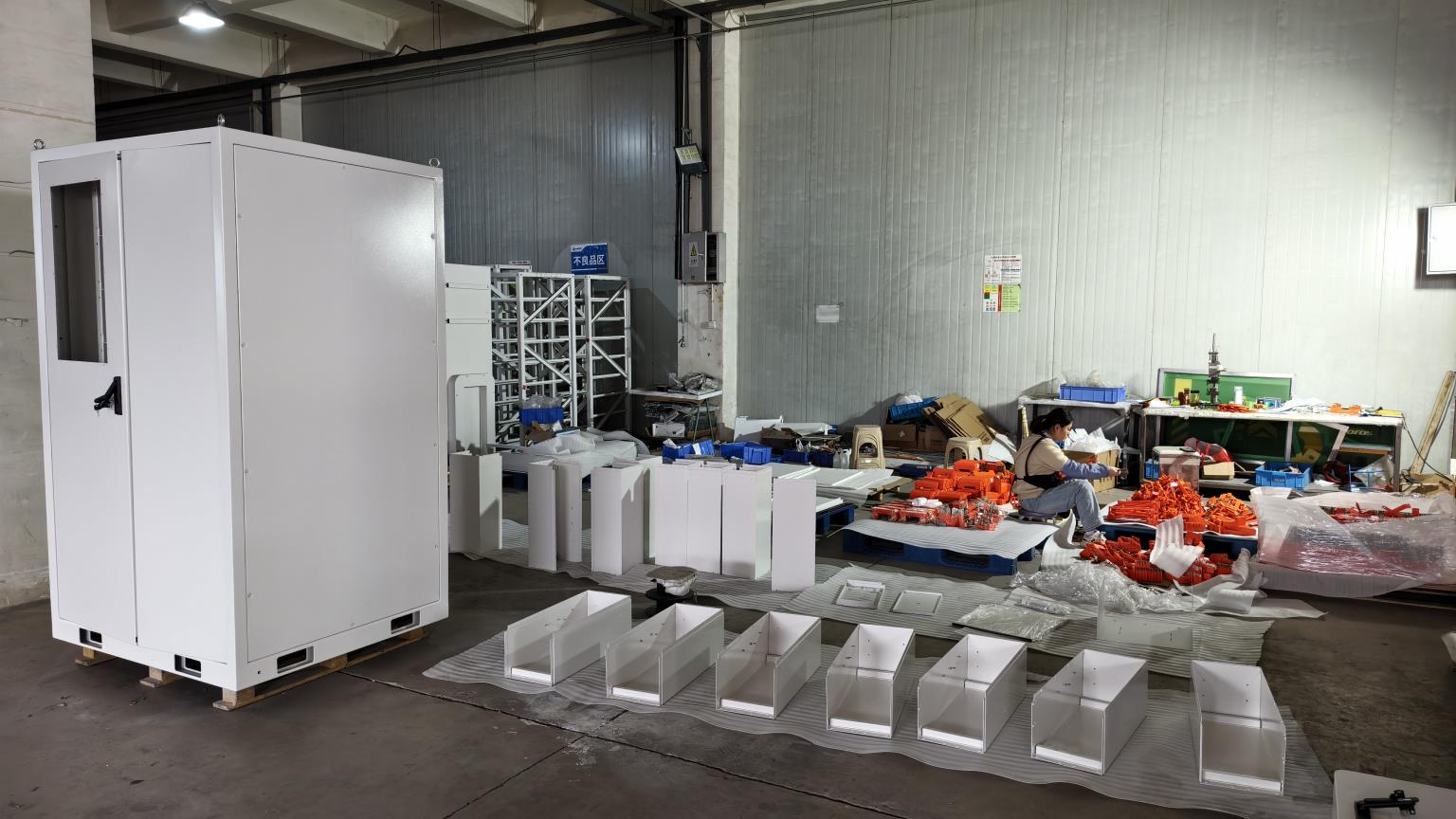
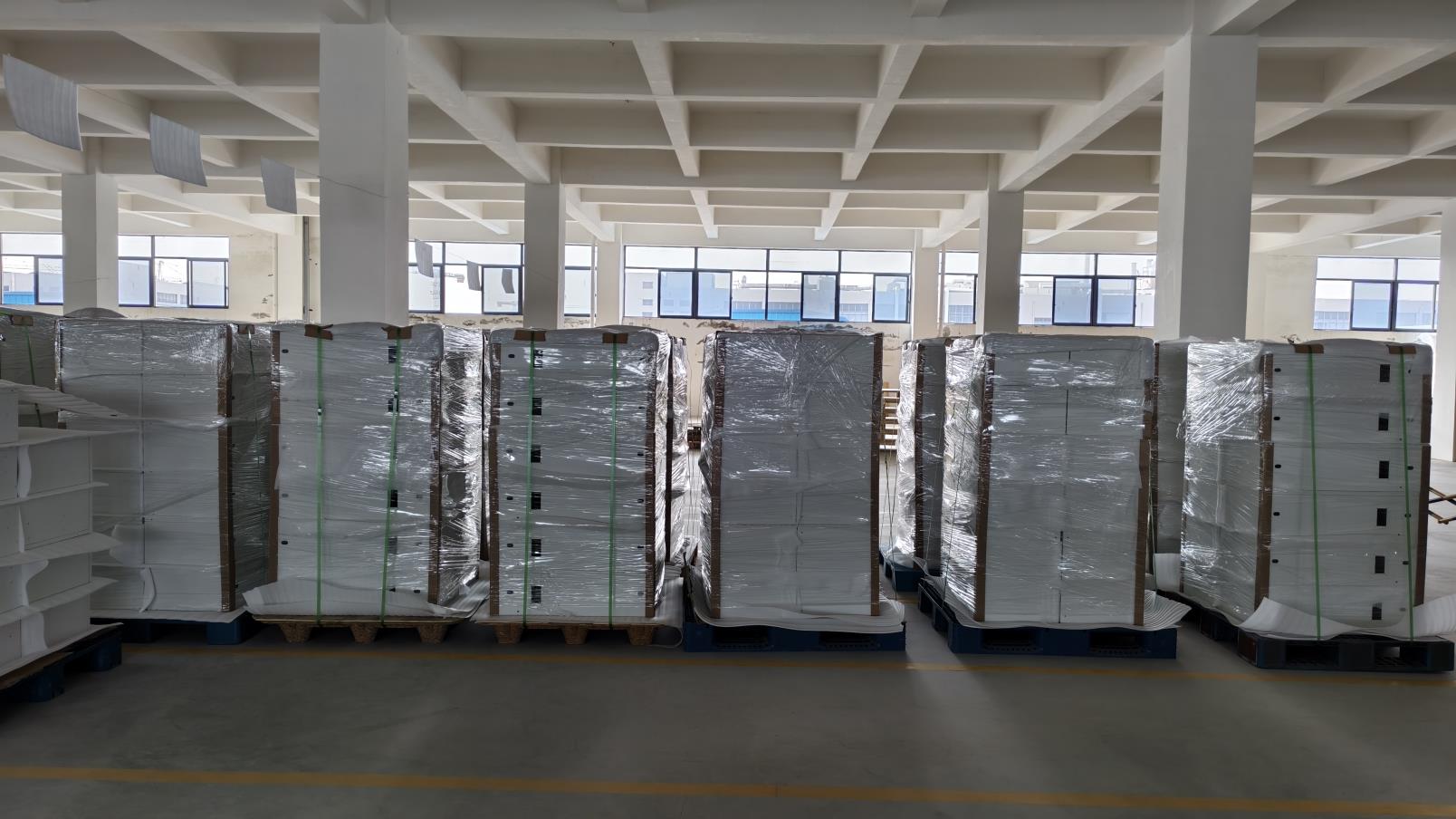
Our manufacturing facility covers an area of over 11,500 square meters and is equipped with 7 advanced production lines, more than 100 automated production machines, and a skilled workforce of over 150 employees. With strong production capacity and efficient management systems, our annual output value exceeds USD 20 million.
Phlox Energy specializes in the production of DC miniature circuit breakers (MCBs), surge protective devices (SPDs), photovoltaic fuses, solar connectors, DC isolator switches, distribution boxes, combiner boxes, and other solar power system components. Our products are widely used in residential, commercial, and industrial photovoltaic installations around the world.
Quality is at the core of everything we do. Our products are manufactured in strict accordance with international standards and have obtained certifications including CE, TUV, IEC, CB, and ISO 9001. Every product undergoes comprehensive quality inspections and rigorous testing procedures to ensure safety, reliability, and long-term performance in demanding environments.
Driven by continuous innovation, our experienced R&D team works closely with customers to develop customized solutions that meet evolving market requirements. We also provide OEM and ODM services, helping partners build competitive product portfolios and strengthen their market presence.
Having successfully participated in more than 3,900 solar energy projects worldwide, Phlox Energy has earned a strong reputation for premium product quality, competitive pricing, reliable delivery, and professional after-sales support. Our commitment to customer satisfaction and long-term cooperation has made us a trusted partner for distributors, installers, EPC contractors, and solar energy companies across the globe.
At Wenzhou Phlox Energy Co., Ltd., we are committed to supporting the global transition to clean and sustainable energy. We look forward to building long-term partnerships with customers worldwide and achieving mutual growth and success together.
Find technical answers regarding the application, sizing, and safety standards of DC fuses in solar PV systems.
Explore our range of combiner boxes, high-capacity surge protection devices, and specialty cartridge fuses designed for residential, commercial, and utility-scale installations.
 Phlox Energy